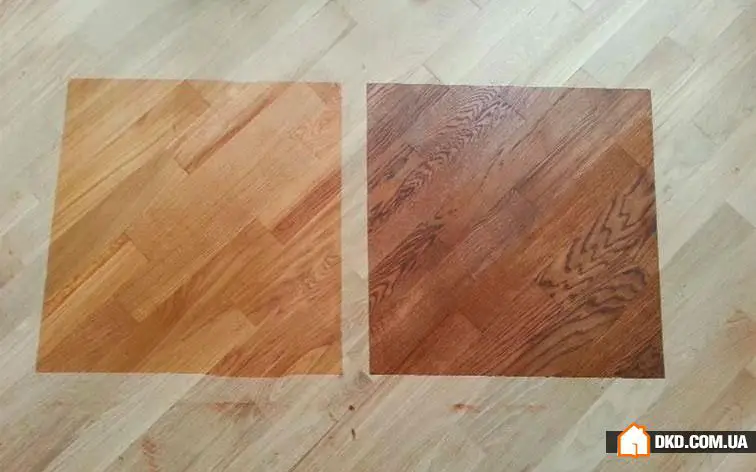
How to Choose a Floor Covering
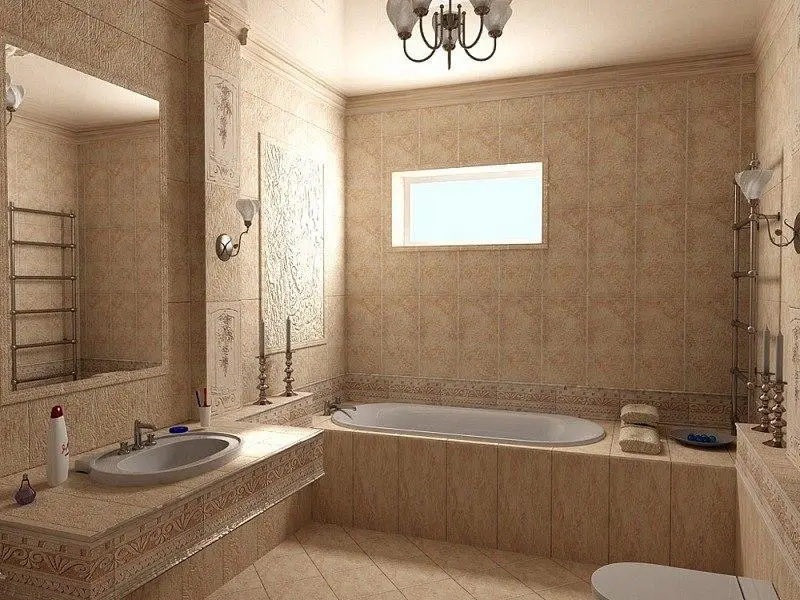
Part of the floor area is exposed to intense moisture: splashes and humid air in bathrooms, melted snow and rainwater in entryways, frequent spills during cooking and dishwashing in kitchens. As seen above, it's essential to select a floor covering that provides comfort and coziness on one hand, and practicality and durability on the other.
Today's building stores offer a wide range of floor coverings, from budget options (e.g., linoleum) to exclusive cork-based solutions. How to avoid confusion when choosing the right material, and not get lost in the maze of brands and types? What factors, apart from those listed, should be considered to stay within budget not only for material purchase but also for installation work? Read on for more.
The Evolution of Floor Coverings
For a long time, wood was the only material used for flooring: installed on wooden joists in the form of planks, strips, logs, etc. Even in the 21st century, despite the availability of synthetic, polyester, and textile-based floor coverings, natural materials like wood and cork remain popular.
Let’s examine the main types of floor coverings in order of their appearance in construction and design practices, in more detail.
- Parquet
Full successor to traditional wooden flooring. Consists of interlocking boards of various shapes and thicknesses, allowing for an unlimited number of patterns and designs. Known for high durability and practicality when properly installed.
Drawbacks include complex installation and high cost of both material and labor. For this reason, parquet is considered a premium option and has limited availability.
- Ceramic Tile
Ceramic tile is made from clay, fired under varying temperature conditions, and features a glazed surface. This material has been known for centuries and has evolved from a luxury item to a widely used standard.
Modern manufacturers offer an endless variety of shapes and colors. Tiles can mimic wood or cork textures. The material is highly moisture-resistant and securely installed with special tile adhesive. Pay special attention to the adhesion properties of the base surface during installation.
Typical applications include entryways, mudrooms, hallways, and bathrooms. Less common on kitchens. Tile flooring is easy to clean and low-maintenance.
The main drawback is that tile remains cold most of the time, so installing a warm underfloor system—water-based or electric—is recommended for comfortable use.
- Linoleum
Probably the most widespread floor covering. Despite its less-than-ideal performance: synthetic material, prone to tearing under heavy furniture or sharp objects, visible seams between sheets—even when matching patterns—linoleum remains popular due to its simple installation and low cost.
Installation involves precise cutting to match room geometry. Linoleum is typically glued over the entire floor area to prevent wrinkles and folds. High-quality, durable linoleum can be used in commercial spaces, though its cost may approach that of ceramic tiles and laminate.
- Laminate Flooring
Laminate flooring (laminate) is a relatively new material. It emerged in the second half of the 20th century, during the boom in recycling industrial waste. Through hot pressing of wood shavings with special binders, a strong and reliable material is produced, cut into panels and coated with a decorative layer (paper or PVC film) that imitates wood grain.
When choosing laminate, ensure the surface has a wax impregnation to protect against moisture and increase wear resistance and durability.
The second critical feature is hydrophobic impregnation in the easy click joints that connect adjacent panels. This is vital, as the joint between two panels is the weakest point during wet cleaning. Cheap laminate from China often lacks this protection, significantly reducing lifespan.
Laminate flooring is ideal for bedrooms, living rooms, offices, and other areas with no risk of excess moisture.
- Carpet Tile (Carpets)
The rise of this floor covering stems from people’s desire to leave traditional carpets behind while still keeping floor warmth and comfort. Carpet tiles are low-pile or pileless synthetic materials on a rubberized backing. They are ideal for children’s rooms or bedrooms.
Keep in mind that carpet tiles, like traditional carpets, trap dust and allergens, but unlike them, they cannot be rolled up and cleaned outdoors, for example, in snow. Therefore, consider cleaning methods before purchase—this is a labor-intensive task that requires at least a high-quality wet-dry vacuum cleaner.
In conclusion, the best floor covering for a home or apartment will be the one that, within your budget, offers the most practical solution in terms of installation and maintenance, while enhancing comfort and improving quality of life.