How to Clean Fireclay Farmhouse Sink
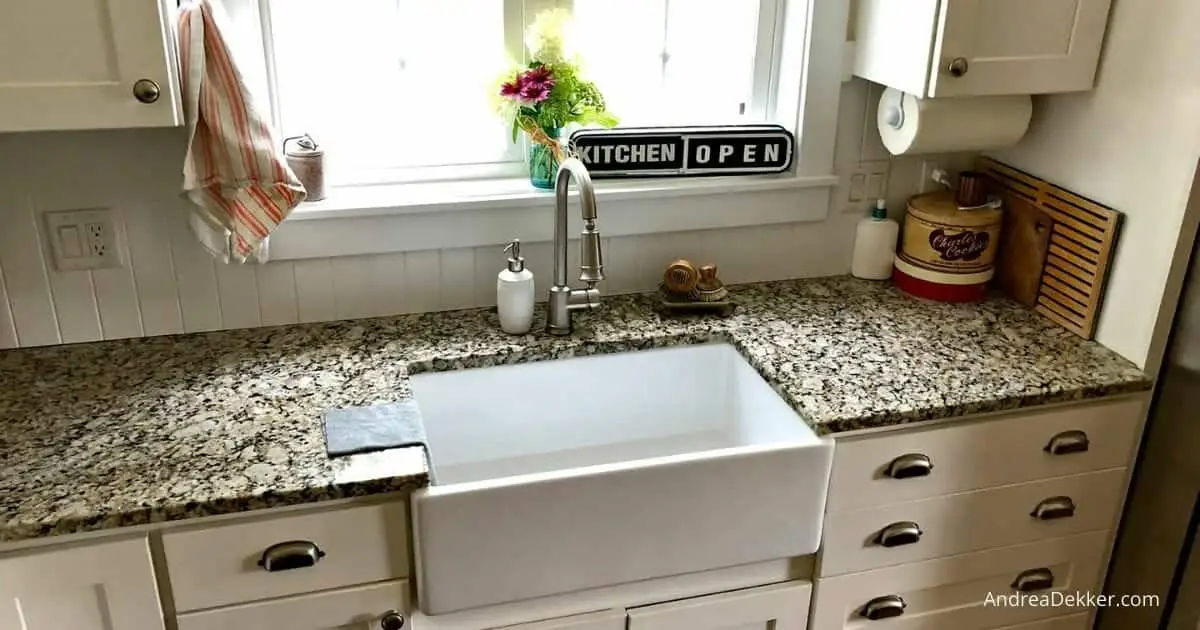
A classic white fireclay apron-front sink serves as the visual centerpiece of a well-designed kitchen, combining timeless farmhouse warmth with exceptional everyday durability. True fireclay sinks rank among the best farmhouse sinks on the market because their raw clay and enamel glaze are fused together in kilns heated to approximately 2,000 degrees Fahrenheit. This intense vitrification process yields a non-porous, glassy surface that resists stains, chips, and moisture far better than standard enameled steel or basic ceramic.
Even with such rugged durability, everyday kitchen use inevitably takes its toll on an apron-front basin. Routine food prep, hard water minerals, and contact with heavy metal cookware will eventually leave surface haze, gray marks, or stubborn stains if you do not follow a dedicated cleaning routine. Learning how to clean a fireclay farmhouse sink properly ensures you protect its signature glossy glaze while safely lifting food discoloration, metal transfer lines, and mineral crusts without scratching the finish. In this guide, you will learn the exact daily care steps, proven deep-cleaning techniques, safe spot treatments, and essential preventative habits needed to keep your basin pristine for decades.
Essential Care Summary
- Wash the basin daily with mild liquid dish soap and warm water, then buff dry with microfiber to prevent cloudy mineral buildup.
- Lift food stains naturally by applying a thick baking soda paste and letting it work for 10 to 15 minutes before rinsing with a soft sponge.
- Dissolve limescale and hard water rings safely by spraying a solution of equal parts warm water and distilled white vinegar.
- Remove dark metal transfer lines using liquid Bar Keepers Friend on a damp sponge, rubbing lightly and rinsing immediately.
- Protect the sink bottom from heavy cookware impact and metal scuffs by installing a fitted stainless steel basin grid.
How to Clean a Fireclay Farmhouse Sink: Care, Stain Removal, and Protection
Understanding Fireclay: Why Glaze Protection Matters
Before selecting any cleaning agent, it helps to understand what makes fireclay distinct from cast iron enamel, porcelain, or composite materials. Fireclay is crafted from a dense mixture of specialized clay and liquid glaze that cures under extreme heat into an impervious, solid stone-ceramic body. Because it lacks a metallic core, fireclay will never rust or corrode from beneath the glaze, making it inherently resistant to moisture damage.
The glossy exterior of your sink is a vitrified glaze, meaning harsh chemicals or coarse abrasives can permanently etch or dull the finish over time. Just like the protective finishes discussed in guides on proper cleaning and care for quality home furnishings, a fireclay glaze requires balanced, non-destructive cleaning methods. When you use overly aggressive scourers or caustic bleaches, you micro-abrade the glaze, creating microscopic valleys where food dyes and oils settle more easily. Treating the glaze gently preserves its natural non-porous barrier so waste washes effortlessly down the drain.
Daily Fireclay Sink Care and Maintenance Routine
Wash your sink daily using warm water and pH-neutral dish soap, then always towel dry to prevent mineral haze and soap scum from setting into the glaze.
The single most effective way to keep your fireclay sink gleaming is establishing a simple daily wash-and-dry routine. Because fireclay has a ultra-smooth glaze, basic daily residue requires minimal effort to remove if you do not allow food fats and pigmented sauces to dry and cure across the basin.
Rinsing and drying your basin with a clean microfiber cloth after evening dishwashing prevents mineral deposits and grease films from adhering to the glaze. When standing water evaporates naturally on the flat bottom of a farmhouse basin, dissolved minerals such as calcium and magnesium stay behind, creating a dull, cloudy haze that traps grime.
Required Materials for Daily Maintenance
- Mild liquid dish soap (pH-neutral, degreasing)
- Warm water
- Soft microfiber washcloth or non-scratch cellulose sponge
- Plush dry microfiber towel
- Plastic dish basin or clean spray bottle
Step-by-Step Daily Cleaning Procedure
- Clear debris: Remove loose food scraps and rinse the entire sink basin thoroughly with warm water from your faucet sprayer.
- Soap and wipe: Apply a few drops of mild dish soap onto a damp, non-scratch sponge or microfiber cloth. Clean the bottom and interior basin walls using gentle, circular motions.
- Rinse thoroughly: Wash away all suds and lifted grease with clean, warm water so no soapy film remains.
- Towel dry: Use a dry microfiber cloth to buff the basin dry, paying extra attention to the corners, drain flange, and flat apron front.

How to Remove Stains from a Fireclay Farmhouse Sink
Even with conscientious daily rinsing, life in a busy kitchen brings spills. Dark liquids such as red wine, marinara sauce, black tea, and morning coffee grounds will occasionally leave discoloration across the bottom of a white fireclay sink. Fortunately, because fireclay is genuinely non-porous, these blemishes remain on the surface glaze rather than penetrating into the clay substrate.
Tackling Coffee, Tea, and Food Discoloration
For surface food stains that withstand regular dish soap, natural home cleaning pantry staples offer effective lifting power without scratching. Many reliable household methods rely on effective cleaning with mild alkaline compounds to dissolve organic tannins.
A thick paste made from baking soda and warm water provides just enough gentle mechanical action to lift organic pigments safely. Sprinkle baking soda directly over the stained area, add a few drops of water to create a spreadable paste, and work it across the stain using a damp sponge in circular motions. Let the mixture sit for 10 to 15 minutes before rinsing away with lukewarm water.
If a stubborn organic stain persists on a pure white sink, a mild bleach wash can be applied with strict dilution controls. Always mix a gentle sanitizing ratio of 90 percent water to 10 percent bleach. Dampen a soft cloth with this diluted mixture, wipe the affected surface, and let it rest for no more than 5 minutes before flushing the basin with generous amounts of cool water. Work in a well-ventilated space and never mix bleach with ammonia or acidic cleaners.
How to Clean Hard Water Stains and Limescale
If you live in an area with hard municipal water or well water, cloudy mineral rings frequently accumulate around the faucet base, the perimeter of the drain, and across the bottom basin slope. These chalky white or yellowish marks are calcium carbonate crusts that resist conventional soaps.
Distilled white vinegar easily dissolves alkaline limescale without etching the high-fired vitrified glaze. Mix equal parts white vinegar and warm water in a spray bottle. For heavier crusts around the drain assembly, you can use a solution of 80 percent water and 20 percent white vinegar, or apply undiluted white vinegar directly to the limescale.
Spray the mineral deposit, allow the mild acid to break down the crust for roughly 10 to 15 minutes, and wipe it clean with a soft sponge. For stubborn limescale along the silicone caulking or drain lip, a soft-bristled toothbrush can dislodge the loosened flakes. Rinse the basin completely and immediately buff it dry with a towel to prevent fresh deposits.
Deep Cleaning with Oxygen Bleach and Peroxide Solutions
When you need to refresh an entire sink bottom that has grown dingy over months of heavy meal preparation, oxygenated cleaners provide outstanding brightening performance. Homeowners looking for clever solutions often turn to proven kitchen cleaning methods that utilize active oxygen rather than chlorine.
Sodium percarbonate is an exceptional choice for this deep-cleaning task. Unlike standard baking soda, sodium percarbonate is an addition compound of sodium carbonate (washing soda) and hydrogen peroxide. When mixed with warm water, it breaks down into washing soda and oxygen, creating an effective, non-abrasive whitening agent. Mix the granules with a small splash of warm water to create a paste, spread it across the basin, let it work for 20 to 30 minutes, and rinse thoroughly.
Alternatively, standard 3 percent hydrogen peroxide can be sprayed directly onto food-stained white sinks. Allow the peroxide to sit undisturbed for 30 to 60 minutes or overnight for deep brightening, then rinse the surface clean with warm water.
How to Remove Metal Marks from Fireclay Sinks
Dark gray lines from cookware are metal transfer marks rather than scratches, and you can lift them safely with liquid Bar Keepers Friend rinsed away quickly.
One of the most common complaints among fireclay sink owners is the sudden appearance of dark gray or black lines across the bottom of the basin. Most people immediately assume their cast iron skillet, baking sheet, or stainless steel stockpot has permanently scratched the fireclay. In reality, these lines are almost never true scratches.
Because kiln-fired fireclay glaze is harder than stainless steel, aluminum, and iron, the metal cookware actually rubs off onto the glaze in what is known as metal transfer. The gray line you see is a micro-deposit of soft metal resting atop the ultra-hard glaze surface. Rather than needing repair, the mark simply needs a safe chemical or fine polishing agent to lift the metal deposit.
Can You Use Bar Keepers Friend on Fireclay?
Bar Keepers Friend is widely celebrated for its ability to erase metal marks, but you must use it correctly to avoid hazing the finish. Yes, you can safely use Bar Keepers Friend on a fireclay sink, provided you choose the liquid cleanser version or use the powder very gently with ample water.
The active ingredient in Bar Keepers Friend is oxalic acid, which dissolves metal oxides without requiring aggressive physical scrubbing. To remove gray transfer marks:
- Wet the basin surface thoroughly with warm water.
- Apply a small amount of liquid Bar Keepers Friend (or an already-liquefied paste of the powdered version) directly onto a damp, soft sponge.
- Gently rub the sponge along the gray mark in light, circular strokes. Do not press hard with heavy elbow grease; let the oxalic acid do the work.
- Rinse the entire sink immediately and completely with cold water. Never leave Bar Keepers Friend to sit or dry on fireclay, as prolonged exposure to concentrated acids can dull the glaze’s high-gloss sheen.
- Dry the area with a soft microfiber cloth.
If you do not have Bar Keepers Friend on hand, a mild automotive liquid metal polish or a specialized ceramic cooktop cleaning cream applied with a microfiber cloth will also dissolve metal transfer marks effectively. For thick, crusty buildup, scrape gently with a flexible plastic spatula, never a metal blade or scraper.
What Not to Use on a Fireclay Sink: Banned Cleaners and Tools
Never use steel wool, wire brushes, abrasive powders, or harsh drain chemicals, which can cause micro-abrasions and strip the glossy vitrified glaze permanently.
While fireclay is exceptionally durable against daily kitchen wear, its finish is vulnerable to specific chemicals and abrasive tools. Misusing common household cleaning supplies can strip the glossy shine, void manufacturer warranties, or cause irreparable micro-abrasions.
Review the comparative safety breakdown below before bringing new cleaning products to your kitchen basin.
| Cleaning Agent / Tool | Safety Status | Potential Risk | Best Alternative |
|---|---|---|---|
| Mild Liquid Dish Soap | Safe for Daily Use | None; pH-neutral and gentle | Primary daily cleaning choice |
| Baking Soda Paste | Safe for Periodic Use | None when used with soft sponge | Excellent for organic food stains |
| Liquid Bar Keepers Friend | Safe with Caution | Glaze dulling if left on too long | Use briefly for metal scuffs, rinse fast |
| Diluted White Vinegar | Safe for Short Contact | Dulling if allowed to soak for hours | Great for limescale; rinse after 15 min |
| Steel Wool & Scouring Pads | Forbidden | Severe scratching and glaze abrasion | Non-scratch cellulose or microfiber |
| Wire Scrub Brushes | Forbidden | Chipping, severe scratches, metal marks | Soft-bristled nylon cleaning brushes |
| Concentrated Lye / Drain Acid | Forbidden | Chemical etching and surface burns | Plunger or enzyme-based drain cleaners |
| Abrasive Scouring Powders | Forbidden | Permanent loss of glossy luster | Baking soda or liquid cream cleansers |
| Oven Cleaners & Paint Strippers | Forbidden | Glaze destruction and chemical pitting | Mild dish soap with warm water soak |
Crucial Safety and Maintenance Warnings
- Never mix vinegar and bleach: Combining acidic white vinegar with chlorine bleach creates toxic, poisonous chlorine gas fumes. Always keep these cleaning agents entirely separate and rinse thoroughly between treatments.
- Avoid storing open chemicals under the sink: Bottles of bleach, concentrated muriatic acids, and harsh drain openers emit invisible caustic fumes even when capped loosely. Over time, these fumes accumulate in enclosed cabinetry, corroding the underside of your fireclay sink, drain flanges, and surrounding plumbing metals.
- Do not set hot cookware directly in the basin: While fireclay handles boiling water without issue, thermal shock from a scorching skillet straight off a high-heat burner can cause structural cracks or glaze stress. Always let pots cool slightly on the stovetop first.
- Rinse acidic foods promptly: Never leave tomato sauce, lemon halves, raw vinegar, coffee grounds, or tea bags sitting on the sink floor for hours. Prolonged exposure to concentrated natural acids can etch the enamel glaze.
Long-Term Protection: Basin Grids and Liquid Waxing
Preserving your farmhouse sink requires protective habits alongside proper cleaning. Adding physical shielding and periodic sealing treatments helps maintain the showroom shine of your apron-front basin while minimizing weekly scrub time.
Invest in a Protective Stainless Steel Basin Grid
The single best investment for any fireclay farmhouse sink is a custom-fitted bottom basin grid equipped with soft protective rubber feet. A bottom grid elevates heavy cast iron pans, ceramic bowls, and stainless cutlery an inch above the sink floor. By preventing direct metal-to-glaze friction, a grid completely eliminates metal transfer marks, prevents impact chipping when dropping a heavy pot, and allows food debris to flow smoothly toward the drain without getting trapped beneath dirty dishes.
Apply Monthly Liquid Wax or Sink Polish
After your sink has been thoroughly cleaned and dried, applying a protective coating helps restore high-gloss luster and repels stains. While some homeowners use a few drops of mineral oil or baby oil for a temporary shine, a dedicated liquid carnauba wax or specialized sink polish provides longer-lasting hydrophobic protection.
Applying a light coat of liquid wax once a month creates an invisible water-beading barrier that prevents mineral deposits and grease from clinging to the bottom of the basin. Apply a small amount of liquid wax onto a clean microfiber cloth, buff it across the completely dry basin in circular motions, and allow it to haze over according to the product instructions. Buff it to a brilliant, slick shine with a fresh dry cloth. Water and liquid foods will sheet effortlessly toward the drain, keeping your sink cleaner between washings.
Conclusion
A fireclay farmhouse sink delivers unmatched architectural character and timeless elegance to any kitchen space, provided you respect its glassy vitrified finish. Caring for fireclay does not require expensive specialty chemicals or hours of grueling labor. By adopting a quick daily routine with mild dish soap, wiping the basin dry after evening use, and using gentle baking soda or short exposures to liquid Bar Keepers Friend for stubborn spots, you can easily maintain a sparkling, spotless basin.
Pair these gentle cleaning methods with a bottom basin grid and occasional liquid wax applications to shield the glaze from heavy cookware impact and hard water buildup. With simple, consistent care, your fireclay farmhouse sink will remain a luminous, durable centerpiece in your home for many years to come.