How to Properly Conduct Window Cleaning for Winter
When freezing temperatures and overcast skies take over, natural daylight becomes your home’s most valuable design asset. Regular window cleaning for winter allows maximum passive solar heat and daylight into your living spaces while protecting high-performance glazing from permanent damage. Winter weather exposes exterior glass to a punishing combination of chimney soot, road salt spray, and atmospheric moisture that quickly forms an opaque, abrasive film.
Cleaning exterior glass in cold weather presents unique structural and safety challenges that warm-weather chores never involve. Traditional water-based washes can flash-freeze across glass panes in seconds, while careless temperature differences can shatter thermal seals or crack the glass itself. This practical guide covers everything you need to know about cleaning windows in freezing temperatures, from safe anti-freeze solutions and track maintenance to ladder alternatives that keep you grounded.
Winter Window Care Essentials
- Wash windows between 11:00 AM and 2:00 PM on calm days to maximize ambient heat and give frames time to dry before temperatures plummet.
- Never use hot or very warm water on glass below 32°F (0°C) to prevent severe thermal shock from cracking panes or breaking insulated seals.
- Mix rubbing alcohol or sub-zero windshield fluid with water to create an anti-freezing solution that dissolves salt grime without glazing over.
- Clear sill weep holes and frame tracks using a dry vacuum before applying liquids so draining runoff does not freeze and split sashes.
- Squeegee in deliberate overlapping passes and towel dry perimeter gaskets immediately to prevent icicle formation along weatherstripping.
Window Cleaning for Winter: Safe Techniques and Cold-Weather Care
When freezing temperatures and overcast skies take over, natural daylight becomes your home’s most valuable design asset. Regular window cleaning for winter allows maximum passive solar heat and daylight into your living spaces while protecting high-performance glazing from permanent damage. Winter weather exposes exterior glass to a punishing combination of chimney soot, road salt spray, and atmospheric moisture that quickly forms an opaque, abrasive film.
Cleaning exterior glass in cold weather presents unique structural and safety challenges that warm-weather chores never involve. Traditional water-based washes can flash-freeze across glass panes in seconds, while careless temperature differences can shatter thermal seals or crack the glass itself. This practical guide covers everything you need to know about cleaning windows in freezing temperatures, from safe anti-freeze solutions and track maintenance to ladder alternatives that keep you grounded.

Why Cold-Weather Window Maintenance Matters
Most homeowners consider window washing a seasonal spring ritual, but postponing maintenance until warm weather can degrade your home’s architectural envelope. Winter air carries distinct chemical pollutants, including de-icing salts whipped up from nearby roadways, industrial soot from heating systems, and acidic mineral deposits from snowmelt. Over several months, these corrosive compounds bond with microscopic pores in the glass surface, causing permanent etching and cloudiness that standard washing cannot reverse.
Beyond material preservation, clean window panes actively improve indoor environmental quality and reduce seasonal heating demands. Natural solar radiation passing through pristine double- or triple-glazed windows provides passive solar heat gain that takes an edge off HVAC runtimes during sub-freezing afternoons. When grime blocks incoming light, interiors feel noticeably colder and darker, forcing greater dependence on artificial lighting and thermostat adjustments.
Clean glazing also highlights condensation patterns accurately. During winter, interior humidity often condenses along the cold bottom edges of modern insulated glass units (IGUs). Spotting this condensation clearly helps you identify failing weatherstripping, excessive indoor moisture, or deteriorating window seals before wood frames rot or mold takes hold within your window casing.
The Danger of Thermal Shock: Temperature Guidelines
Never apply hot or warm water to freezing panes; sudden expansion can crack cold glass and blow out insulating gas seals in seconds.
Before mixing any wash bucket, you must understand the material science of glass in sub-zero conditions. Applying hot or very warm water to frozen glass causes sudden thermal expansion that can instantly crack the pane or rupture thermal seals. When the center of a glass panel expands rapidly while the perimeter remains clamped inside a cold aluminum, vinyl, or wood frame, severe tension builds until the glass shears.
The risk extends directly to the structural integrity of modern insulated windows. Modern double- and triple-glazed units rely on synthetic spacer bars and flexible polymer seals, such as polyisobutylene, to trap insulating argon or krypton gas between panes. Drastic temperature swings cause rapid pressure changes within the sealed air space, stressing perimeter gaskets and allowing moisture to penetrate, which permanently fogs the internal cavity.
| Water Temperature | Exterior Condition | Risk Level | Expected Outcome |
|---|---|---|---|
| Hot / Boiling | Below 40°F (4°C) | Critical | Severe thermal shock, shattered glass, failed insulated gas seals. |
| Warm (above 90°F / 32°C) | Below 32°F (0°C) | High | Perimeter seal stress, high risk of cracking on older or tempered glass. |
| Tepid (65°F–75°F / 18°C–24°C) | Above 32°F (0°C) | Safe | Safe for glass surfaces; provides good dirt dissolution without thermal shock. |
| Sub-Zero Anti-Freeze Mix | Below 32°F (0°C) | Low | Prevents ice formation on contact; safe for glass and gaskets. |
If you must clean windows on days hovering near the freezing threshold, keep wash water strictly lukewarm or tepid. If ice has already formed across the glass pane, do not attempt to melt it using warm water. Instead, use an alcohol-based de-icer or wait until the ambient temperature and direct solar exposure naturally melt the frost layer.
Choosing the Best Weather Window for Winter Washing
Successful cold-weather window cleaning depends heavily on picking the right operational window. Schedule your exterior cleaning during the warmest hours of the day, typically between 11:00 AM and 2:00 PM on a calm, dry day. Midday cleaning gives the glass time to absorb ambient warmth and allows leftover moisture in tracks and sills to evaporate before evening temperatures drop.
Wind direction and strength play a massive role in whether your wash will succeed or freeze into a sheet of ice. A dry, brisk breeze accelerates evaporation and drops the surface temperature of glass through convective cooling, causing standard washes to glaze over before your squeegee can clear them. Choose days with wind speeds under 8 miles per hour so cleaning solutions stay wet long enough to dissolve dirt smoothly.
Direct glare presents another logistical hurdle. Bright sunlight on south-facing glass can flash-dry cleaning solutions before they can be squeegeed off, leaving stubborn mineral streaks and soap residue behind. The sweet spot is a crisp, bright, overcast afternoon or working on the shaded elevations of your home just after midday peak temperatures arrive.
Anti-Freezing Cleaning Solutions: Recipes and Safe Formulas
Find additional natural recipes for keeping the rest of your home pristine throughout the cold season.
Add rubbing alcohol or cold-rated washer fluid to your wash bucket so cleaning water lifts road salt and soot without freezing onto exterior glass.
Standard household glass cleaners and simple soap-and-water blends will freeze immediately when applied to exterior panes in sub-freezing weather. To prevent ice from forming on glass while cleaning, formulate an anti-freezing solution using rubbing alcohol or automotive de-icing fluid. These compounds dramatically depress the freezing point of water, giving you adequate working time to lift grime and squeegee the surface dry.
High-grade commercial cleaners formulated for sub-zero building maintenance are available, but practical homemade alternatives work just as well using basic household items. Depending on the current ambient temperature, select one of the following tested blends:
- Standard Cold Weather Blend (Above 25°F / -4°C): Mix two cups of distilled water, two cups of 70% or 91% isopropyl alcohol, and two tablespoons of white distilled vinegar. White vinegar is around 5% acidic, which cleanly cuts through road salts and alkaline soot without damaging modern window tint films.
- Deep Freeze Wash (Below 25°F / -4°C): Blend equal parts cold-rated automotive windshield washer fluid (rated down to -20°F / -29°C) and water, supplemented with two drops of concentrated liquid dish soap to provide slip for your squeegee blade.
- Mild Chilly Day Solution (Above 35°F / 2°C): Combine one gallon of tepid water with one quart of white vinegar and a small squirt of liquid dish soap. You can explore additional recipes in this guide to homemade cleaning solutions for interior spaces.
Always avoid high-sudsing soaps during winter cleaning. Rich detergents require extensive rinsing with fresh water, which increases freezing risks along frames, gaskets, and masonry. A few drops of standard dish detergent per gallon provide all the glide your squeegee needs without leaving a soapy, freeze-prone residue.
Step-by-Step Exterior Cleaning Process
Exterior glass cleaning in cold weather demands an organized, methodical approach to keep moisture under control at every step. Never begin with a wet sponge on a dirty window; clear loose debris with a dry brush first to avoid spreading muddy grit across wet glass. Follow this sequence to achieve streak-free, undamaged windows throughout the coldest months.
- Dry dust the assembly: Use a dry, soft-bristled brush or clean microfiber cloth to sweep dirt, dried bird droppings, cobwebs, and road dust off the glass pane and outer frame moldings.
- Apply your anti-freezing solution sparingly: Spray or mop your anti-freeze cleaning solution across the pane from top to bottom. Use only enough liquid to suspend the surface grime rather than soaking the surrounding wood or masonry.
- Agitate difficult deposits: Use a non-scratch synthetic scrub pad or a microfiber scrubber wand to release stubborn salt encrustations and fireplace soot.
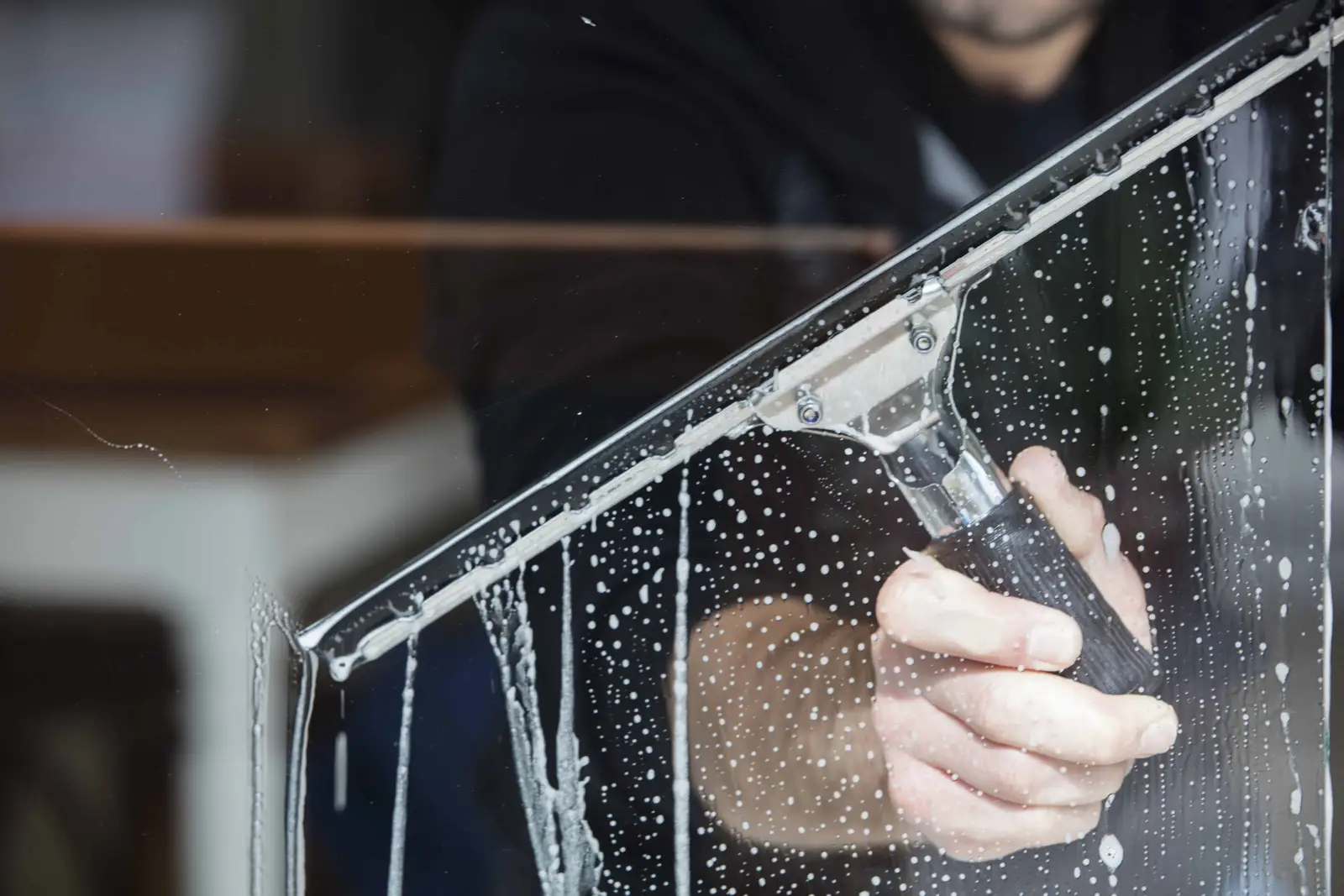
- Squeegee quickly and deliberately: Place your squeegee at the top corner and pull smoothly downward or horizontally across the pane, overlapping each pass by roughly two inches. Wipe the rubber blade dry with a lint-free rag after every single stroke.
- Dry perimeter edges immediately: Run a completely dry waffle-weave microfiber towel along the frame edges, sills, and weep openings to catch runoff before droplets can freeze into icicles.
Working in small sections ensures you stay ahead of evaporation and cooling. If you are cleaning multi-lite or divided sash windows, clean one individual lite at a time using quick, precise squeegee strokes rather than wetting the entire frame at once.
Maintaining Frames, Tracks, and Weep Holes in Winter
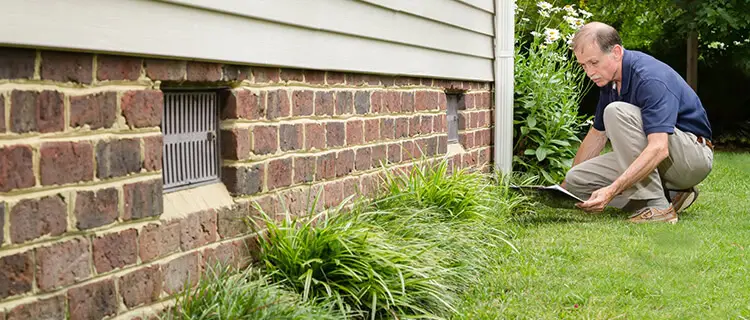
Vacuum lower tracks and clear sill weep holes before washing to prevent trapped runoff from freezing, expanding, and splitting vinyl window corners.
Cleaning the clear glass surface is only half the battle; neglecting window frames and bottom tracks can cause serious structural headaches. Window sill weep holes must remain clear so melting snow and cleaning runoff drain freely rather than freezing inside the frame assembly. Vinyl and aluminum replacement windows feature small exterior drainage slots designed to channel moisture away from internal frame chambers.
If dirt and fallen leaves clog these drainage channels, trapped water expands as it freezes, warping vinyl extrusions, splitting mitered corner welds, or degrading the primary seal of the insulated glass unit. A specialized vacuum attachment works best here. A wet/dry utility vacuum fitted with a crevice nozzle or small brush removes loose gravel, dead insects, and dried dirt from lower tracks faster and more effectively than wet wiping.
After vacuuming dirt deposits from tracks and sills, wipe down silicone or EPDM rubber weatherstripping with a damp cloth to remove grit. Apply a light coating of food-grade silicone spray or rubber conditioner to clean weatherstripping gaskets. This prevents rubber seals from sticking to frozen sashes and tearing the next time you open the window.
Cold-Weather Safety: Ladders, Poles, and Magnetic Tools
Winter ladder use introduces severe fall hazards that require strict safety precautions or smart workarounds. Exterior ground surfaces that appear dry often harbor thin layers of black ice that can kick out ladder feet instantly. Whenever possible, eliminate ladder work completely by using specialized reach equipment or working from inside your home.
A water-fed telescopic pole fitted with an anti-freeze wash dispenser allows you to clean second-story glass safely while keeping both feet on dry ground. If you own modern double-hung windows, utilize their built-in tilt latches. These mechanisms release the upper and lower sashes so they swing inward into your living room, letting you wash both glass faces comfortably in a heated environment.
For upper-floor apartment dwellers or tall, non-tilting picture windows, a magnetic window cleaner provides an efficient solution. Modern magnetic window cleaners feature twin matching housings: both halves contain absorbent microfiber cleaning pads, rubber squeegee blades, and protective edge bumpers. You place one module on the exterior glass and its mate on the interior surface, letting rare-earth magnets lock them together through the pane so moving the interior handle cleans both sides at the same time.
When you cannot avoid ladder work, anchor the ladder feet on dry plywood boards fitted with non-slip rubber grips, clear all snow down to bare asphalt or concrete, and secure the top rungs directly to the building eaves using heavy-duty tie-off straps. Never handle metal ladder rungs without insulated, high-grip gloves, which prevent cold-induced loss of grip strength.
Interior Winter Glass Care and Condensation Control
Learn simple ways to arrange your living spaces and keep interior window sills clutter-free this winter.
While exterior panes endure harsh environmental conditions, interior glass faces heavy exposure to household pollutants, airborne cooking oils, furnace soot, and constant moisture. Indoor humidity settling against cold glass creates cloudy mineral deposits and promotes mildew growth along the lower sash beads. Keep interior glass sparkling and clear with a gentle spray of diluted isopropyl alcohol or basic vinegar solutions.
Interior dusting requires the same careful preparation as outside work. Run a vacuum brush attachment or static duster across blinds, drapery panels, and window casings before applying any spray. For clever seasonal tips on maintaining an orderly, dust-free interior layout, check out these neat DIY organization ideas.
To reduce persistent interior glass condensation throughout freezing weeks, run kitchen and bathroom exhaust fans for at least twenty minutes after showering or cooking. Keeping your home’s central HVAC fan circulating and cracking interior window blinds slightly at night lets warm room air reach the lower corners of the glass, preventing stagnant, chilly air pockets from dropping below the dew point.
When to Hire a Professional Winter Window Cleaner
Cleaning windows yourself can be satisfying, but extreme conditions or architectural complexities often call for professional service. Multi-story homes, steep grade lines, historical glass, or sub-zero exterior temperatures demand equipment and training beyond typical DIY tools. Professional window cleaners use commercial, heated pure-water delivery systems and specialized anti-freezing detergents that leave glass pristine without freezing risks.
Professional services also carry essential liability insurance and safety rigging, protecting homeowners from dangerous cold-weather ladder accidents. If you need smart ideas for handling household tasks when kids are home for winter break, look at these clever home hacks to keep your family organized while the pros tackle the heights.
When selecting a winter cleaning service, request a clear, written estimate that details their safety protocols for freezing temperatures. Confirm that their technicians carry commercial general liability and workers’ compensation coverage, and make sure their plan includes cleaning weep holes and drying sill assemblies rather than just wiping the center glass.
Conclusion
Maintaining bright, crystal-clear windows throughout the winter months protects your home’s building envelope, keeps views crisp, and maximizes daylight when you need it most. By matching your washing schedule to midday warmth, avoiding hot-water thermal shock, and using an alcohol-based anti-freezing formula, you can clean winter glass safely and effectively. Take the time to clear weep holes and inspect perimeter seals, and you will enjoy brighter, more comfortable interior spaces all season long.