7 Ideas to Put a Home Remodel Loan to Good Use for Your Airbnb
A well-executed aesthetic transforms an ordinary listing into an irresistible getaway that commands premium nightly rates and books out months in advance. Yet financing those upgrades requires more than design vision; it demands a clear financial strategy that aligns the cost of borrowing with your projected revenue gains.
Whether you want to modernize a tired kitchen, build a backyard spa retreat, or add an extra bathroom to accommodate larger groups, finding the right capital is the essential first step. Taking out a home remodel loan for an Airbnb can dramatically accelerate your business growth if the debt service is outweighed by your increase in occupancy and average daily rate. In this guide, you will learn how to compare the best short-term rental financing options, calculate your true renovation return on investment, navigate local municipal rules, and invest your funds into the highest-yield architectural and interior upgrades.
Quick Renovation Summary
- Match your loan type to your project scope by choosing a revolving HELOC with a typical 10-year draw period for phased remodels, cash-out refinancing for full overhauls, or DSCR loans for portfolio expansion.
- Ensure that your projected average daily rate bump comfortably exceeds your monthly debt service, increased utility bills, and higher property tax assessments.
- Check municipal short-term rental ordinances and secure all required building permits before borrowing to avoid hefty fines or invalidated insurance policies.
- Target high-yield interior renovations first, particularly adding a full or half bathroom to unlock multi-family group bookings that command premium rates.
- Boost off-season booking volume by adding high-search-volume outdoor amenities like a covered pergola or a private hot tub.
How to Choose a Home Remodel Loan for an Airbnb and Maximize Your ROI
Understanding Short-Term Rental Financing Options
Select your financing mechanism based on project scope: use a HELOC for phased renovations, cash-out refinancing for major structural overhauls, and DSCR loans when borrowing against future rental cash flow rather than personal income.
Traditional mortgage lenders often evaluate properties based solely on long-term residential value, meaning standard home renovation programs do not always cater to the unique operational realities of vacation rentals. Before you sign any paperwork, you need to understand the distinct lending instruments available to hosts, from equity-backed loans to commercial products tailored specifically to income-producing real estate.
Because there is no single government-backed program labeled as an Airbnb renovation loan, real estate investors generally leverage one of four primary financing pathways to fund substantial property transformations.
Home Equity Line of Credit (HELOC)
A HELOC for an Airbnb remodel is one of the most flexible tools available if you have substantial equity in either the rental property or your primary residence. It works like a revolving credit card with a set borrowing limit and an initial draw period, typically ten years, during which you only pay interest on the balance you use. This structure allows you to draw funds incrementally as renovation phases wrap up and contractor invoices come due, preventing you from paying interest on unused cash while your property undergoes construction.
Cash-Out Refinancing
A cash-out refinance replaces your existing mortgage with a new, larger loan, giving you the difference in a lump-sum payment of cash. If you currently hold a mortgage with unfavorable terms, refinancing can offer dual benefits by restructuring your primary debt while supplying capital for comprehensive structural renovations. Even saving just 1% on your interest rate can save you hundreds of thousands of dollars depending on the amount of your loan, freeing up vital operating cash flow for your hospitality business.
DSCR Rehab Loans
Debt-Service Coverage Ratio (DSCR) rehab loans are purpose-built for real estate investors. Instead of scrutinizing your personal W-2 income, tax returns, or employment history, DSCR lenders evaluate the property’s projected gross rental income against its anticipated annual debt obligations. Many private lending institutions offer DSCR products that include a dedicated renovation holdback facility, allowing hosts to finance both the acquisition and the complete renovation of an underperforming property based on its future stabilized value.
Unsecured Personal Home Improvement Loans
If you lack substantial home equity or prefer not to pledge your real estate as collateral, an unsecured personal loan provides an alternative. These loans offer rapid funding timelines, often depositing cash within days rather than the weeks required for appraisal-heavy mortgages. However, they carry shorter repayment terms and higher interest rates, making them suitable primarily for mid-tier cosmetic facelifts, such as comprehensive interior repainting, designer lighting fixtures, or premium furnishings.
| Financing Option | Best For | Collateral Required | Repayment Structure |
|---|---|---|---|
| HELOC | Phased renovations and ongoing updates | Property equity | Variable rate; interest-only draw period |
| Cash-Out Refinance | Large single-phase structural renovations | Property equity | Fixed or variable monthly mortgage payment |
| DSCR Rehab Loan | Income-focused hosts scaling their portfolio | Investment property | Interest-only during rehab, then amortized |
| Unsecured Personal Loan | Quick cosmetic updates and high-end furnishing | None (credit-based) | Fixed monthly installment over 3 to 7 years |
Calculate Your True Return on Renovation Investment
Calculate real net cash yield by projecting how new debt service, reassessed property taxes, and utility spikes will balance against your conservative off-season occupancy and nightly rate increases.
Before allocating a single dollar of your loan toward contractors, you must forecast the precise financial return that each project will produce. A successful short-term rental renovation should directly move the needle on either your Average Daily Rate (ADR) or your annual occupancy rate. Upgrading finishes simply to satisfy personal taste without analyzing comparable listings in your local sub-market can leave you saddled with monthly loan payments that eat away your margins.
When evaluating high ROI Airbnb renovations, calculate your net cash yield rather than just gross booking projections. To arrive at a realistic figure, factor in the hidden downstream expenses that accompany major property transformations:
- Debt Service Overhead: Calculate your monthly principal and interest payment across the loan term, and ensure that your conservative off-season revenue comfortably covers this expense.
- Property Tax Reassessments: Any decent remodeling job will increase your home’s value, which will increase your property taxes once municipal assessors update their records.
- Utility and Operational Consumption: Additions such as heated swimming pools, hot tubs, or expanded central air systems permanently increase monthly utility expenses.
- Wear and Tear Depreciation: High-traffic rentals experience accelerated wear on surfaces, demanding a dedicated reserve fund for routine touch-ups and maintenance.
By contrasting these projected operational expenses against your target ADR bump, you can readily separate vanity projects from functional upgrades that generate dependable cash flow.
Essential Regulatory, Permitting, and Zoning Checks
Before borrowing funds or signing contractor agreements, verify that your local jurisdiction permits your planned operational model. Municipalities across the country regularly revise their short-term rental ordinances, zoning regulations, and licensing caps. Borrowing thousands of dollars to construct an accessory dwelling unit or convert a garage into a rental suite turns into a liability if your city bans non-owner-occupied rentals or limits annual operating nights.
Consult with your local building and zoning department to clarify permit requirements for structural, plumbing, and electrical modifications. Unpermitted renovation work can void your homeowner’s insurance policy, trigger steep municipal fines, and prevent you from securing a Certificate of Occupancy. Furthermore, check whether your property sits within a Homeowners Association (HOA) or historic preservation district, both of which enforce strict architectural rules regarding exterior elevations, materials, and rental duration limits.
High-Yield Interior Renovations That Drive Bookings
Prioritize functional architectural upgrades like adding an extra bathroom or installing scratch-resistant quartz surfaces over fragile cosmetic luxury, as guest capacity drives the strongest rate gains.
The interior architecture of your vacation rental sets the backdrop for the photographs that sell your space online. If you want to improve the appeal of your rental, focus your borrowed capital on architectural enhancements that solve practical travel problems while delivering visual impact.
Add a Bathroom to Maximize Guest Capacity
One of the highest-yielding investments you can make with a remodel loan is reconfiguring unused floor space to add a full or half bathroom. A property that sleeps eight guests but only features a single bathroom creates severe bottlenecks that hurt guest reviews and suppress pricing power. Adding an ensuite or converting an oversized closet into a chic powder room increases guest convenience and allows you to market your listing to multi-family traveling groups who pay top-tier rates.
Upgrade to Durable, Commercial-Grade Kitchen Surfaces
Vacation rental kitchens endure rigorous use from diverse guests who may not treat finishes with the same care they would show in their own homes. Replace delicate marble surfaces or peeling laminate with non-porous quartz countertops that resist heat, scratches, and stubborn wine or oil stains. Pair these surfaces with solid wood cabinetry featuring soft-close hinges, heavy-duty commercial pulls, and commercial-grade under-mount stainless steel sinks to ensure longevity and elevate the space’s visual presentation.
Expand Daylight with Architectural Glazing
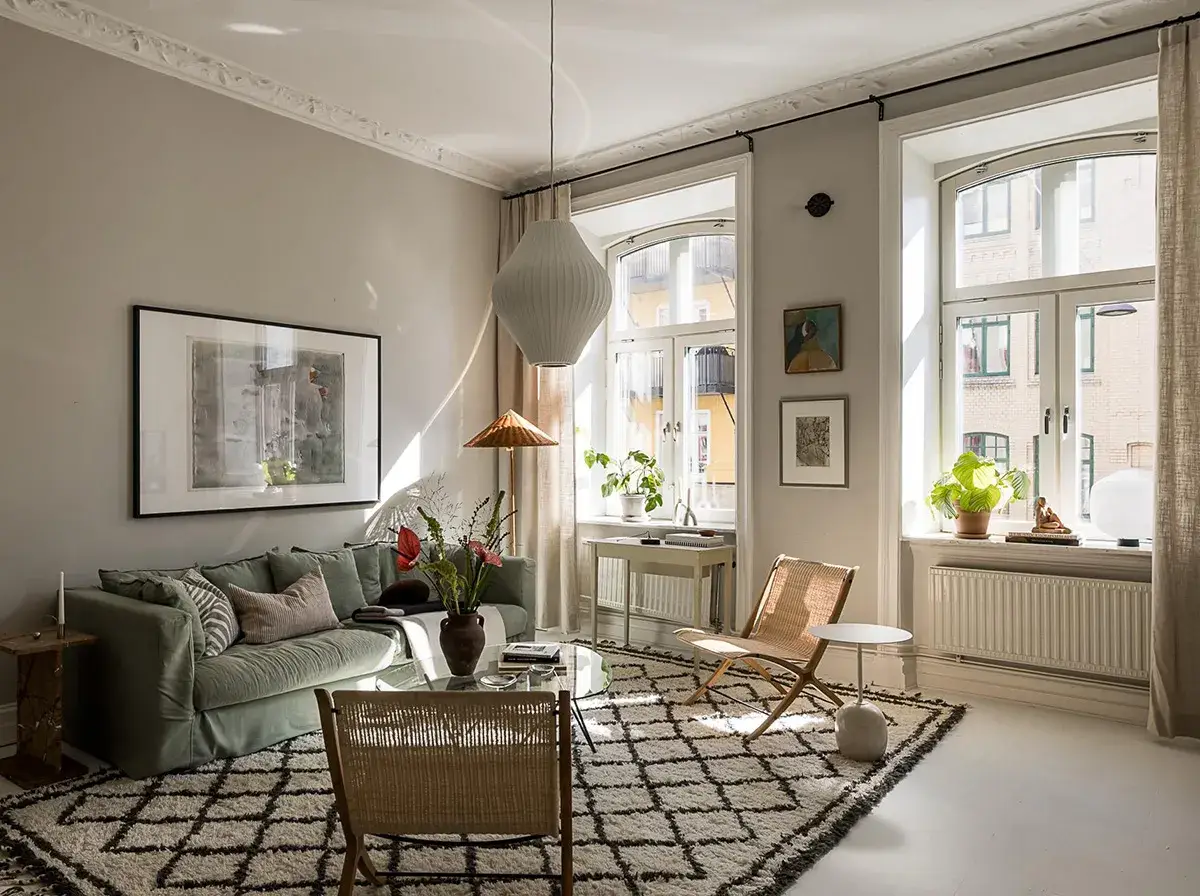
Natural illumination instantly elevates perceived interior volume, creating bright, welcoming rooms that photograph exceptionally well for online listings. If your layout feels dim or claustrophobic, allocate renovation capital toward opening up exterior walls with floor-to-ceiling windows, clerestory glazing, or sliding glass door systems. Plentiful daylight enhances spatial quality, promotes positive mood, and makes modest square footage appear substantially larger in listing photo galleries.
Engage an Interior Designer for Strategic Color and Decor
A fresh coat of paint delivers tremendous visual return per dollar spent, but thoughtful color placement requires professional curation. Engaging an interior designer helps you develop a cohesive chromatic story tailored to vacation living. Because guests visit for temporary retreats rather than permanent residency, subtle statement walls, tonal earthy palettes, or muted jewel tones create an immersive ambiance without feeling overwhelming.
Exterior Transformations and Outdoor Living Upgrades
A vacation rental’s exterior architecture and grounds are the first physical impression guests receive and often the primary setting for their vacation memories. Thoughtful outdoor living spaces effectively expand the usable square footage of your property without requiring the high cost of framing foundation walls.
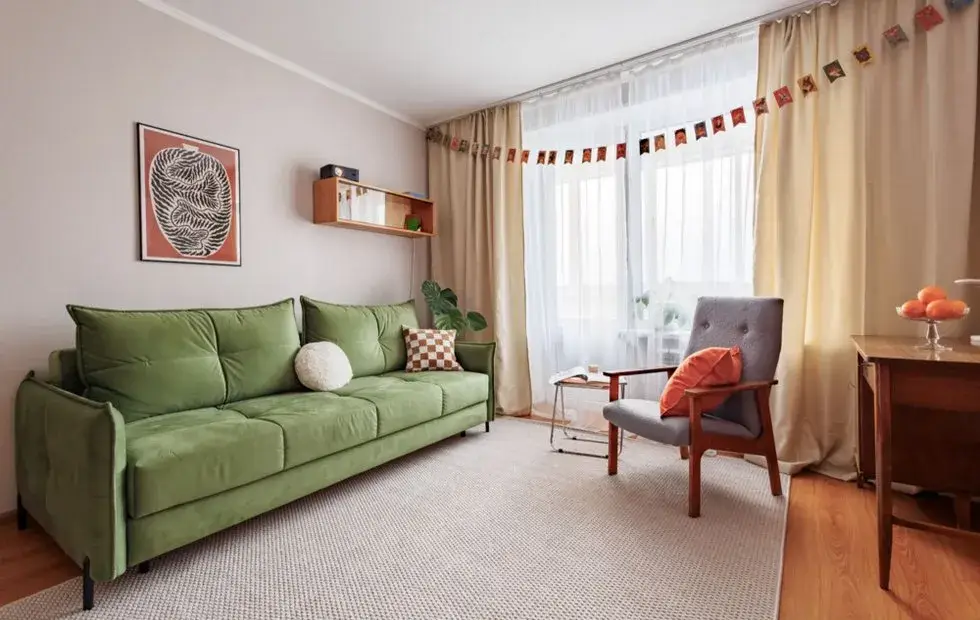
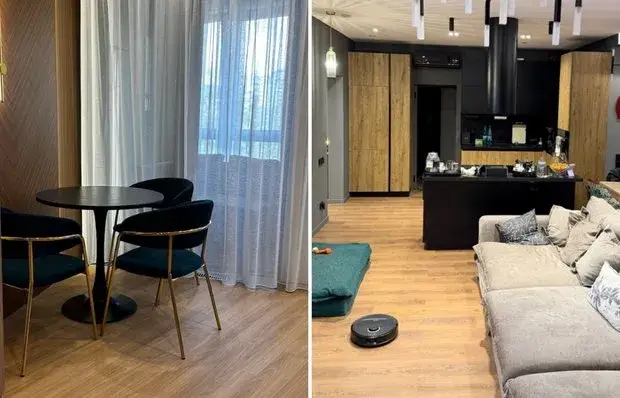
If your curb appeal feels flat or uninspiring, look through curated collections of pictures of beautiful Airbnb homes across diverse climates to observe how top hosts bridge the threshold between indoor and outdoor environments. Prioritize these strategic exterior enhancements:
- Professional Hardscaping and Pathways: Construct wide, smoothly graded flagstone or poured-concrete walkways illuminated by low-voltage landscape lighting, ensuring safe nighttime arrivals for travelers carrying heavy luggage.
- Four-Season Entertaining Zones: Build a covered cedar pergola equipped with an integrated propane fire pit, exterior ceiling fans, and weather-resistant outdoor lounge seating.
- Private Hydrotherapy and Wellness Amenities: Adding a dedicated cedar barrel sauna or a clean-lined modern hot tub remains one of the single most searchable amenities on booking platforms, driving off-season occupancy.
- Low-Maintenance Architectural Plantings: Select native perennial grasses, boxwoods, and drought-tolerant shrubs that maintain structural shape year-round without demanding continuous professional gardening.
Balance Niche Concept Design with Broad Aesthetic Appeal
When searching for design concepts, study images of the most in-demand Airbnb rentals to observe how high-performing properties balance personality with practical functionality. Successful listings showcase character through tactile materials like slatted oak coffee tables, handcrafted ceramic tiles, textured woven textiles, and sculpted light fixtures rather than disposable kitsch.
Some hosts achieve viral booking success by developing fully immersive, novelty stays akin to a bubble suite in Mexico or a renovated heritage wagon. However, constructing a radically unconventional stay involves significant structural commitments, complex zoning exemptions, and higher maintenance demands over the long haul.
Unless you possess specialized hospitality building experience and operate in a unique destination market, simple, elegant remodels rooted in local materials and regional vernacular architecture generally deliver more consistent long-term cash flow. A well-proportioned mountain cabin with clean Scandinavian lines or a coastal cottage with bleached white oak floors appeals to a vast cross-section of paying guests across all seasons.
Back Your Renovation with Hospitality Essentials
Even the most exquisite architectural renovation will fall flat if the operational and tactile details of the guest experience are neglected. As you allocate your borrowed funds, reserve a dedicated portion of your budget for the sensory touchpoints that turn first-time guests into repeat visitors.
Invest in hospitality-grade pocket-spring mattresses, 100% long-staple cotton bed linens, plush bath sheets, and blackout drapery that ensure deep, restorative sleep. Pair these amenities with an intuitive keyless entry system, high-speed mesh Wi-Fi network hardware, and an understated, well-organized coffee station. Seamless hospitality infrastructure protects your investment by ensuring that your physical remodel translates into glowing five-star reviews and elevated ranking algorithms.
Smart Financing Leads to Sustainable Hospitality Returns
Financing vacation rental upgrades through a home remodel loan provides the leverage needed to turn an average listing into a premier regional destination. By matching the appropriate financing structure to clear, high-yield architectural improvements, you protect your cash flow and build long-term real estate equity.
Take the time to evaluate local building codes, obtain necessary municipal permits, and run disciplined return calculations on every design proposal. When you couple structural craftsmanship and durable materials with responsive hospitality, your newly renovated Airbnb will consistently generate the high occupancy and premium rates required to comfortably service your debt and deliver strong, sustainable profits.