Commercial Property Maintenance Tips
Maintaining a commercial building is one of the most critical responsibilities you face as a commercial property owner, facility manager, or real estate investor. A structured commercial property maintenance plan preserves asset valuation, curbs operating expenses, and keeps tenants satisfied over long lease cycles. Whether your goal is commanding top-tier rental rates, preparing an asset for a lucrative disposition, or simply safeguarding an owner-occupied facility from catastrophic repair bills, consistent maintenance is the foundation of sound commercial real estate management.
In this guide, we break down essential commercial building maintenance strategies into practical operational frameworks. You will learn the financial realities of preventive versus reactive maintenance, critical system-by-system maintenance routines, building compliance requirements, lease division structures, and a seasonal maintenance checklist tailored to protect your investment year-round.
Key Property Takeaways
- Routine preventive maintenance eliminates emergency contractor premiums and extends building asset lifespans.
- Inspect commercial HVAC systems quarterly and clean coils annually to sustain heating and cooling efficiency.
- Conduct annual backflow prevention tests, thermal electrical imaging, and fire suppression system recertifications for legal compliance.
- Keep unoccupied building suites tempered above 55 degrees Fahrenheit in winter to stop hidden plumbing lines from freezing.
- Budget between $1.00 and $3.00 per square foot annually for operating maintenance alongside dedicated capital reserve contributions.
- Implement a digital CMMS platform to automate service dispatches, track equipment warranties, and monitor lifecycle repair costs.
Commercial Property Maintenance Tips: A Strategic Guide to Protecting Asset Value
Preventive vs. Reactive Maintenance: Protecting the Bottom Line
Routine preventive upkeep costs far less than emergency breakdown repairs, protecting your operating budget from overtime labor rates and business interruptions.
Operating a commercial facility under a run-to-failure mindset creates severe financial volatility that erodes net operating income. Proactive, preventive maintenance costs significantly less over an asset lifecycle than emergency reactive repairs. When an essential building system breaks down unexpectedly, you face after-hours contractor surcharges, expedited equipment shipping fees, disrupted tenant operations, and potential lease disputes.
Industry research shows that every dollar invested in planned, scheduled maintenance prevents substantial unplanned capital outlay down the road. Addressing deferred maintenance early keeps smaller mechanical and structural issues from escalating into major structural remediation or premature system replacement.
| Maintenance Approach | Operational Strategy | Cost Impact | Equipment Longevity | Tenant Experience |
|---|---|---|---|---|
| Reactive (Break-Fix) | Repairs initiated only after complete equipment breakdown or failure. | Highest total cost due to emergency contractor labor, expediting fees, and tenant disruption. | Shortened equipment lifespans caused by unaddressed friction, wear, and stress. | High friction, frequent complaints, business interruptions, and early departures. |
| Preventive (Scheduled) | Regular, calendar-based inspections, tune-ups, filter swaps, and fluid checks. | Predictable, lower operating expenses with stable annual budget allocation. | Maximizes equipment lifespan to reach or exceed manufacturer life expectancy. | Stable indoor climate, consistent utility delivery, and high renewal satisfaction. |
| Predictive (Data-Driven) | Sensor monitoring, vibration analysis, and thermal scans via CMMS platforms. | Optimized parts replacement cycles, targeting capital directly where component wear is verified. | Extends high-value equipment performance by eliminating unnecessary tear-downs. | Near-zero unexpected downtime for critical tenant services. |
System-by-System Commercial Facility Maintenance Checklist
To keep operations manageable, facility teams must organize building tasks by core mechanical and architectural systems. Structuring your maintenance program across core building systems ensures that no vulnerable structural or mechanical component gets overlooked. We recommend standardizing audits across the following four primary building assemblies.
Commercial HVAC Systems and Indoor Air Quality
Heating, ventilation, and air conditioning equipment represents one of the largest capital investments in any commercial building. Quarterly HVAC inspections identify failing blower belts, dirty coils, and refrigerant imbalances before they trigger compressor burnouts.
- Inspect and replace commercial air filters quarterly, or monthly during heavy pollen and high-particulate seasons, using the proper MERV rating specified by system engineers.
- Clean evaporator and condenser coils annually to sustain heat transfer efficiency and prevent compressor strain.
- Lubricate motors, check fan belt tension, clear condensate drain pans, and inspect electrical contacts for pitting or arcing.
- Calibrate digital building thermostats, zone dampers, and integrated energy management systems before peak heating and cooling seasons.
Roofing and Building Envelope Integrity
The exterior envelope and roof membrane protect your structural framing, interior finishes, and tenant inventories against water intrusion. Semi-annual roof and envelope assessments prevent microscopic membrane punctures from degrading insulation and rotting structural decking.
- Inspect single-ply membranes (such as TPO or EPDM) or built-up roofing for seam separation, bubbling, punctures, and standing ponding water forty-eight hours after heavy rain.
- Clear debris, leaves, and silt buildup from roof scuppers, parapet gutters, downspouts, and internal drains.
- Examine parapet wall flashings, coping joints, expansion joints, and counterflashings around rooftop mechanical curbs.
- Inspect building masonry, concrete panels, and exterior insulation finishing systems (EIFS) for hairline settlement cracks, checking joint caulking and sealants for embrittlement.
Commercial Plumbing and Backflow Systems
Water leaks in commercial assets can cause extensive physical damage, mold growth, and business downtime across multiple floors. Regular plumbing checks safeguard your property against hidden pressure line ruptures and sanitary drain backups.
- Schedule annual municipal backflow preventer testing by a certified technician to protect potable water systems and maintain local code compliance.
- Inspect commercial water heaters, expansion tanks, and circulation pumps for scale buildup, pressure relief valve weeping, and corrosion.
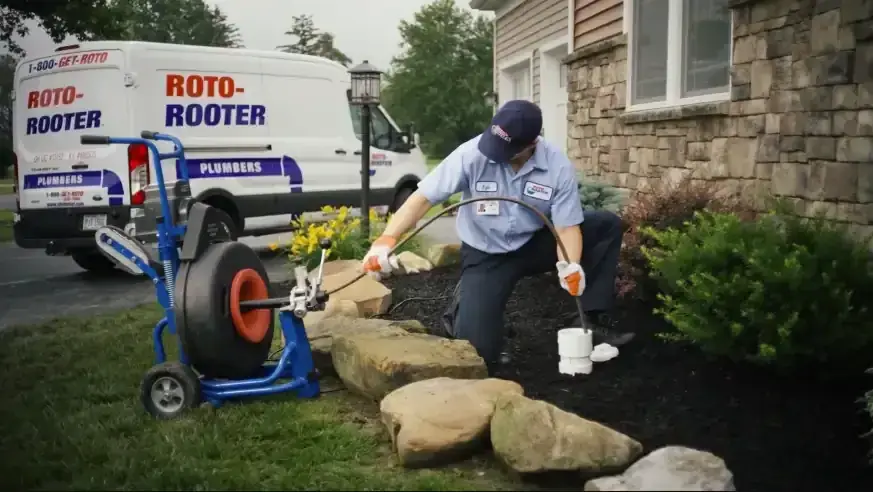
- Conduct routine line snaking and camera inspections on main sanitary drains, kitchen grease lines, and floor drains.
- Audit commercial restrooms for slow-running valves, faulty sensor-operated flushometers, and pipe sweating that indicates insulation decay.
Electrical Infrastructure and Lighting Controls
Modern commercial operations demand safe, uninterrupted electrical supply and energy-efficient lighting. Routine electrical testing lowers fire hazards, minimizes utility waste, and ensures adequate emergency lighting during utility disruptions.
- Perform thermal infrared imaging on primary distribution panels, switchgear, and circuit breakers annually to detect loose connections and hot spots.
- Test emergency battery-backup lighting, illuminated exit pathways, and exterior security lighting monthly to verify battery autonomy.
- Inspect outdoor security lighting fixtures, parking lot pole lights, and dusk-to-dawn photocells or digital astronomical timers.
- Verify surge protection devices and conduct routine run-tests on emergency backup diesel or natural gas generators under load.
Commercial Building Safety and Compliance Checks
Facility maintenance goes far beyond mechanical efficiency; it dictates your regulatory standing and legal liability. Maintaining strict compliance with local life safety, fire prevention, and accessibility codes shields property owners from costly citations and premises liability claims.
Every commercial facility must balance multiple regulatory frameworks that govern public access, environmental health, and occupant safety. We recommend incorporating regular regulatory audits into your standard operating procedures:
- Life Safety and Fire Suppression: Coordinate annual fire sprinkler riser inspections, semi-annual kitchen hood suppression testing, and annual fire extinguisher hydrostatic tests and recharges by licensed contractors.
- Fire Alarm and Detection Systems: Schedule annual smoke detector sensitivity testing, duct smoke detector checks, manual pull station verification, and central station monitoring link audits.
- ADA Accessibility Standards: Inspect accessible parking spaces, paint striping, truncated dome tactile pavers, curb ramps, access corridors, and entrance door opening pressure against current Americans with Disabilities Act standards.
- Elevator and Conveyance Licensing: Complete certified state and municipal elevator inspections, test emergency communication phones, and maintain mandatory safety brake drop tests.
Seasonal Maintenance Checklist for Commercial Properties
Scheduling maintenance by season ensures heating, cooling, roofing, and grounds are audited before weather extremes trigger critical building failures.
Weather extremes put distinct pressures on commercial building components throughout the year. When you segment facility tasks by season, maintenance becomes an orderly operational routine rather than a frantic scramble.
Fall Maintenance
Fall presents the ideal window to prepare mechanical systems, thermal envelopes, and roofs before freezing temperatures arrive.
- Inspect the roof: Inspect the roof membrane, drainage scuppers, and flashings thoroughly to ensure your property remains insulated and protected against heavy snowfall and freeze-thaw cycles. We recommend partnering with industrial roofing contractors for detailed photographic inspections.
- Inspect your HVAC systems: Commission a comprehensive furnace and boiler tune-up before winter heating demand begins. Checking burners, pilot assemblies, and heat exchangers early avoids costly off-hours emergency repair calls when temperatures plummet.
- Insulate your pipes: Insulate exposed exterior pipes, backflow assemblies, and unheated riser rooms to ensure plumbing lines withstand upcoming frigid weather conditions.
- Winterize exterior irrigation: Blow out landscape sprinkler systems with compressed air, shut off isolation valves, and drain outdoor hose bibbs.
Winter Maintenance
Winter brings severe weather challenges across freezing and temperate climates alike. During cold weather months, commercial maintenance centers on active snow and ice mitigation alongside envelope thermal integrity.
- Clear snow and manage ice: Establish clear contracted service triggers with professional snow removal crews for parking lots, loading bays, ADA walkways, and building entrances to minimize slip-and-fall hazards.
- Inspect weatherstripping and insulation: Verify door sweeps, vestibule seals, and window perimeter caulking to eliminate drafty air infiltration and lower heating utility consumption.
- Monitor indoor temperature and pipe runs: Keep unoccupied tenant suites tempered above 55 degrees Fahrenheit to prevent concealed wall piping from freezing during polar snaps.
- Protect entryway flooring: Install high-traction walk-off mats in lobbies to capture wet slush, road salts, and abrasives that strip polished terrazzo, tile, or luxury vinyl flooring.
Spring Maintenance
Spring is the season to assess winter storm wear, refresh exterior curb appeal, and prep cooling equipment for rising heat.
- Get the windows cleaned: Professional interior and exterior window cleaning restores curb appeal, allows maximum natural daylight to enter tenant suites, and removes acidic winter grime.
- Pressure wash hard surfaces: Wash sidewalks, parking garages, dumpster corrals, and loading docks to eliminate built-up road salt, oil stains, and winter grime that degrade concrete surfaces over time.
- Inspect parking surfaces and striping: Repair asphalt potholes caused by freeze-thaw cycles and restripe faded stall lines and handicap markings.
- Assess landscape drainage: Clear storm drainage basins, verify retention pond outflow pipes, and refresh mulch beds away from siding to avoid water pooling against foundation slabs.
Summer Maintenance
High temperatures test the limits of commercial cooling systems and expose building exteriors to intense solar radiation.
- Maintain commercial chillers and rooftop units: Monitor chiller loop pressures, clean condenser fan blades, and clear dust accumulations to prevent high-pressure compressor cutouts during summer heat waves.
- Clean gutters and roof drainage channels: Remove accumulated springtime seeds, leaves, and organic sediment from gutters and drainage pipes to prevent sudden summer cloudbursts from backing up under roof counterflashings.
- Conduct professional pest control inspections: Schedule comprehensive pest inspections, as insect and rodent activity spikes during warmer summer months, sealing potential building perimeter entry points.
- Plan exterior building repainting: Most commercial building exteriors require repainting every 5 to 7 years rather than annually. When scheduling painting or sealant application, choose mild, overcast days with moderate temperatures, because excessive direct summer heat and blazing sunlight cause exterior paint to dry too quickly, preventing proper bonding and causing premature blistering, peeling, and cracking.
Financial Planning: Budgeting Formulas, Capital Expenditures, and Reserve Funds
Allocate $1.00 to $3.00 per square foot annually for general operational upkeep, and commission a professional reserve study every 3 to 5 years for CapEx planning.
A maintenance program requires dependable financial backing to remain sustainable over decades of operation. Sound commercial asset management pairs day-to-day operating maintenance accounts with dedicated capital expenditure reserve funds.
To establish baseline annual maintenance allocations, commercial property managers and appraisers frequently apply established financial rules of thumb:
- The Square Footage Method: Budgeting between $1.00 and $3.00 per square foot annually for general operational maintenance, scaled up or down according to the property’s age and use classification (e.g., medical and industrial facilities demand higher operational allowances than dry storage warehouses).
- The Percentage of Value Rule: Allocating 1% to 2% of total building replacement value annually into an integrated maintenance and repair fund.
- Capital Expenditure (CapEx) Reserves: Commissioning a professional reserve study every three to five years to forecast large-scale system lifecycles (such as roof replacement, elevator modernization, and chiller overhauls), setting aside dedicated monthly reserve contributions.
Clarifying Maintenance Responsibilities in Commercial Leases
One of the most frequent friction points in commercial real estate stems from misunderstandings surrounding maintenance duties. Drafting explicit lease language outlining who fixes, replaces, and services each building component eliminates operational disputes between landlords and tenants.
Commercial lease structures allocate maintenance duties in several distinct ways:
- Full-Service Gross Leases: The landlord handles all maintenance, repairs, utility upkeep, and property operations, passing estimated costs into the base rent structure.
- Triple Net (NNN) Leases: The tenant pays base rent plus their proportionate share of property taxes, building insurance, and common area maintenance (CAM). Tenants often service their interior mechanical equipment, while the landlord manages structural walls, foundation, and roof replacements.
- Modified Gross Leases: Responsibilities are divided by mutual agreement. For example, the landlord may cover roof and exterior maintenance, while the tenant assumes responsibility for interior plumbing, lighting, and routine HVAC maintenance agreements.
We strongly recommend pairing every commercial lease with a precise maintenance responsibility matrix that establishes dollar limits, approved vendor lists, and warranty compliance protocols before tenant occupancy begins.
Modernizing Facility Operations with CMMS Technology
Relying on paper logs, whiteboards, or disjointed spreadsheets to run a commercial property leads directly to missed service intervals and poor vendor oversight. Implementing a modern Computerized Maintenance Management System (CMMS) digitizes facility upkeep into a transparent, auditable process.
A modern CMMS platform streamlines facility management by delivering key operational benefits:
- Automated Work Order Dispatch: Automatically routes tenant service requests directly to internal technicians or designated third-party trade contractors.
- Asset Lifecycle Tracking: Stores digital operation manuals, equipment serial numbers, warranty documentation, and historical maintenance logs for every rooftop unit, pump, and electrical panel.
- Preventive Maintenance Calendars: Triggers automated inspection reminders based on run-hours or calendar intervals, ensuring routine filter swaps, safety tests, and fluid flushes occur on time.
- Financial Reporting: Monitors maintenance expenses against budgeted allocations in real time, giving property owners actionable visibility into which components cost more to repair than replace.
Sustaining Long-Term Value in Commercial Properties
Approaching commercial property maintenance as a scattered collection of emergency repairs will quickly lead to operational chaos, ballooning budgets, and frustrated tenants. By shifting your strategy toward structured preventive maintenance, standardizing seasonal routines, monitoring regulatory compliance, and adopting digital tracking tools, you turn facility care into an asset-building engine.
We encourage you to audit your property’s maintenance schedule today. Identify any deferred repairs, clarify maintenance obligations in current tenant leases, and ensure you have dedicated reserve funds in place. Consistent, systematic maintenance preserves the architectural integrity of your building and secures strong rental income and asset appreciation for years to come.