5 Amazing Outdoor Furniture Trends and Ideas
https://pixabay.com/photos/backyard-chairs-leisure-garden-1474128/
The boundary between interior architecture and open-air living has officially dissolved. When you step out onto your patio, terrace, or backyard deck today, you expect the exact same caliber of comfort, beauty, and craftsmanship that you enjoy in your primary living room. An outdoor setup is no longer just a pair of fold-up chairs and a generic plastic table; it is an authentic architectural extension of your home.
Key Takeaways
- Treat your outdoor patio as a true living room by selecting deep-seated lounge pieces with reticulated quick-dry foam cushions and curved silhouettes.
- Invest in modular outdoor sectionals that adapt to any gathering, and always maintain at least 3 feet of walkway clearance around your furniture perimeter.
- Replace fragile traditional wicker with weather-resistant high-density polyethylene resin or marine-grade rope woven over aluminum frames.
- Choose long-lasting materials suited to your local climate, such as naturally weather-resistant Grade-A teak or rust-proof powder-coated aluminum.
- Upgrade your palette with rich earth tones like terracotta, moss green, and textured sand using solution-dyed acrylic performance fabrics.
Outdoor Furniture Trends: Inspiring Ideas for Modern Outdoor Living
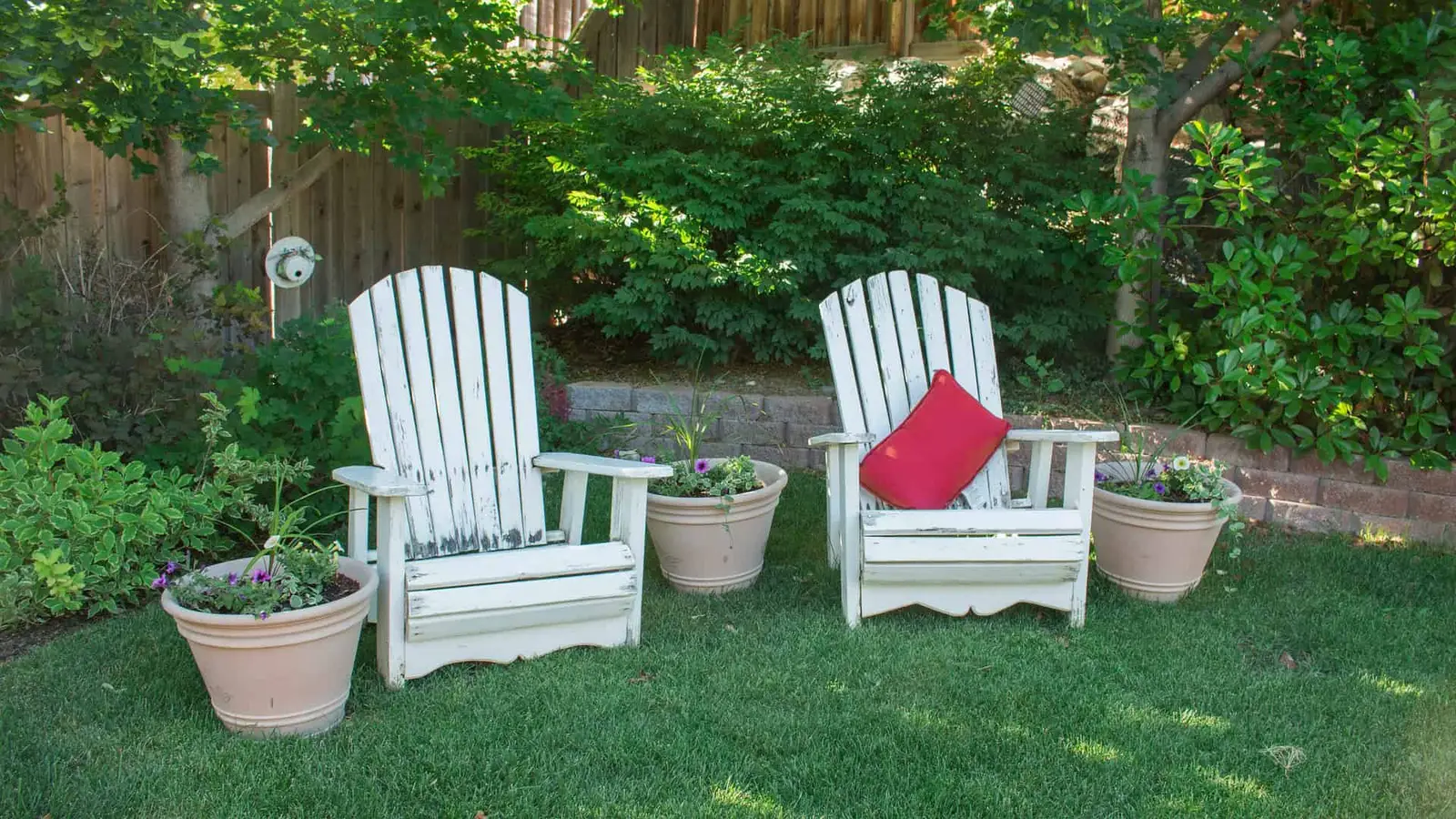
In this guide, we explore the leading outdoor furniture trends shaping contemporary exterior design, from sculptural silhouettes and adaptable modular sectionals to climate-resilient sustainable materials and earthy, grounding color palettes. Whether you are furnishing a sprawling garden veranda or styling a compact urban deck, these ideas will help you balance everyday durability with effortless elegance.
The Seamless Transition: Blurring Indoor and Outdoor Living
Modern residential architecture treats patios and courtyards as natural progressions of the interior floor plan. By carrying consistent design languages, flooring elevations, and textural elements through large sliding glass pocket doors, we can create an uninterrupted visual flow that makes both the home and garden feel substantially larger.
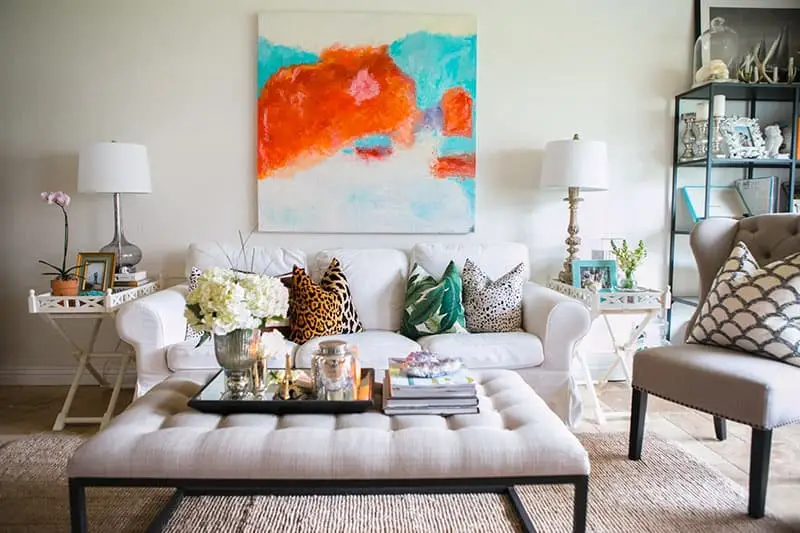
Living-Room Caliber Comfort
To achieve this seamless lifestyle, furniture makers now produce deep-seated lounge chairs, upholstered ottomans, and generous coffee tables engineered specifically for exterior environments. These pieces mirror the ergonomic support and plush cushioning previously reserved for indoor seating. Quick-dry reticulated foam inserts and solution-dyed textiles allow you to sink into deep cushions without worrying about internal mold or mildew after a summer rain shower.
Curved Forms and Organic Silhouettes
Sharp, aggressive geometric angles are yielding to softer, organic contours. Curved sectional backs, pebble-shaped stone cocktail tables, and rounded armchairs bring a relaxed cadence to exterior spaces. These fluid lines echo the surrounding landscape, softening the hard masonry walls, brick paving, and timber fencing common in residential yards.
Modular Patio Furniture and Flexible Sectionals
Choose modular sectionals with deep seats and quick-drying foam so you can easily reconfigure your layout for entertaining or quiet lounging.
Outdoor entertaining rarely follows a single, rigid script. One afternoon you might host a lively barbecue with neighbors, while the next evening calls for quiet lounging with a book, making modular seating an essential feature of modern exterior design.
A frequent misconception is that outdoor sectionals are cumbersome and rigid. In reality, sectional sofas comprise two or more separate, individual pieces that can easily be joined together or taken apart. This modularity gives you total control over your floor plan, allowing you to configure a generous L-shape for group conversations, separate the components into individual club chairs and benches, or tuck modules away when you need open floor space.
If you have an open terrace or an expansive pool deck, modular seating provides scale without feeling monolithic. Before investing, measure your outdoor space thoroughly to ensure you leave at least three feet of clear walkway around the perimeter for safe foot traffic and easy movement.
Reimagined Wicker and Woven Textures
Wicker has graced open-air verandas for generations, but modern interpretations leave behind the fragile, splinter-prone reed furniture of decades past. Current designs feature architectural proportions, minimalist metal understructures, and refined open-weave patterns that invite gentle breezes to pass right through.
For 2026, we see woven furnishings celebrated for their ability to add warmth and tactile depth to sleek concrete and stone patios. You can introduce this timeless style through high-backed club chairs, woven statement pendants, or tactile accents like chairs designed for outdoor comfort paired with low-profile matching side tables.
All-Weather Resin vs. Natural Rattan
While genuine natural rattan or split bamboo works beautifully in covered sunrooms, outdoor areas exposed to direct rain and sunlight require high-density polyethylene (HDPE) resin wicker. HDPE is non-toxic, fully recyclable, and infused with UV inhibitors that prevent cracking, fading, and peeling over years of seasonal exposure.
Woven Marine-Grade Rope Detailing
One of the freshest garden furniture trends involves weaving thick, marine-grade synthetic rope around powder-coated metal frames. This technique creates a light, airy look with exceptional tensile strength, giving dining chairs and sofa backs a bespoke, artisanal appearance that dries rapidly after storms.
Sustainable and Climate-Resilient Materials
Select materials matched to your climate: FSC-certified teak provides lasting beauty for rain and sun, while powder-coated aluminum offers rust-free longevity.
As homeowners prioritize environmental responsibility and long-term value, outdoor furniture trends are shifting decisively away from disposable plastic and cheap, chemically treated woods. Discerning designers look for low-maintenance materials that age gracefully under shifting weather conditions.
Selecting the right material requires understanding your local microclimate, seasonal storage options, and maintenance appetite. Choosing climate-appropriate materials ensures your investment maintains its structural integrity and visual appeal across every season.
| Material | Weather Resistance | Maintenance Level | Ideal Setting |
|---|---|---|---|
| FSC-Certified Teak | High (natural oils resist water, rot, and insects) | Moderate (annual oiling or natural silver patina) | Exposed decks, coastal regions, and garden terraces |
| Powder-Coated Aluminum | High (rust-proof, lightweight, UV-stable) | Low (mild soap and water wash down) | Modern patios, windy balconies, and poolside zones |
| High-Density Resin Wicker | High (impervious to moisture and sun fading) | Low (occasional hose-off and soft brush clean) | Transitional porches, verandas, and family spaces |
| Engineered Concrete & Terrazzo | Exceptional (heavyweight, windproof, durable) | Low to Moderate (seasonal sealer application) | Contemporary dining spaces and windy open terraces |
Responsibly Sourced Teak
Grade-A teak remains the gold standard for luxury exterior wood furniture. Its dense grain and natural abundance of protective oils allow it to endure torrential downpours and blazing summer sun without structural warping. You can preserve its honey-golden finish with annual oil applications or let it weather naturally into an elegant silvery-gray patina.
Powder-Coated Architectural Aluminum
For modern, streamlined silhouettes, powder-coated aluminum is unmatched. It does not rust, it can be finished in a spectrum of sophisticated matte hues, and its lightweight nature makes repositioning your layout simple whenever you rearrange seating for guests.
Resort-Style Lounging with Outdoor Daybeds
If you want to turn your patio into a private sanctuary dedicated to rest, quiet reading, and open-air naps, an outdoor daybed is an incomparable addition. Daybeds deliver a boutique resort atmosphere directly to your home, offering wide, supportive surfaces designed for effortless stretching and lounging.
Modern daybeds range from minimalist circular pods with integrated retractable fabric hoods to substantial teak platforms featuring overstuffed mattresses. When selecting a daybed, prioritize durable construction that includes quick-drying inner foams and solution-dyed acrylic covers. Because daybeds hold substantial fabric volume, look for models with easily removable, machine-washable slipcovers, and invest in custom waterproof protective covers for the rainy season.
Architectural Shade: Umbrellas and Pergolas
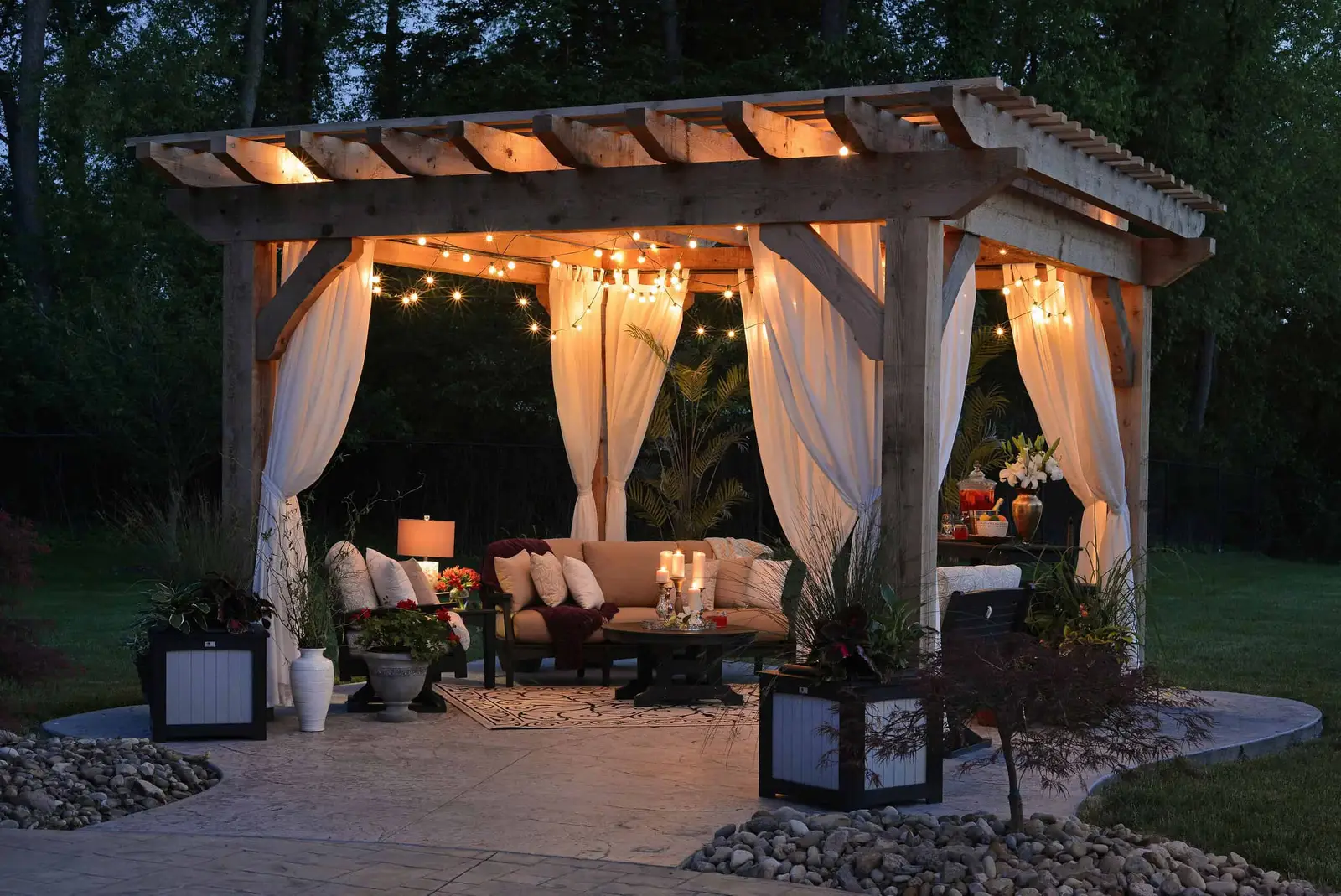
A well-appointed outdoor lounge loses its charm quickly if guests are squinting under harsh afternoon glare or baking in oppressive heat. Unfiltered direct sunlight causes painful sunburns and accelerates UV wear on furniture textiles, making functional shade an indispensable design pillar.
Modern shade solutions do far more than block the sun; they define distinct functional zones within your yard and introduce architectural height. Whether you choose a classic dining-table umbrella or a freestanding cantilever model, quality shade lets you enjoy your patio comfortably throughout the hottest midsummer hours.
Cantilever vs. Center-Pole Umbrellas
Center-pole umbrellas work well inserted directly through a dining table, but cantilever designs offer superior flexibility. By mounting the mast off to the side, a cantilever umbrella floats overhead without an obstructing central pole, making it ideal for shading deep-seating modular groups or sun loungers. High-end models feature multi-axis rotation, allowing you to tilt the canopy seamlessly as the sun tracks across the sky. For detailed sizing and mounting advice, consult this practical guide on patio umbrellas.
Built-In Overhead Enhancements
Modern shade structures frequently incorporate integrated LED strip lighting, ceiling-mounted infrared heaters, and automated louvered roofs. These functional upgrades transform daytime sun protection into an inviting evening canopy, extending your patio usability well into cooler autumn nights.
Outdoor Fabric and Color Trends for 2026
Anchor your outdoor room with nature-inspired earthy palettes like terracotta, sage, and oatmeal using solution-dyed fabrics that resist UV fading.
Gone are the days when exterior textiles were limited to stiff, scratchy canvas in monotone cool blues. Today, textile technology produces outdoor performance fabrics that rival high-end velvet, chenille, and linen in softness while delivering total resistance to water, chlorine, and UV degradation.
The current aesthetic leans toward rich, nature-inspired palettes that ground your exterior living area in its surrounding landscape. Warm terracotta, desert ochre, moss green, and creamy oat tones are dominating patio furniture trends this season. If you are decorating on a budget, simple DIY pillow swaps or reupholstering existing cushions using ideas from these simple DIY sofa ideas can instantly update your layout without the expense of full furniture replacement.
- Earthy Terracotta and Rust: Warm clay tones create an inviting, Mediterranean-inspired foundation that complements lush green garden foliage and warm timber decking.
- Sage, Olive, and Forest Green: Botanical greens harmonize effortlessly with your yard, producing a calm, restorative environment.
- Textured Sand, Oat, and Charcoal: High-texture neutral bases establish a timeless backdrop, allowing you to cycle accent pillows and throws seasonally.
Practical Planning: Balancing Scale, Climate, and Maintenance
Before purchasing furniture based on aesthetics alone, evaluate the practical realities of your site conditions and lifestyle. Even the most stunning sectional will prove frustrating if it overpowers your patio footprint or deteriorates under relentless exposure to coastal sea spray.
Start by auditing your available space and traffic paths. Ensure that dining chairs can pull back comfortably without striking balcony railings, and allow sufficient clearance around fire pits and doorways. For properties in high-wind corridors or open plains, avoid featherweight hollow plastic or ultra-light aluminum pieces that can shift or tip during storms; opt instead for solid hardwoods, cast metals, or weighted bases.
Finally, consider winter protection. If you live in an area prone to deep freezes and heavy snowfall, confirm that you have dedicated basement or shed storage, or purchase tailored, breathable furniture covers that prevent water pooling and ice expansion during the off-season.
Conclusion
Transforming your patio into a stylish, functional sanctuary is one of the most rewarding home improvements you can undertake. By embracing current outdoor furniture trends, such as adaptable modular sectionals, sculptural curves, climate-resilient sustainable materials, and warm, grounded color palettes, you can create an exterior living room that feels cohesive, welcoming, and built to last. Focus on high-performance materials tailored to your specific microclimate, balance scale with comfortable movement, and you will enjoy an inspiring outdoor retreat for years to come.