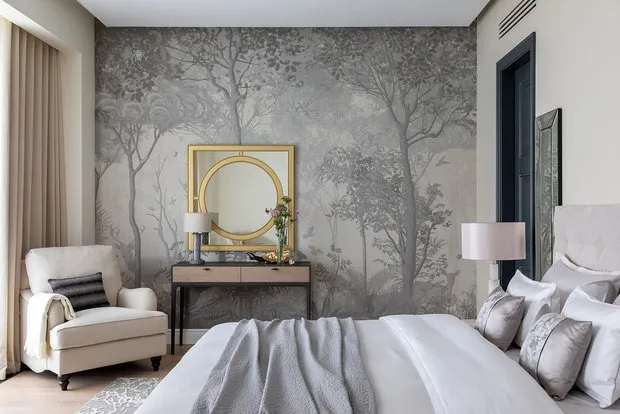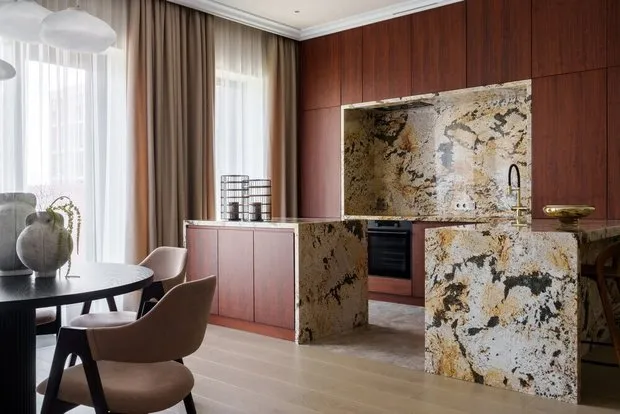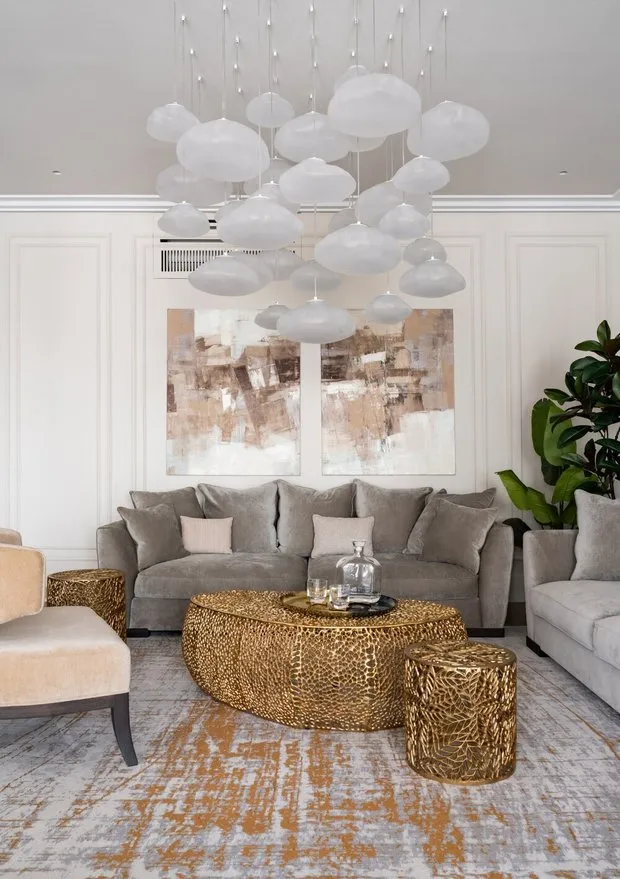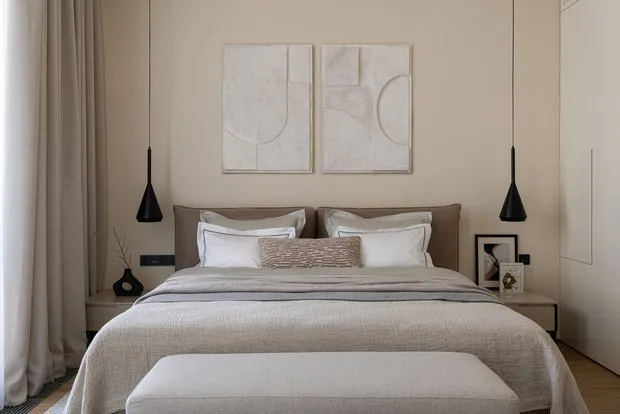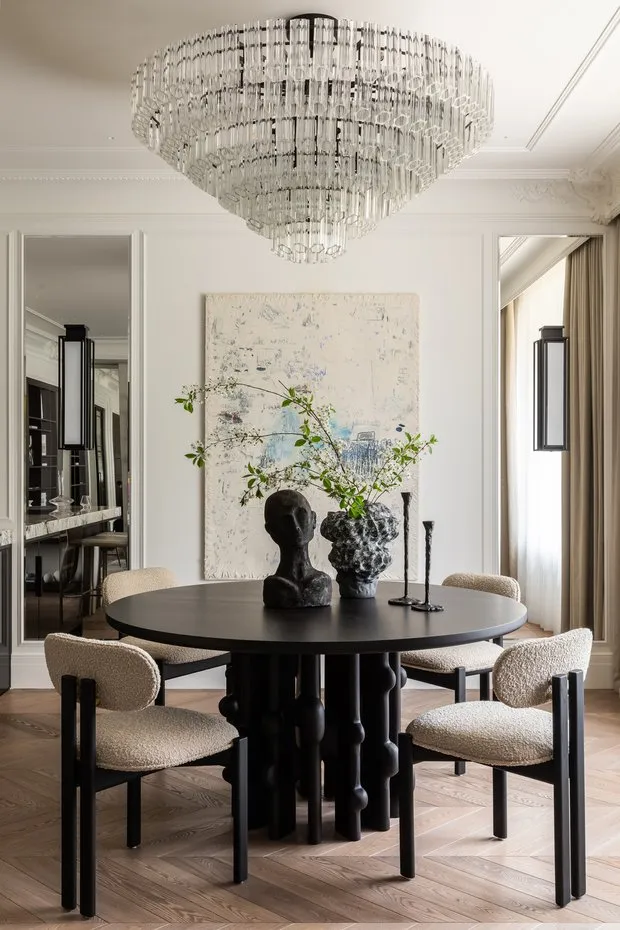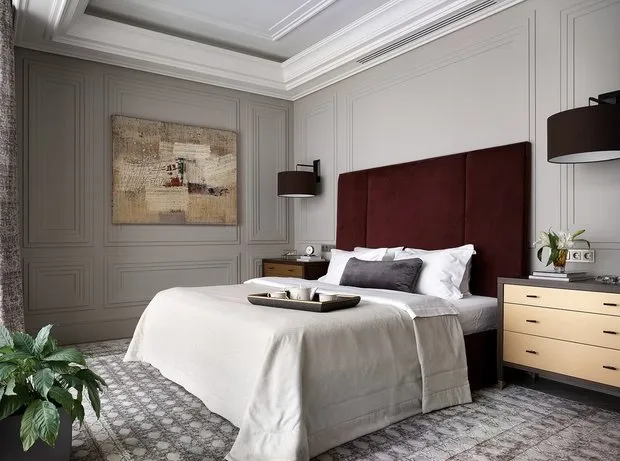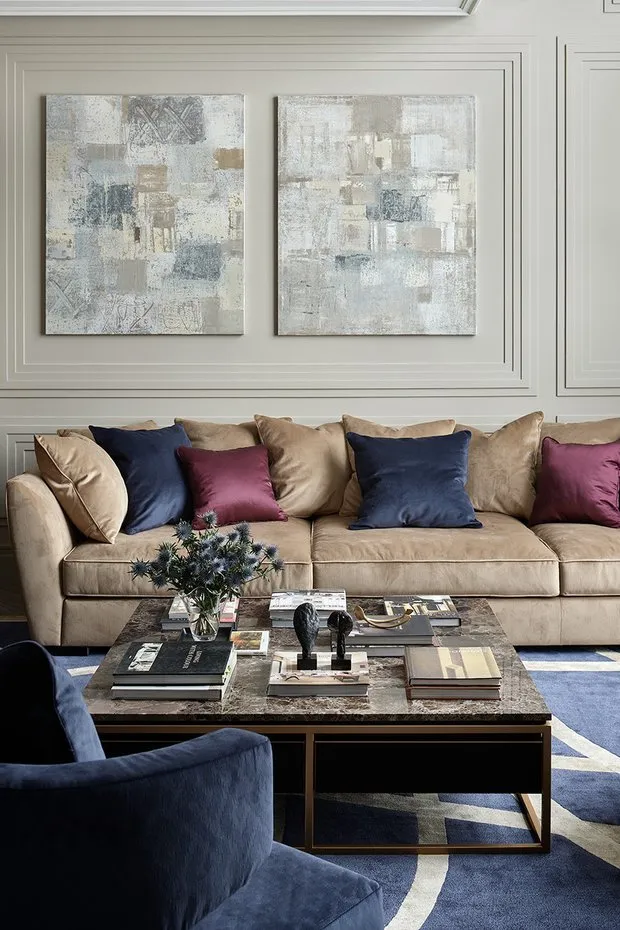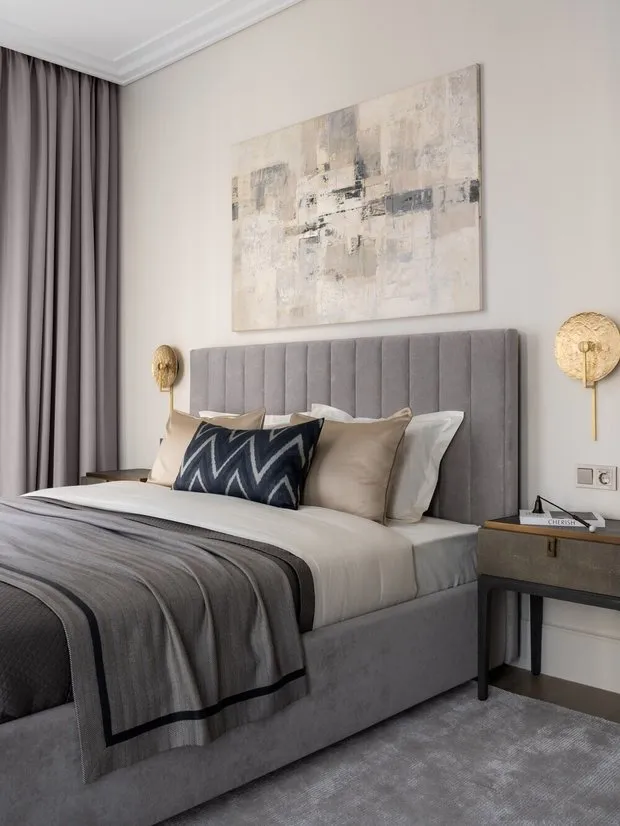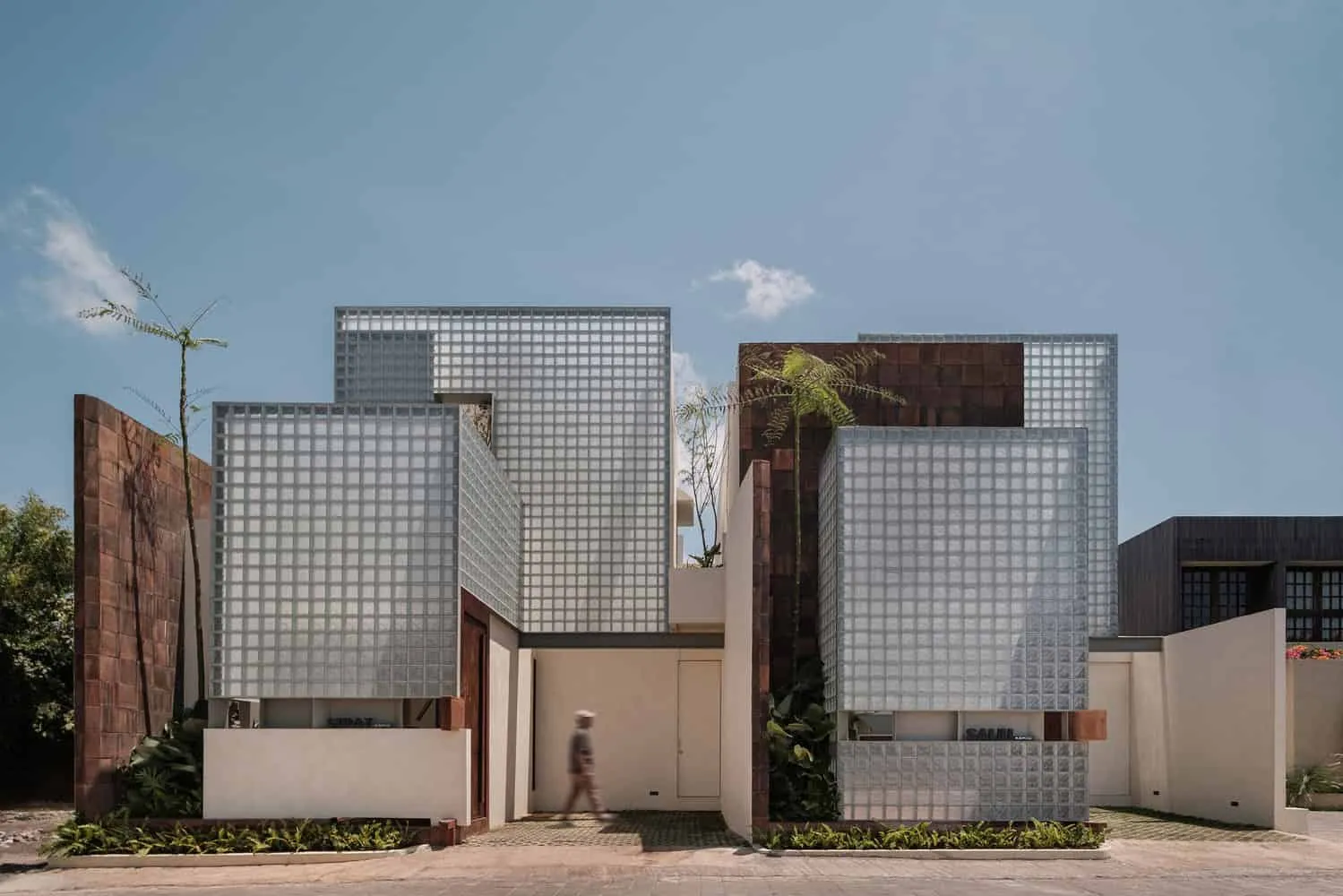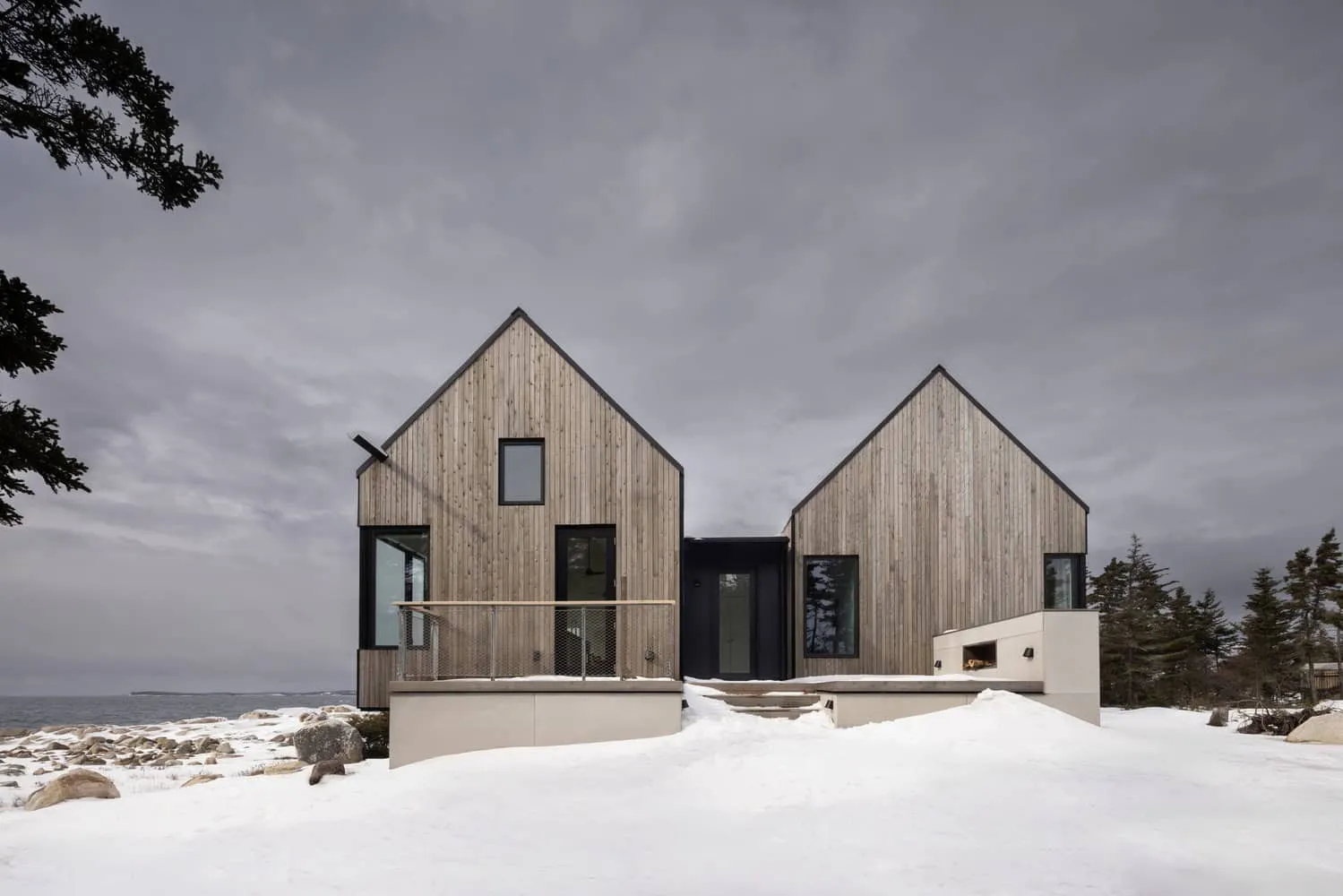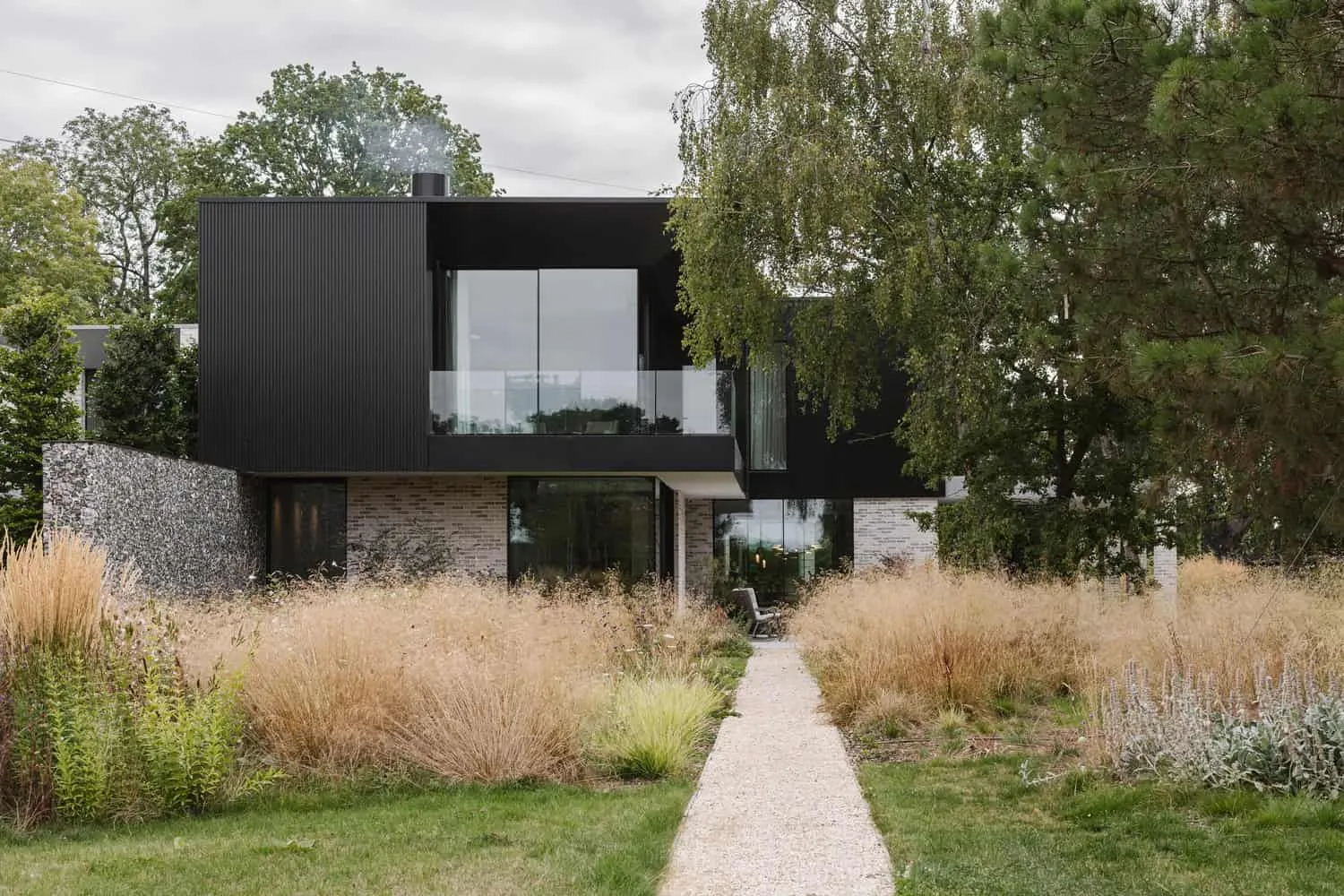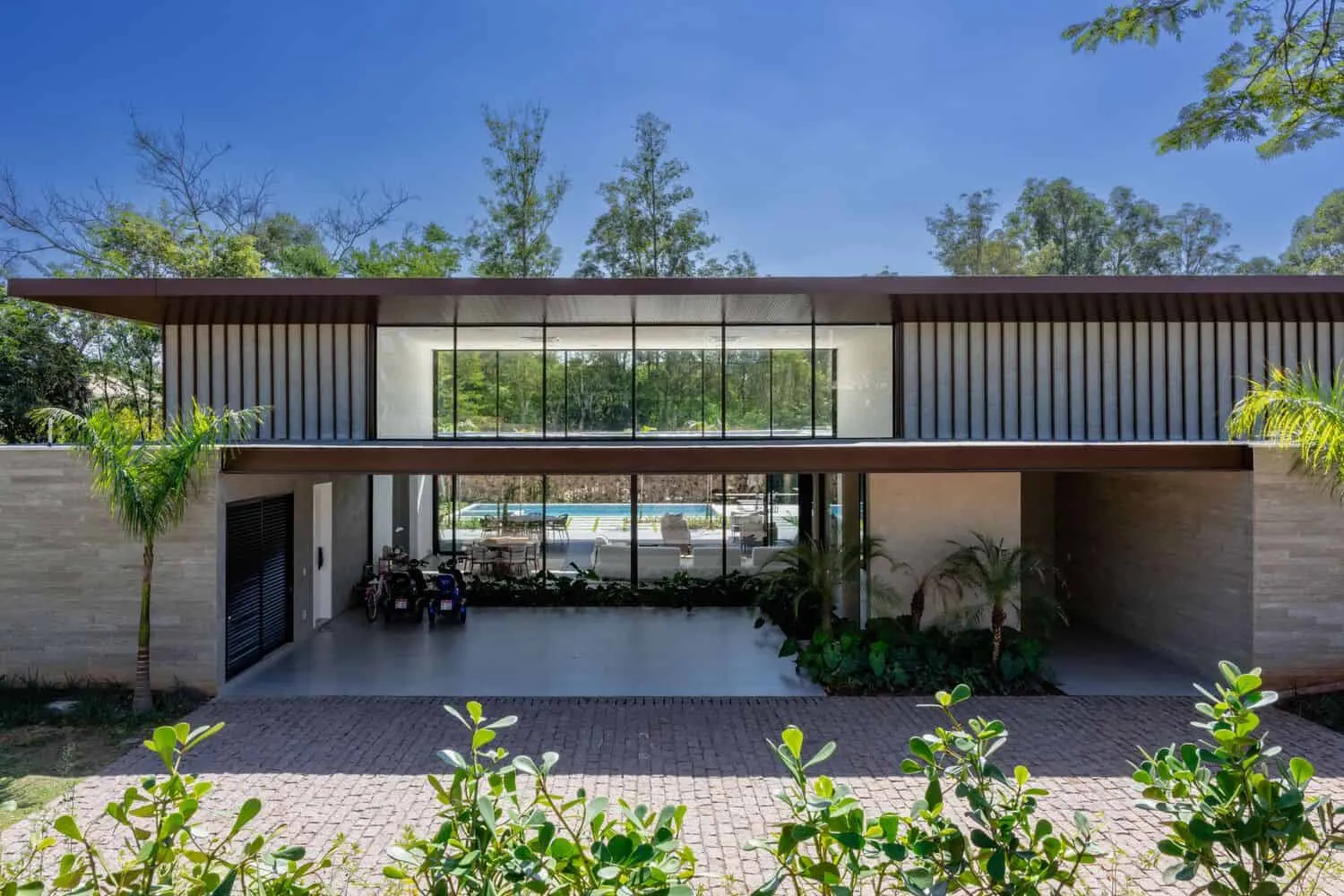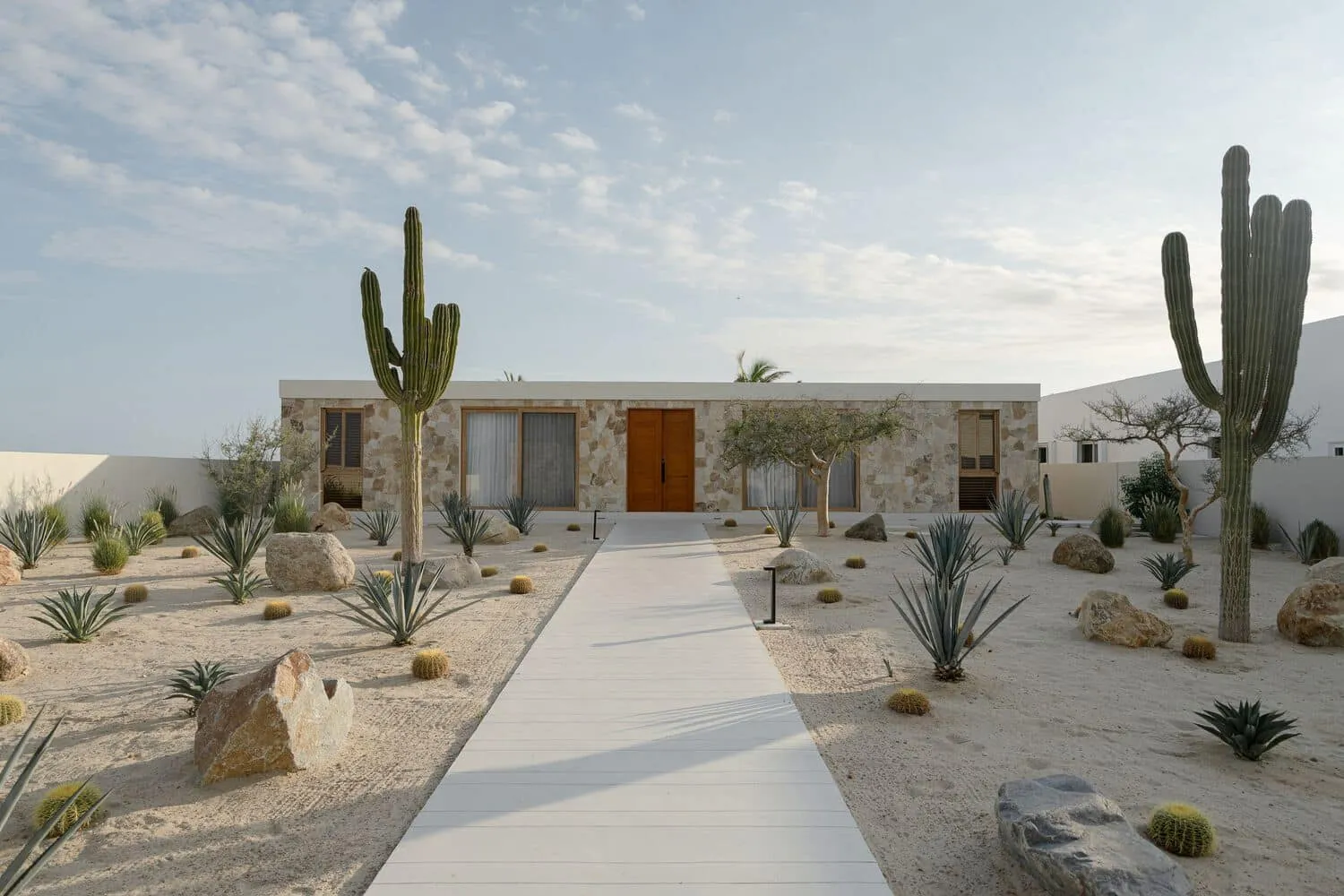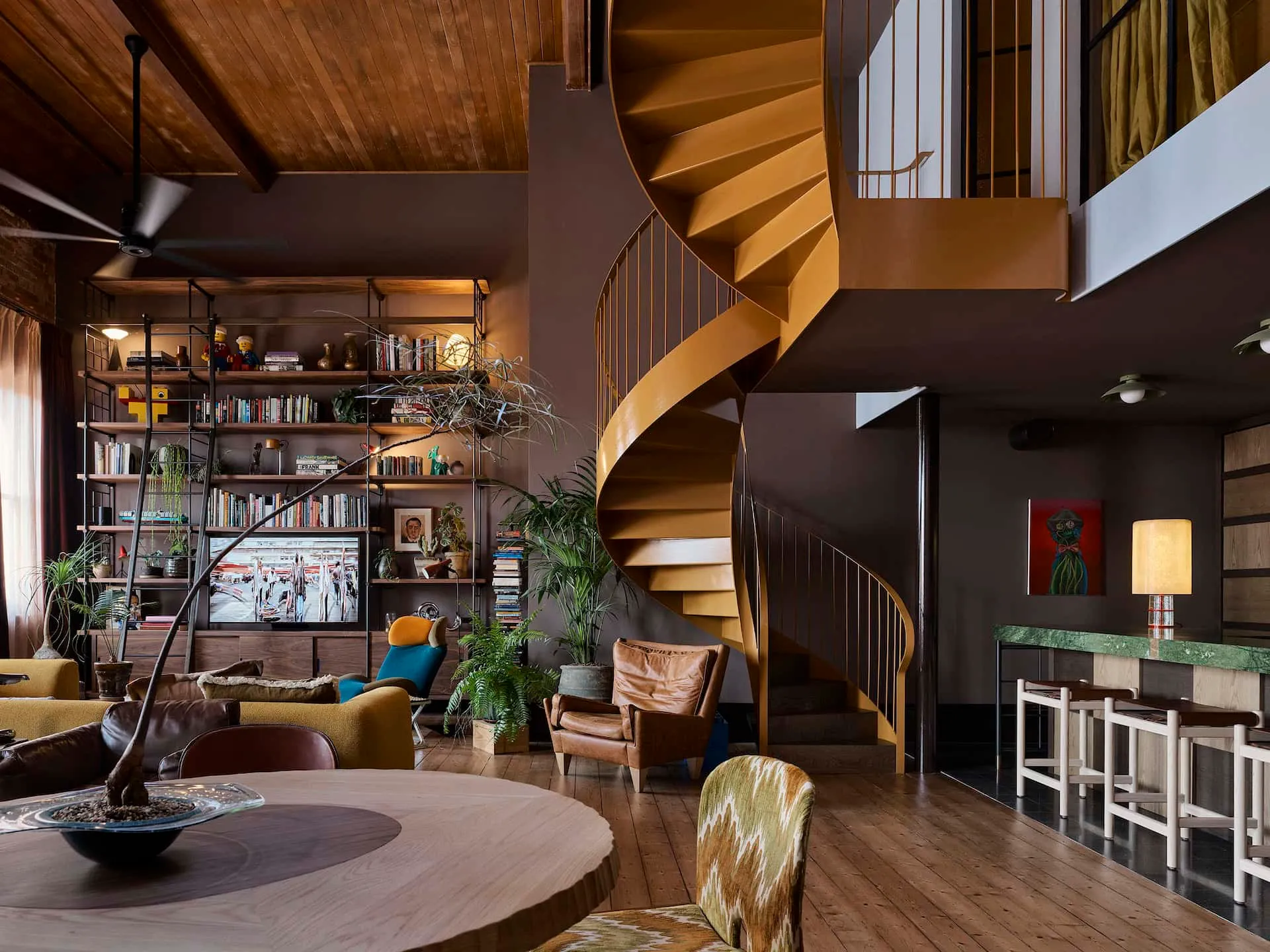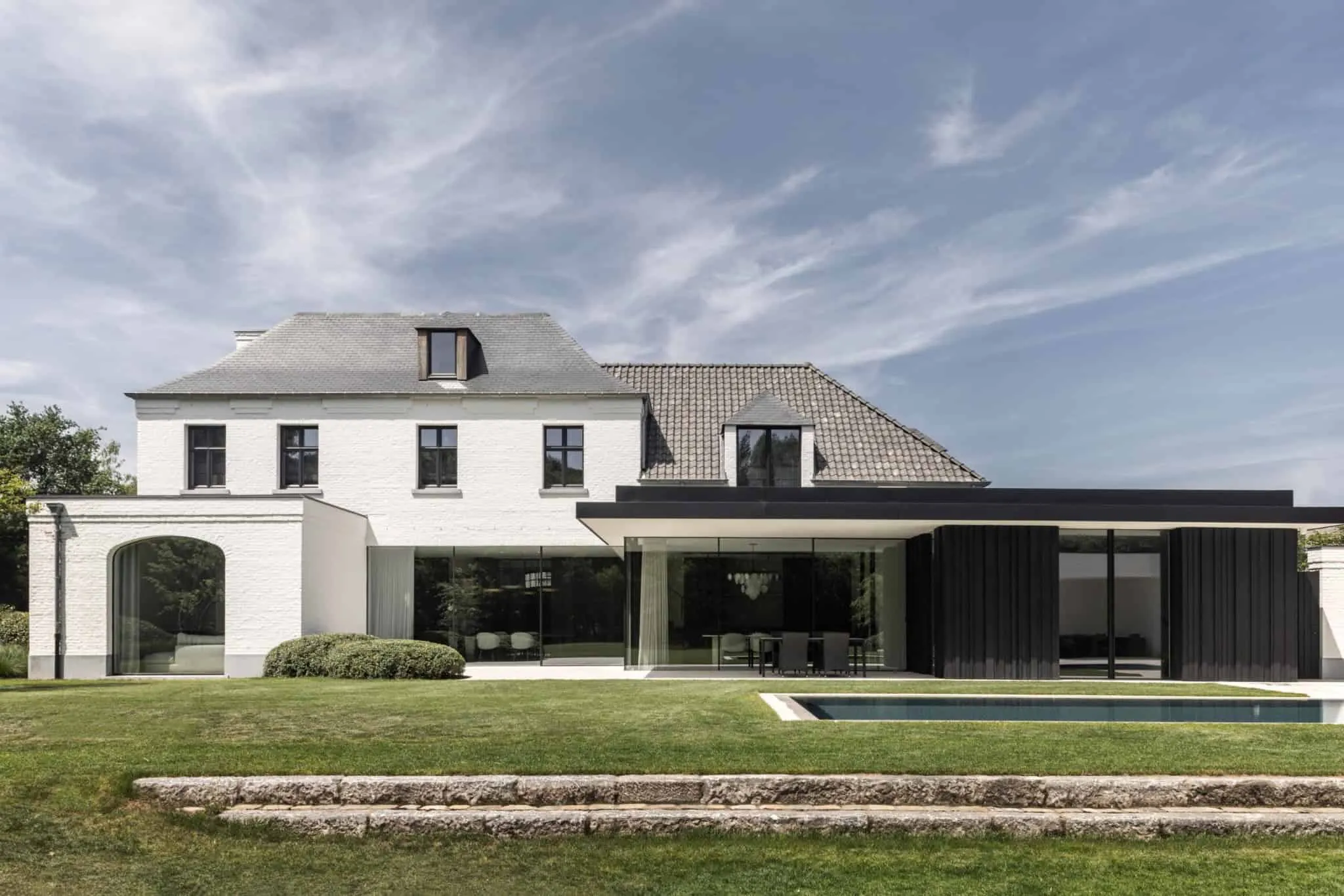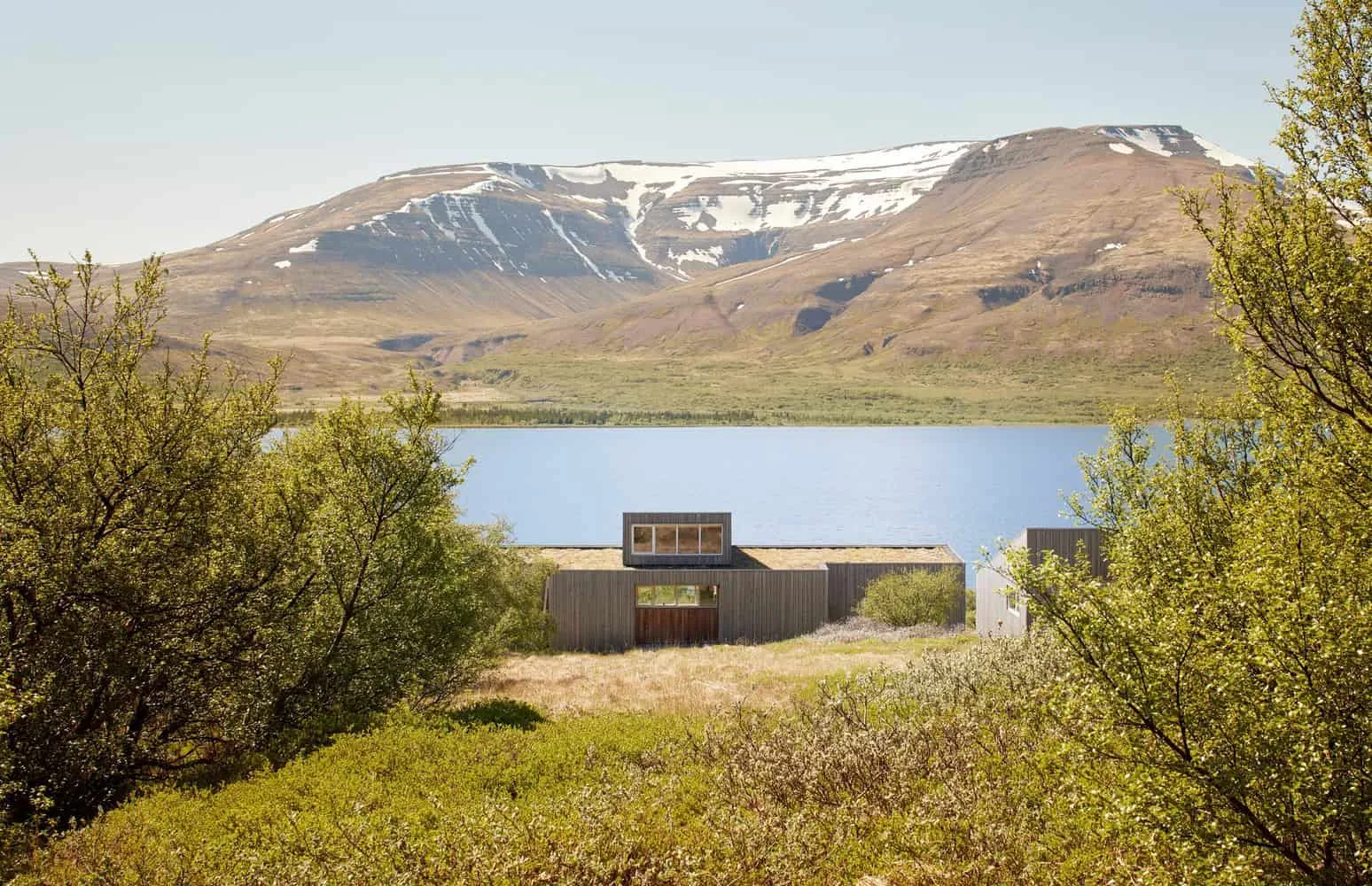
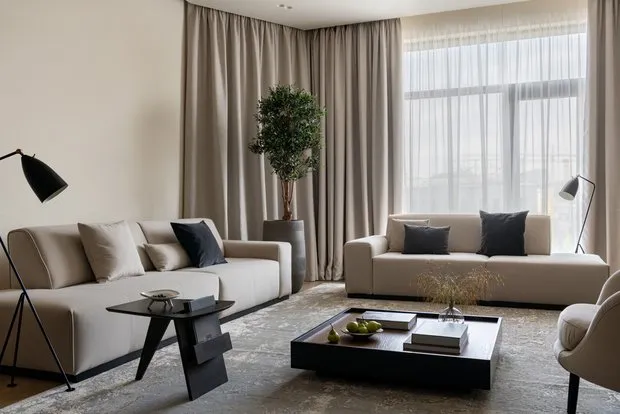
Therefore, it is best when the interior stylistically echoes the building’s facades, with the house’s exterior gently extending inward. Architecture dictates design, and design must be justified by architecture. Without this connection, the interior loses its coherence, no matter how luxurious its decorations may be.
— Yes, exactly. Walls stop being mere surfaces—they seem to “flow” into three dimensions, turning into furniture, storage systems, and lighting schemes. A good interior emerges at the intersection of art and a very strict system. On one hand, there is freedom and creativity; on the other, there is iron discipline and attention to every detail. If architecture is thought through properly, design follows naturally, without strain or compromises. Furniture becomes a logical extension of the walls, rather than just a collection of objects.
— Decoration and styling are the logical completion of the first two stages. I often compare decoration to makeup and jewelry for a slim, well-groomed, and well-dressed woman. It’s beautiful when accessories complete the overall look rather than trying to hide flaws. Of course, one can try to cover up the mistakes from the earlier stages with styling, but in the long run, that’s not a solution. It’s like first aid for a photo shoot, not for real life.
Therefore, decoration is not about random “cute little items” but carefully selected elements: textiles, lighting fixtures, and objects with a history. Each element should enhance the atmosphere established even during the architectural phase.
— Art is a special element. It can be incorporated into a project at any stage, but the most interesting result occurs when it becomes the starting point, the first note of the future project. A carefully chosen work of art at the conceptual stage not only creates a focal point — it sets the tone for the entire space.
A painting can determine the color scheme, mood, and even the rhythm of a room. In this case, the interior does not “add” art; rather, it emerges from it. The space gains a personality, its own charisma that resonates with the owner.
— Of course, that’s also possible. In the final stage, it can become the finishing touch that highlights key elements. But then it risks remaining just an ornament—beautiful, yet not integrated into the overall structure. In the ideal scenario, interior design and art emerge together as a single entity. It’s like a duet—you can perform the parts separately, but when the voices blend, magic is created.
— I often think, “Beauty is a form of respect for life.” For me, a home is not just a collection of materials and objects. It is an environment for living in which every detail contributes to a person’s comfort, health, and mental balance. When we design, we don’t focus on how it will look in photos, but rather on how it will feel to live there: whether it’s convenient to open windows, whether there’s enough light in the evenings, and whether there’s space for quiet and reflection.