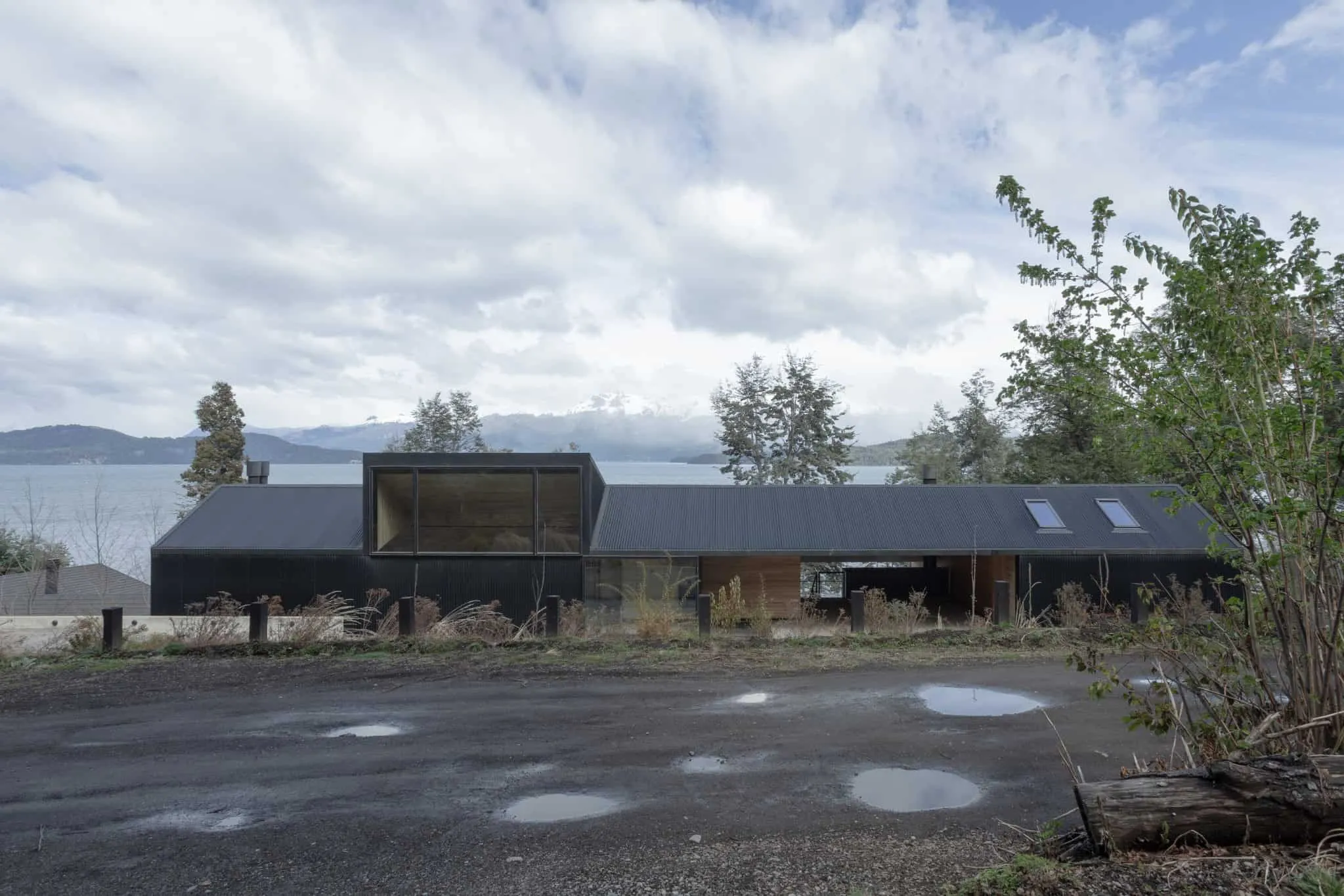
Dealing with Storms: Precautions for Effective Roof Repair
When it comes to protecting your home from external factors, your roof plays a key role. From fierce storms to relentless sun, your roof endures it all. But over time, even the strongest roofs can succumb to wear and require timely repairs to maintain their integrity. In this article, we'll explore the precautions needed for effective roof repair from advanceroofingllc.com so you can confidently deal with storms.

The Importance of Roof Maintenance
Regular roof maintenance is essential for ensuring the longevity and integrity of your roofing. By being proactive and addressing any issues promptly, you can prevent minor problems from becoming major headaches. Routine inspections and maintenance help identify potential issues such as loose or damaged shingles, leaks, or inadequate attic ventilation. Regular roof maintenance will save you significant costs in the future.
It's important to remember that a well-maintained roof not only protects your home from external elements but also enhances its overall appearance. A damaged or neglected roof can significantly reduce property value. Therefore, invest in regular maintenance to keep your roof in good condition and preserve the value of your home.
Common Roof Problems
Roofs are susceptible to various weather conditions and external factors that can cause damage over time. Understanding common roof issues will help you identify problems early and take appropriate action. Some of the most frequent roof problems include:
- Leaks: Leaks are one of the most common roofing issues. They can occur due to damaged or missing shingles, improper sealing, or clogged gutters. Regular attic and ceiling inspections for signs of water damage will help you detect leaks before they cause serious harm.
- Damage or Missing Shingles: Shingles can be damaged or missing due to storms, age, or poor installation. Damaged shingles can expose your roof to leaks and further damage. Regularly inspect your roof for signs of shingle damage and replace them promptly to prevent additional issues.
- Poor Ventilation: Inadequate attic ventilation can lead to heat and moisture buildup, causing roof damage and increasing energy consumption. Proper ventilation helps regulate temperature and humidity levels, preventing ice dams, mold growth, and premature roof aging.
- Sealing Issues: Sealing is used to close gaps and joints on the roof to prevent water penetration. Over time, sealing can deteriorate or be damaged, leading to leaks. Regularly inspect your roof's sealant and replace damaged sections to maintain waterproof integrity.
Being aware of these common roof problems will allow you to take proactive steps for prevention or timely correction if they arise.
Precautions Before Starting Roof Repair
Before beginning roof repair, several precautions must be taken to ensure a smooth and successful process. These steps will help keep you safe and avoid further damage to the roof or property. Here's what you should do:
- Evaluate Damage: Carefully inspect the roof to assess the extent of damage. Identify areas requiring repair and compile a list of necessary materials and tools.
- Safety First: Roof repairs can be dangerous, so safety should always be a priority. Use proper protective equipment like harnesses and helmets, and work with a partner whenever possible. If the repair requires significant effort or special skills, consider hiring a professional roofer.
- Prepare the Work Area: Remove all debris such as leaves or branches from the roof before starting the repair process. This ensures a clean work area and helps prevent further damage.
- Protect Property: Cover valuable items or furniture in the house to protect them from dust or debris during repairs. Place plastic sheeting or covers over sensitive areas to prevent damage.
- Check Weather Conditions: It's crucial to choose a day with favorable weather conditions for roof repair. Avoid working in rainy or windy weather as it complicates the process and increases accident risk.
Following these precautions will help you prepare for a successful roof repair and minimize the risk of accidents or further damage.
Choosing the Right Roofer
While some roof repairs can be done DIY, more extensive or complex tasks may require a professional roofer. Choosing the right contractor is vital for ensuring quality work and successful repairs. Here are factors to consider when selecting a roofer:
- Experience and Reputation: Look for contractors with extensive experience in roof repairs and a good reputation in the industry. Check online reviews and ask for recommendations to evaluate their past work.
- Licensing and Insurance: Ensure the contractor is licensed and insured. This protects you from liability in case of accidents or damages during repairs.
- Written Estimates: Obtain written estimates from several contractors to compare prices and services offered. Be cautious of contractors offering significantly lower quotes compared to others, as they may cut corners or use substandard materials.
- Warranties: Inquire about warranties provided by the contractor. A reliable contractor should offer guarantees on both materials and workmanship.
- Communication and Professionalism: Choose a contractor who communicates clearly, listens to your questions, and provides timely updates. Professionalism and good communication are signs of a trustworthy contractor.
Spending time researching and selecting the right roofer will give you peace of mind throughout a smooth and hassle-free repair process.
Roof Repair Costs
The cost of roof repair can vary depending on several factors, including the extent of damage, required materials, and whether you hire a professional contractor or do it yourself. It's important to plan your budget carefully and obtain several estimates to ensure you're getting a fair price. Remember that investing in quality materials and professional work can save you money in the long run by preventing further damage and future repairs.
Conclusion
In conclusion, effective roof repair requires taking necessary precautions, identifying the root cause of issues, and using proper materials and tools. Whether you perform the repair yourself or hire a professional contractor, timely addressing roof problems plays a key role in protecting your home from further damage. Investing in regular roof maintenance and staying proactive will help you confidently deal with storms and ensure the longevity of your roof.