Essential Tips for Remedying Property Flood Damage
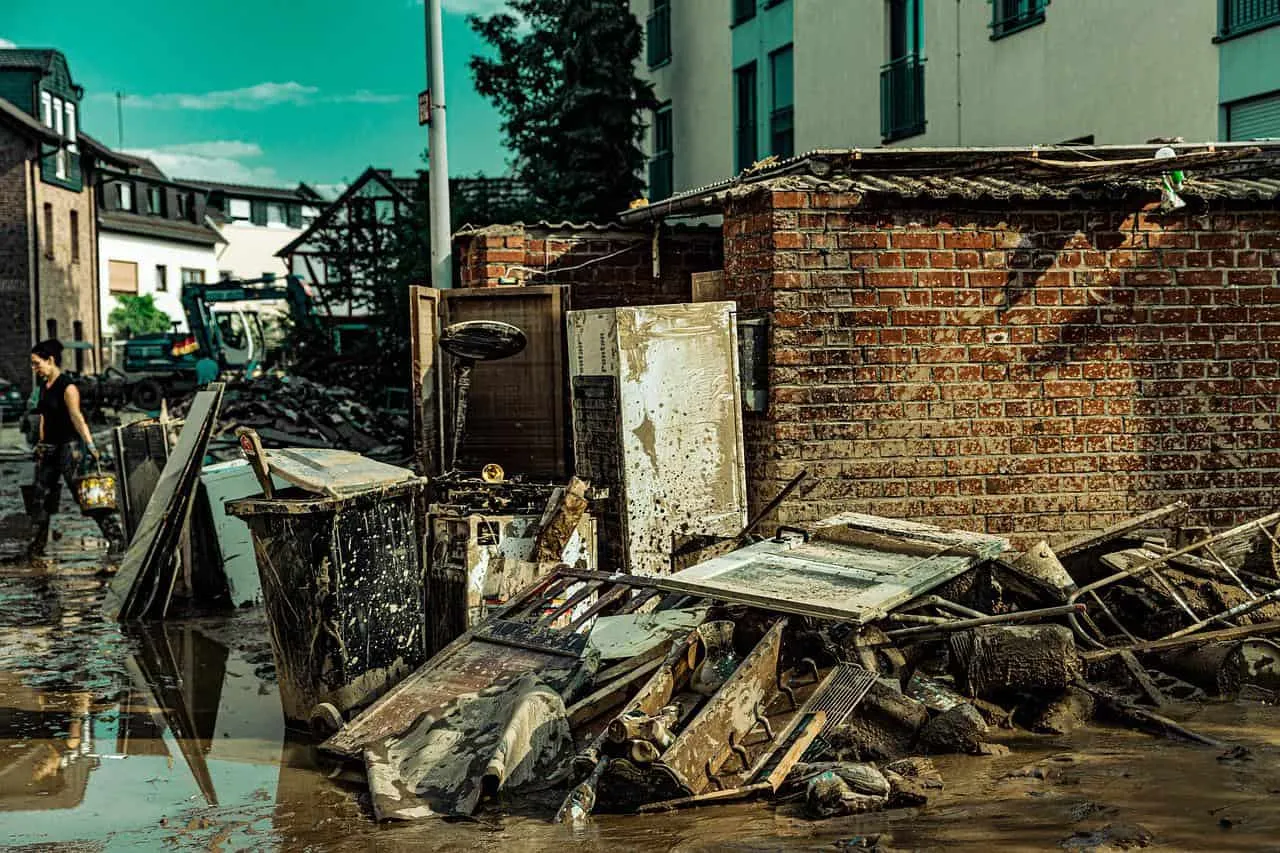
One of the most destructive incidents that can happen to your home is an unexpected flood, which can lead to significant chaos. Water flows can damage appliances and furniture, as well as cause structural integrity issues. Additionally, the threat of mold growth within 24 hours after flooding or water damage is even more concerning.
If this happens to you, you must act quickly to protect your property and peace of mind. Dealing with serious water damage is not an easy task, but you can manage it properly with the help of professionals. If you're looking for a reliable company, you can click here to find competitive offers for flood damage restoration tailored to your needs and budget. They can easily handle any task efficiently.
One of the most destructive incidents that can happen to your home is an unexpected flood, which can lead to significant chaos. Water flows can damage appliances and furniture, as well as cause structural integrity issues. Additionally, the threat of mold growth within 24 hours after flooding or water damage is even more concerning.
If this happens to you, you must act quickly to protect your property and peace of mind. Dealing with serious water damage is not an easy task, but you can manage it properly with the help of professionals. If you're looking for a reliable company, you can click here to find competitive offers for flood damage restoration tailored to your needs and budget. They can easily handle any task efficiently.
Here are several tips to consider when addressing water damage in your property.
Protect Yourself and Your Belongings
Ensure that you, your family, and your belongings are safe after a flood. If you need to move them somewhere safer, do so before starting work on the house. Their safety takes priority over everything else. Once they are secured and you're ready to assess the mess, turn off electricity because water and electrical currents don't mix. If you're unsure of the risks, call an electrician to handle this work. You should also wear protective gear, especially if you have to walk through affected areas. Secure your belongings and remove any wet carpets or curtains.
Contact Your Insurance Company
Once you've finished inspecting your property, coordinate actions with your insurance company. Document all flood-related damages. Take photos before, during, and after the cleanup process to assist them. They will dispatch experts to determine your policy's coverage for damage.
Begin Water Damage Restoration as Soon as Possible
As soon as you're given permission to enter your property, consider starting water damage restoration work within the next 24–48 hours. In most cases, you won't be able to handle water damage on your own, so you need to coordinate with a reliable contractor who can help. They will take care of everything needed to ensure your structure remains safe after flooding.
A good contractor will start by removing water from all affected areas. Then, they'll proceed with drying the zones using various methods such as hoses, diffusers, and other equipment. They will also move damaged furniture and materials so that you can decide whether to keep or discard them.
You should also ask your contractor to ensure that mold doesn't grow after flooding. This is one of the reasons why choosing a reliable contractor with experience in such matters is important. They will help you return to normal life safely and quickly in your home.
Conclusion
Homeowners need to work with a skilled contractor for repairing water-damaged properties. It's better to be cautious to ensure your homes remain structurally sound after flooding.