Tips for Choosing the Perfect Color for Living Room
 Pinterest
A little yellow here, a bit of gray there, and perhaps a hint of blue on the other side. All this makes choosing colors for the living room a true art, where everything must be in harmony and balance. This noble corner of the home, where we rest and receive close ones, requires careful planning with regard to comfort, beauty, and coziness.
Tips and Suggestions for Choosing the Right Colors for the Perfect Living Room
Using trending colors in room decoration is an excellent way to give the space modernity, but it's important to remember that your personal taste should be above any trend. The following recommendations will help you find the perfect color combination for your living room:
1. Room Size
 Pinterest
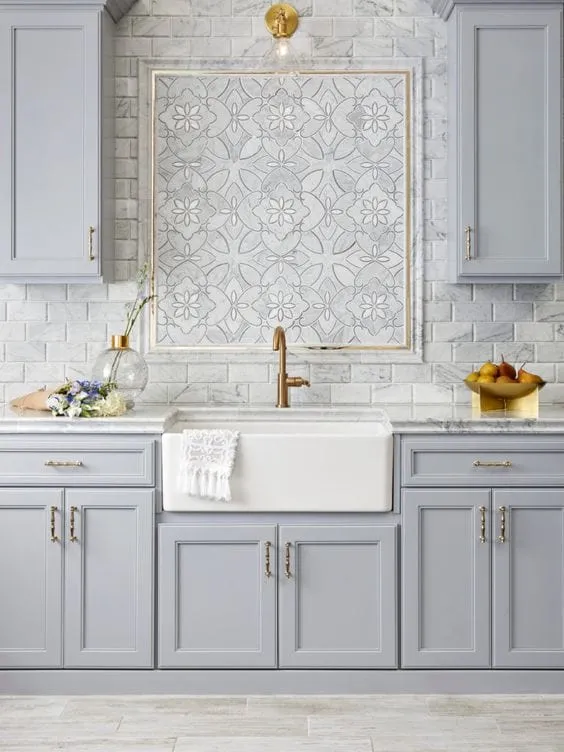
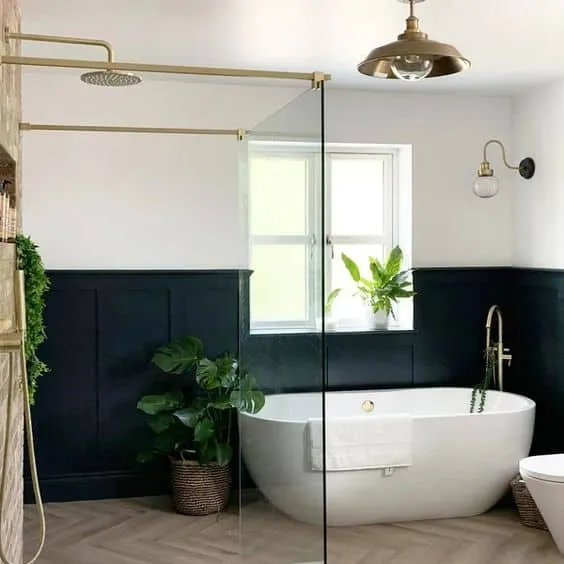
Room size significantly influences color choice, especially in small spaces. A tip for small rooms is to choose a neutral tone base and use more vibrant and saturated colors for accents.
2. Color Palette
 Pinterest
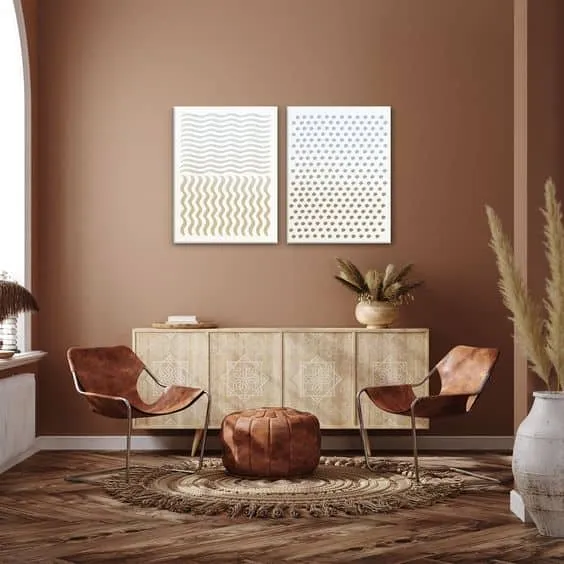
Determining a room's color palette is also important, as it makes you more confident. Choose a color that will dominate the interior. Then add tones that create contrast and stand out, defining their place in the decor.
When selecting a color palette for the living room, consider the style that sets the interior, as modern design pairs better with white, black, gray and blue colors, while rustic style more easily accepts earthy and warm tones.
3. Most Common Combinations
 Pinterest
Minimalist combination is one of the most classic and suitable for those who fear taking risks. The basis of this style is neutral colors such as white, black and gray, accentuated by one or several darker and less bright colors.
Another way to combine colors is using tones of one shade. In this case, you choose one color and explore its most diverse shades, from the darkest to lightest. Yellow and violet, orange and blue, green and red — these are some examples of contrasting combinations. However, be careful not to overdo it. The idea is that one color dominates while the other appears only in details.