Importance of Geodetic Works in Infrastructure Development
Geodetic works have existed since the beginning of human civilization. Historical records show that ancient Egyptians used geodesy when building pyramids and other civil structures.
This practice remains relevant today. Whether new bridges or roads are being built, geodetic works are considered one of the preliminary stages. Geodesists play a key role in cartography, planning, and land surveying for the completion of construction, engineering networks, and landscape design.
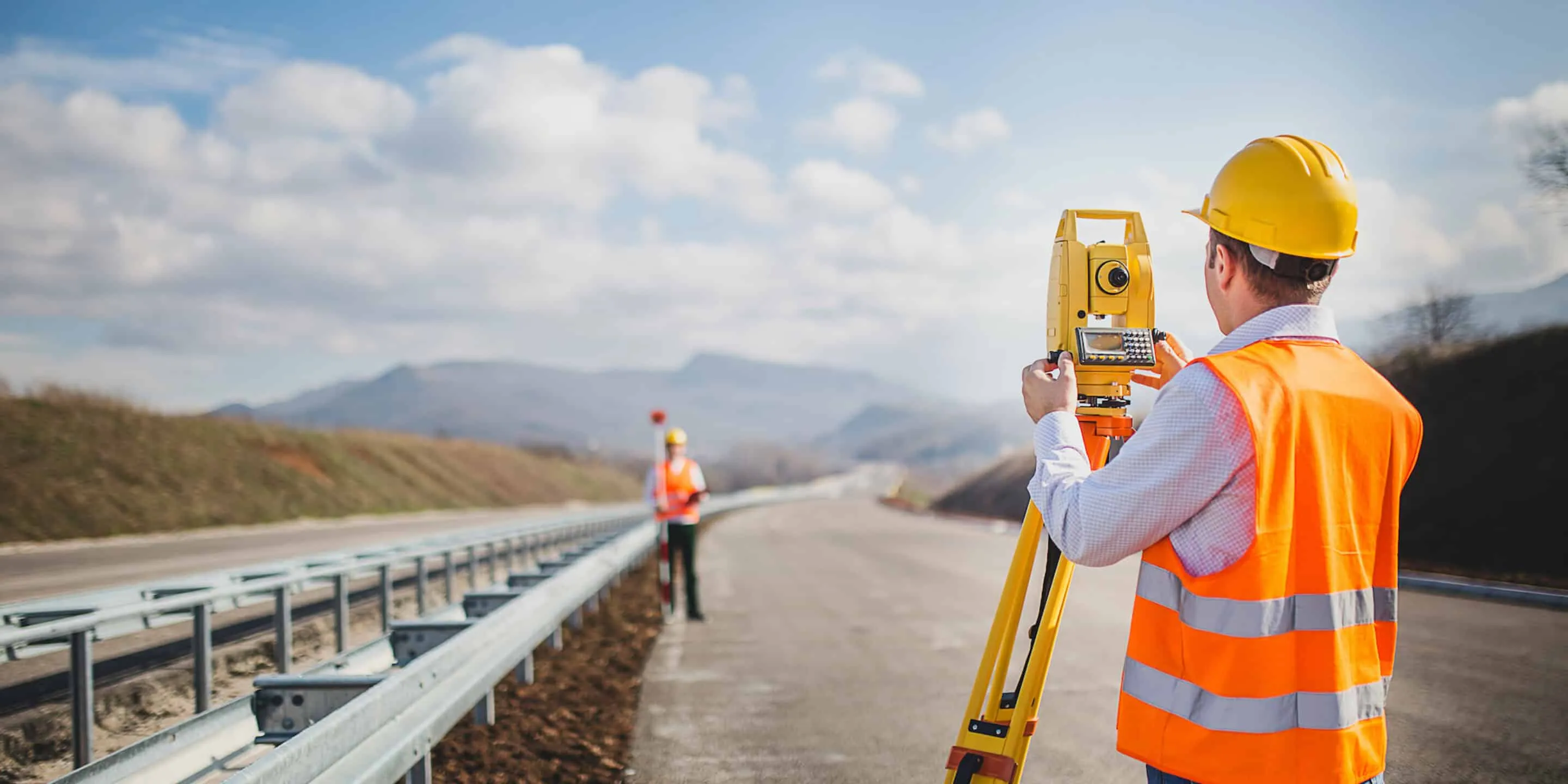
What Are Geodetic Works?
Geodetic works include mapping and measuring the physical characteristics of land parcels using modern technology, equipment, and mathematical principles. Geodesists map everything: from natural topography and water bodies to artificial structures such as buildings, bridges, and roads, accurately depicting boundaries, sizes, and terrain of the land.
Geodetic data is used for various purposes such as real estate development, construction, and land use planning.
Geodetic works not only guide the project in the right direction but also help determine the quality of the land parcel in advance. Delaying geodetic works often leads to delays and additional costs, as well as threatens the safety of the project. But that's not all. Let's look at how geodetic works affect infrastructure development.
1. Better Planning and Project Design
During infrastructure development, geodesists map land areas to identify suitable locations for each structure. They consider factors such as terrain, potential environmental impact, and availability of natural resources.
Additionally, experts use measurements to assist engineers and architects in developing structures. This ensures that the constructions will be effective and safe.
2. Accurate Mapping
Infrastructure projects require precise land measurements to ensure proper placement within appropriate boundaries and compliance with zoning and building codes. Geodesists can accurately determine parcel sizes, as well as the presence of easements, property rights, or encroachments that may affect the project.
Experts use various tools for accurate boundary measurement, including GPS technologies, laser levels, distance-measuring devices, and more. These tools allow geodesists to measure angles and distances needed for legal descriptions and maps.
3. Maximizing Public Safety
Geodetic works also play an important role in ensuring the safety of infrastructure projects. Before construction begins, geodesists can identify potential hazards such as unstable soils, steep slopes, or flood-prone areas, providing risk mitigation recommendations.
Data collected by geodesists helps create a project showing whether the infrastructure will be safe for public use. Experts can use 3D simulations with drone footage to demonstrate how a structure will impact the environment. For example, engineers can adjust their proposals based on data if a new path poses erosion or water flow risks.
4. Considering Environmental Factors
Geodetic works help identify environmental aspects that must be taken into account during infrastructure development. Geodesists can locate ecologically sensitive areas such as wetlands or habitats of endangered species. This information is used to design projects that minimize their environmental impact. It can also help identify vulnerabilities related to human activity, including pipeline construction and hazardous materials storage.
5. Compliance with Legal Requirements
Geodetic works are often legally required for infrastructure projects. For example, many municipalities require geodetic work to obtain construction permits, zoning changes, and other forms of development. Geodesists ensure compliance with these legal requirements and that the project meets all current standards.
6. Cost Savings
One of the obvious advantages of geodetic works is cost savings during infrastructure development. Accurate mapping and identification of potential hazards or obstacles help avoid expensive mistakes and delays during the construction phase. This saves time and money in the future.
Conclusion
These are some of the main reasons why geodetic works are crucial when creating infrastructure needed for societal development. It's not just measuring distances or defining property boundaries, but ensuring that every infrastructure project is built safely, efficiently, and in accordance with legal and environmental standards.