Impact of Technology on Home Care: A Look at Robotic Cleaning Devices and Smart Appliances
The world is not standing still; a multitude of new methods and tips constantly appear on the market. The same goes for cleaning devices. In today's time, there is no need to spend hours washing and cleaning the house. You have robotic tools that can save your precious time. Whether you hire a professional house cleaner who will tidy up your home and make it shine, or prefer to do it yourself, in this article we will delve into this cutting-edge technology and analyze how it impacts home cleaning. Are you ready? Then settle in comfortably and take a look!
Traditional Cleaning Methods and Problems
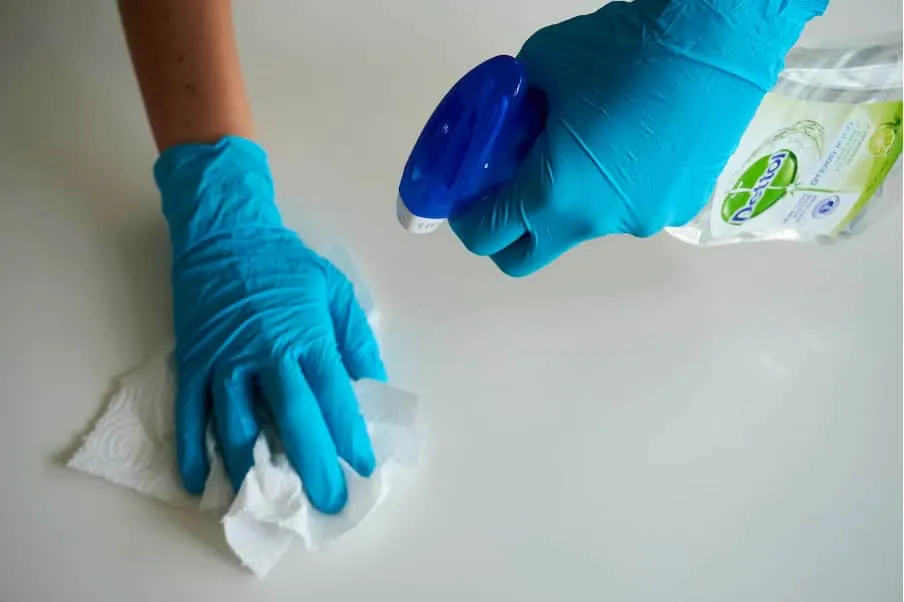
Before the emergence of robotic cleaners, we all remember and know exactly how much time it took to clean a house. From sweeping and wiping floors to intensive surface cleaning, our ancestors spent hours on cleaning their living spaces.
However, all these methods have many problems. Let's look at some of them:
- Time-consuming: Traditional cleaning methods required a significant amount of time and physical effort. People had to spend hours, or even days, to properly clean a house.
- Repetitive actions: Cleaning often involves repetitive movements that quickly become monotonous and tiring. Not everyone enjoys such repetitive tasks.
- Limited efficiency: Despite significant effort, achieving flawless results with traditional methods can be difficult. Every home has hard-to-reach places and stubborn stains that were hard to reach and thoroughly clean.
- Work-life balance: As employment and work responsibilities grow, finding time for cleaning becomes even more challenging. For some people, finding free time for household chores is a big problem.
What Are Robotic Cleaners?
Let's move on to defining robotic cleaners. These are robot vacuums or automatic vacuum cleaners, innovative and autonomous cleaning devices designed to ease and simplify household cleaning tasks. They are usually equipped with advanced sensors, built-in computers, and modern algorithms that allow them to navigate indoors and collect dirt, dust, and debris from various floor surfaces.
Moreover, they have numerous innovative features such as obstacle detection to avoid furniture and walls, drop sensors to prevent falls down stairs, and self-service functions that allow them to return to the charging station when battery levels are low. Using artificial intelligence, these robotic devices can create maps and adapt to the layout of your home, ensuring thorough and systematic cleaning without constant supervision. Some of the most popular examples of robotic vacuums include iRobot Roomba, Neato Botvac, Eufy RoboVa, Samsung POWERbot and others.
How Technology Improves Cleaning Efficiency
Technology has significantly improved cleaning efficiency, transforming the approach to home maintenance. Robotic cleaners and smart devices with advanced sensors and algorithms play a key role in this transformation. Using artificial intelligence and machine learning, these devices can effectively navigate indoors, create a map of your home's layout, and systematically clean specific areas.
They can detect obstacles such as furniture and walls and navigate around them, ensuring thorough cleaning without damaging property or getting stuck. Furthermore, many robotic cleaners can set virtual boundaries, allowing users to limit cleaning to specific zones. Automation and scheduling features further enhance efficiency by letting users configure devices for cleaning at certain days and times, even when they are away from home. This ensures regular cleaning without constant supervision or manual intervention.
Maintenance and Troubleshooting Tips for Robotic Cleaners
Let's look at some maintenance tips that will help extend the lifespan of your robotic cleaners:
- Regular cleaning: Clean brushes, drums, and filters after each use to prevent dirt and debris buildup.
- Empty the dustbin: Always empty the trash or debris container to prevent clogs and maintain strong suction power.
- Check wheels and sensors: Periodically check the wheels and sensors for obstacles or dirt buildup that may interfere with robot movement and navigation.
- Maintain clean charging contacts: Always ensure that the charging contacts are clean and free of dust or debris to guarantee uninterrupted charging after each cleaning cycle.
- Study error codes: Familiarize yourself with the robot cleaner's error codes or indicators to quickly resolve any issues during operation.
- Follow user manual: Keep the user manual handy and refer to it when needed for troubleshooting and maintenance recommendations specific to your model of robotic cleaner.
- Use online resources: Visit the manufacturer's website or online resources for additional troubleshooting tips and frequently asked questions.
- Remove potential obstacles: Before starting a cleaning cycle, clear the area of any potential obstacles that might cause the robot to get stuck or tangled.
In general, home cleaning is also influenced by technology. And this is definitely good because all these devices make our lives easier. Of course, you can hire a professional cleaning service once or twice a week, but robotic vacuums help you keep your home clean every day without extra effort.