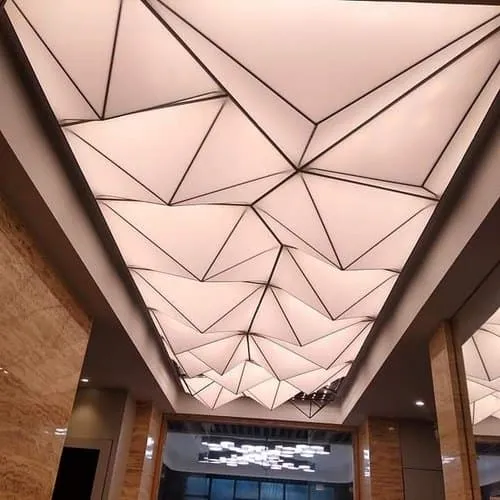
Sustainable Architecture: Building a Greener Future
The concept of sustainable architecture has moved beyond a small movement and become a critical part of modern construction. It is a philosophy based on conscious design principles aimed at reducing environmental impact and enhancing the health and comfort of building users. This article explores various aspects of sustainable architecture and analyzes how it guides us toward a more eco-friendly future.
Innovative Materials and Construction Techniques
The field of sustainable architecture is constantly evolving as new eco-friendly materials enter the market. From compressed earth to bamboo and recycled plastic, the range of sustainable building materials is continuously expanding. Moreover, new construction methods reduce waste and energy consumption on the job site. Building Information Modeling (BIM) and prefabricated components are examples of innovative practices transforming the industry.
Energy Efficiency and Integration of Renewable Energy
Designing buildings with energy efficiency as a priority is the foundation of sustainable architecture. Strategies include passive solar design, which uses sunlight for heating and lighting, as well as installing solar panels and wind turbines to harness energy from renewable sources. The use of LED lighting for exterior applications is another effective way to improve a building's energy efficiency. LEDs are known for their long lifespan and low power consumption, making them an excellent choice for exterior lighting with minimal energy and maintenance costs. This aligns well with the principles of sustainable design aimed at minimizing energy loss.
Indoor Environmental Quality and Health
Indoor environmental quality is an important aspect of sustainable design, often underestimated. It's not just about external sustainability but also ensuring conditions that promote the health and well-being of users inside. Features such as sufficient natural light, improved ventilation systems, and the use of non-toxic materials enhance user health and comfort while reducing energy consumption.
Key Principles of Sustainable Architecture
Sustainability in architecture is based on three core principles: energy efficiency, material selection, and integration with the environment. Architects focusing on energy efficiency aim to minimize consumption of non-renewable resources. When selecting materials, a balance must be found between functionality, aesthetics, and environmental impact. Finally, integration with the environment ensures that the structure coexists harmoniously with its surroundings and contributes positively to the ecosystem.
Adapting to Climate Change
As the impacts of climate change grow, sustainable architecture plays a vital role in adaptation strategies. Buildings are designed to be resilient against extreme weather events and changing climatic conditions. Features such as elevated structures in flood-prone areas, durable materials for resistance to harsh weather, and natural building cooling contribute to the adaptability and longevity of urban environments.
Community Engagement and Education
Community involvement is another important aspect of sustainability. Sustainable architecture is not just a physical structure but also an influence and means of educating those who live or work in these spaces. Architects and planners are increasingly incorporating community engagement into the design process, ensuring that projects better adapt to local needs and involve residents in sustainable initiatives, thus promoting long-term change.
Water Conservation and Management
Water is a valuable resource, and sustainable architecture treats it accordingly. Water-saving methods in buildings include installing low-flow plumbing fixtures, rainwater harvesting systems, and water-efficient landscape design. Additionally, new projects incorporate greywater reuse (wastewater) systems that treat sewage water, closing the cycle and significantly reducing water consumption.
The Role of Urban Planning in Sustainable Design
Sustainable architecture cannot succeed without sound urban planning. Green spaces, community gardens, and integration of public transportation options are examples of how urban design can complement and strengthen sustainable architectural practices. Active reduction in private vehicle use significantly cuts down on a city's carbon emissions.
Examples of Innovation
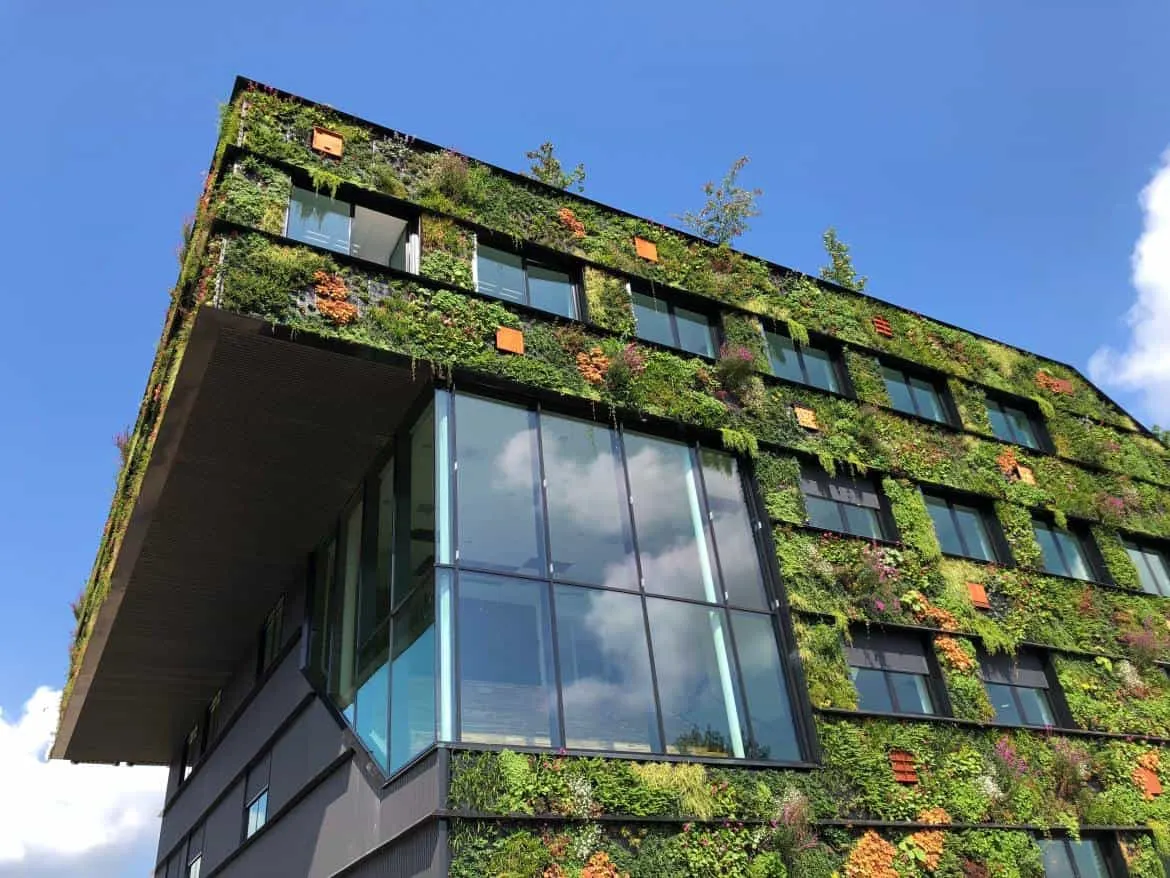
From vertical gardens in Milan to innovative water conservation methods at the Bullitt Center in Seattle, many examples showcase the future of sustainable architecture. These pioneering projects highlight successful applications of sustainability principles and serve as inspiration for current and future developments in this field.
Economic Benefits and Incentives
It's important to understand that sustainable architecture can also drive economic growth and deliver financial benefits. Energy-efficient projects reduce long-term costs, potentially increasing property values. Furthermore, governments and organizations often provide incentives for sustainable construction, such as tax breaks or grants that can offset initial costs and encourage investments in future building.
Conclusion
As we move into the 21st century, principles of sustainable architecture are no longer just moral obligations—they have become foundational elements of our ongoing commitment to a greener and more responsible future. By embracing innovative design, materials, and technologies, we can create buildings that not only stand the test of time but also support the well-being of our planet and its inhabitants. The buildings we construct today will become a legacy for future generations. Thus, sustainable architecture is one of the most important driving forces of our time.