Eco-Friendly Vacation Home on the Beach / Kanopea Architecture Studio + T3 Architects / Vietnam
Tropical Retreat of Peace and Sustainability
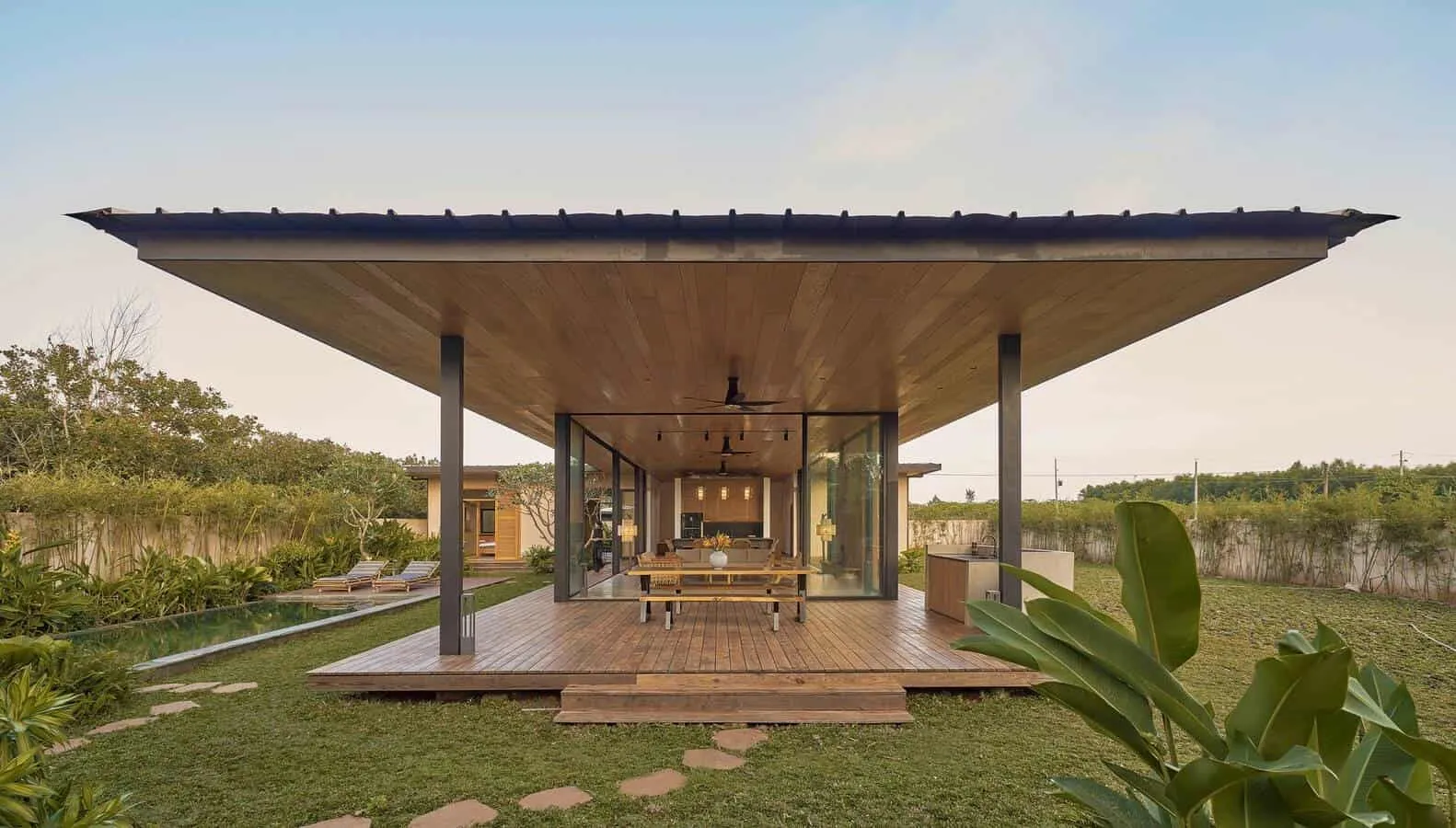
Located in the coastal greenery of Hoi Tram, just a few kilometers from Ho Chi Minh City, the eco-friendly vacation home by Kanopea Architecture Studio and T3 Architects redefines the concept of a modern tropical resort. Designed as a peaceful sanctuary for a young family, the house combines environmentally responsible architecture, material efficiency and bioclimatic comfort in an elegant single-story structure that blends into the landscape.
The project follows a simple philosophy — live lightly, breathe freely and coexist with nature. Its form, materials and layout are entirely determined by the climate and ecology of the region.
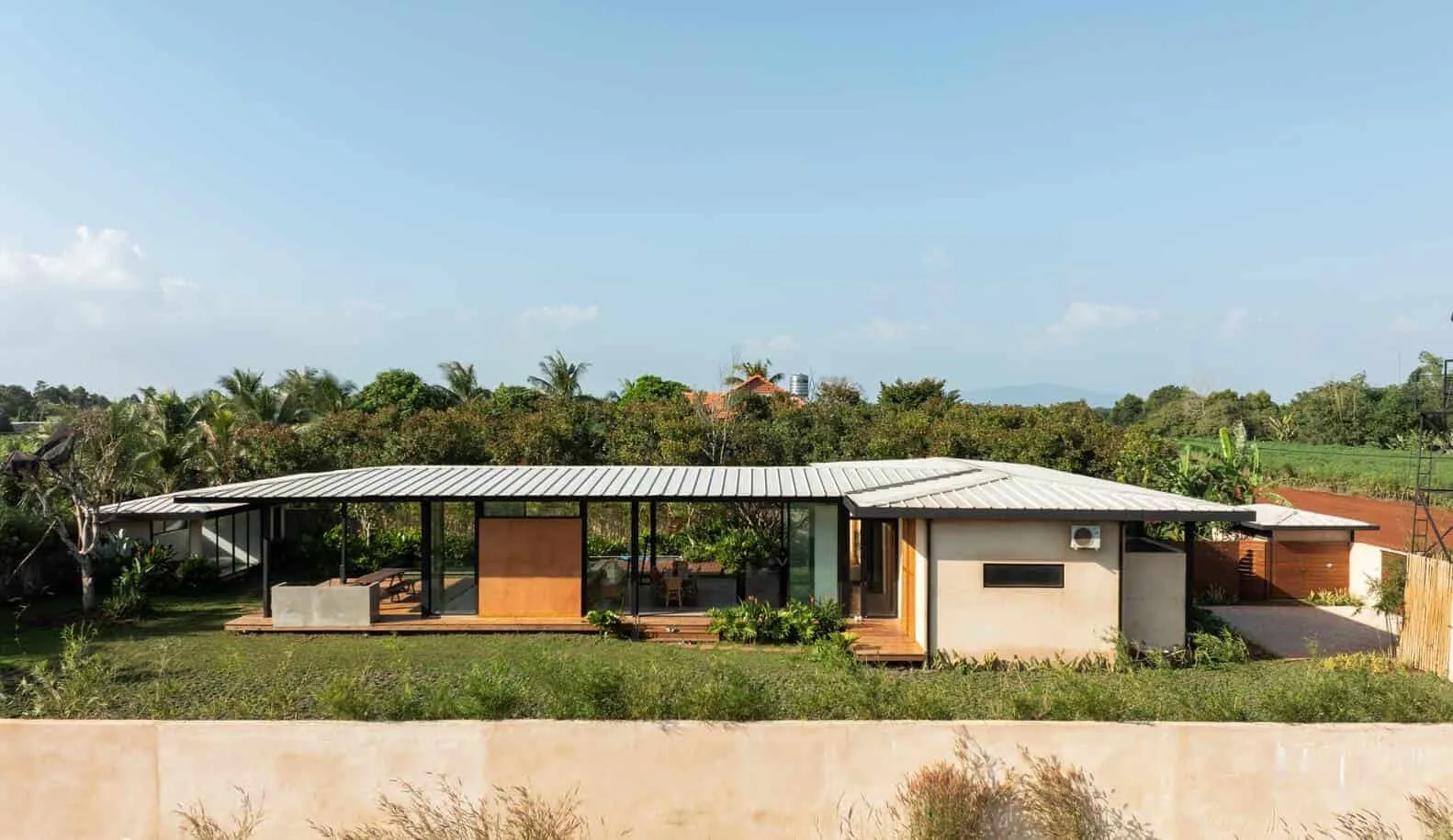 Photo © Phu DaoPhoto © Phu Dao
Concept and Layout: A Home in Dialogue with the Landscape
The design directly responds to the tropical environment. The house is organized in a T-shaped layout, dividing the site into functional wings while ensuring natural cross-ventilation and connection to the outside space.
- The main volume includes an open living area, dining room and kitchen — fully transparent towards the garden and pool.
- The private section, oriented perpendicular to the road, contains bedrooms and a small office, creating a sound and visual barrier between active family zones and the outside world.
- The gym and outdoor dining terrace open into the garden, connecting daily life with natural rhythms of sunlight, shade and wind.
This configuration maintains privacy, ensures sea breeze airflow and creates a seamless boundary between architecture and landscape.
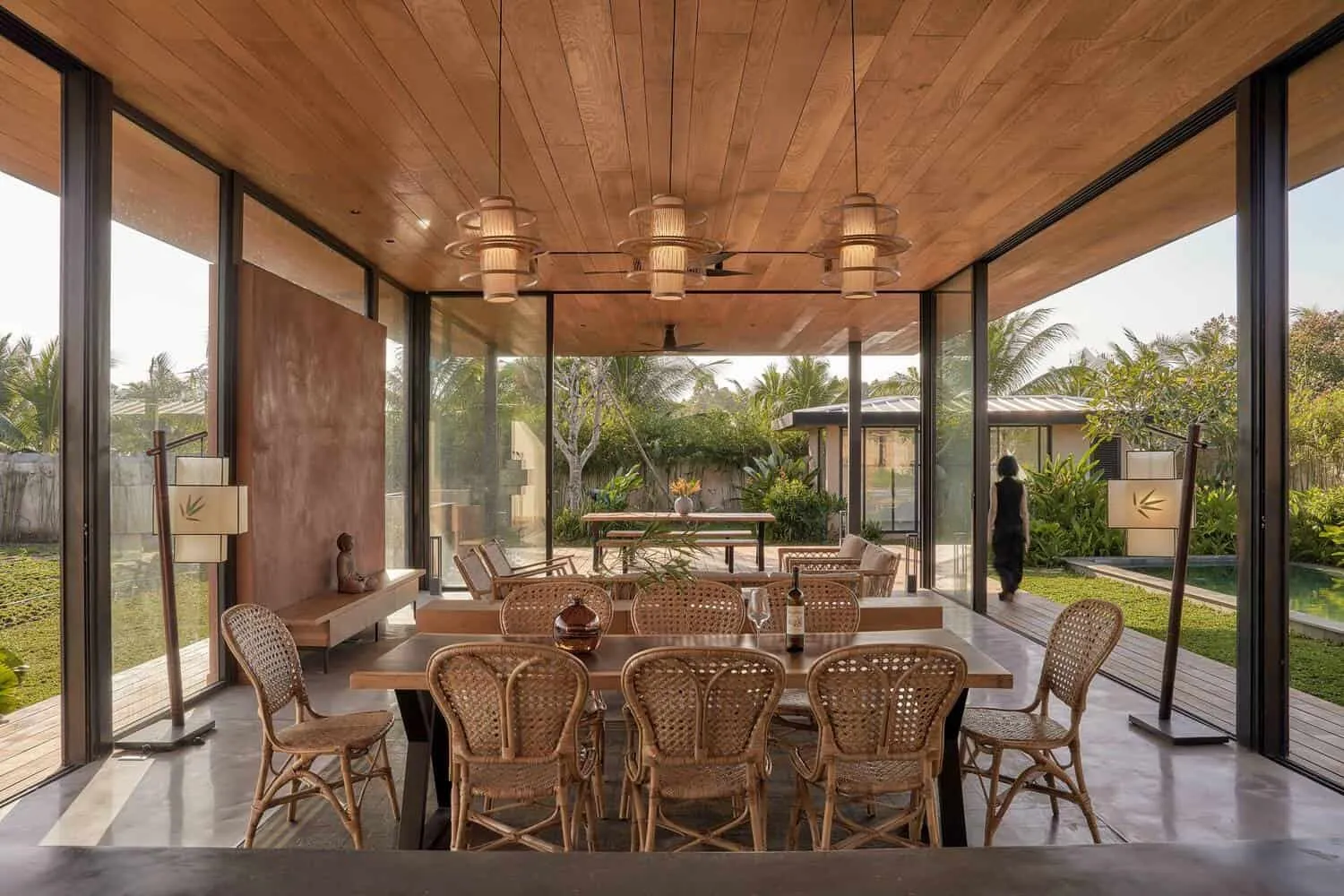 Photo © Phu Dao
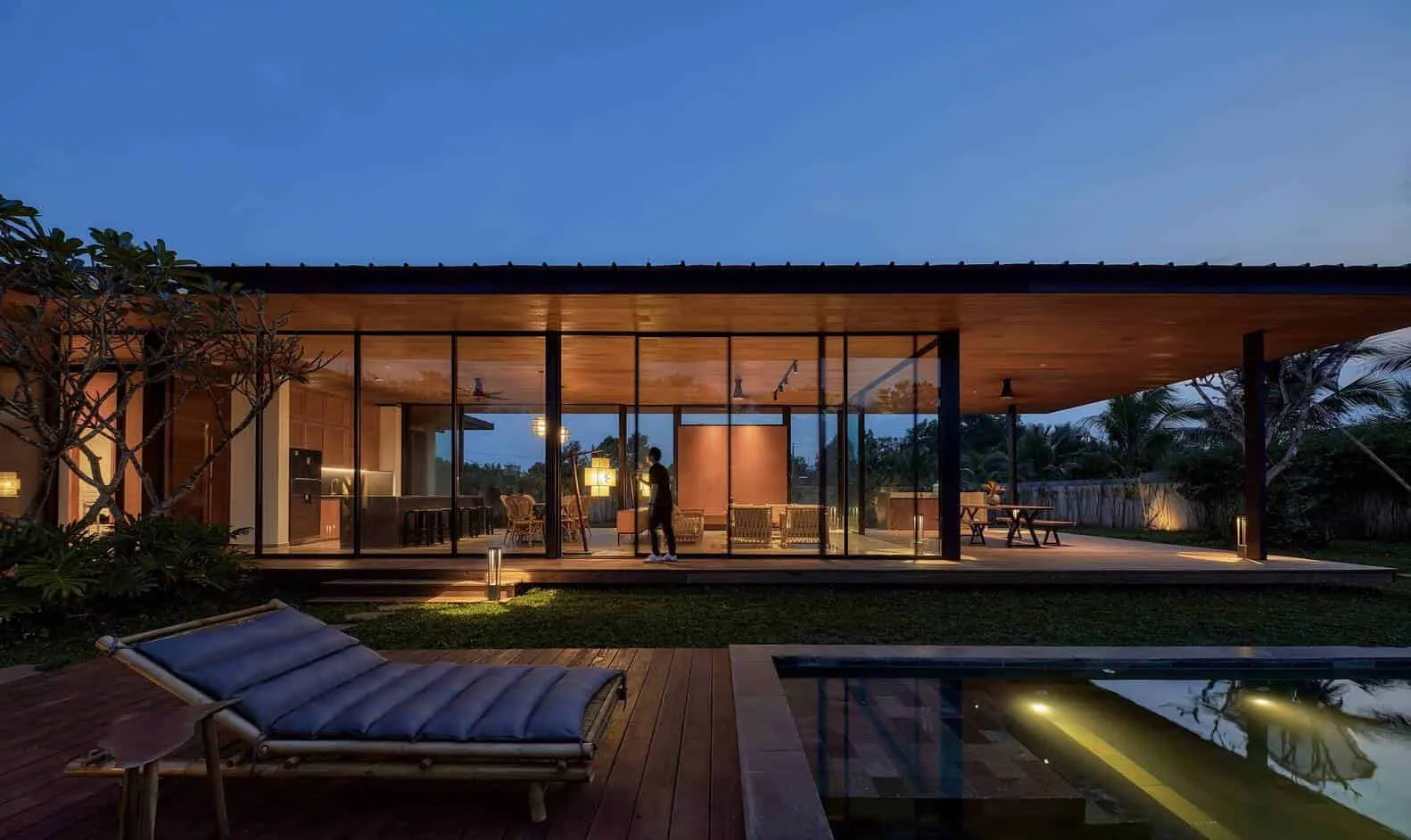 Photo © Phu Dao
Bioclimatic Principles and Passive Comfort
Every design decision stems from the tropical climate of Vietnam. Architects carefully studied solar orientation, weather conditions and prevailing winds to optimize thermal comfort without mechanical dependence.
Key passive strategies include:
- Wide roof overhangs, providing shade to facades and terraces from the sun and monsoon rains.
- 20-30 cm layer of rice husk in the roof offering excellent thermal insulation using agricultural waste.
- Lightweight concrete blocks with internal air cavities to reduce thermal mass and stimulate ventilation.
- Ceiling fans and sliding glass partitions, enhancing airflow and reducing need for air conditioning.
- Rainwater harvesting and local plants for sustainable water supply.
The result is a house that remains several degrees cooler than the surrounding environment, naturally lit and ventilated throughout the day.
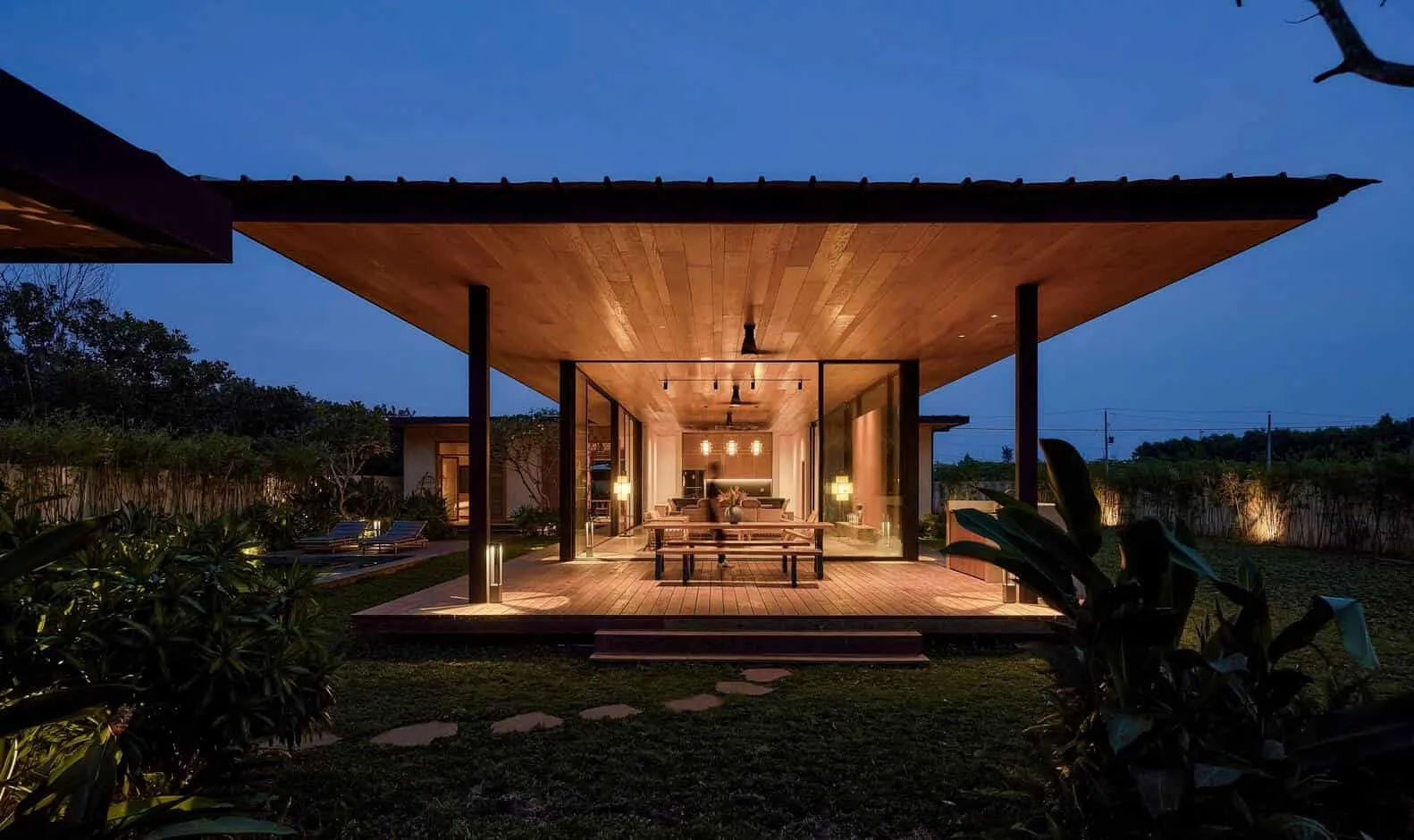 Photo © Phu Dao
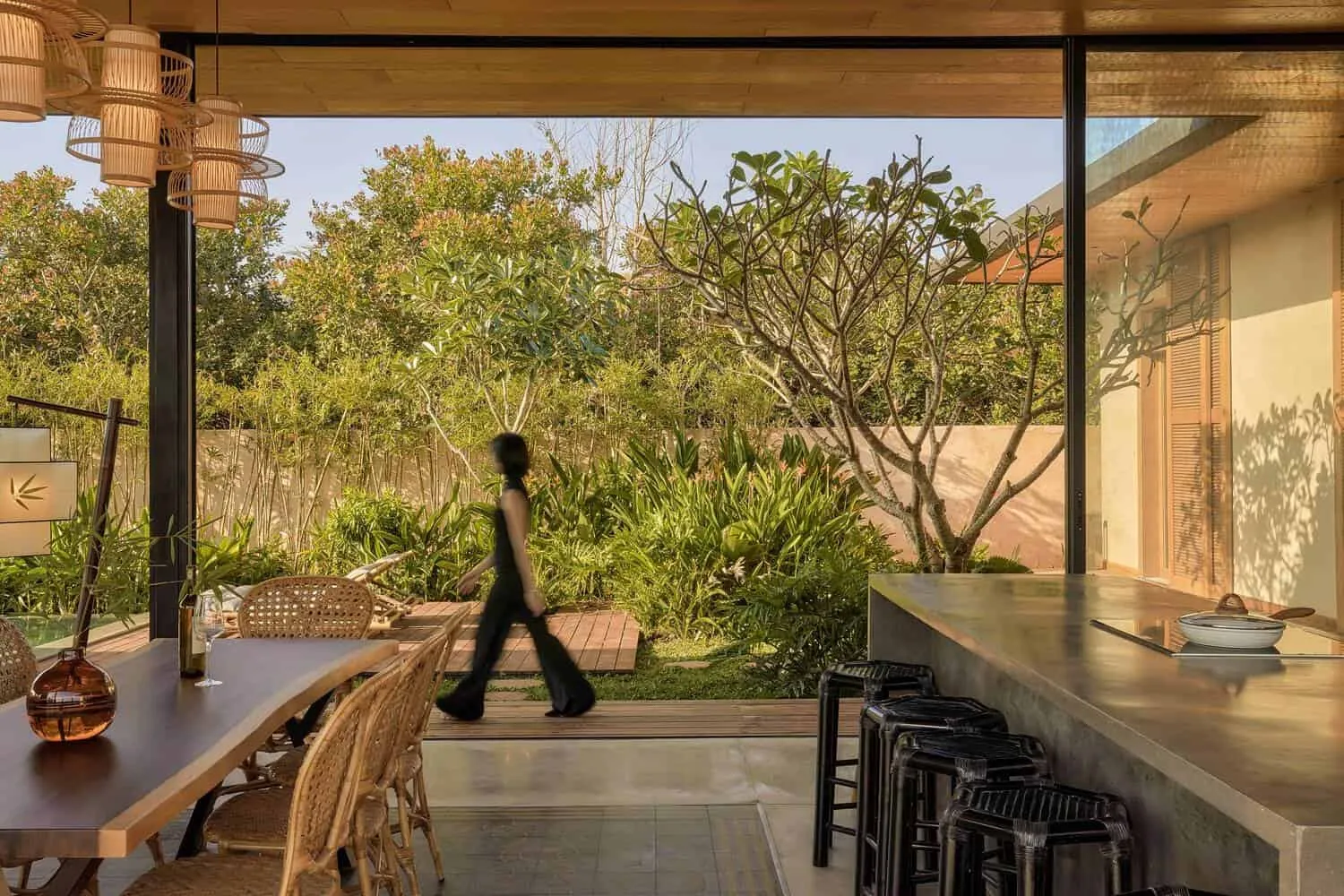 Photo © Phu Dao
Materials and Craftsmanship: Honesty and Warmth
The choice of materials is based on simplicity, locality and durability. Architects prioritized natural and regional materials with minimal processing:
- Concrete and wood form the structural framework.
- Rice husk insulation replaces industrial foams or synthetic materials.
- Clay tiles, bamboo screens and limestone plaster convey tactile regional appeal.
- Local artisans executed individual details, from kitchen cabinets to connections, strengthening the link between craftsmanship and place.
These materials will age with dignity, acquiring patina while maintaining their functions — expressing the project's respect for time and environment.
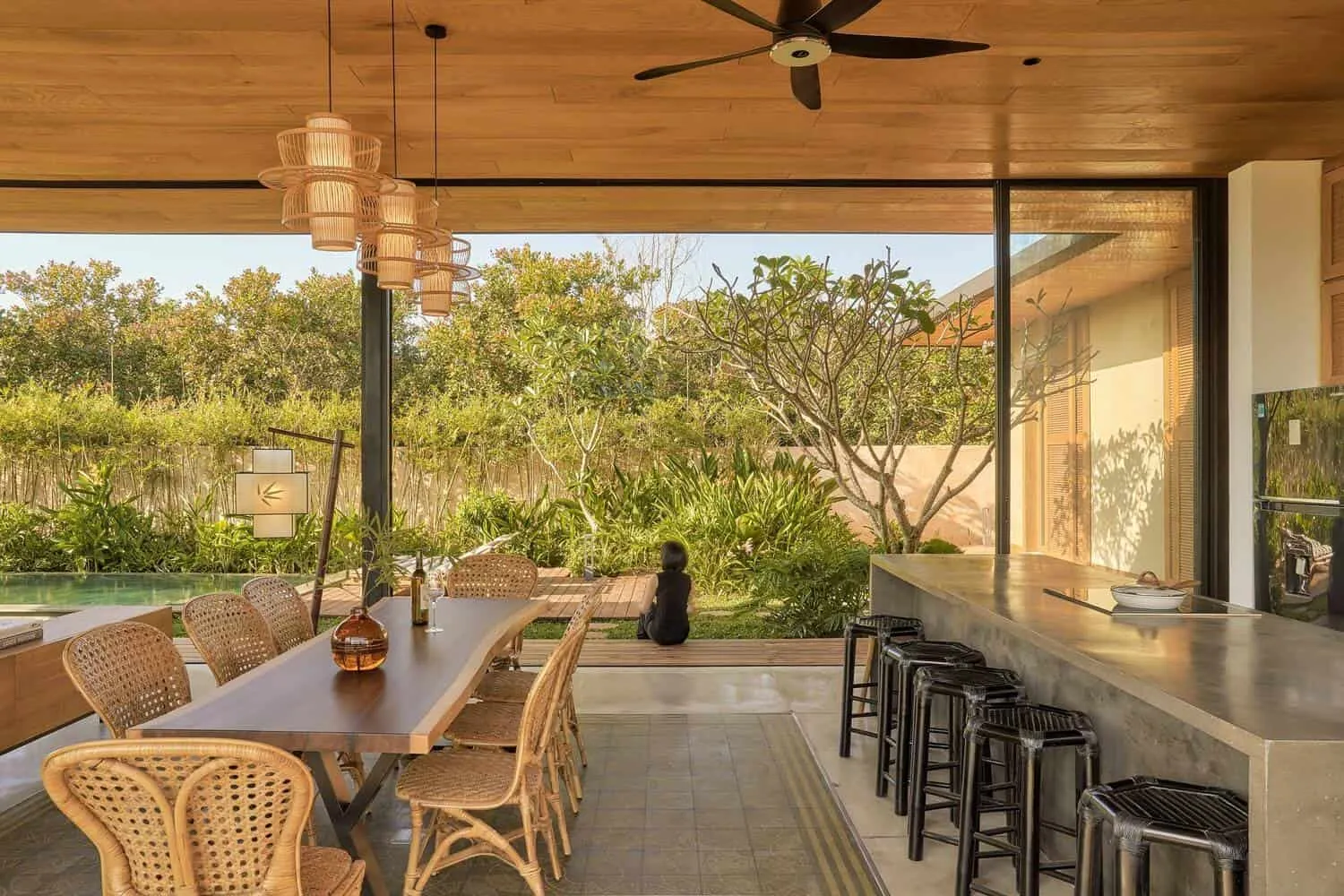 Photo © Phu Dao
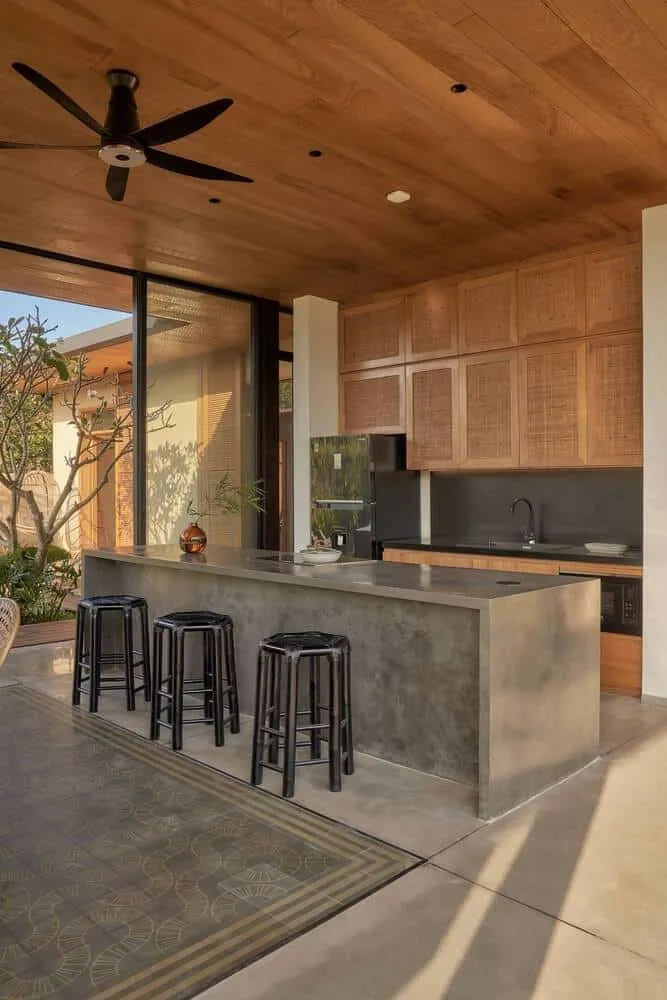 Photo © Phu Dao
Light, Landscape and Experience
Daylight gently filters through roof apertures and bamboo screens, creating dynamic shadows as time passes. Sliding glass doors eliminate the boundary between interior and garden, allowing the house to "breathe".
The outdoor dining area, slightly elevated above ground level, allows the family to enjoy tropical evenings in comfort, protected from humidity and insects. The garden bathroom, semi-open and covered, embodies the biophilic essence of the project — private yet naturally lit and ventilated.
The landscape design enhances the home's ecological features: local plants, fruit trees and ground cover attract biodiversity requiring minimal maintenance — especially important for a weekly getaway.
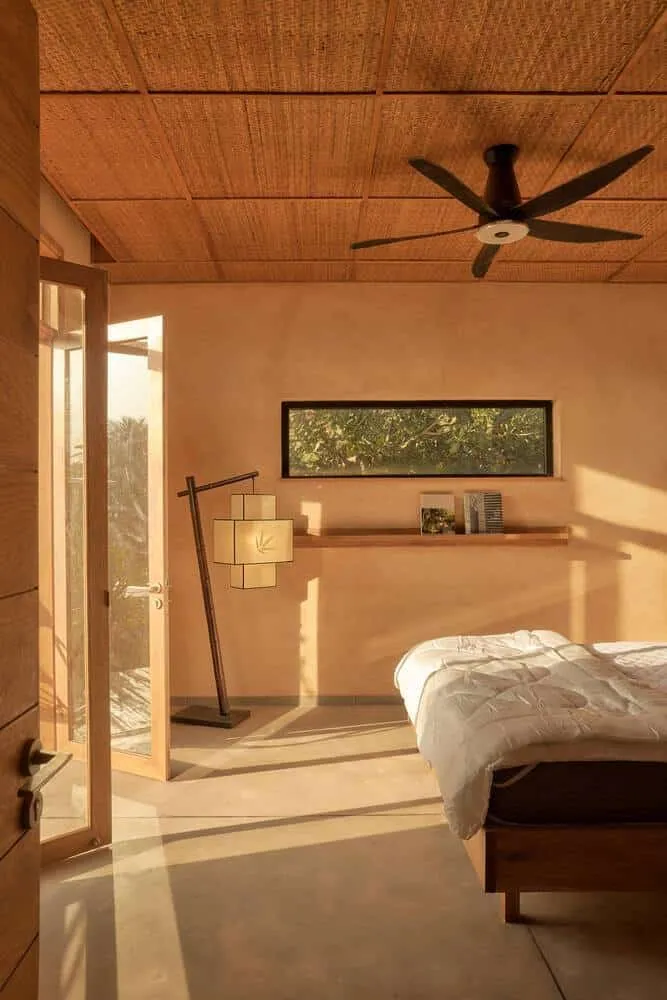 Photo © Phu Dao
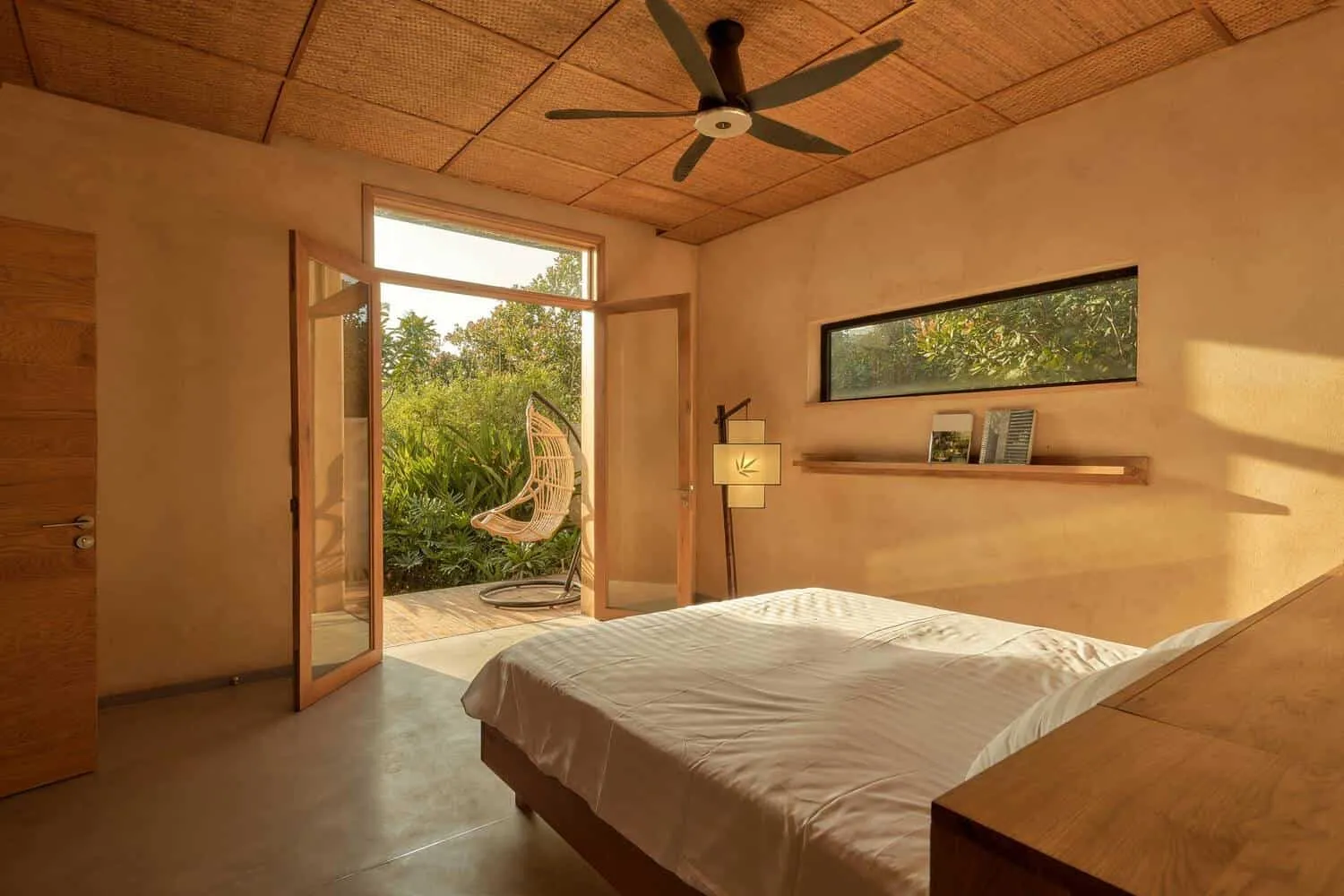 Photo © Phu Dao
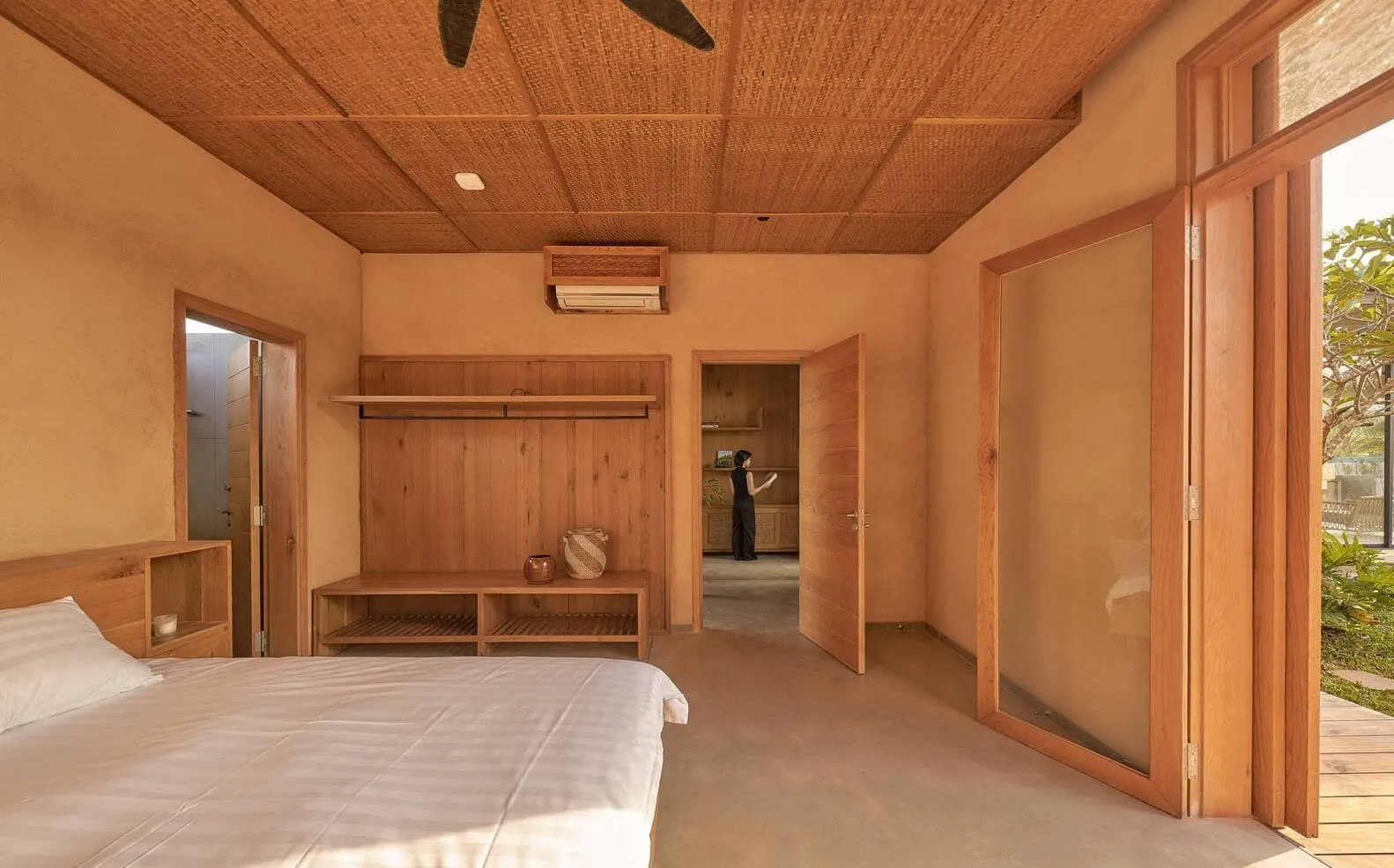 Photo © Phu Dao
Lighting and Atmosphere
Kobi Lighting Studio collaborated on the lighting design, integrating soft, low-impact illumination that highlights textures and rhythms of the architecture. Minimizing glare and light pollution, the system reflects the project's sustainable philosophy, ensuring energy efficiency and visual comfort at night.
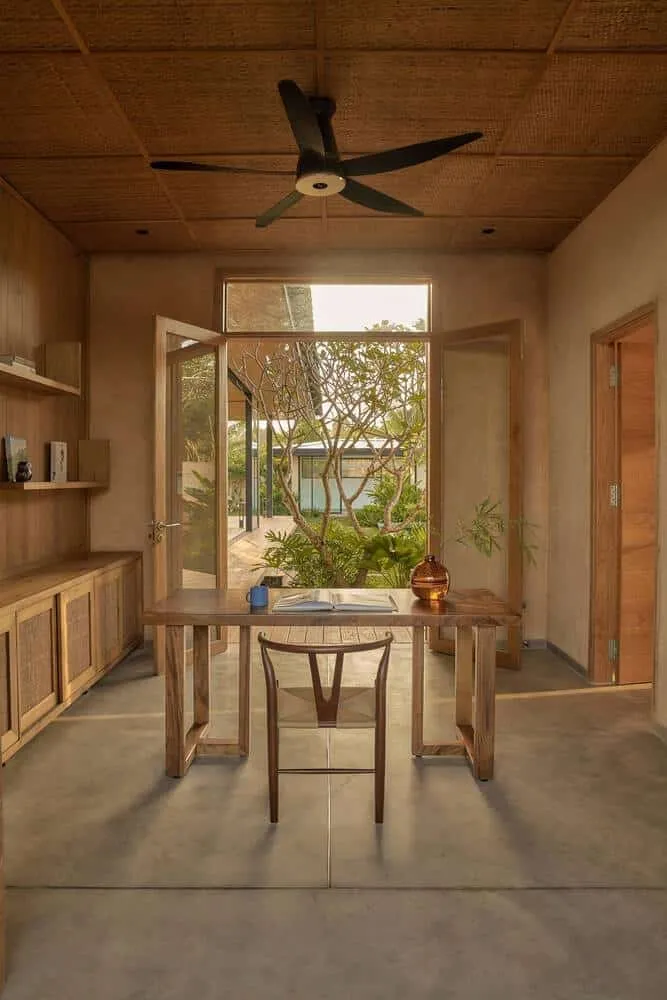 Photo © Phu Dao
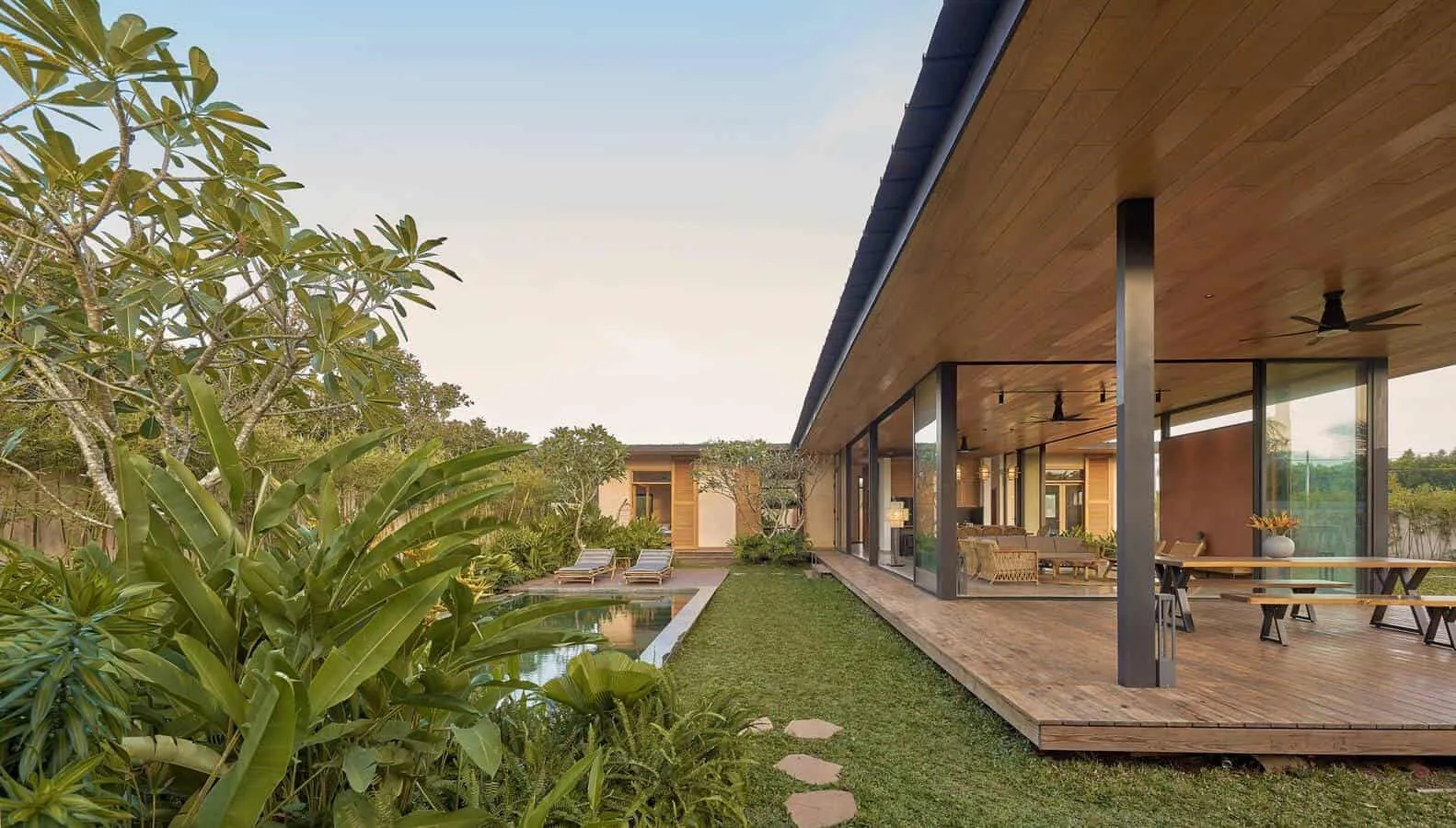 Photo © Phu Dao
A New Model of Sustainable Tropical Housing
The Eco-Friendly Vacation Home by Kanopea + T3 Architects in Vietnam is more than just a holiday house. It's a prototype of responsible luxury. Through passive design, local material use and mindful simplicity, architects demonstrate how beauty can coexist with sustainability.
This project redefines tropical architecture for the future: light, breathable and fully harmonizing with nature — a sanctuary proving that eco-friendliness is not just style, but lifestyle.
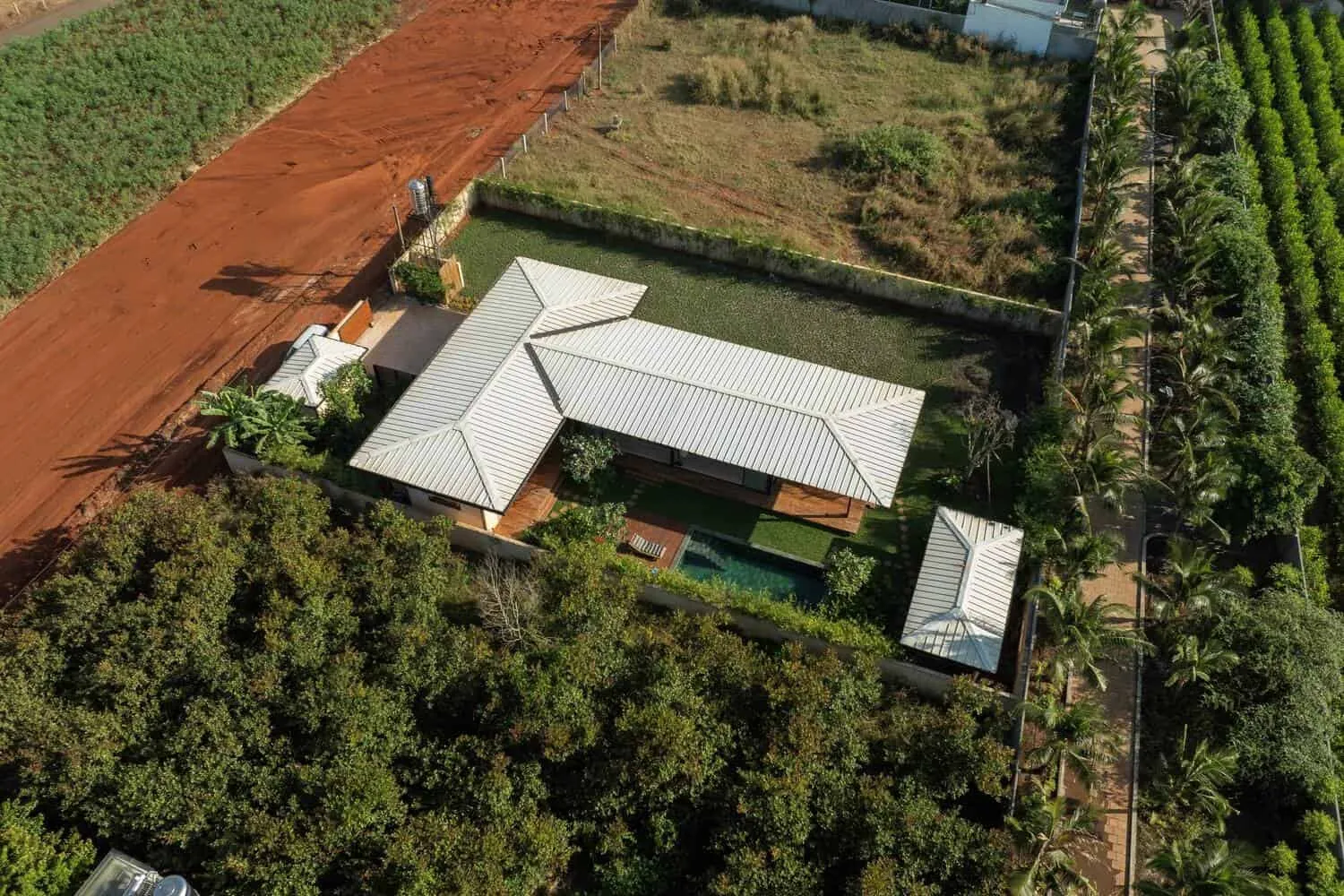 Photo © Phu Dao