Sky City TOD by Superimpose Architecture in Hangzhou, China
Project: Sky City TOD
Architects: Superimpose Architecture
Location: Yuhan District, Hangzhou, China
Area: 775,001 sq ft (architecture), 1,668,406 sq ft (master plan)
Year: 2022
Photos by: CreatAR images, WANBAN VISION
Sky City TOD by Superimpose Architecture
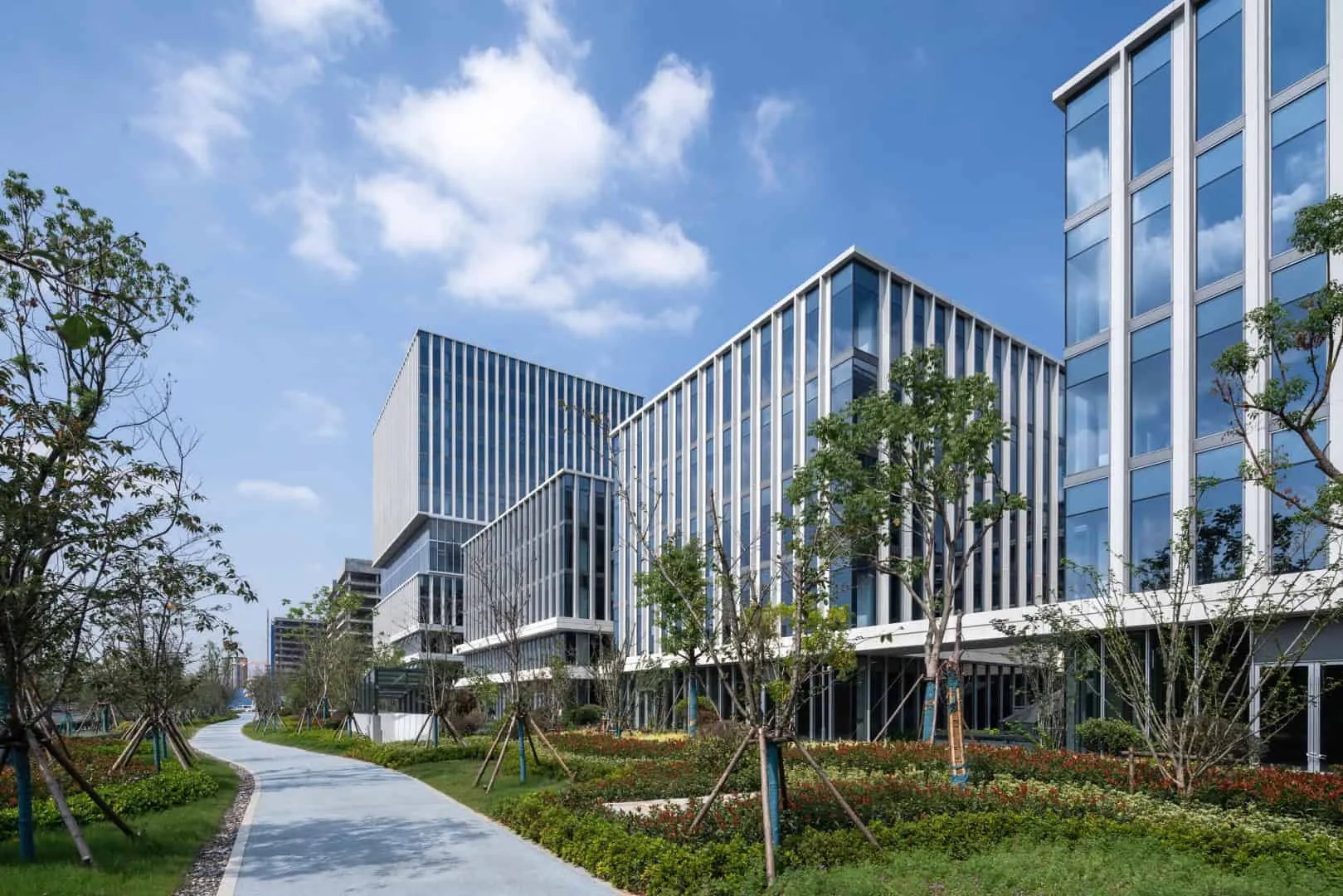
Superimpose Architecture completed the mixed-use Sky City TOD with a unique and green arrival in Hangzhou, China. Development around transit-oriented developments (TOD) is a growing urban type, especially in China.
The most distinctive feature of TOD is that during the planning phase one or several high-class public transportation stations are integrated into mixed-use developed areas using efficient pedestrian or bicycle routes. One square kilometer of Uni-City — designed by SOM — is located in its own "Silicon Valley" in Hangzhou, situated next to Chinese e-commerce giants such as Alibaba and Tencent.
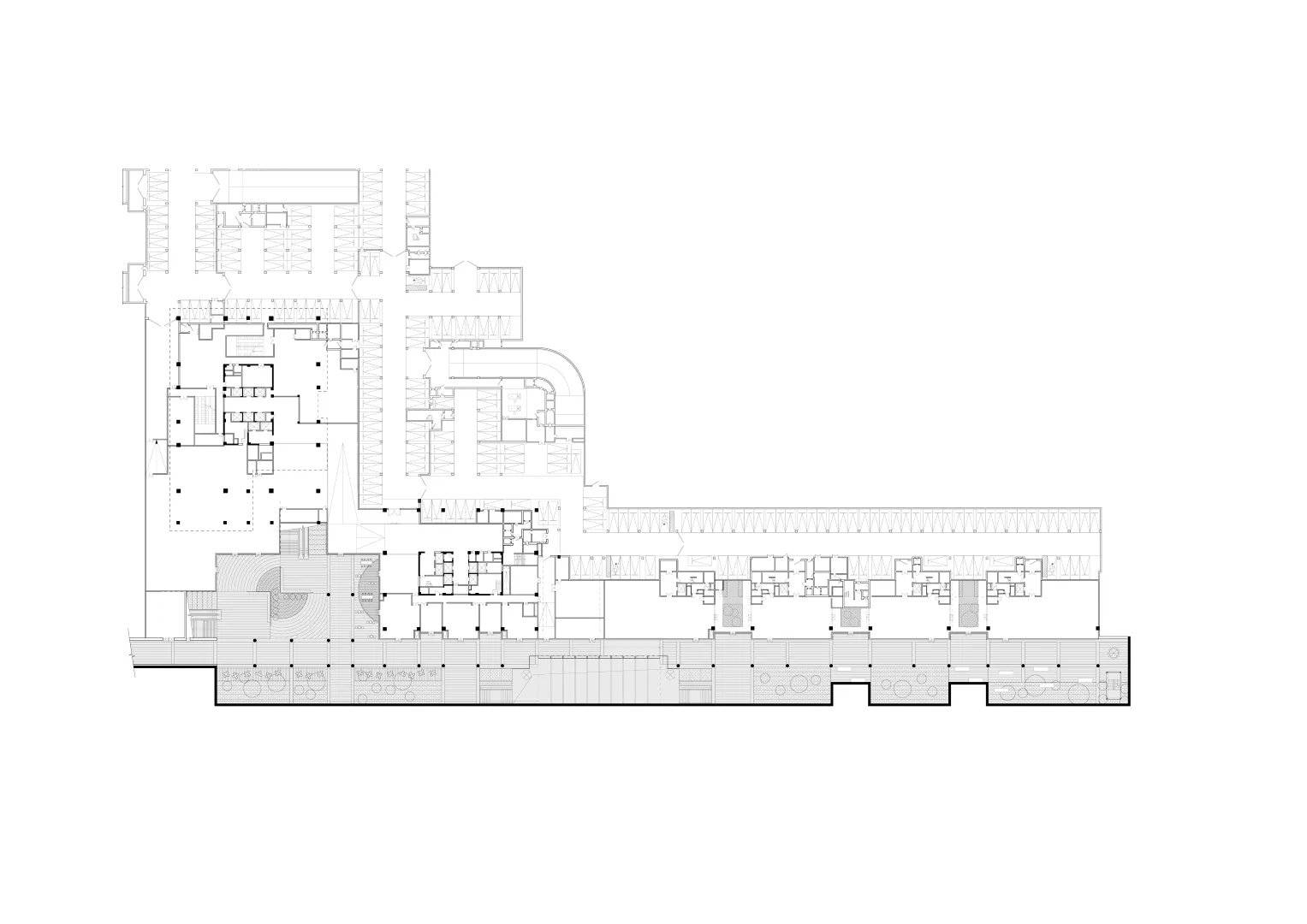
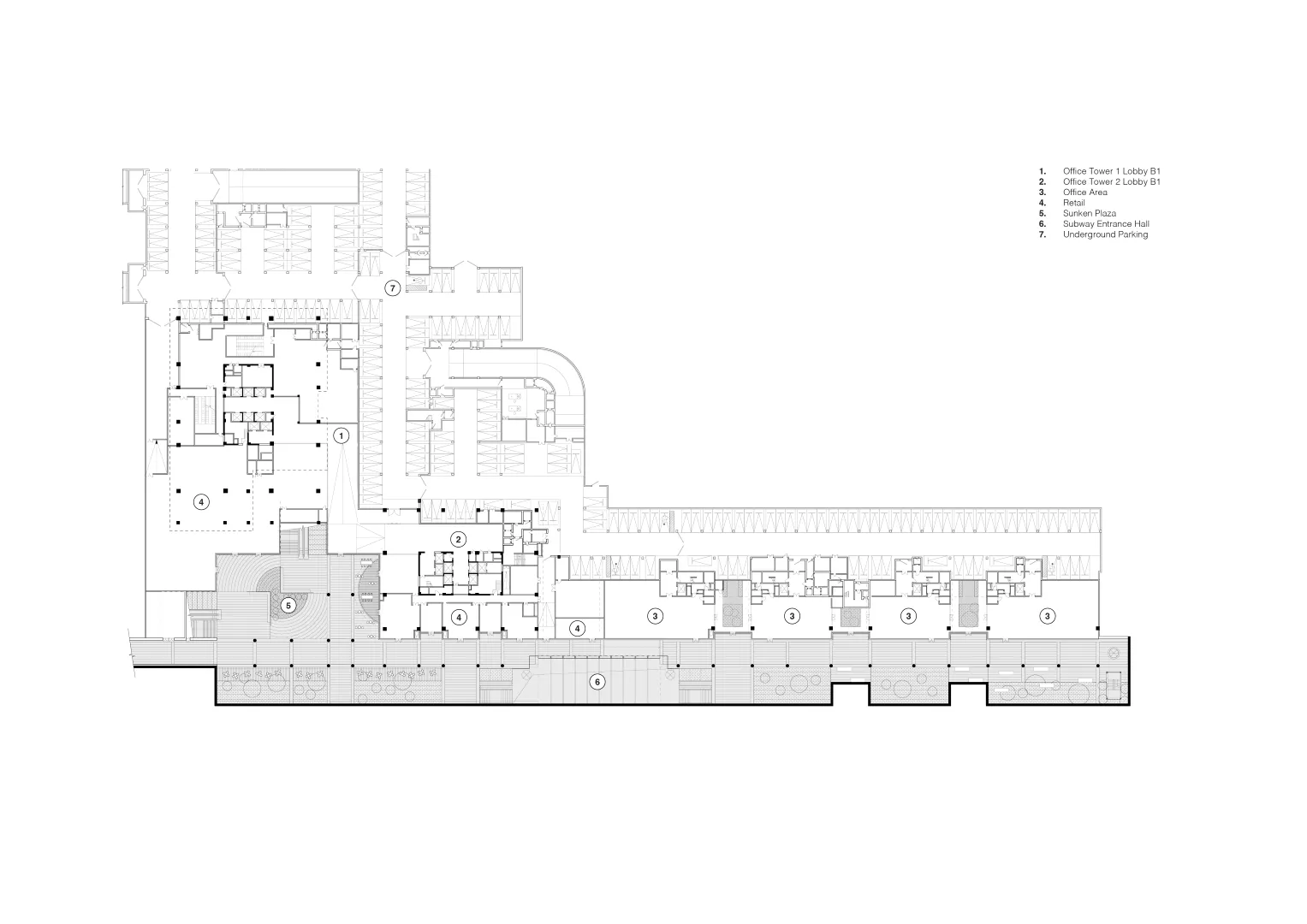
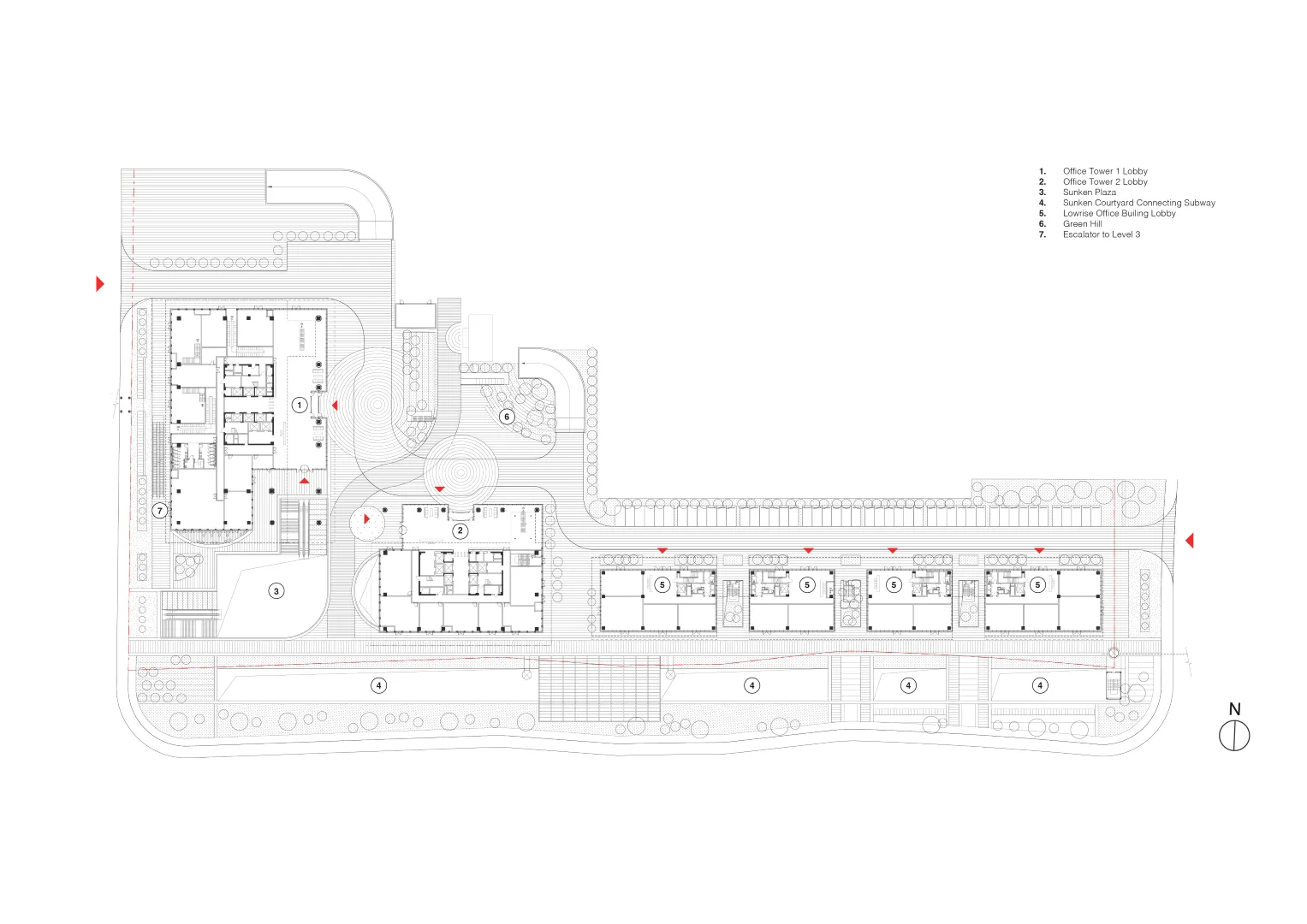
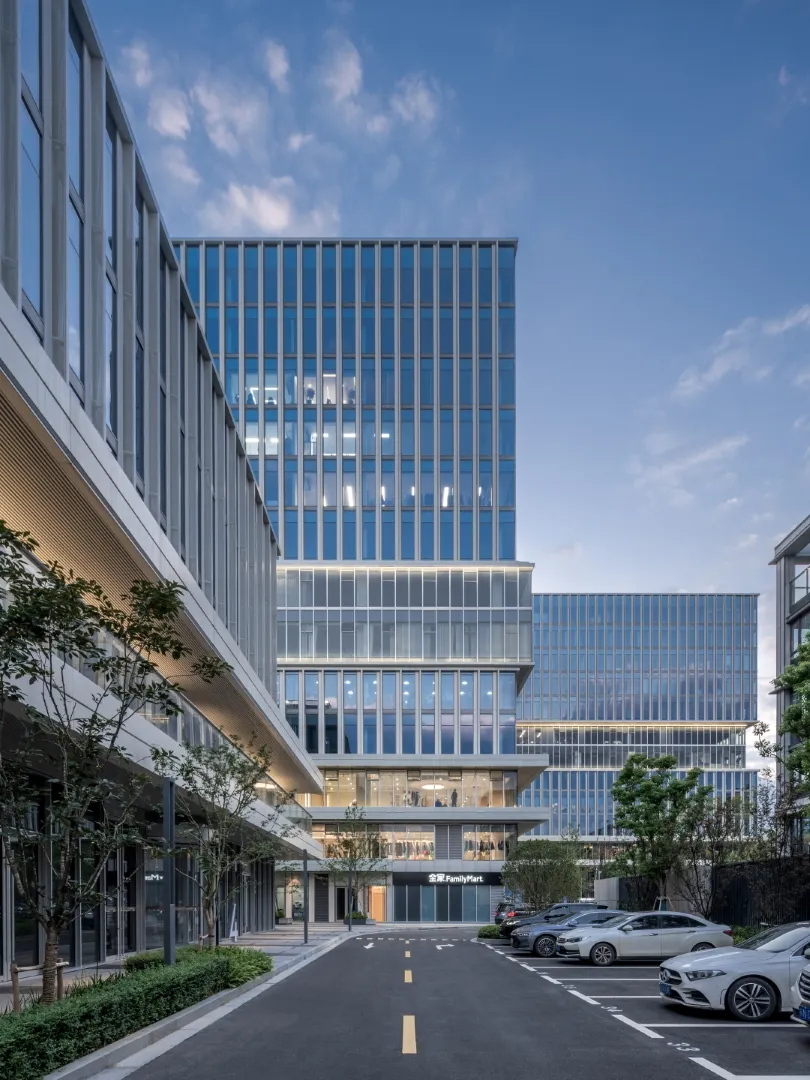
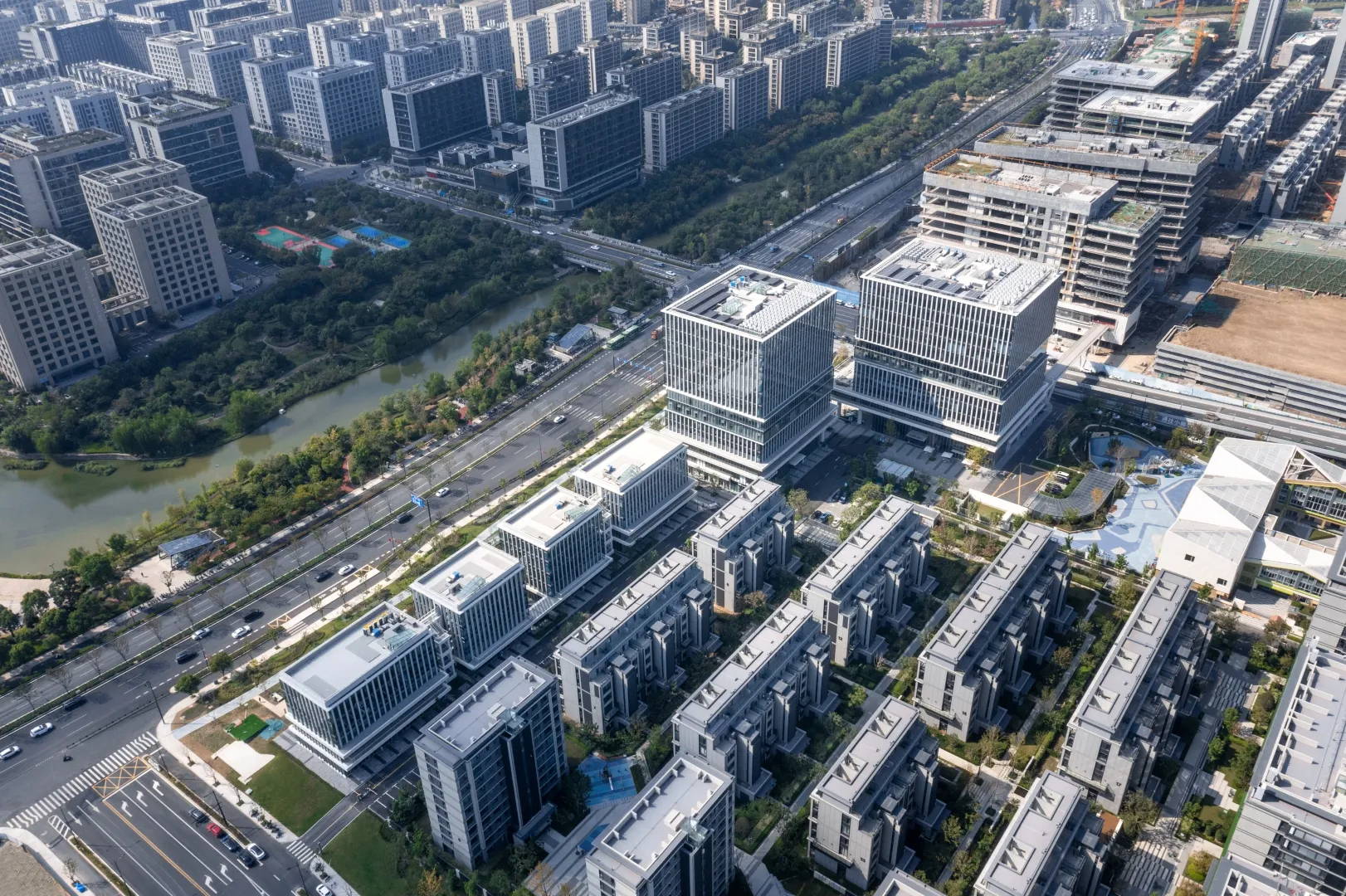
As part of this master plan, Superimpose Architecture designed the "Sky City" for Vanke Hangzhou and Hangzhou Metro Group. The Sky City is a 72,000 square meter project featuring two office towers, four office villas, and retail space near a new subway station. The TOD will serve as the main connection and transportation hub of Uni-City. Superimpose Architecture won a closed tender for this project, carefully integrating pedestrian routes and creating a unique and green arrival situation for the subway.
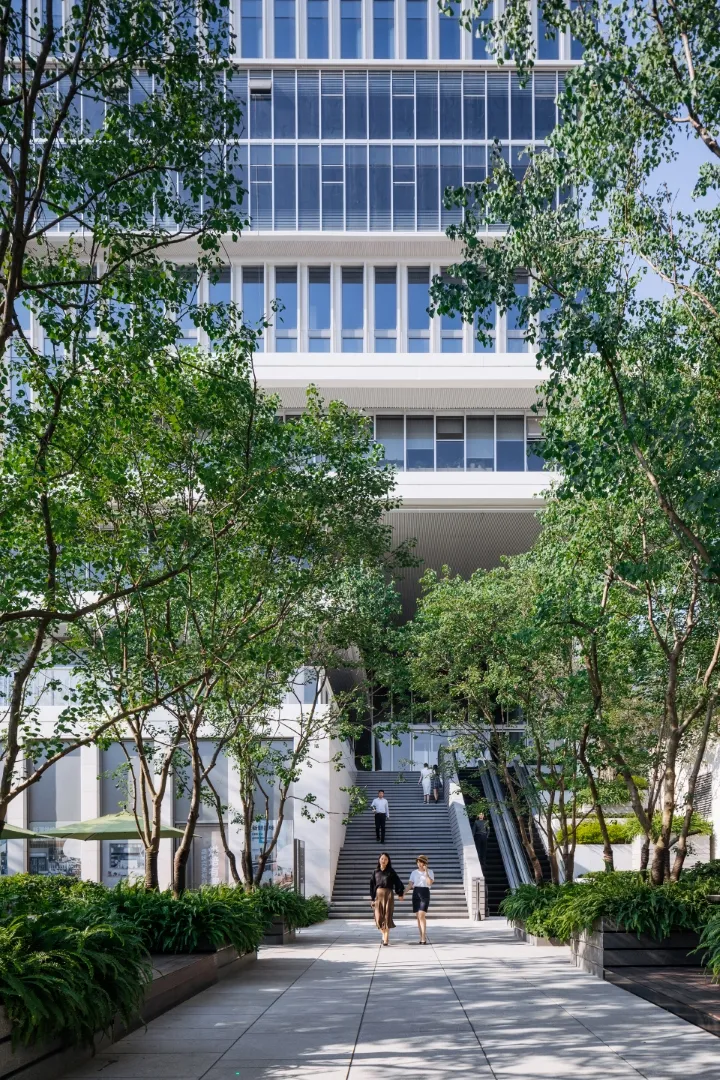
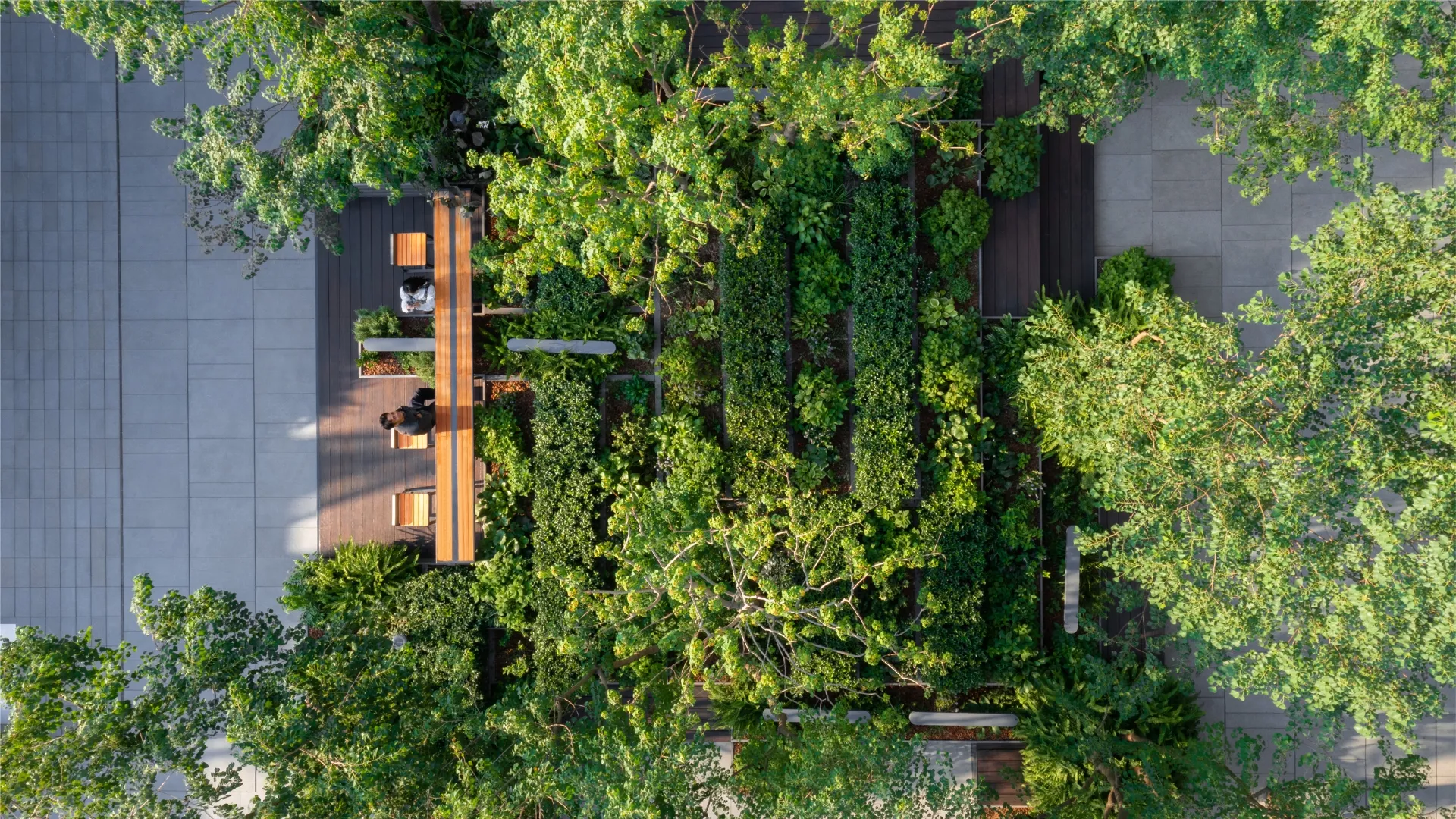
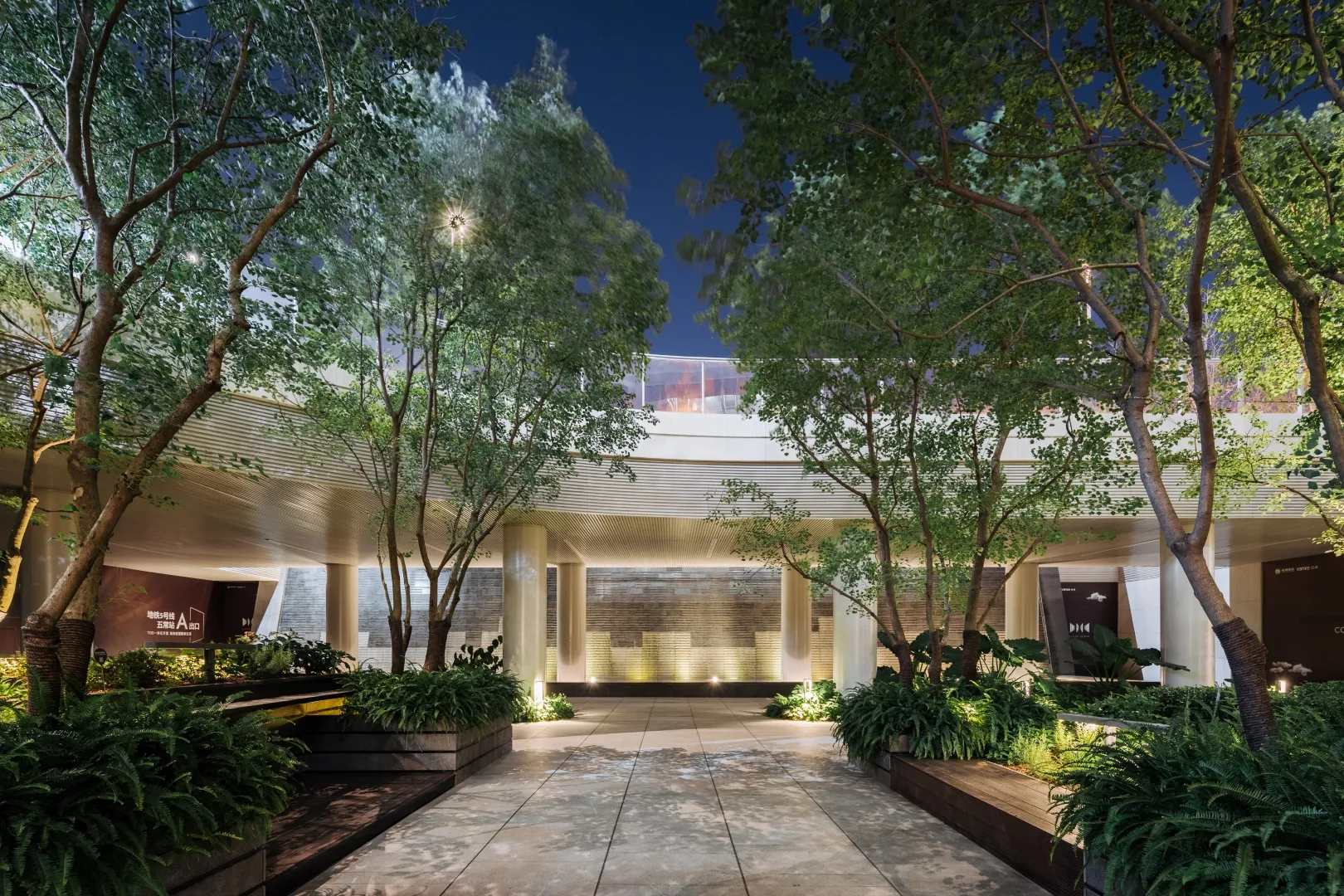
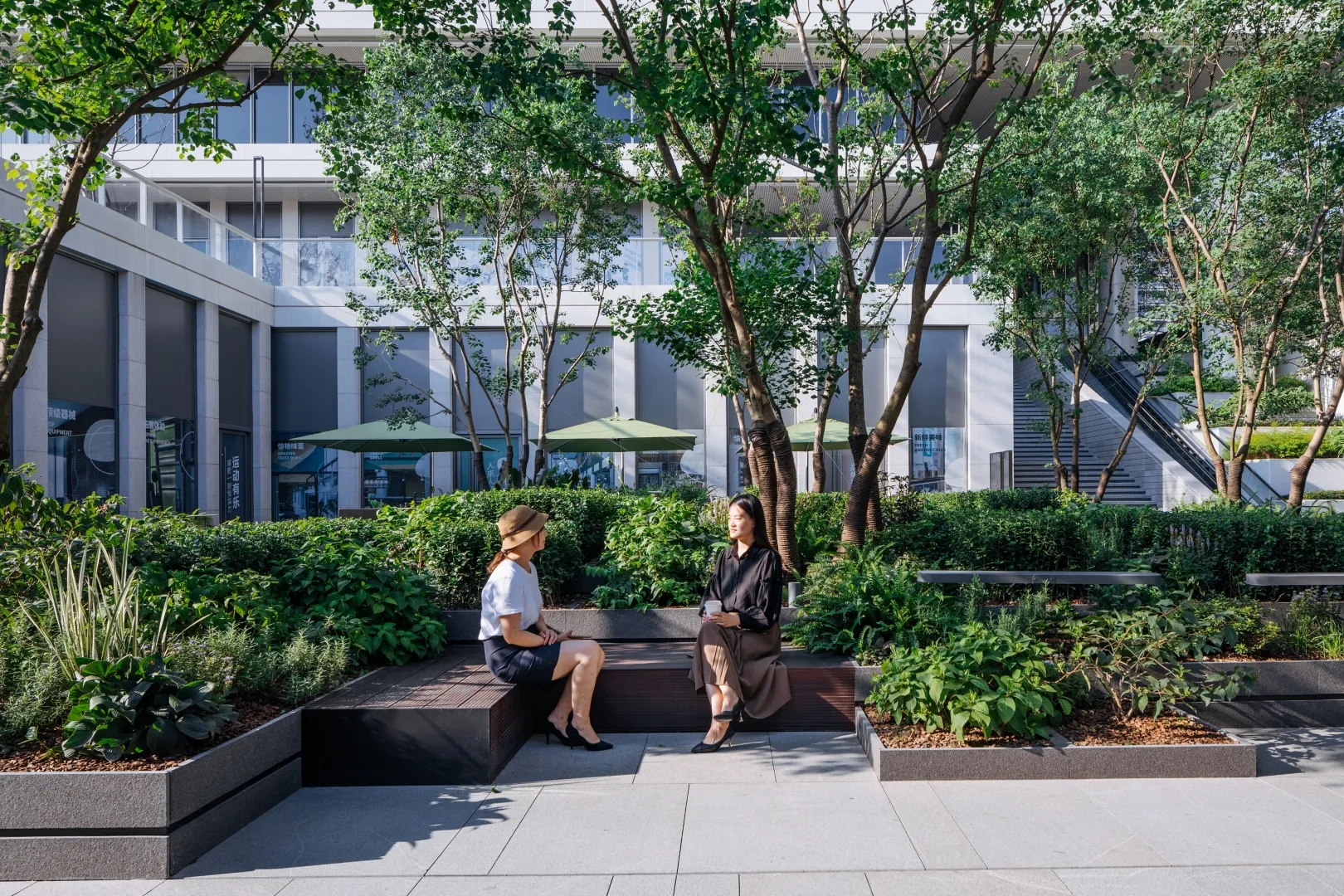
Superimpose Architecture integrated a government-owned green corridor into the project and created landscape spaces to allow more natural light in otherwise dark underground areas. Thus, the project offers passengers a unique, pleasant, green, and smooth transformation from subway arrival to urban development.
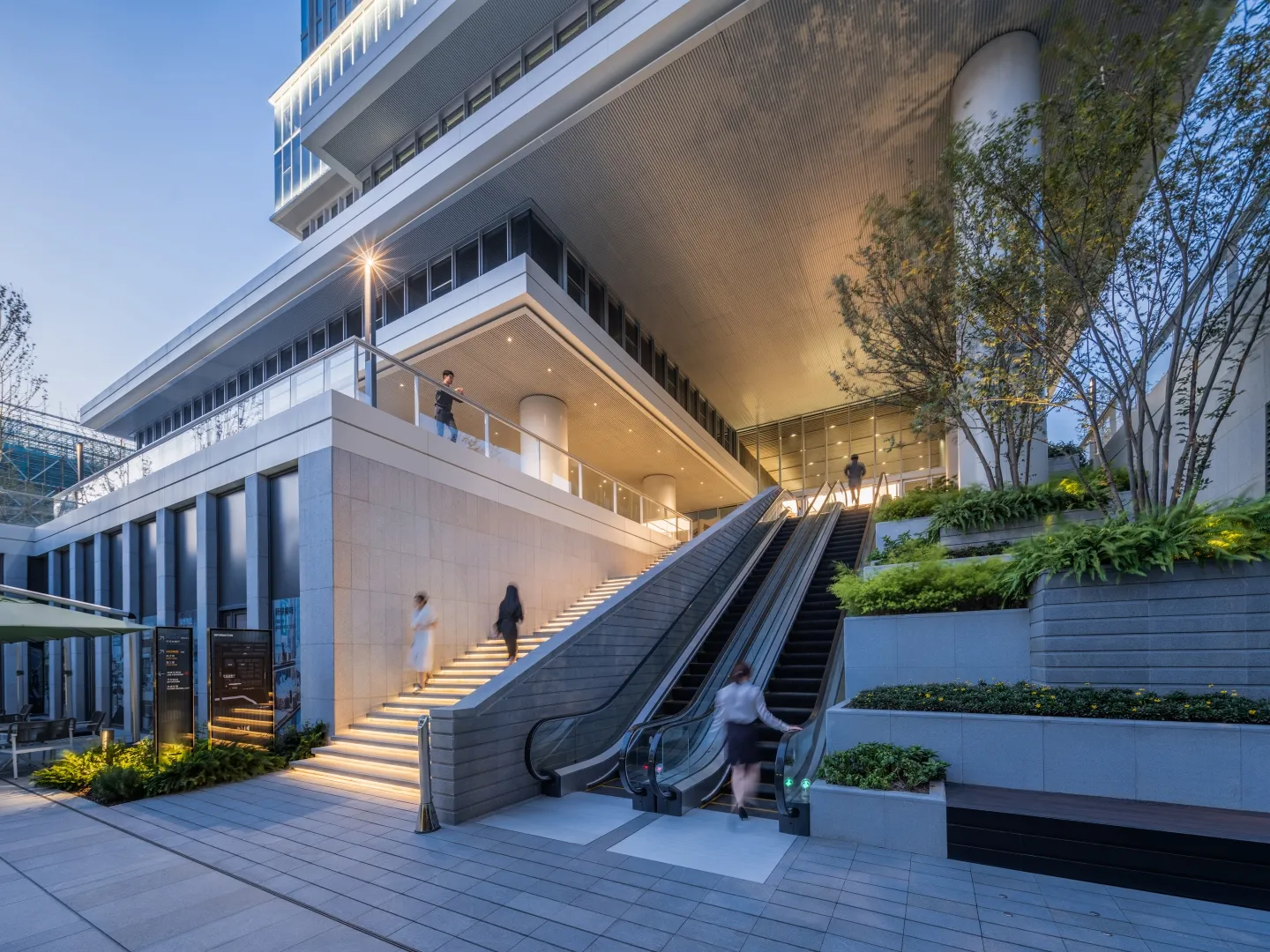
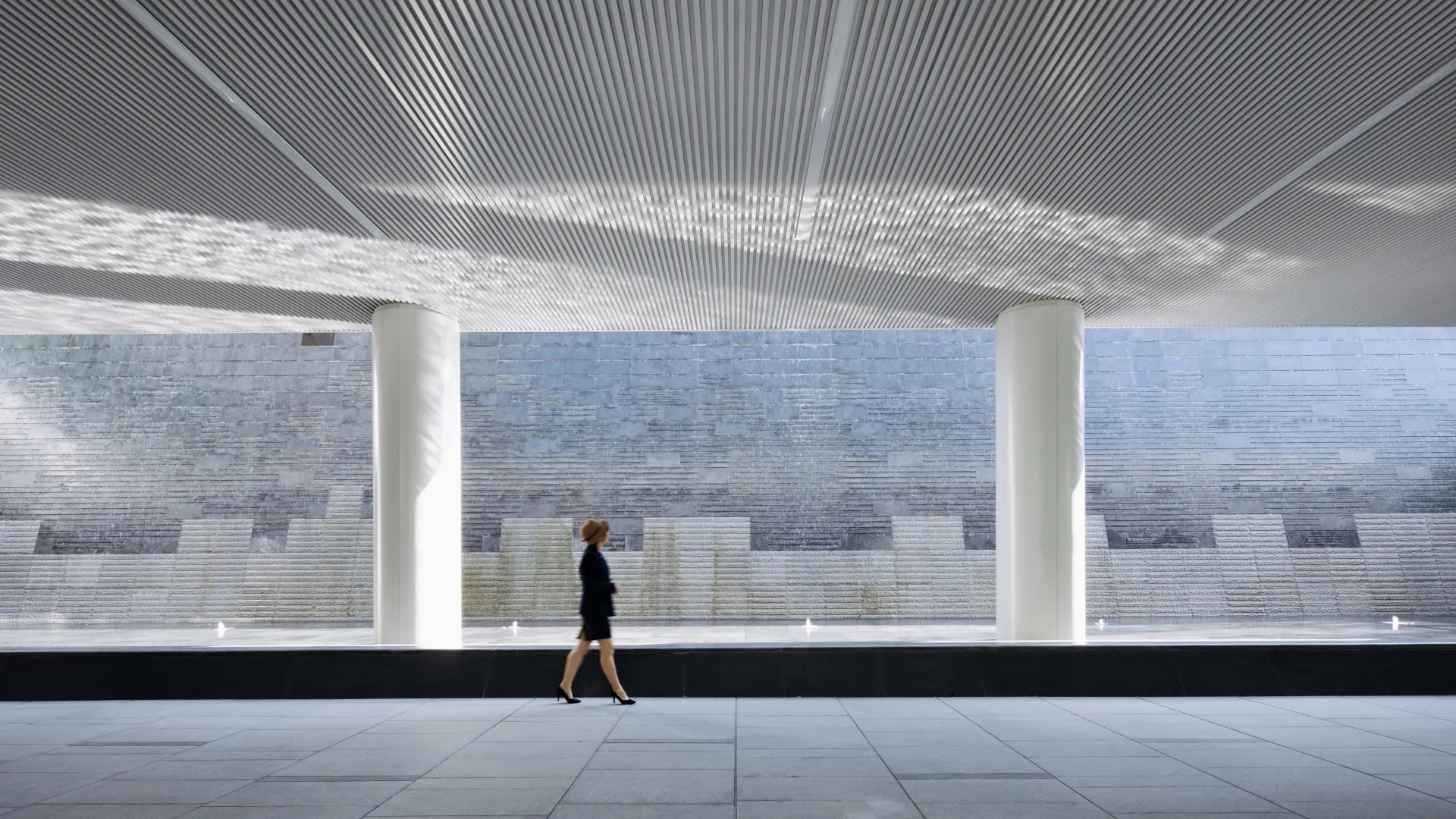
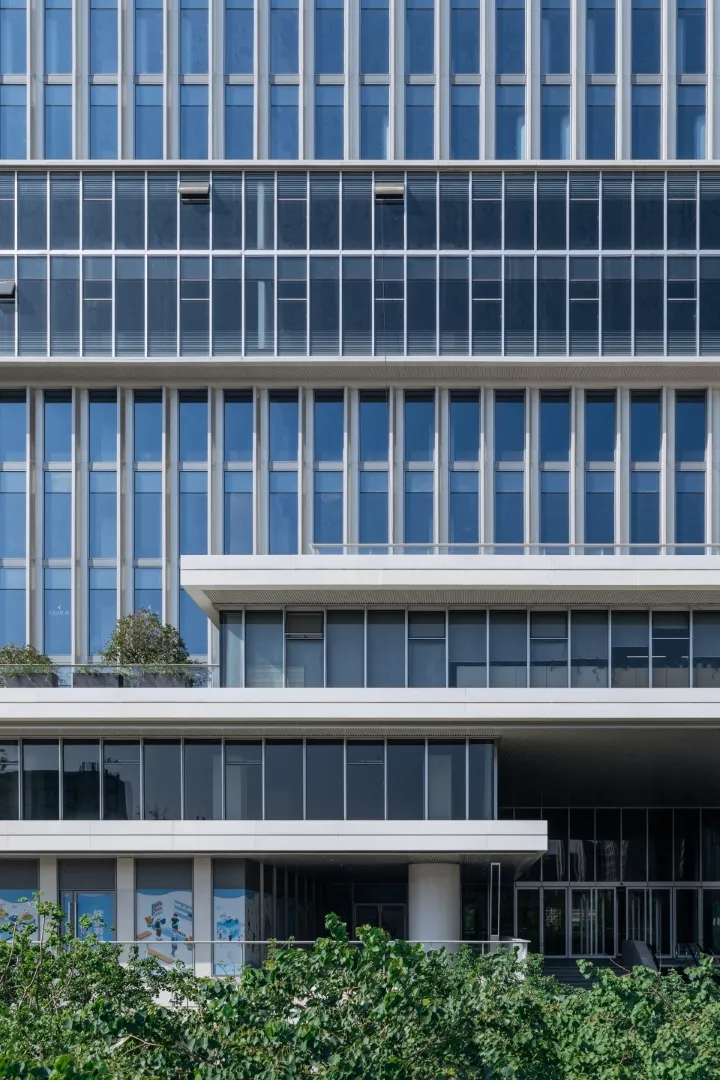
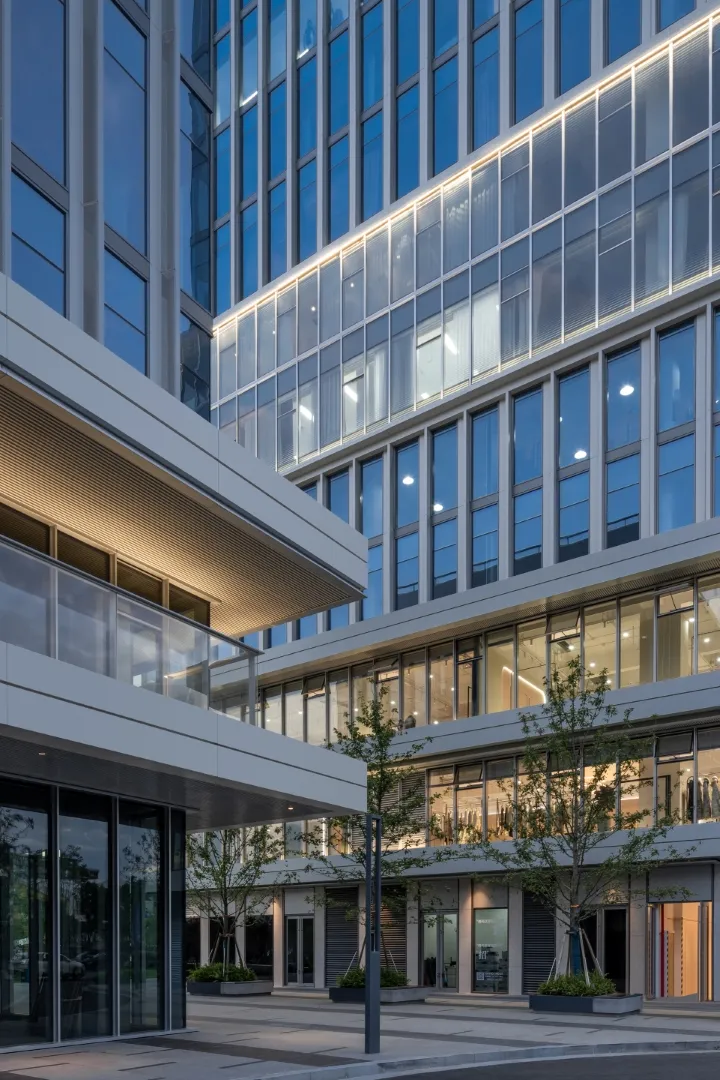
The project is defined by the concept of "Valley" for underground levels and "Cloud" for upper levels. The "Valley" relates to human scale and natural integration of greenery and water. The valley is architecturally defined by shifting slabs that provide terraces or canopies for the lower levels. Strategically placed stairs and escalators connect underground levels with upper floors and ultimately to a pedestrian bridge on the third level, connecting to a neighboring cultural site.
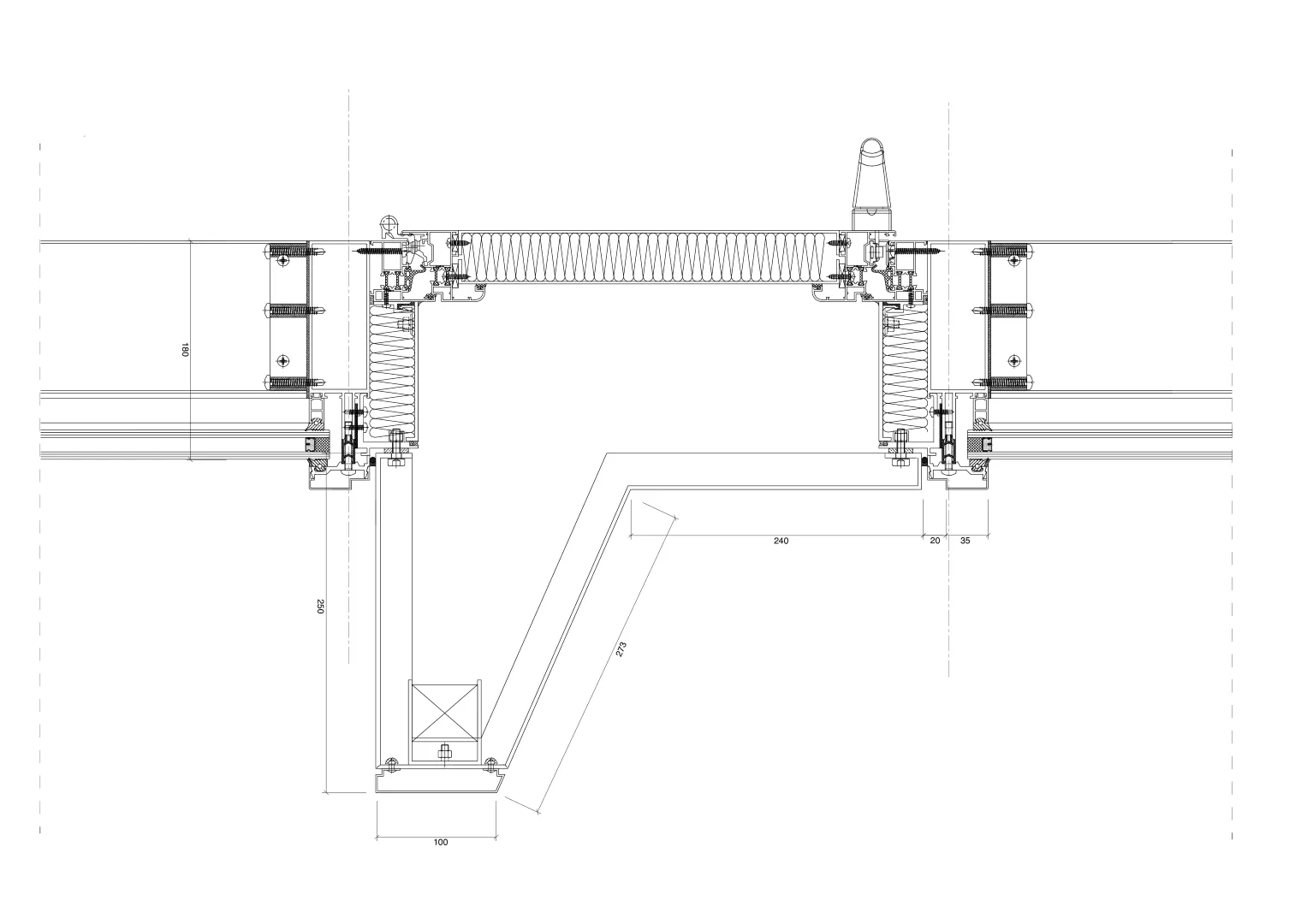
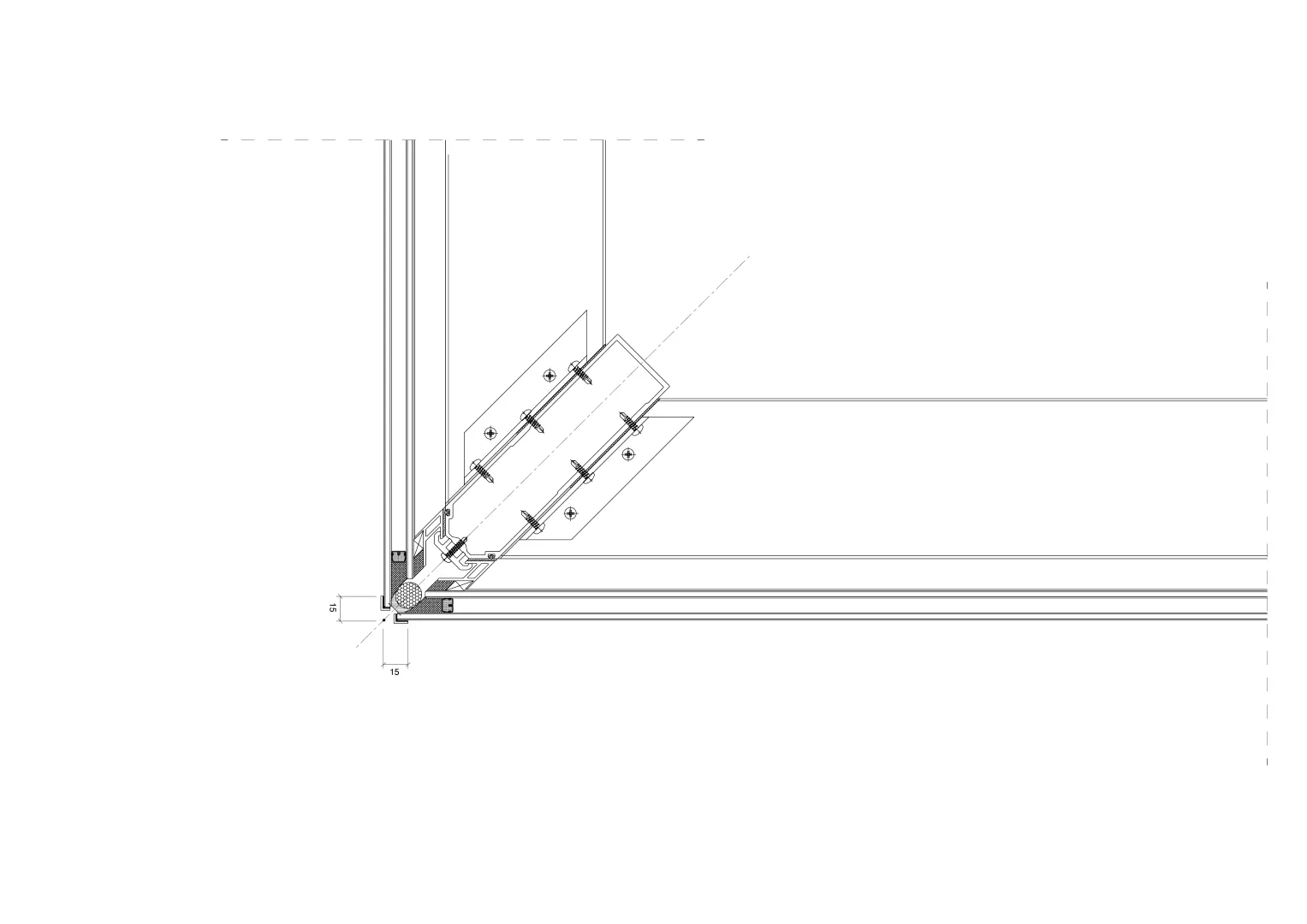
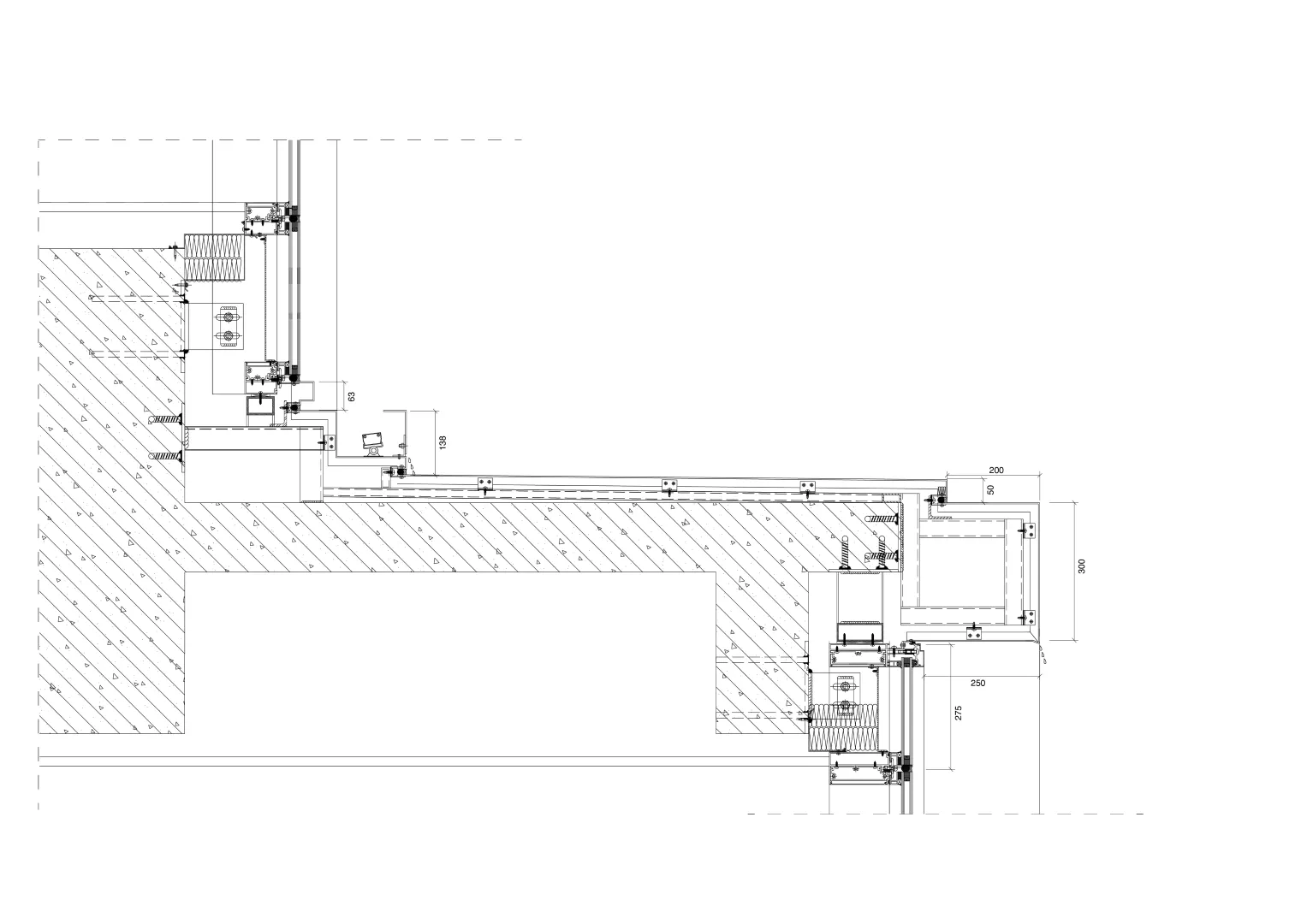
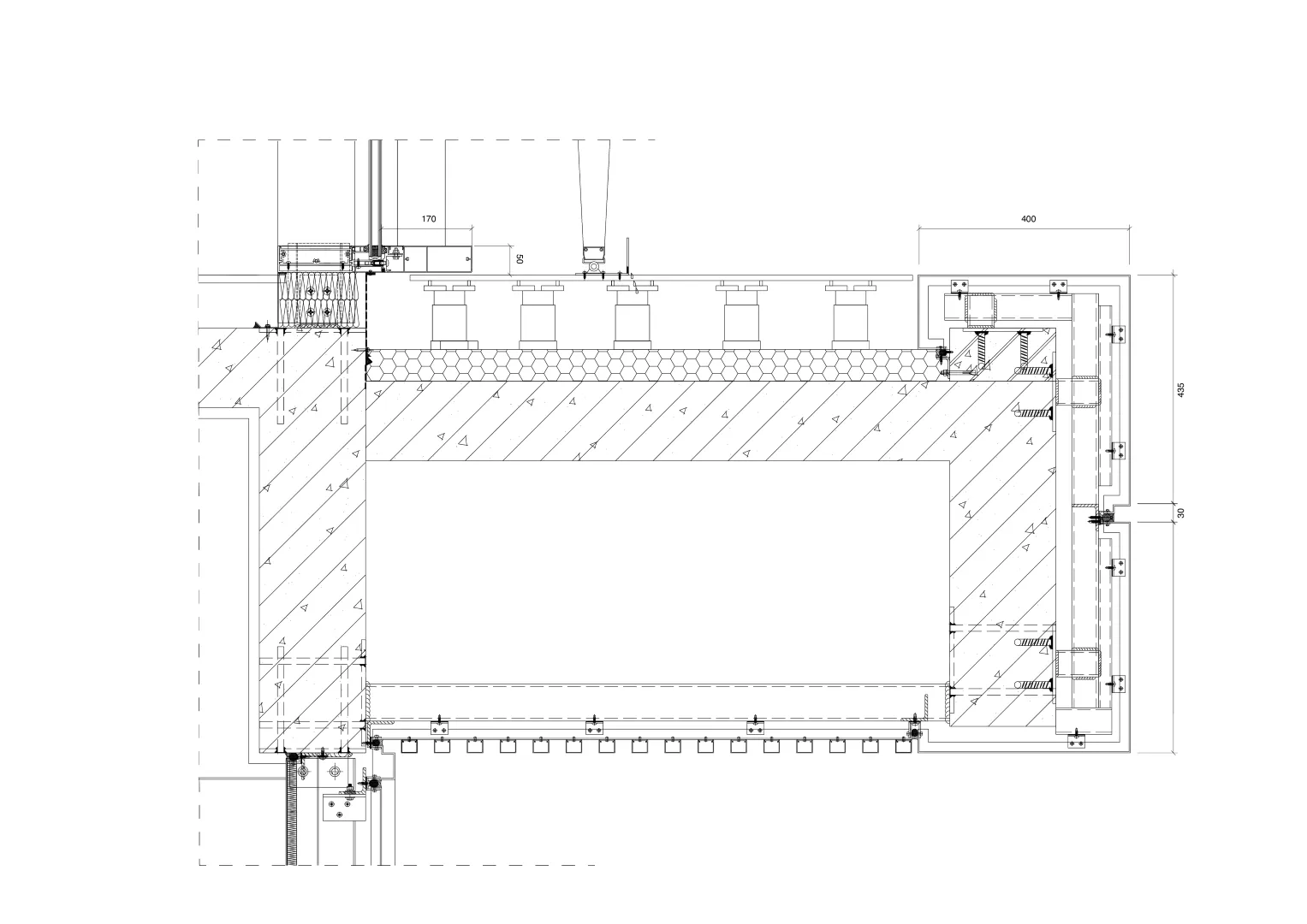
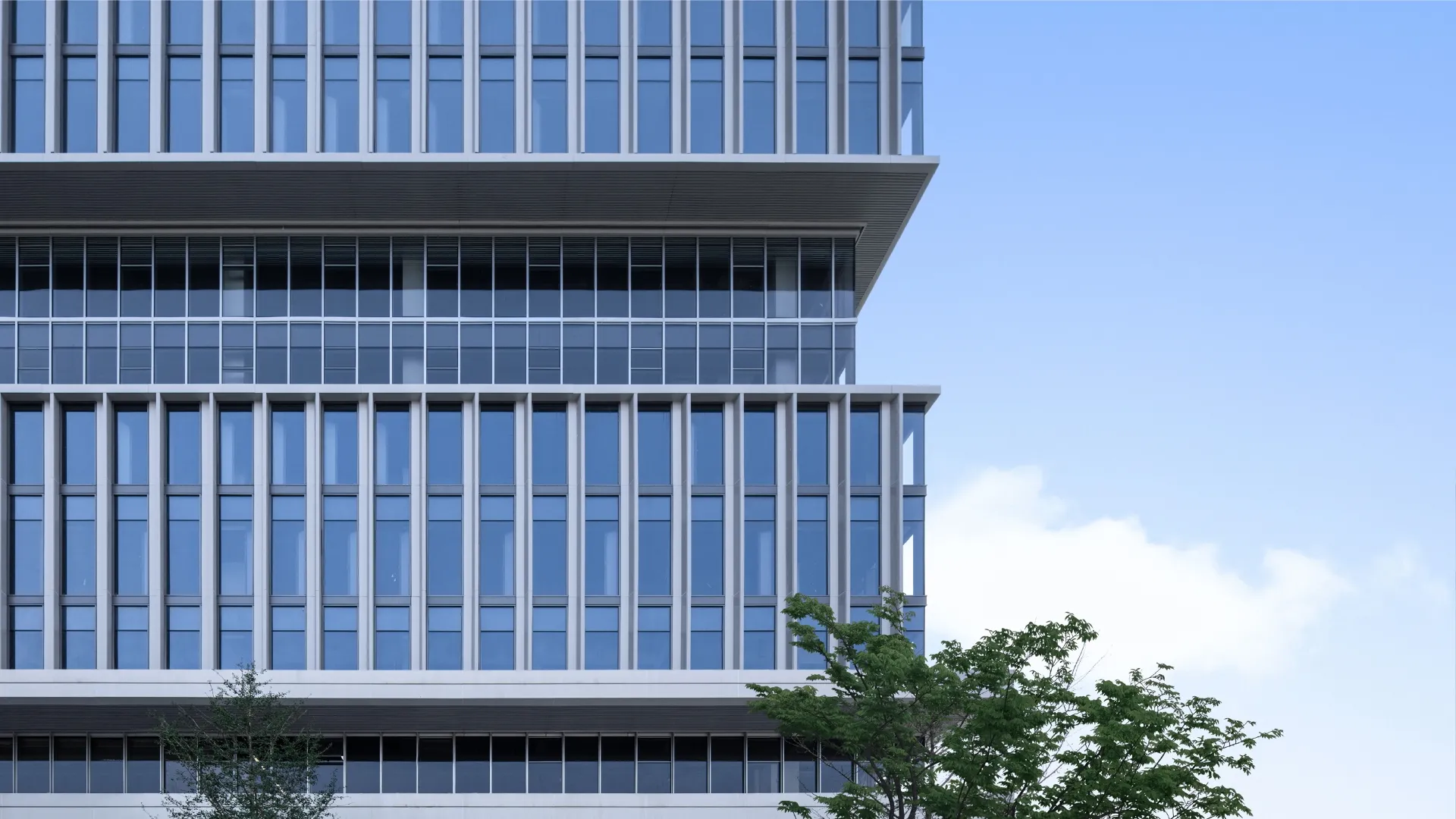
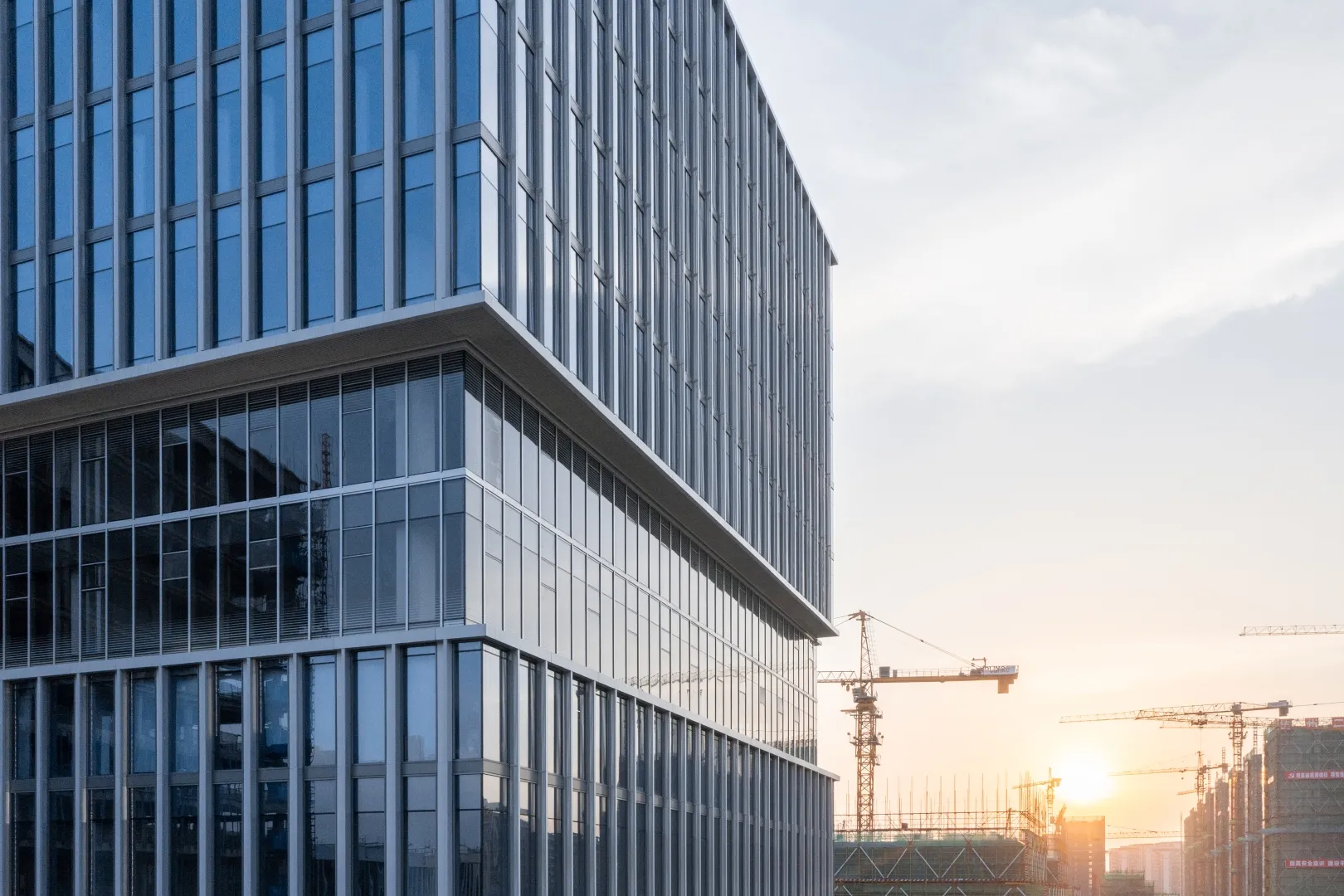
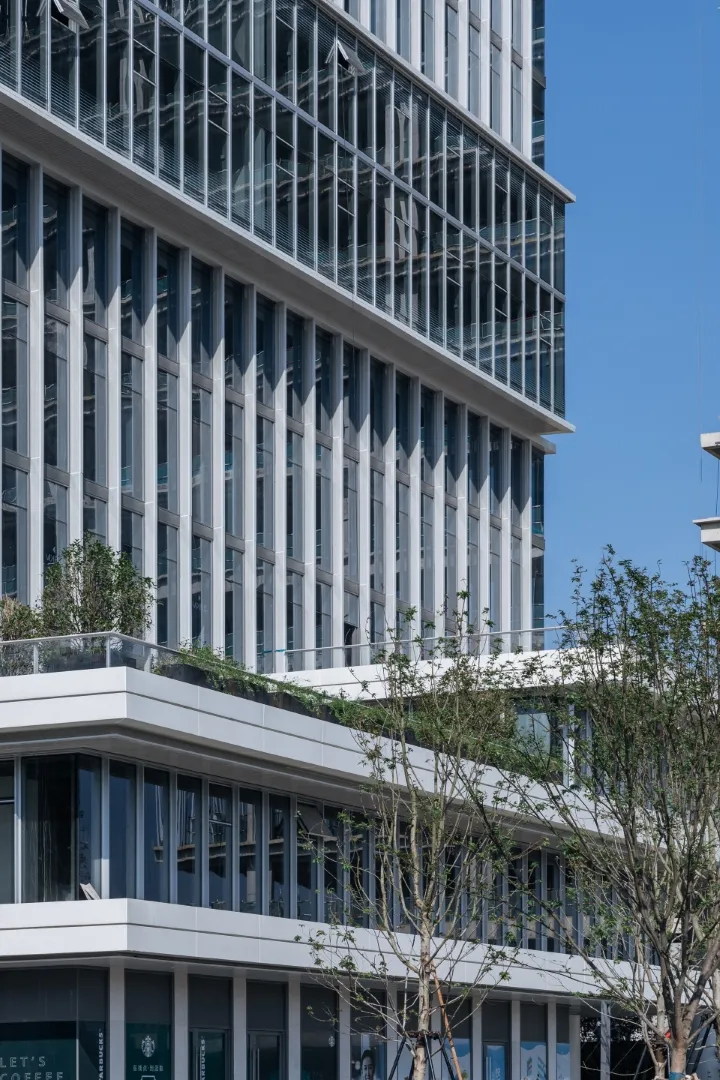
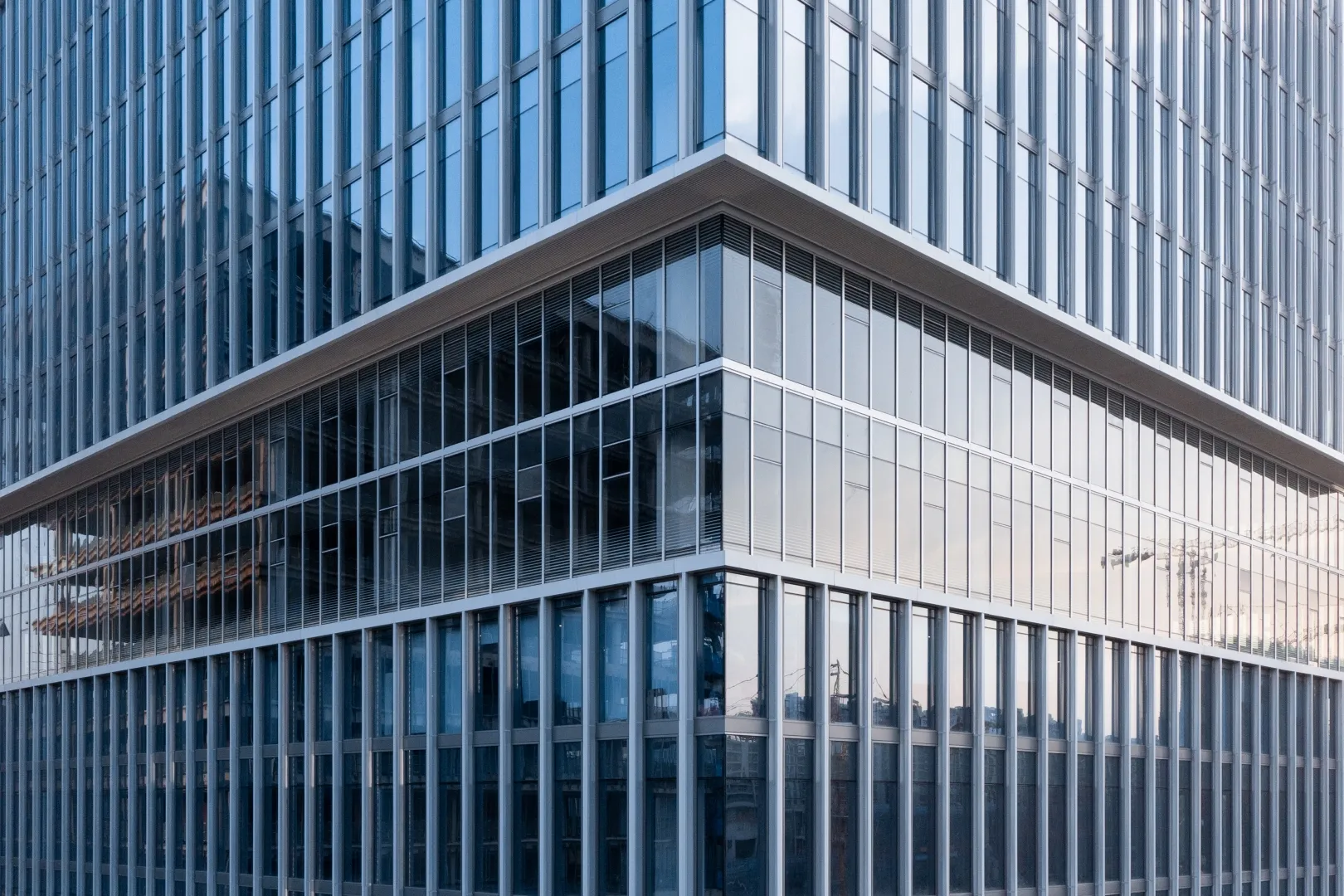
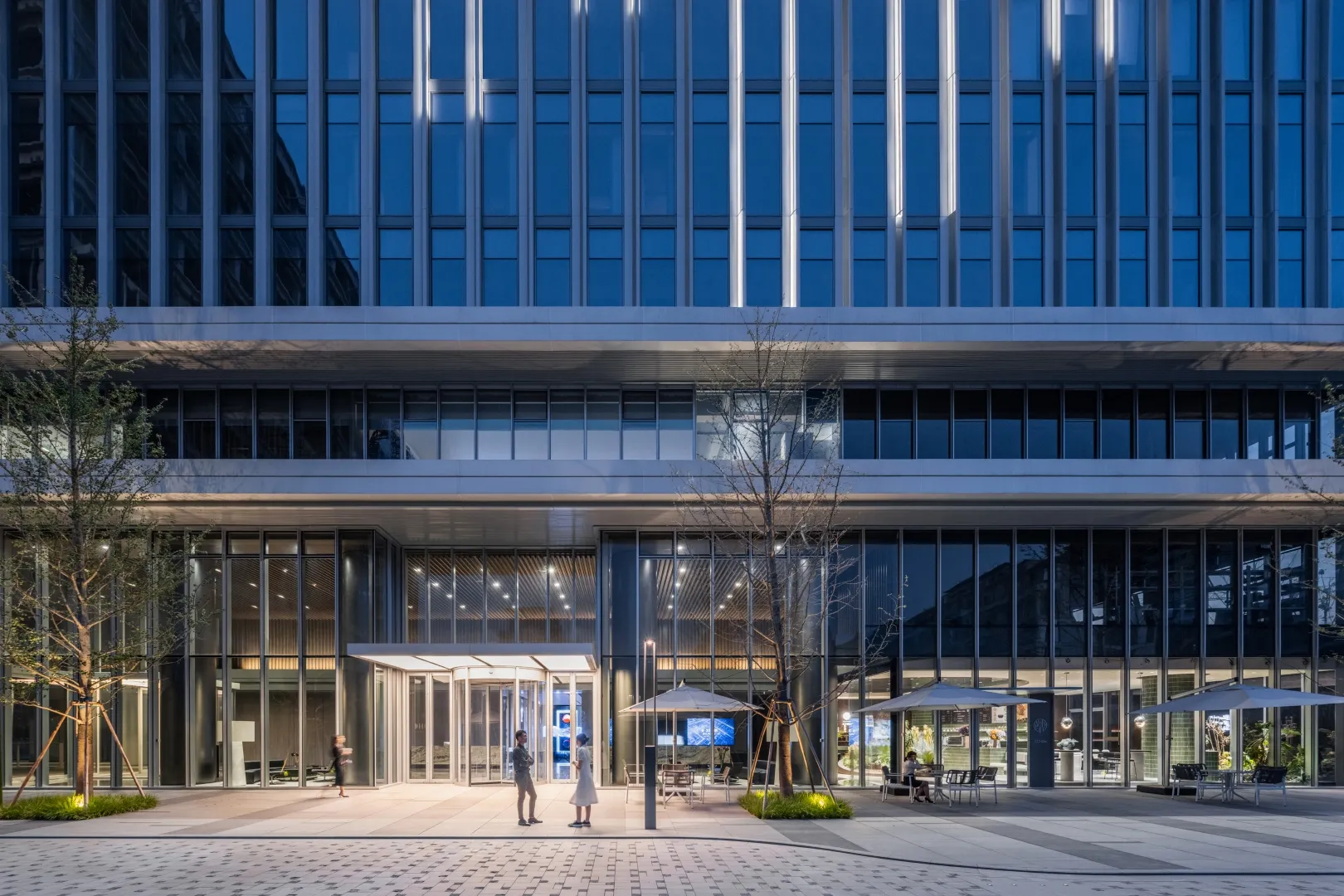
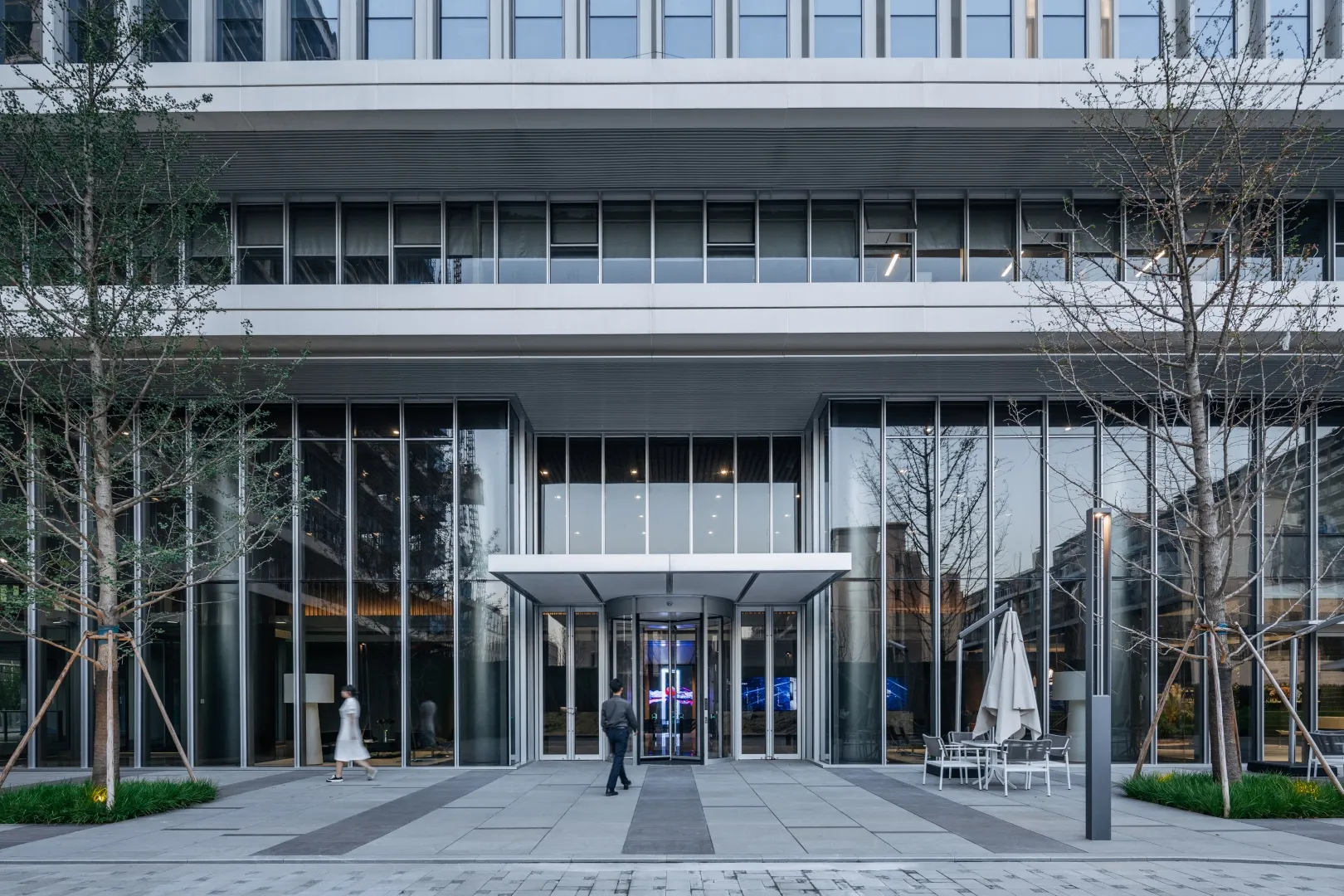
For upper levels, the "Cloud" concept led Superimpose Architecture to choose a more calm façade approach. The appearance is defined by repetition of vertical elements. These aluminum "ribs" are perforated and allow a hidden ventilation system. The tower mass is divided into two parts by a large glass block to further break up the mass and create two "special tenant levels" for those who need exhibition space, a more open area, or want to do something different with the interior than standard office floors.
Now the Sky City TOD meets new urban life and is officially completed. It uses diversified modules and elegant appearance to form harmony between functionality and transport, smoothing some contradictions between transport and land use in the urban development process, and providing residents with a new way of life and more opportunities to interact with the city and nature.
-Project description and images provided by Superimpose Architecture
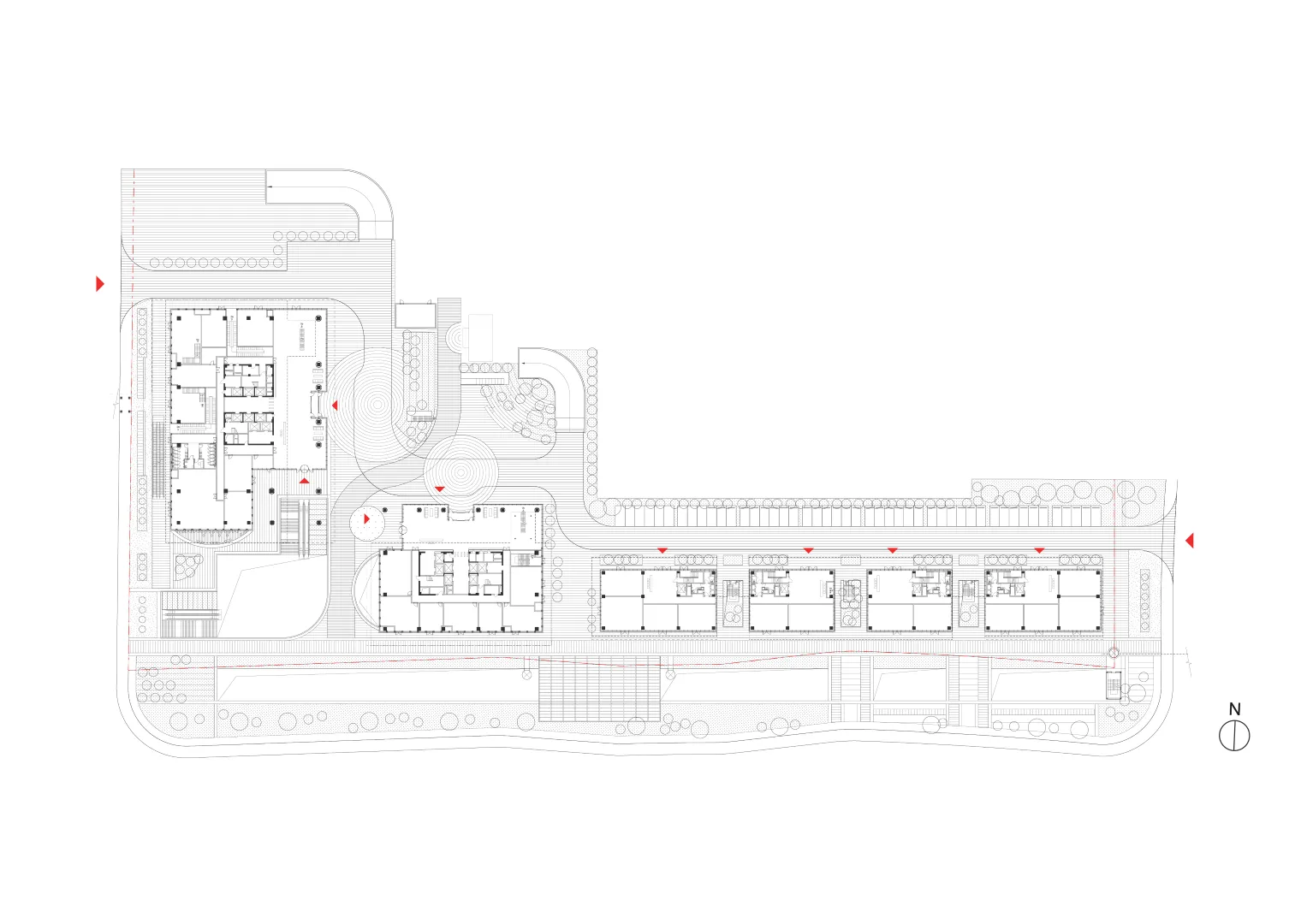
Layout