Simple Winter Garden
 Pinterest
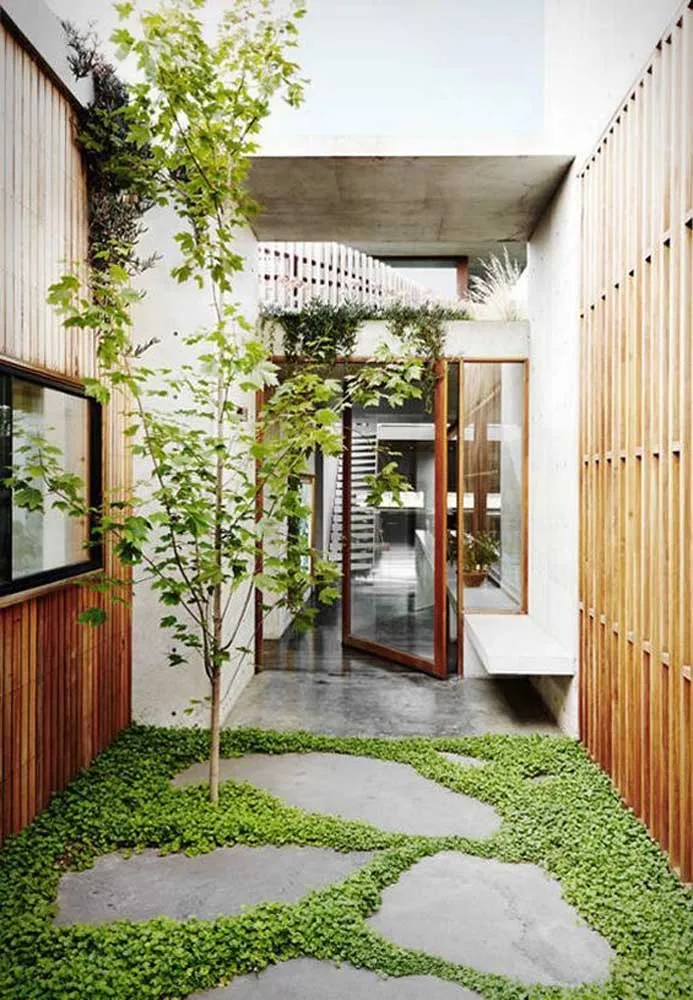
A simple winter garden is the best way to bring nature into your home and create an atmosphere of calm, peace, and comfort. However, having such a small space for contemplation in the house is not enough to simply fill it with vases and plants. It's important to plan every detail to ensure the health and vitality of the plants, as well as a beautiful and cozy environment.
Check out the tips we've collected below to learn how to create a simple winter garden.
How to Create a Simple Winter Garden
 Pinterest
Choose a Location
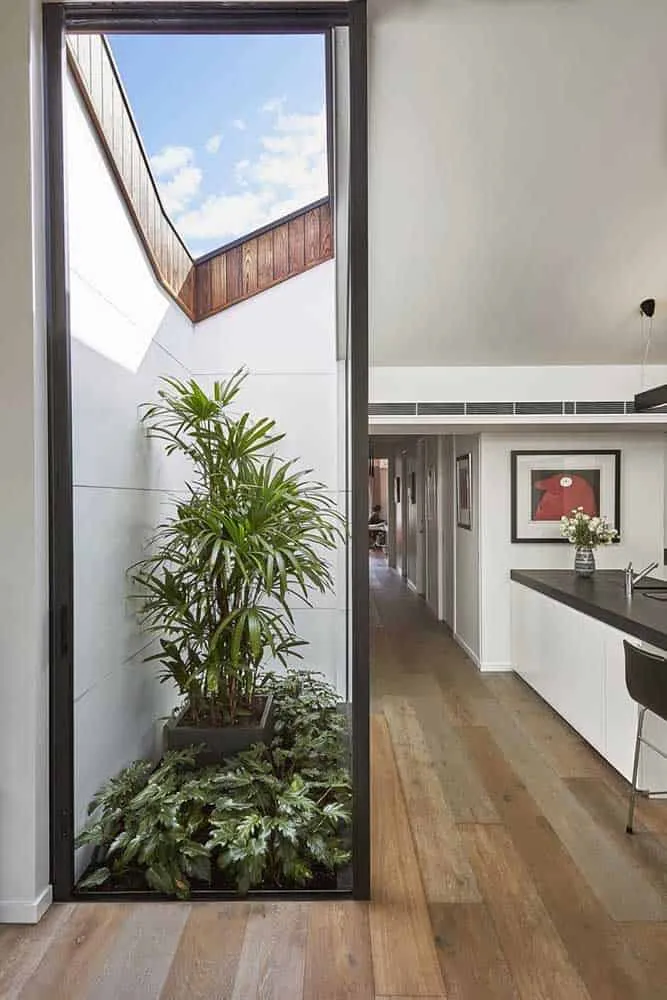
Start planning your simple winter garden by determining where you want to place it. Usually, such spaces are created in niches and unused areas of the house, for example, a classic spot under the staircase. However, you can go further and look for other interesting places for your winter garden. It could be a corner in the living room, kitchen, or even bedroom.
The most important thing is good lighting. The spot doesn't have to receive direct sunlight, but it must have enough light for photosynthesis.
Plan the Garden Style
A traditional winter garden is one installed indoors in a greenhouse. In this type of garden, plants are placed directly in the soil. However, depending on available space, a winter garden can also be installed vertically. That is, you create a plant panel on the wall.
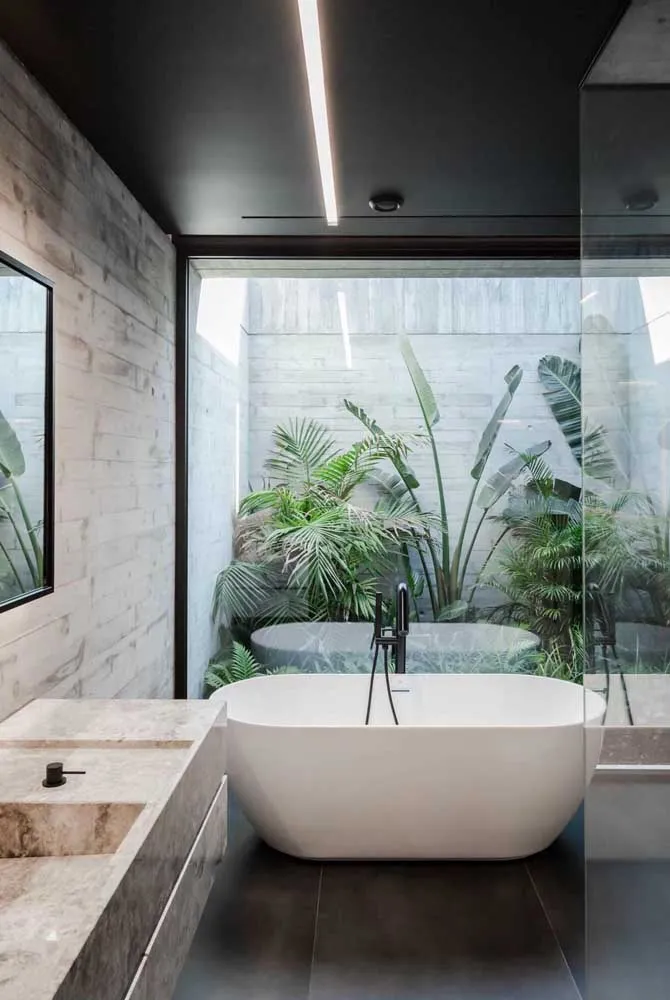
Another way to create a simple winter garden is to gather many different types in one place. Nowadays, this style of composition has become very popular thanks to the urban jungle style.
Time and Attention
Another key point for the success of your winter garden is time and attention. This means that whoever takes care of the garden should set aside time in their schedule to dedicate to the plants. Some will require more care, while others won't need any at all.
Considering this, choose plants based on the time you have available for their care, okay?
 Pinterest
Choose Suitable Plants
When it comes to selecting plants, we've gathered below some types that are perfect for growing indoors since they don't require direct sunlight. Just take a look:
- Peace Lily
- Lambaria
- Dracaena
- Begonia
- Maranta
- Orchid
- Persicaria
- Ficus
- Parlor Palm
- Bamboo
Except for Maranta and Orchid, all other species are easy to grow, require minimal care and maintenance, and are also very resistant to pests.
What about a winter garden with direct sunlight? If your winter garden receives direct sun rays for several hours each day, you can expand the range of plants to grow, including aromatic herbs and even small fruit trees with more space you can plant fruit trees. Check out some suggestions:
- Lavender
- Rosemary
- Cacti
- Succulents
- Small fruit trees like guava.
Fertilizers and Care
A winter garden usually receives less light since it's indoors. To compensate for this lack of light, it's important to maintain the health of plants through regular and periodic fertilization.
Most leafy varieties respond well to balanced NPK 10-10-10 formulas that contain the main macroelements. For enhanced growth, you can also use organic fertilizers such as compost humus, castor oil, and fish emulsion. Watch the watering schedule. Indoor plants should be watered depending on climate and temperature. Water daily during the hottest months of the year. During cold weather, water less frequently.
Also make sure your winter garden has a good drainage system to prevent water accumulation in the soil and fungal growth, as well as root rot. Another important tip: avoid planting plants with different needs next to each other, for example, a cactus that loves sun and little water next to a Spathiphyllum that prefers shade and lots of water. Regularly arrange the plants and respect each species' characteristics.
Occasionally check leaves, stems, and other plant parts for pests in the garden. If you notice aphids, scale insects, or mealybugs—some of the most common pests—apply neem oil to fight infection. Yellow leaves that easily fall off may indicate overwatering. Watch for this!