Sidera Building by Tisselli Studio Architetti in Forlì, Italy
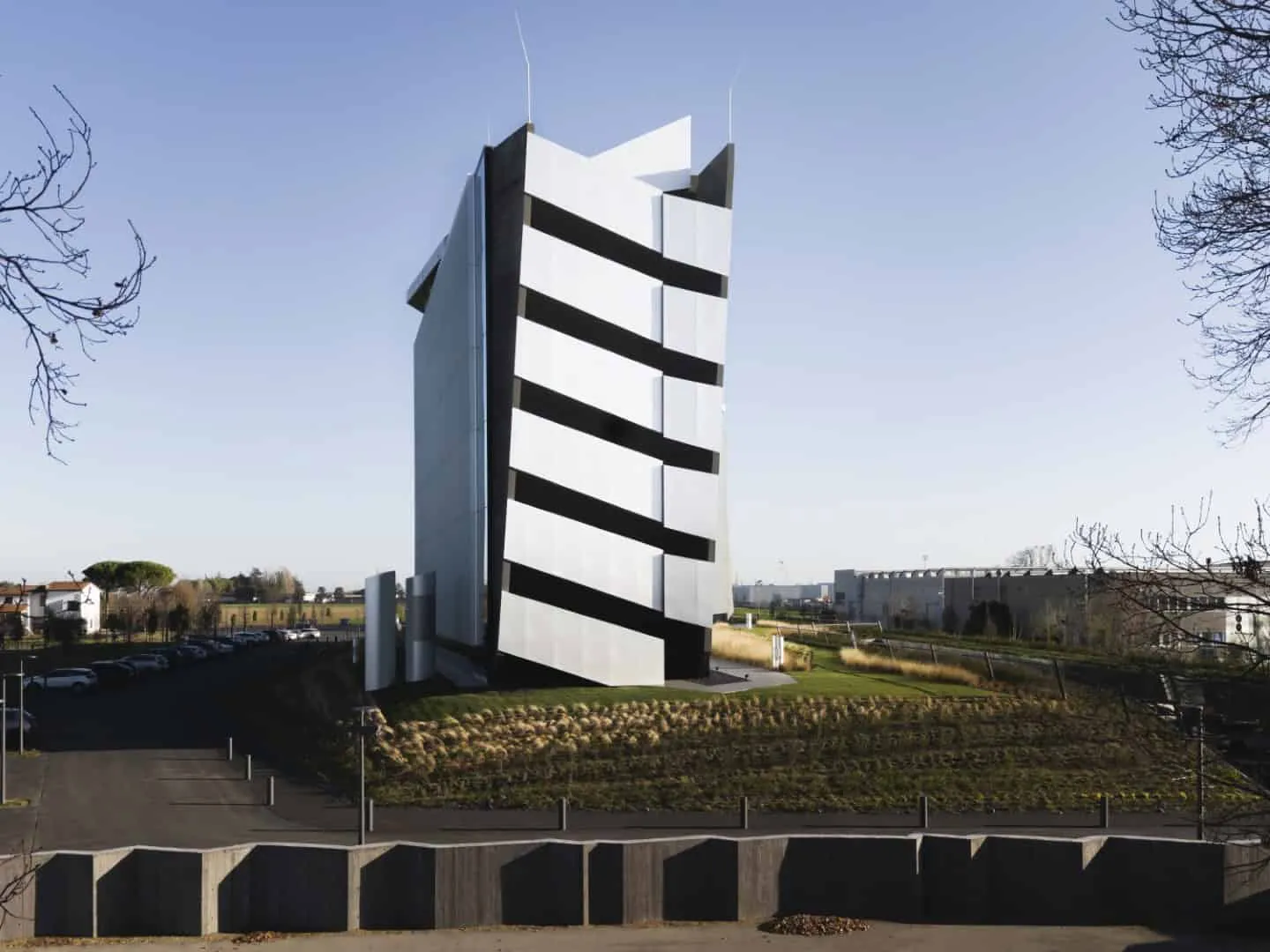
The Sidera building by Tisselli Studio Architetti is an outstanding new corporate headquarters in Forlì, Italy, transforming the language of industrial architecture. Located in a characterless industrial zone dominated by prefabricated warehouses, Sidera introduces a bold architectural identity based on neuroarchitecture, sustainability, and employee wellbeing. With more than 107,000 square feet of carefully designed workspaces, halls, and public spaces, the project redefines what a productive, healthy, and inspiring workspace can be.
Project Overview
Situated at the border of ancient Roman centurion settlements and close to a major highway, the site lacked architectural inspiration. The client's brief focused on:
Flexible office configurations without the anonymity of open-plan layouts.
Six departments, each occupying a full floor.
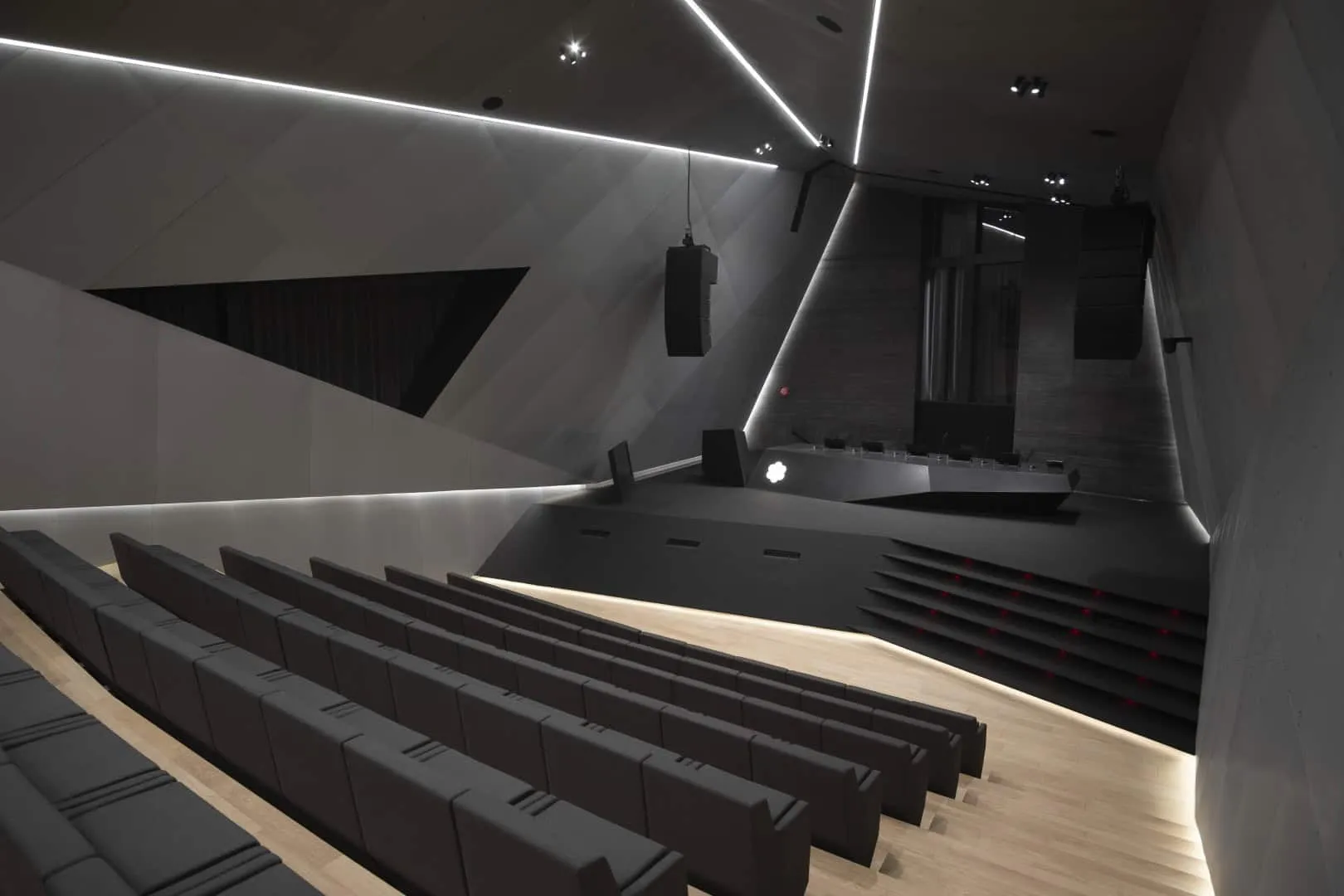
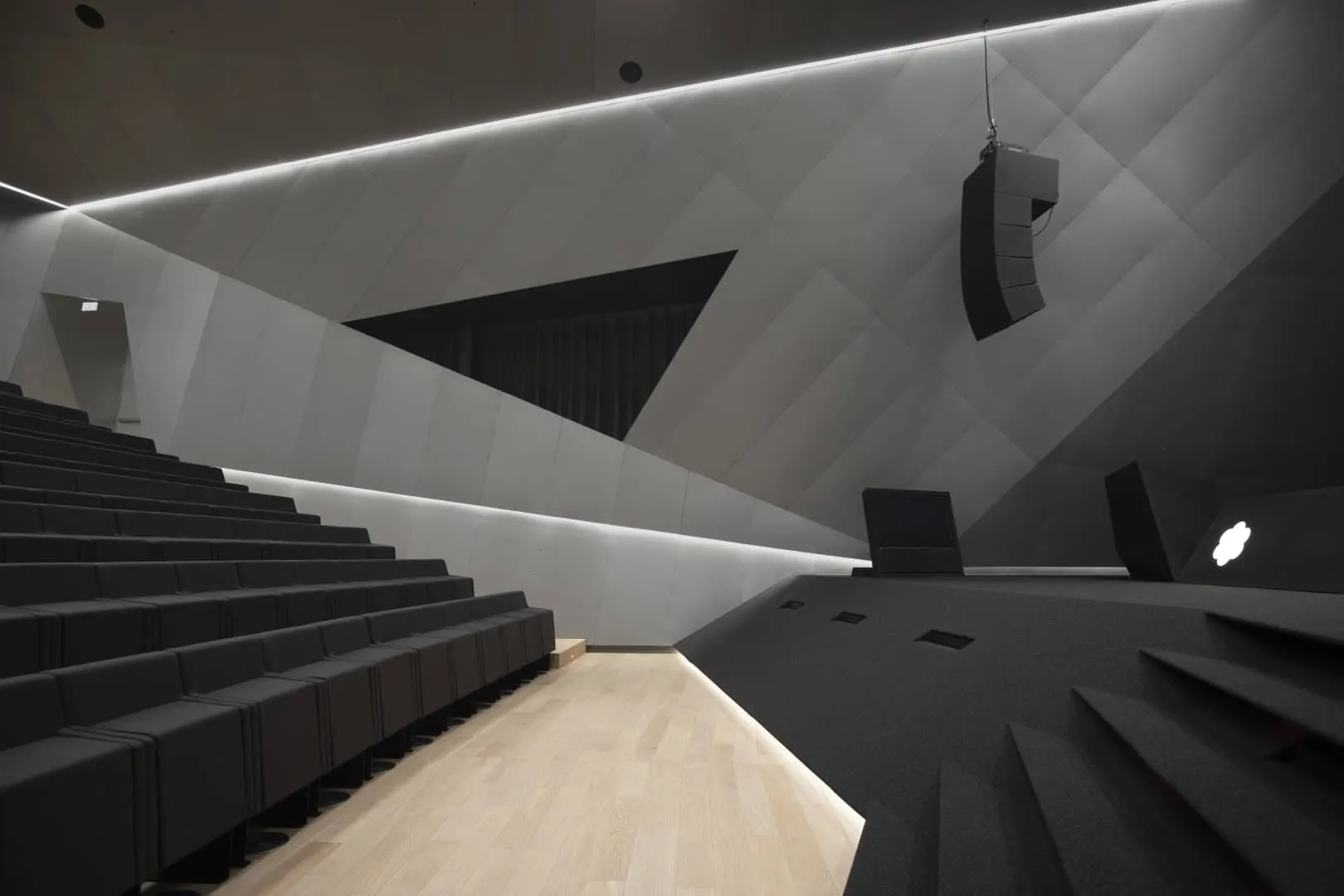
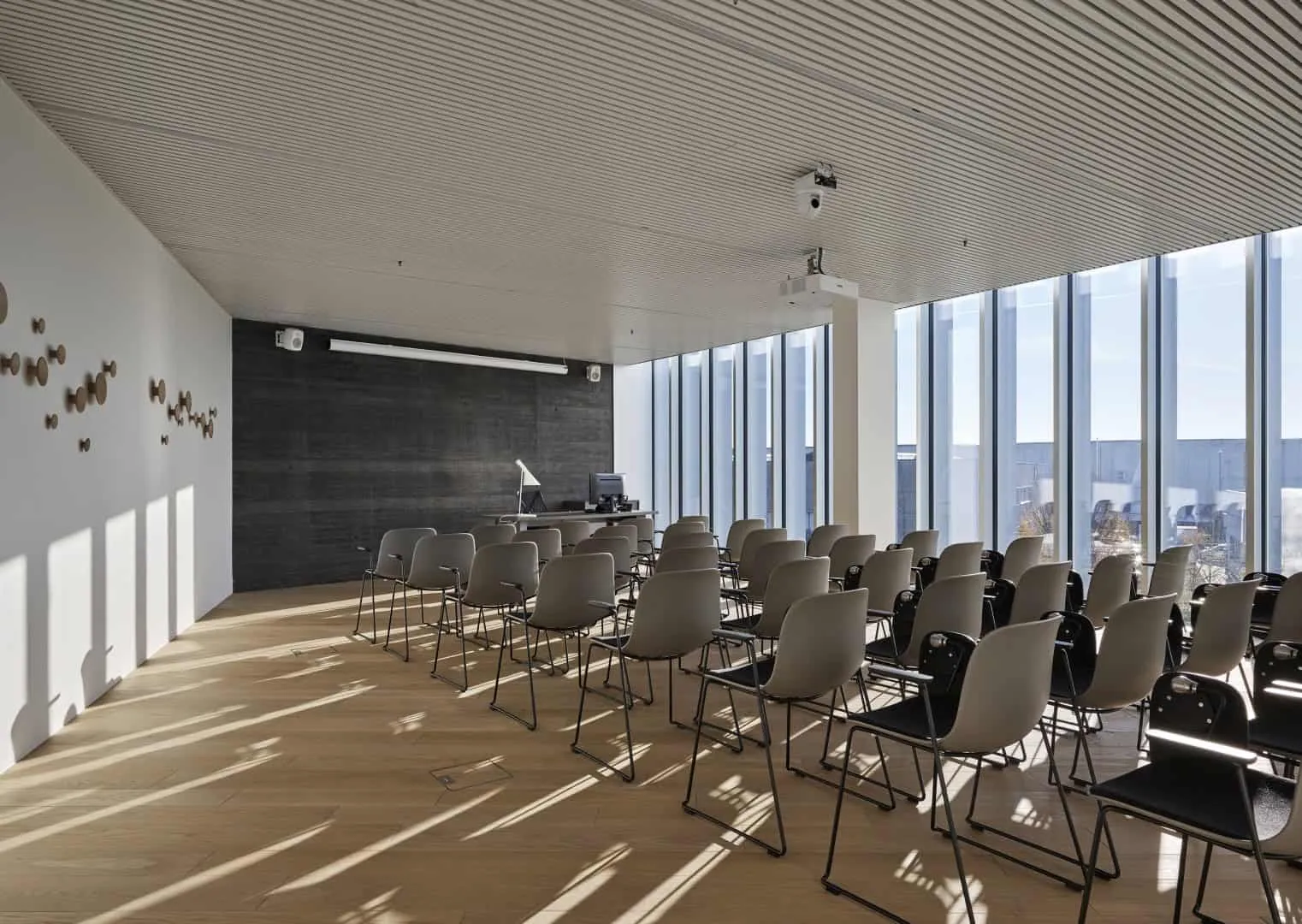
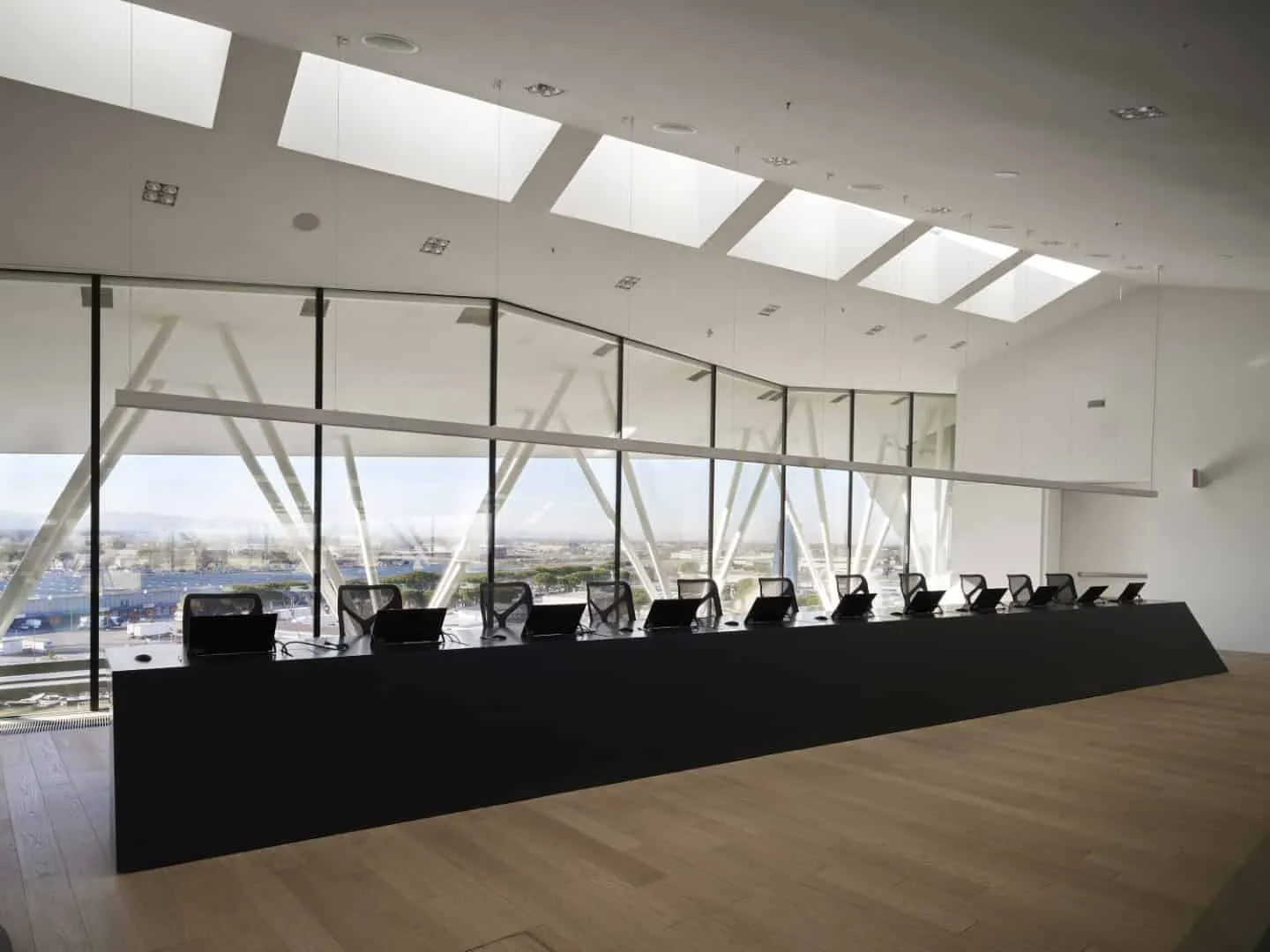
A 200-seat meeting hall and cafeteria that can be adapted as office space.
Tisselli Studio Architetti responded by designing a building that absorbs the rationality and practicality of its cooperative client, elevating these values to a poetic architectural statement.
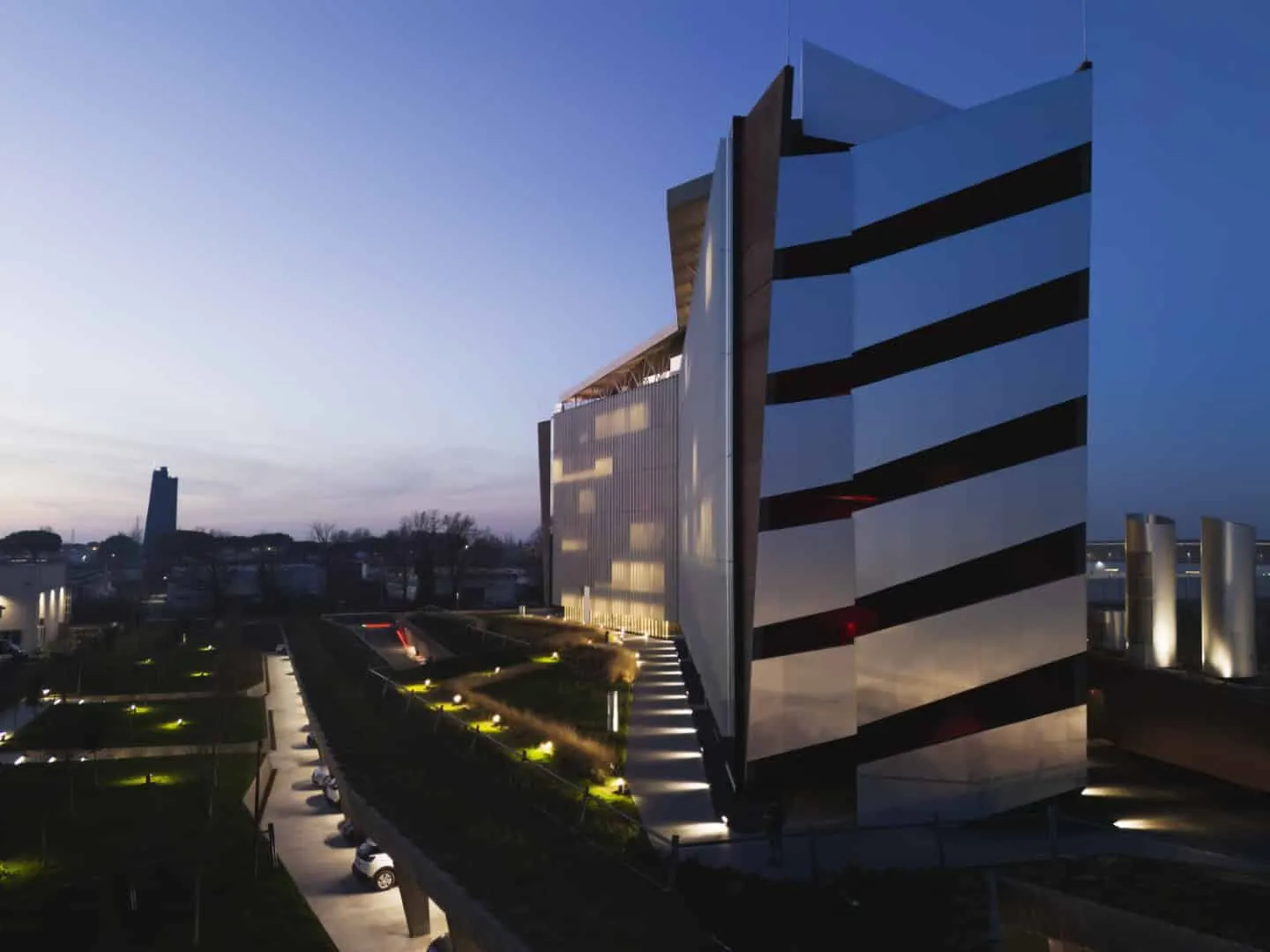
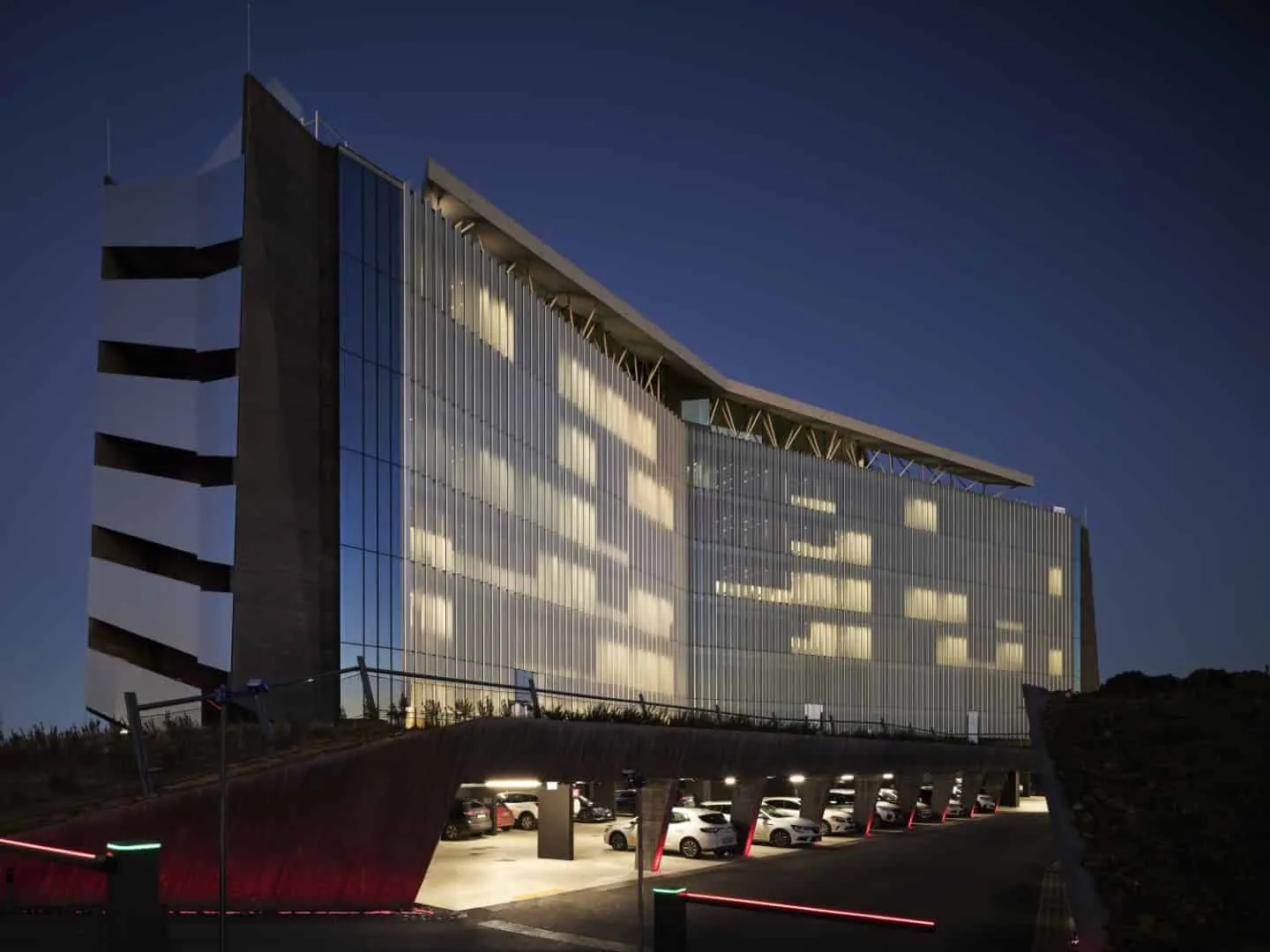
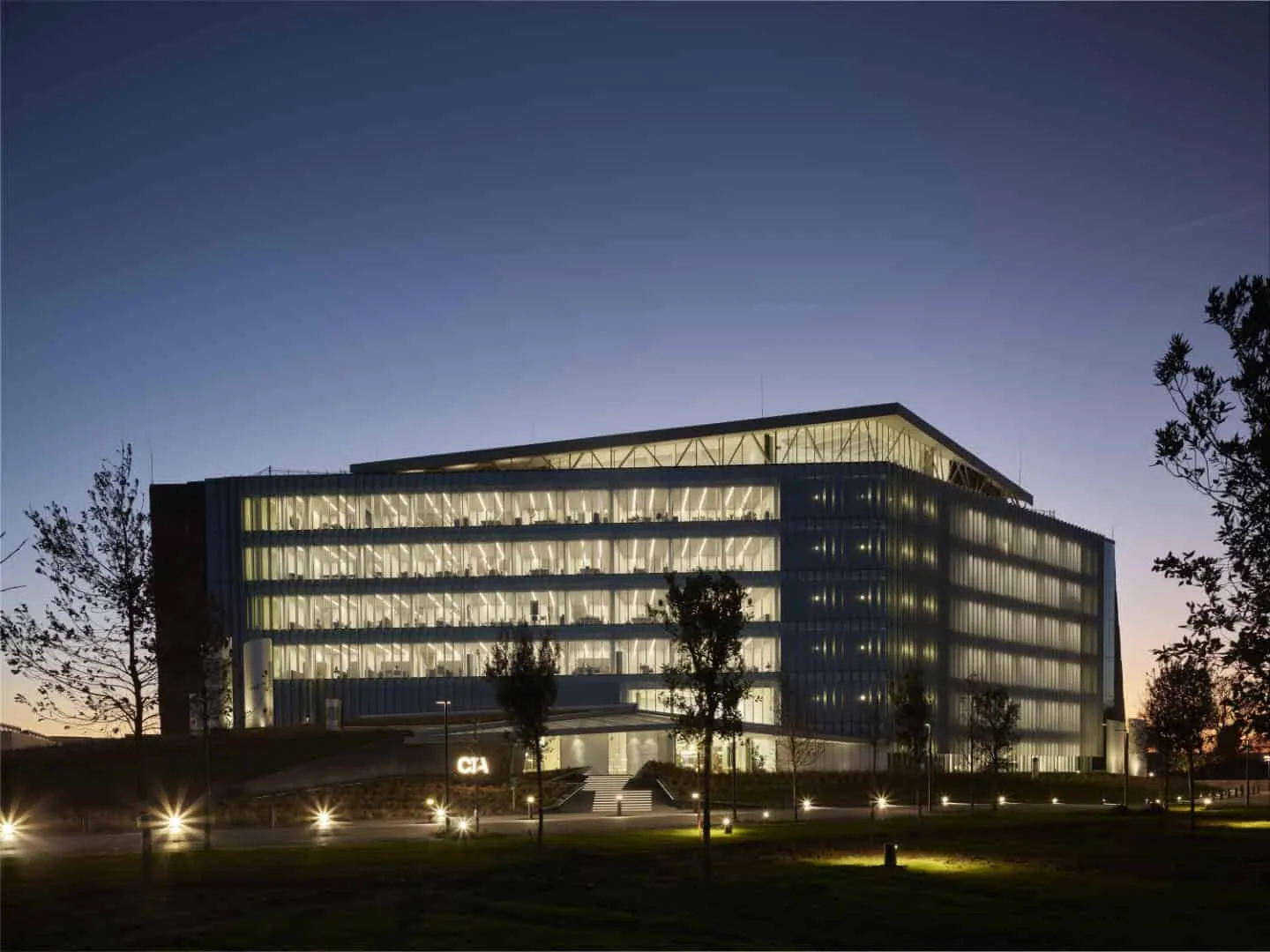
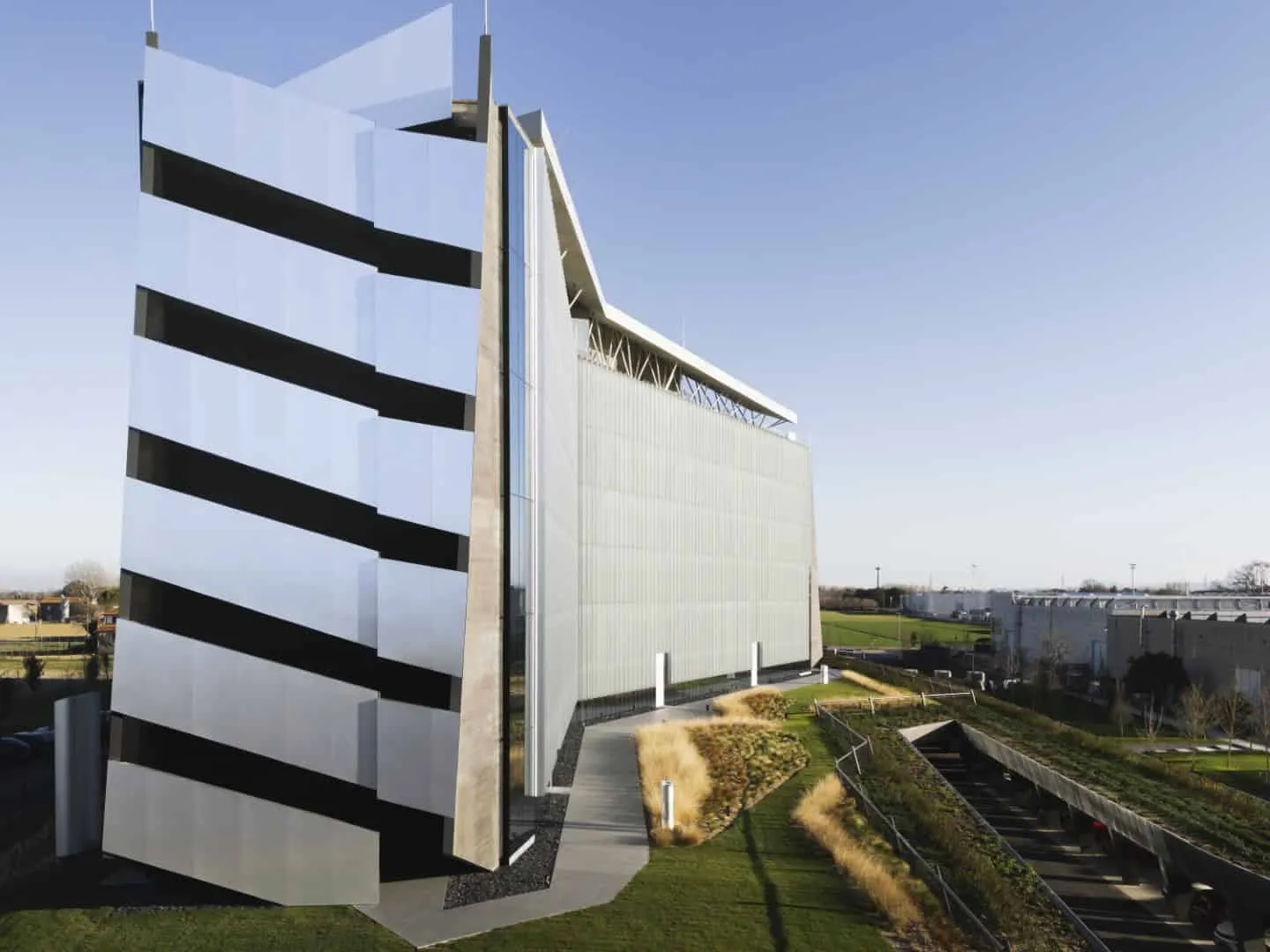
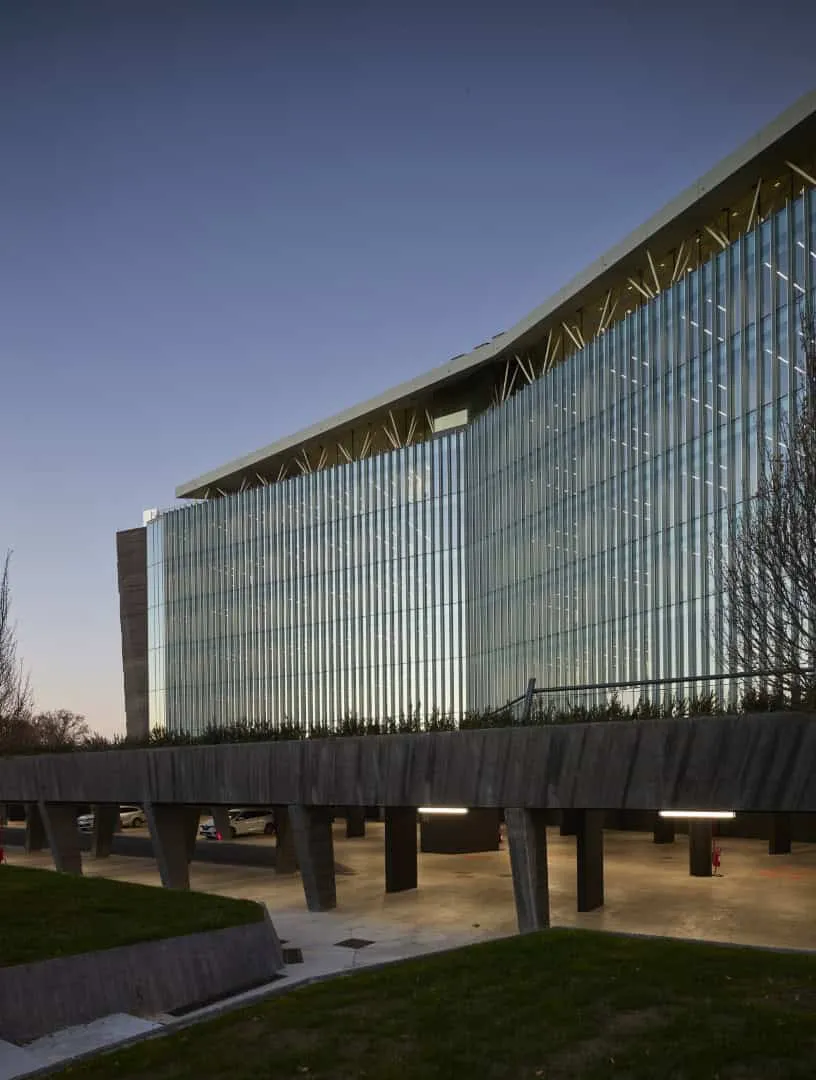
The result is a headquarters that extends horizontally by 100 meters, rising 33 meters high on a base made of aluminum cladding, black pigmented concrete, and 5000 m² of glass facades.
Façade and Material Strategy
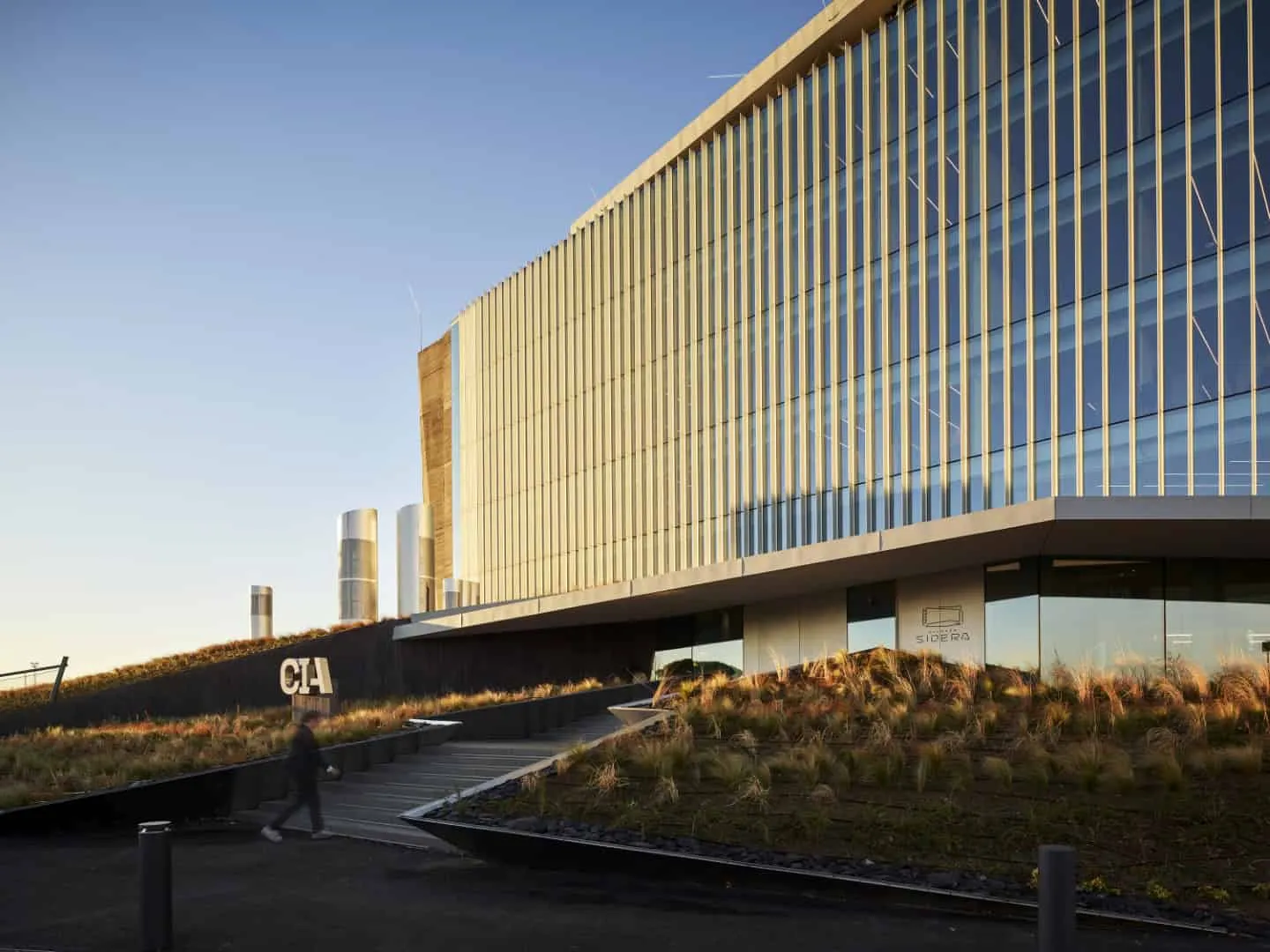
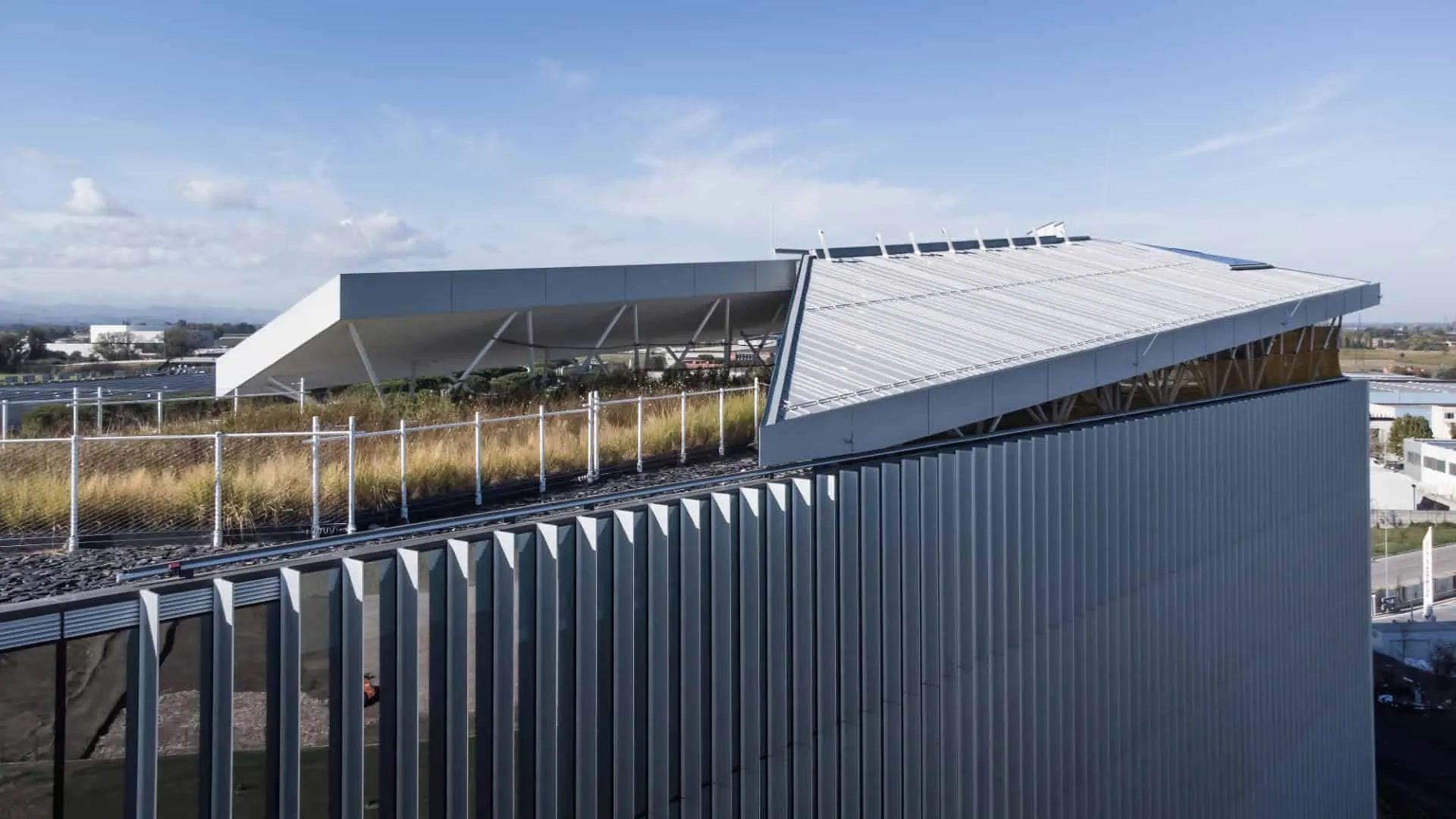
The façade of the Sidera building is defined by six kilometers of vertical aluminum ribs, reflecting changing light and creating dynamic effects of transparency and opacity. This design detail transforms the massive structure into a living, responsive shell, which changes character depending on weather and time of day.
Key materials include:
Aluminum panels: light, reflective and dynamic.
Black pigmented concrete: the main element conveying strength and stability.
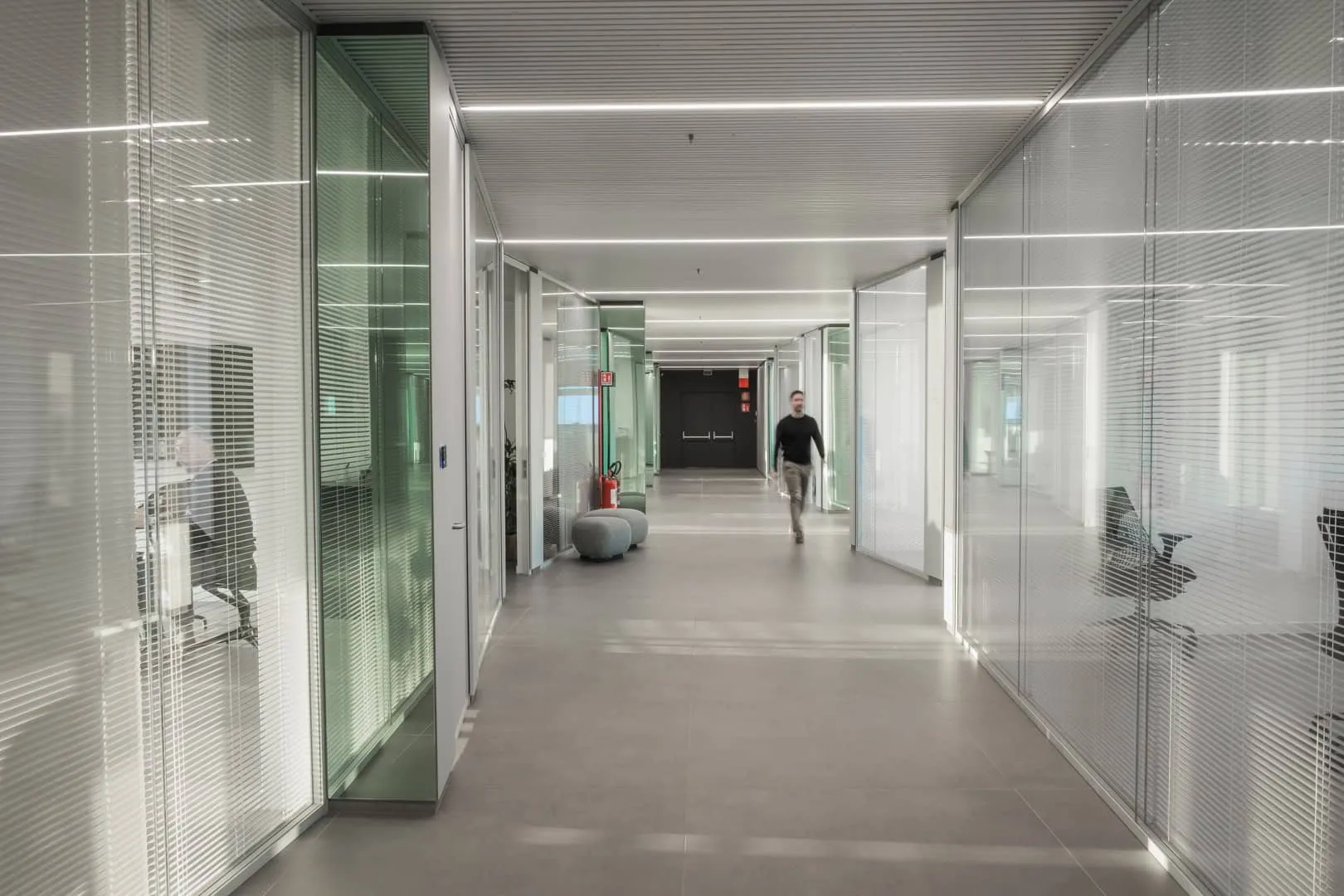
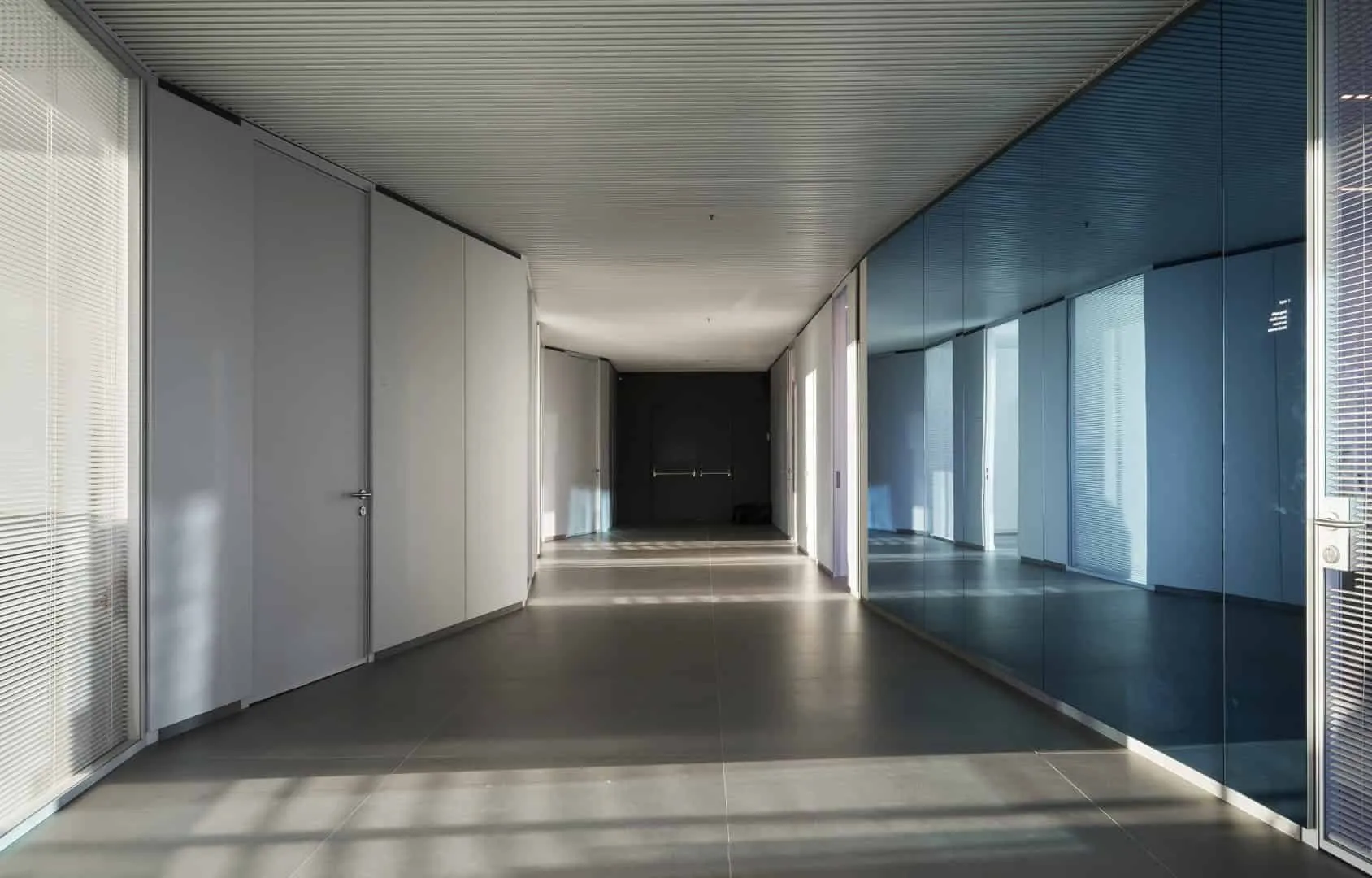
Glass wall systems: providing transparency, light and visual connection.
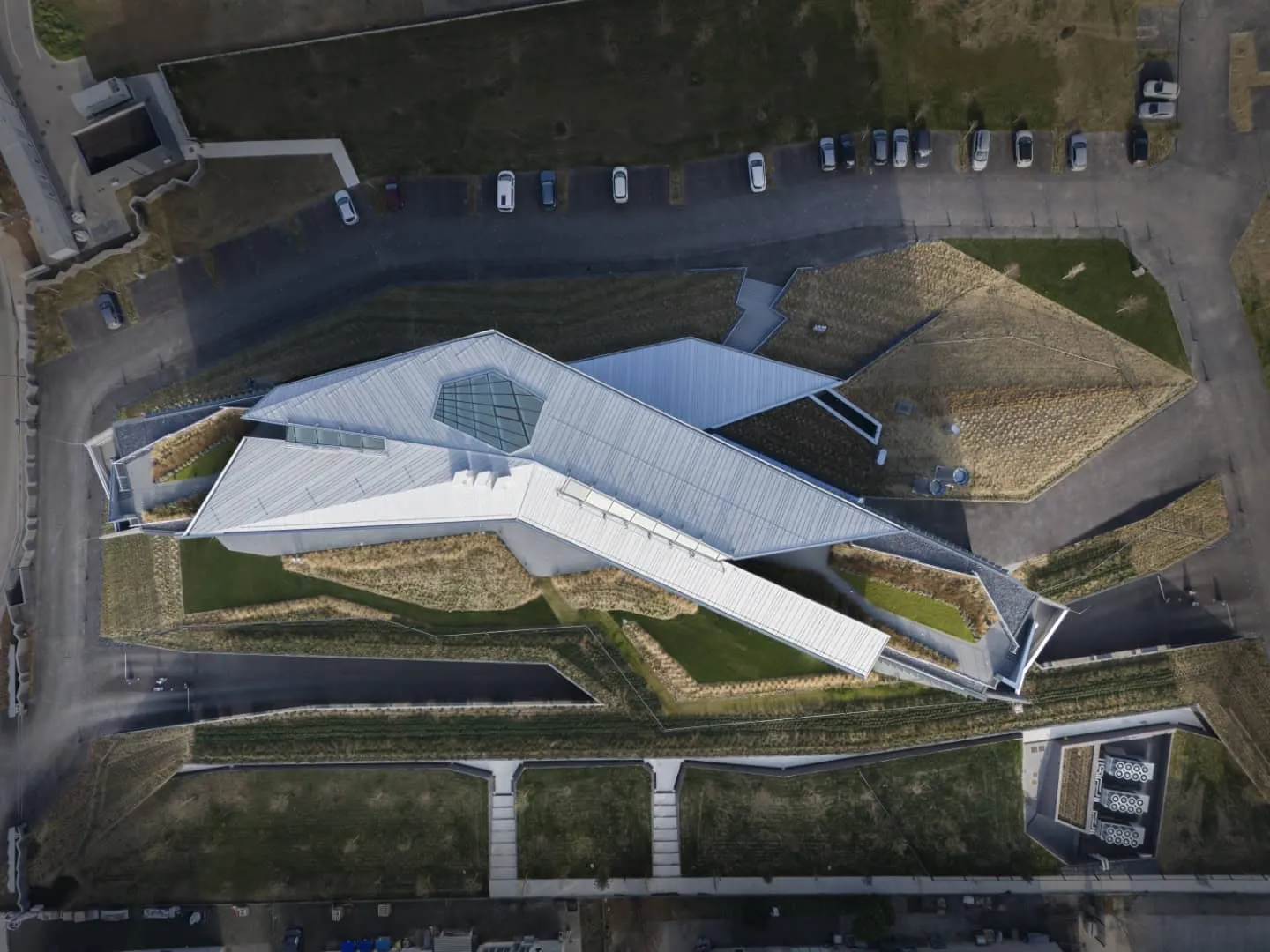
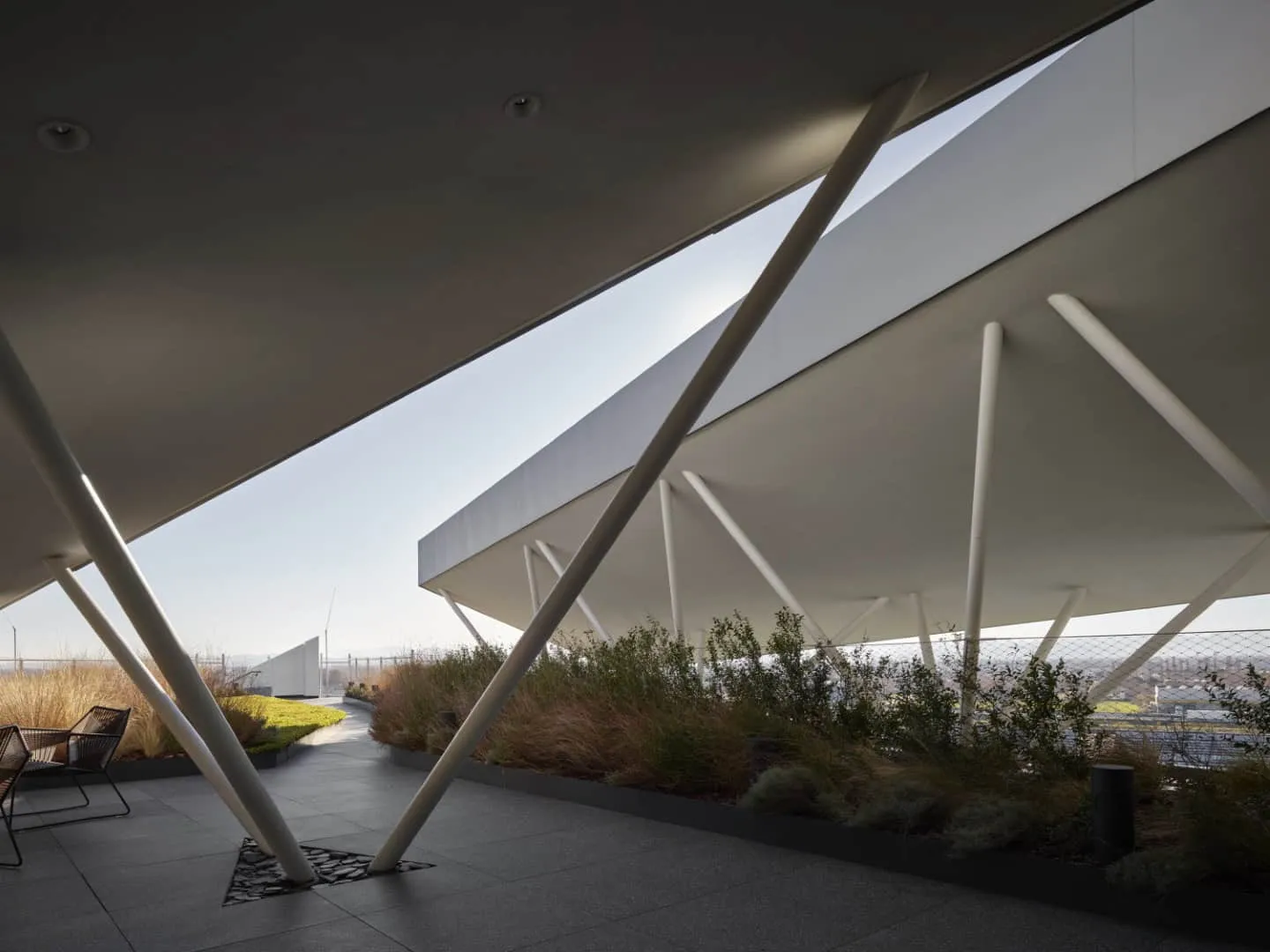
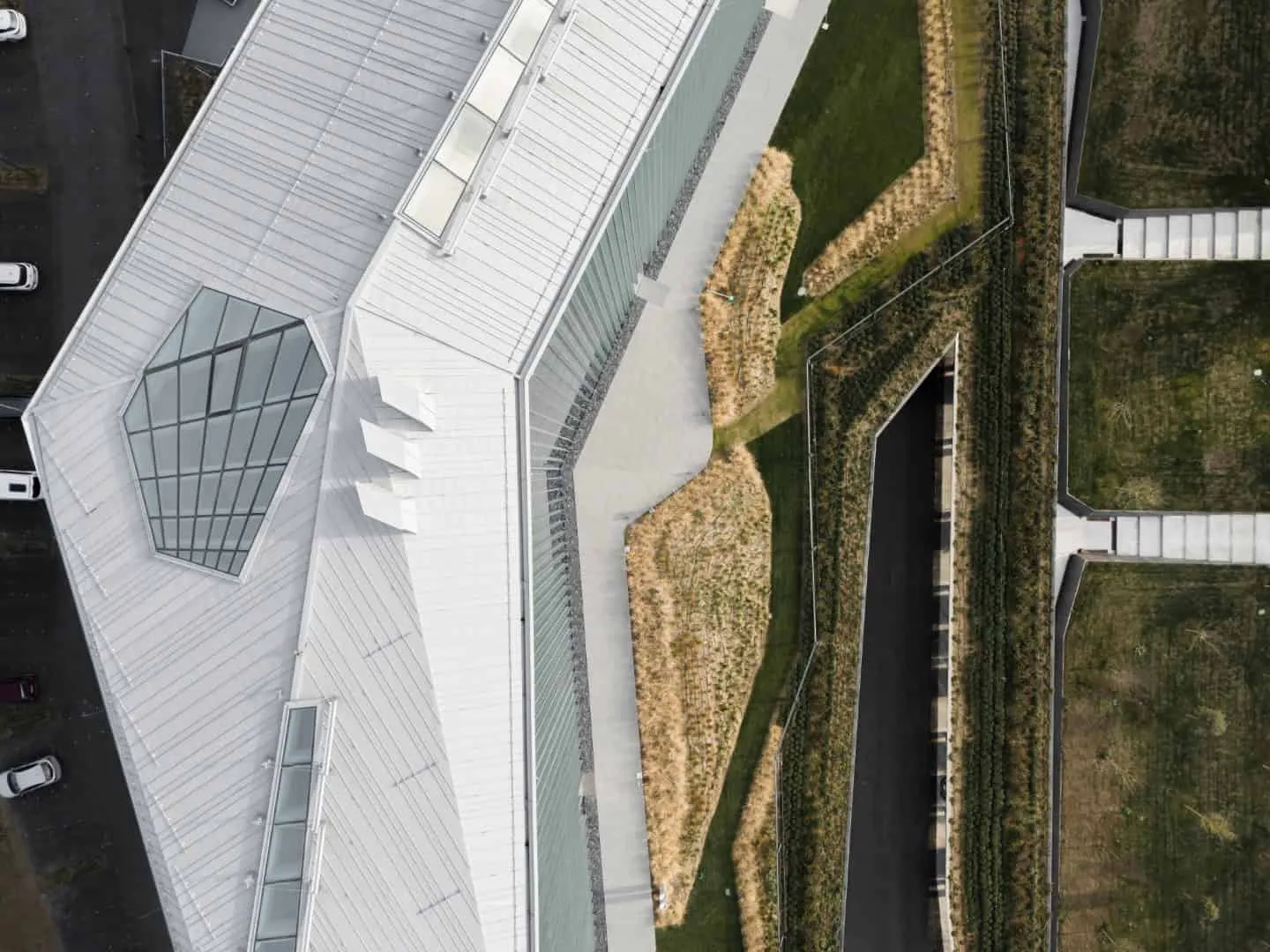
The roof was considered the fifth side, with sloped sections and skylights—hinting at oral motifs and a dialogue with the Apennine horizon.
Interiors and Neuroarchitecture
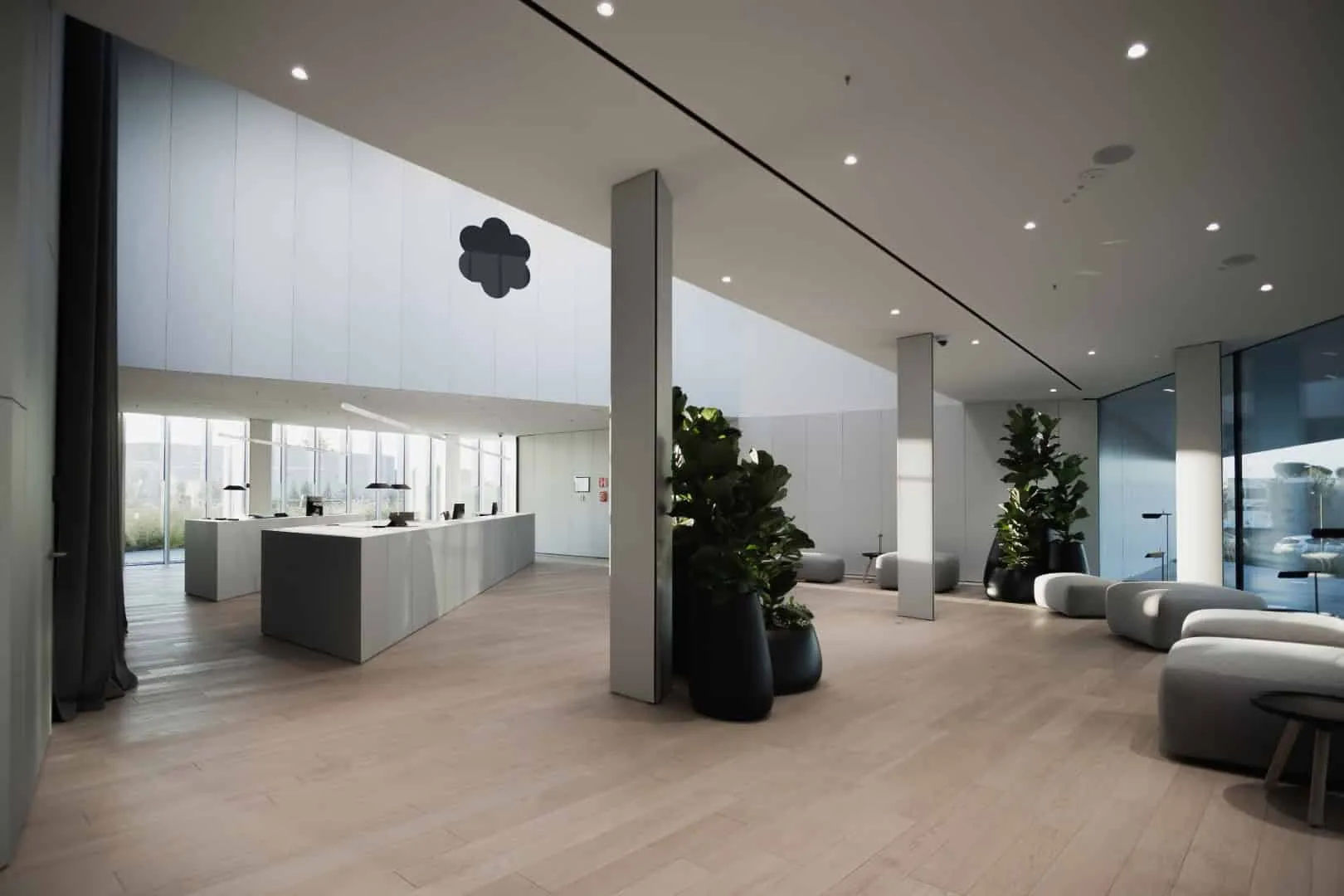
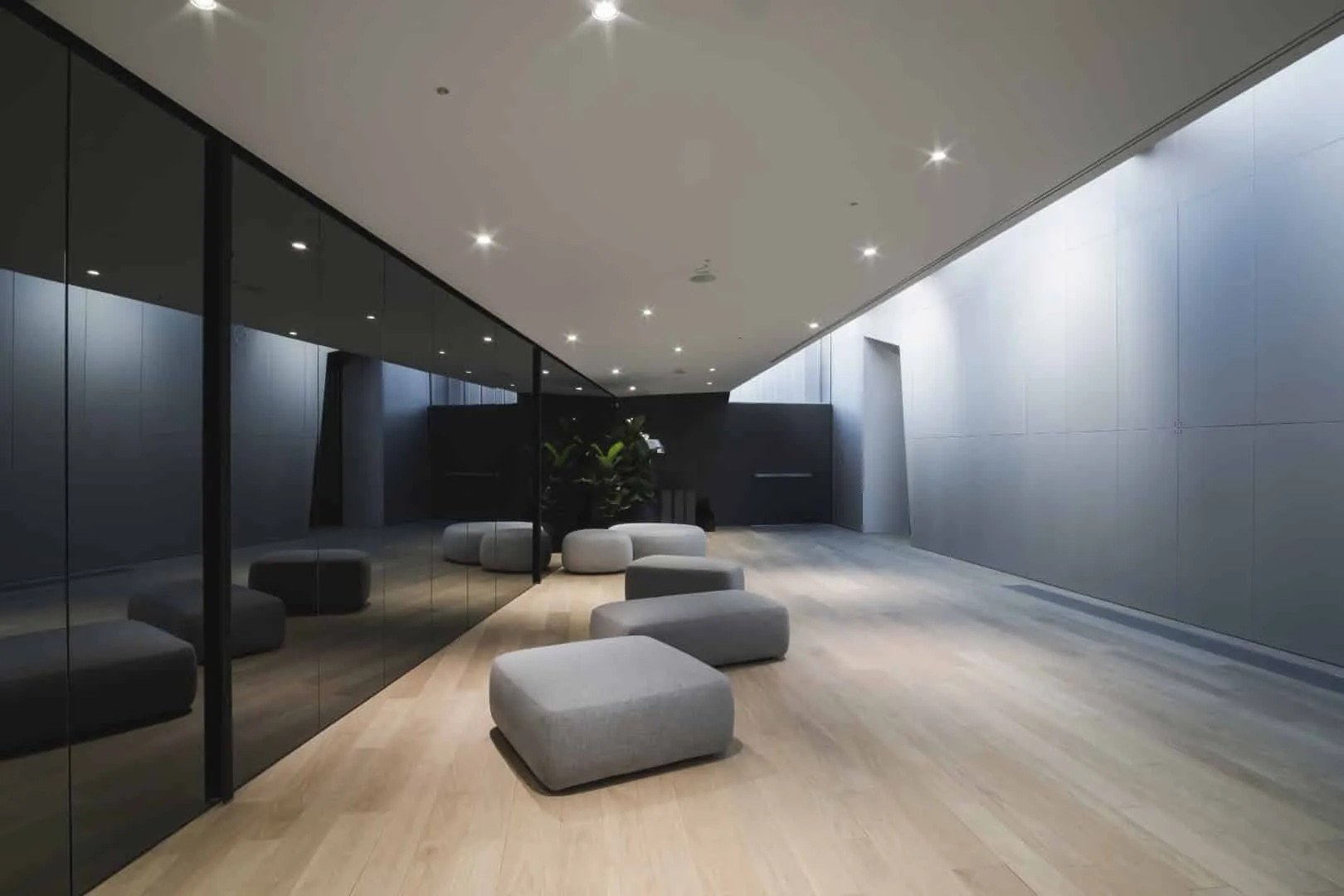
The interiors were designed not as secondary elements, but as an integral part of the architectural identity. Based on principles of neuroarchitecture, all decisions aim at human comfort and productivity:
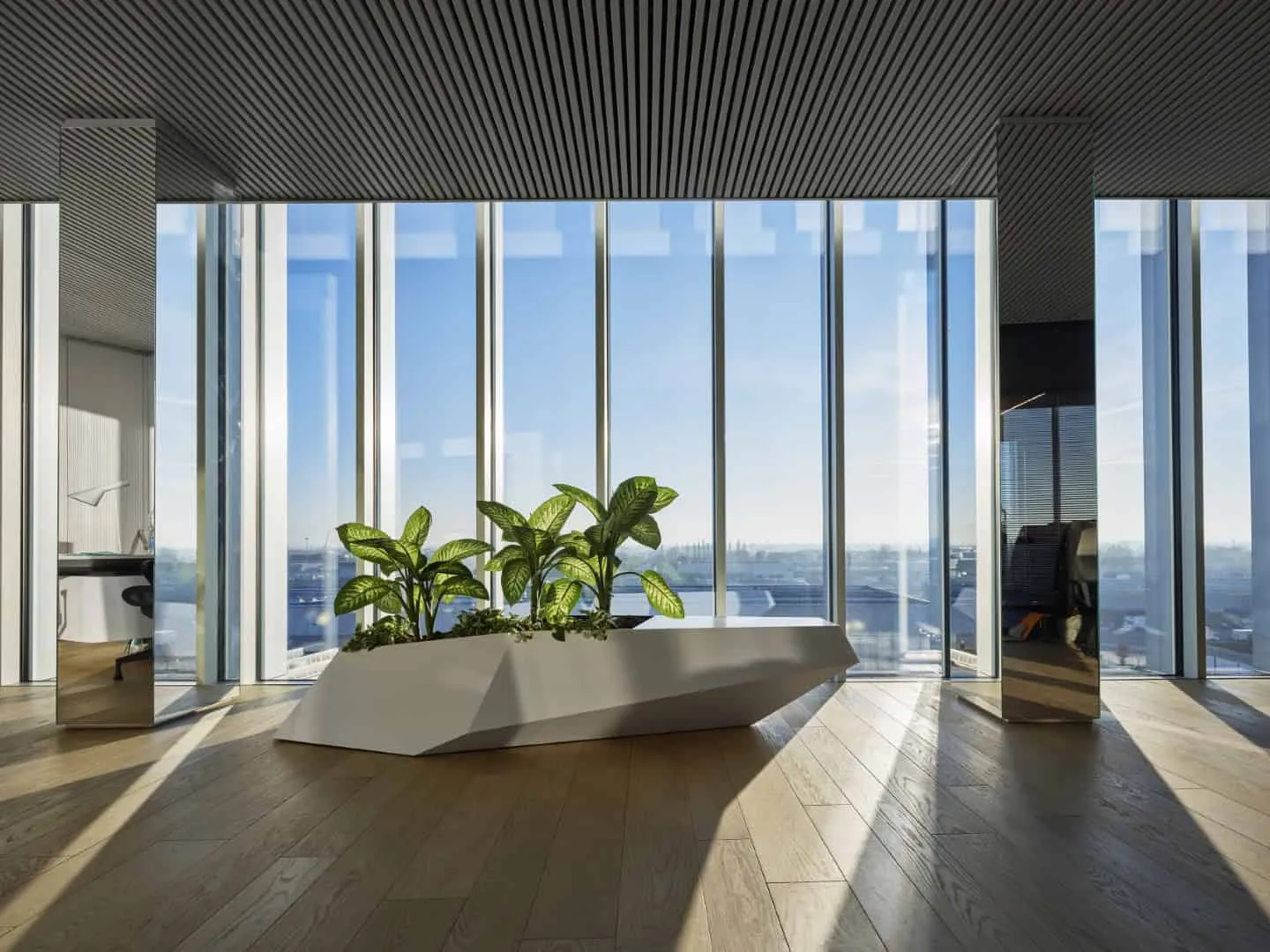
Natural lighting fills workspaces through controlled glazing.
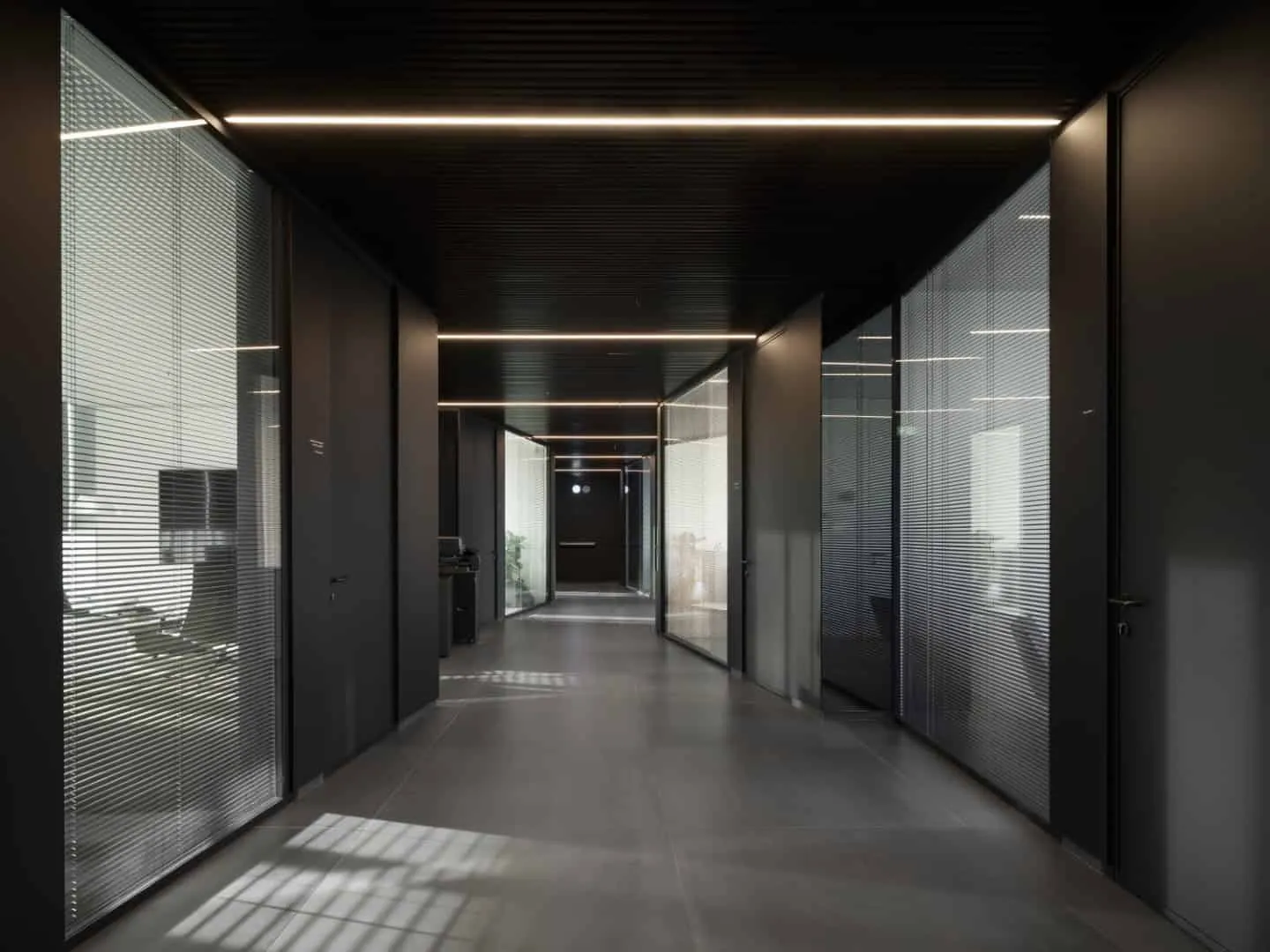
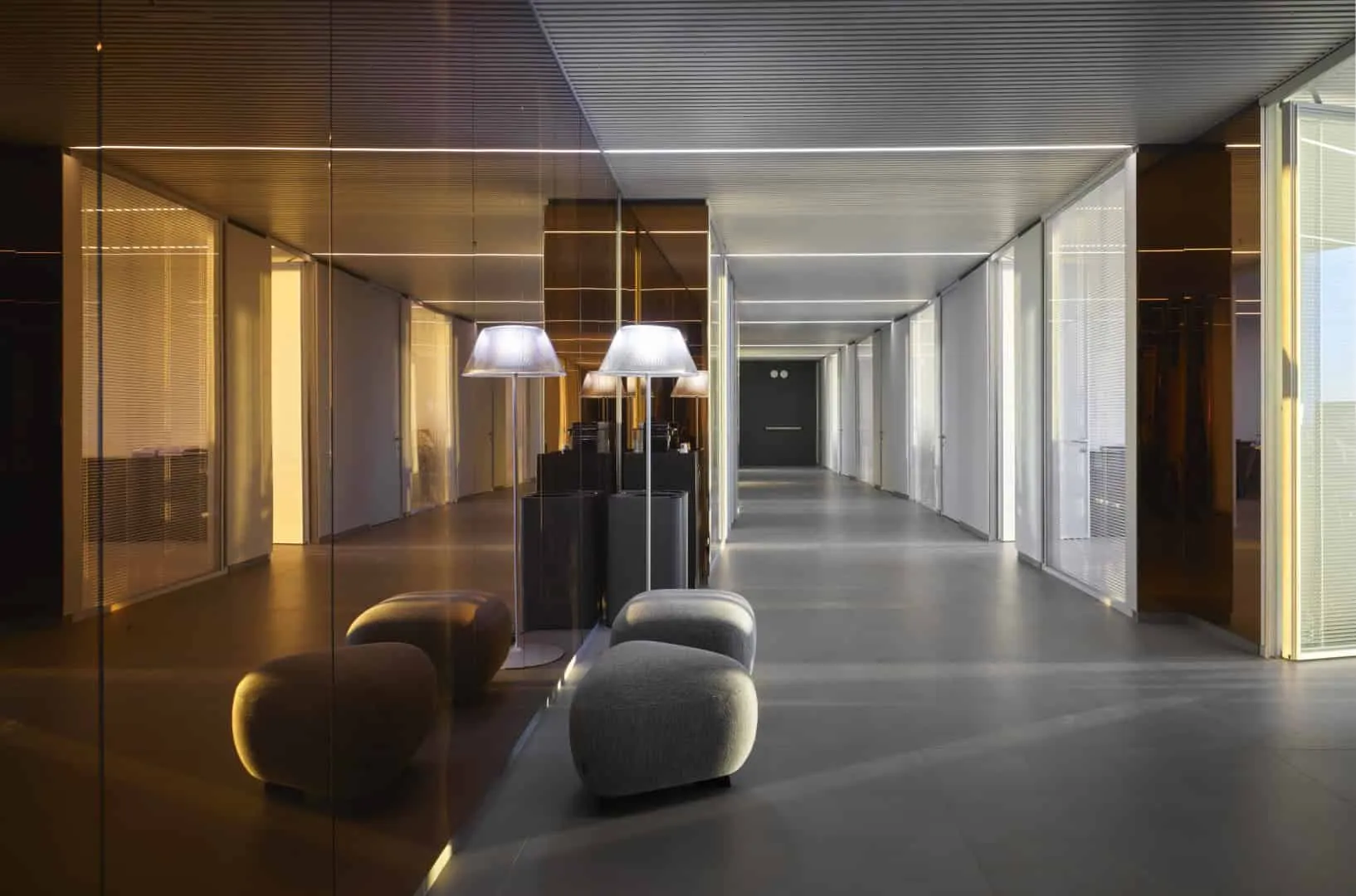
Lighting systems follow circadian rhythms, aligning with human biology.
Ventilation systems provide clean, healthy air without movable windows.
Sound insulation supports focus and psychological wellbeing.
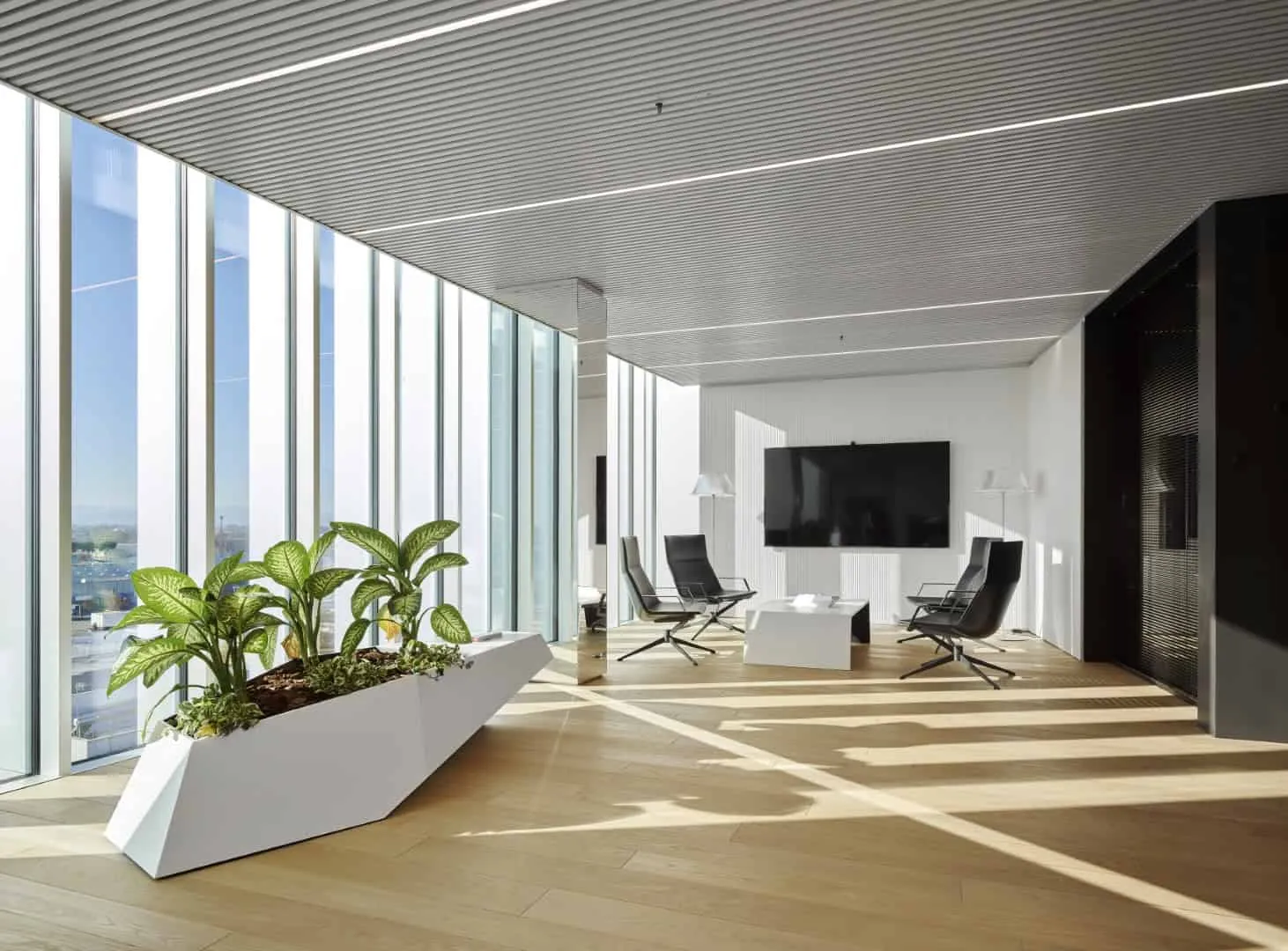
Views of greenery are available from every level.
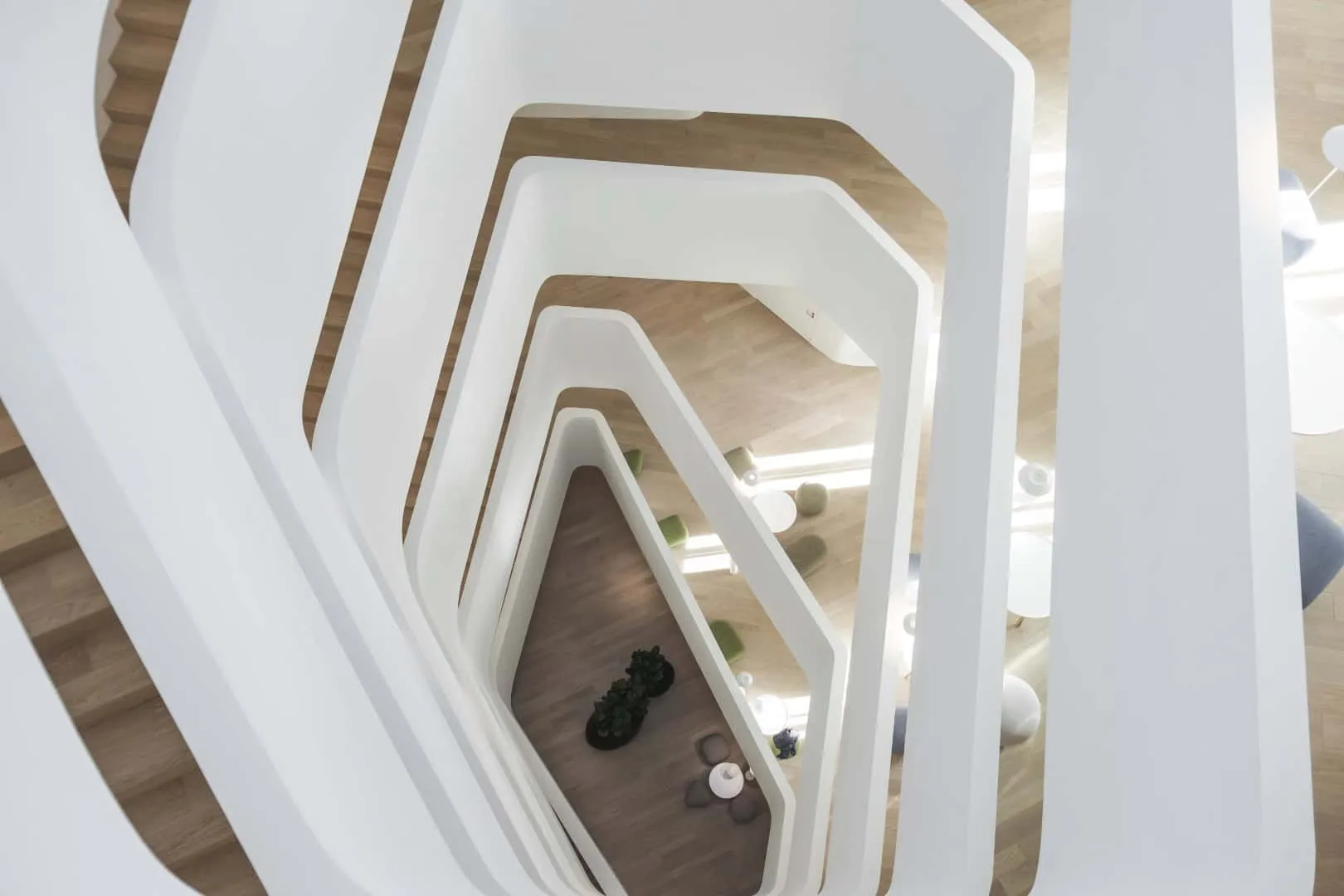
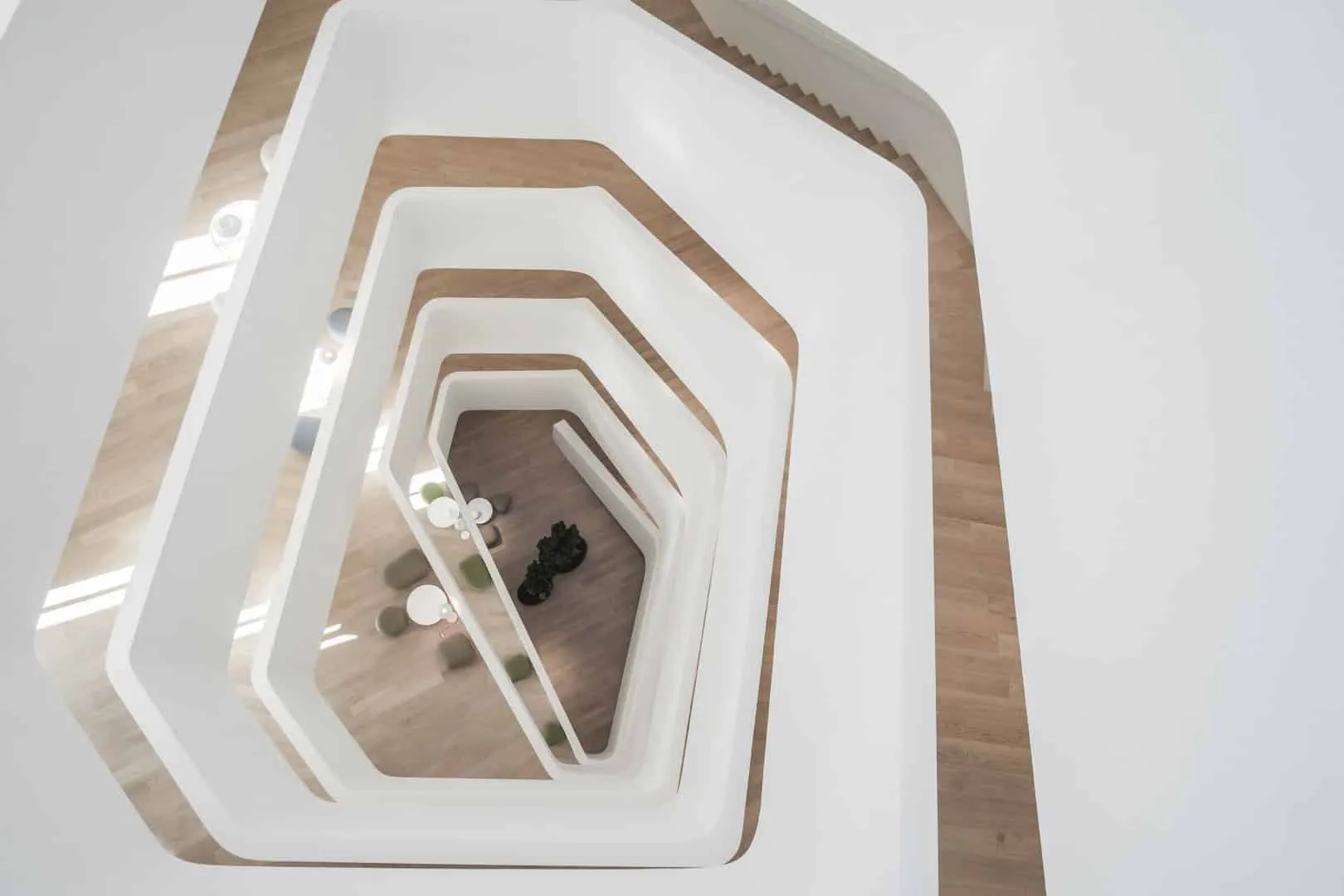
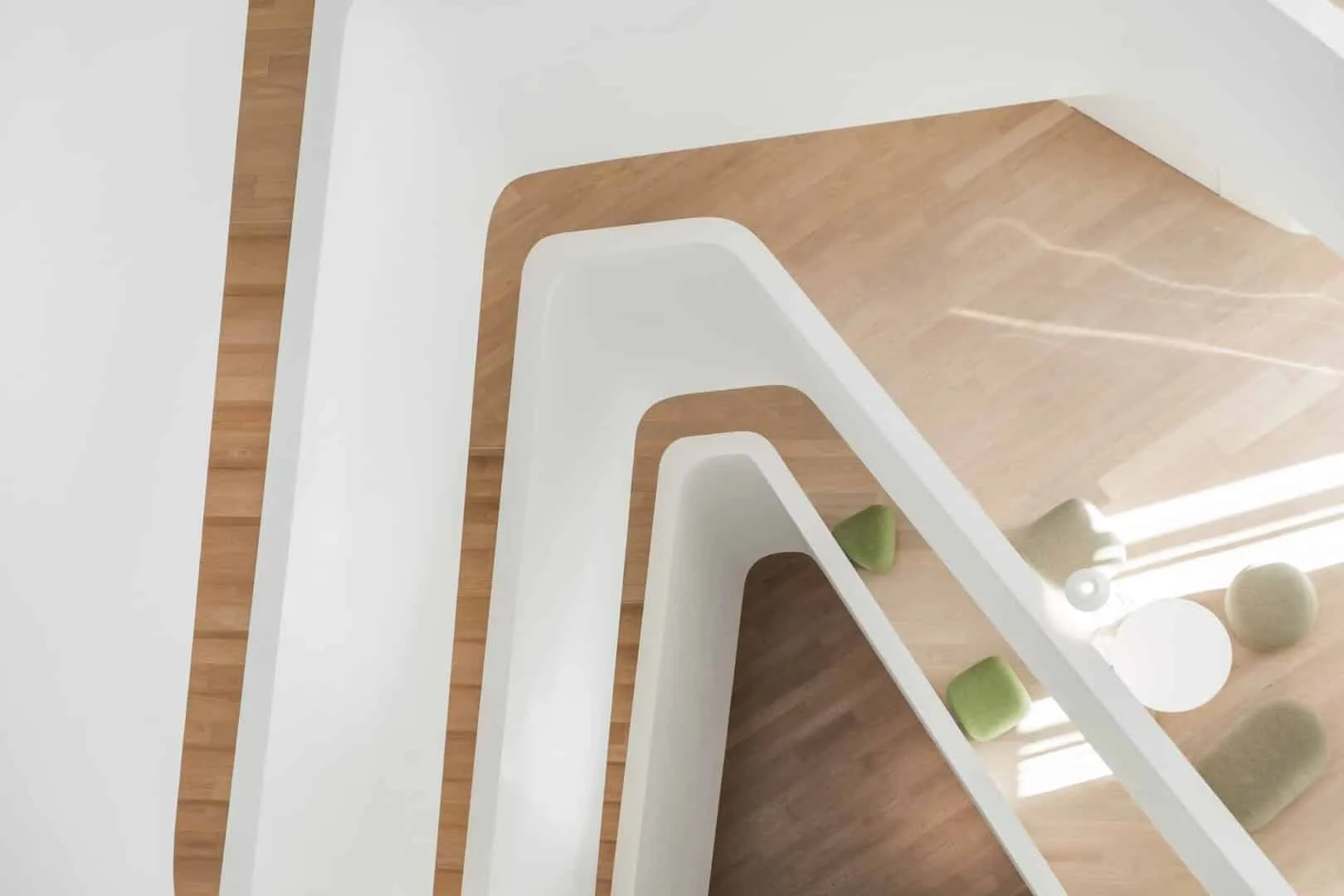
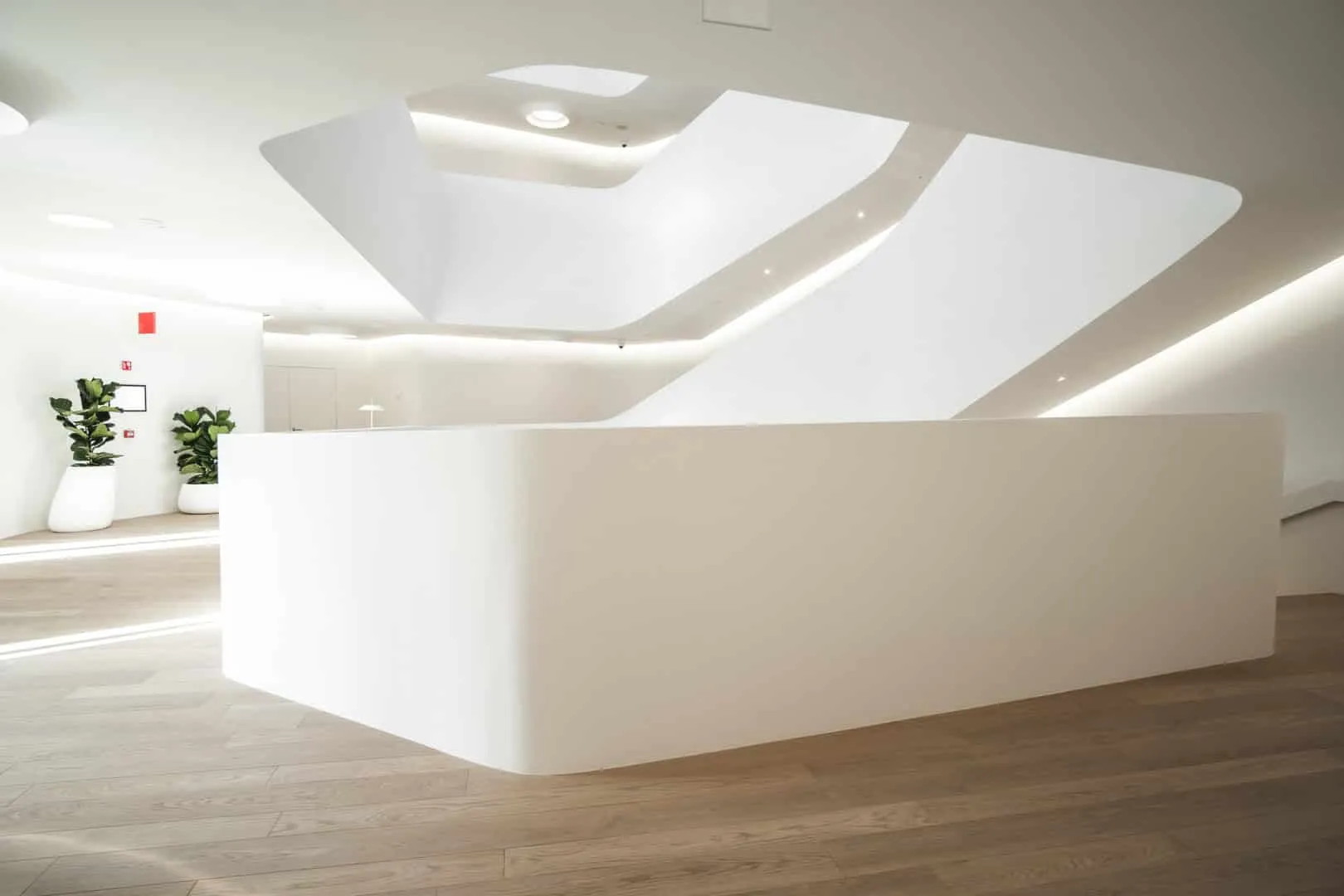
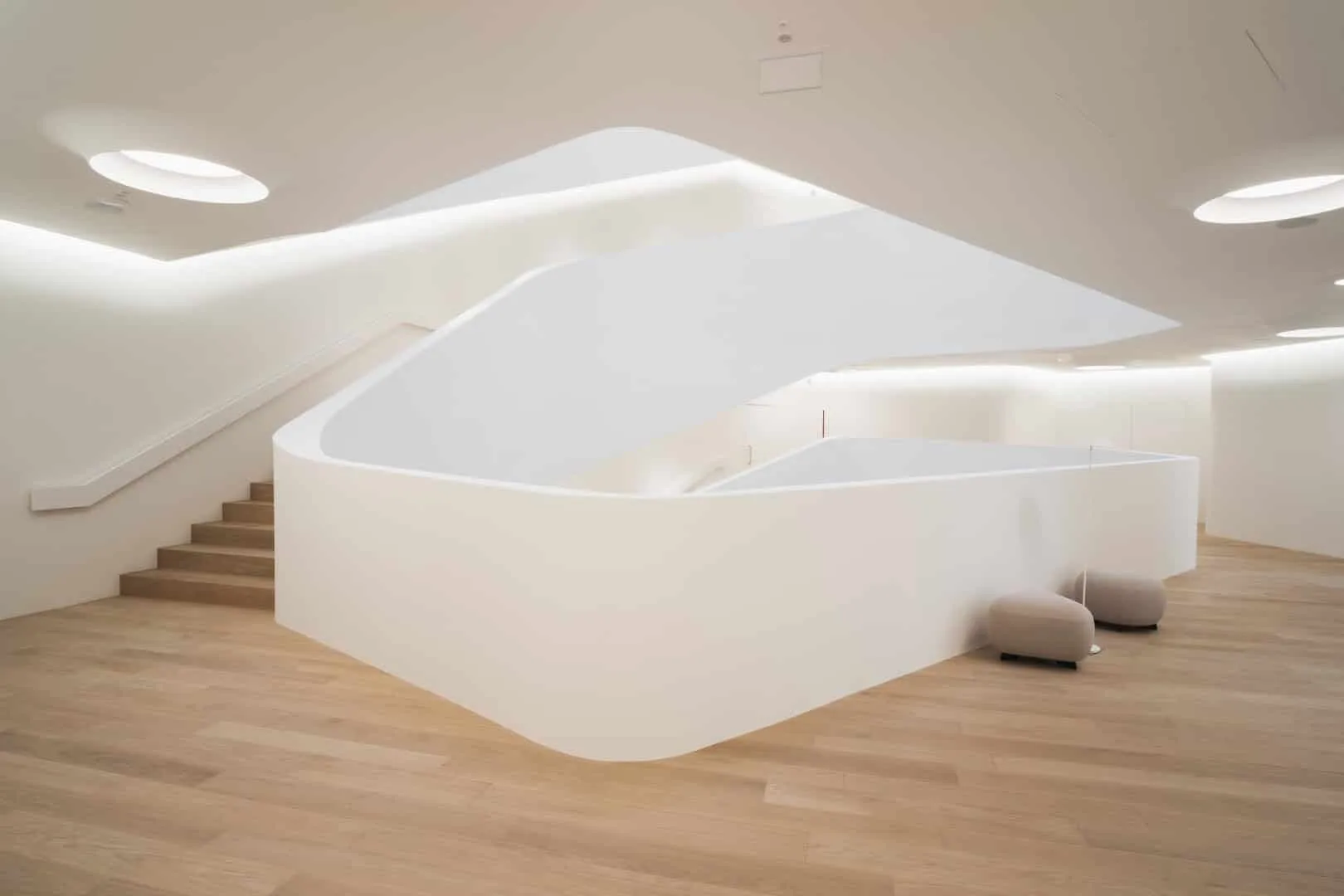
Movement spaces serve as social hubs. Large sculptural stairs, curving like living organisms, create dynamic vertical connections. Stair landings function as informal gathering points, strengthening a sense of community and collaboration.
Spatial Experience and Atmosphere
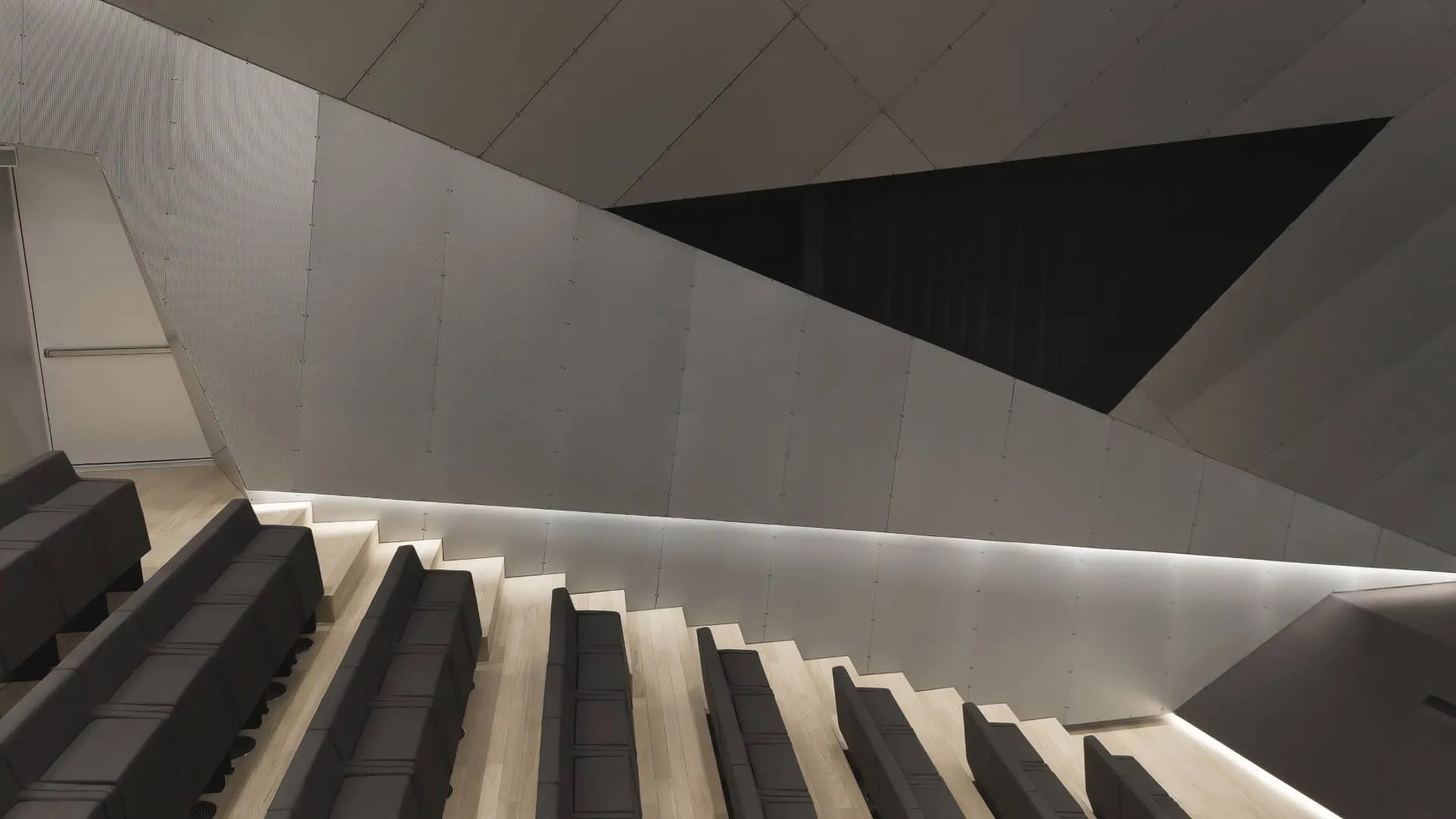
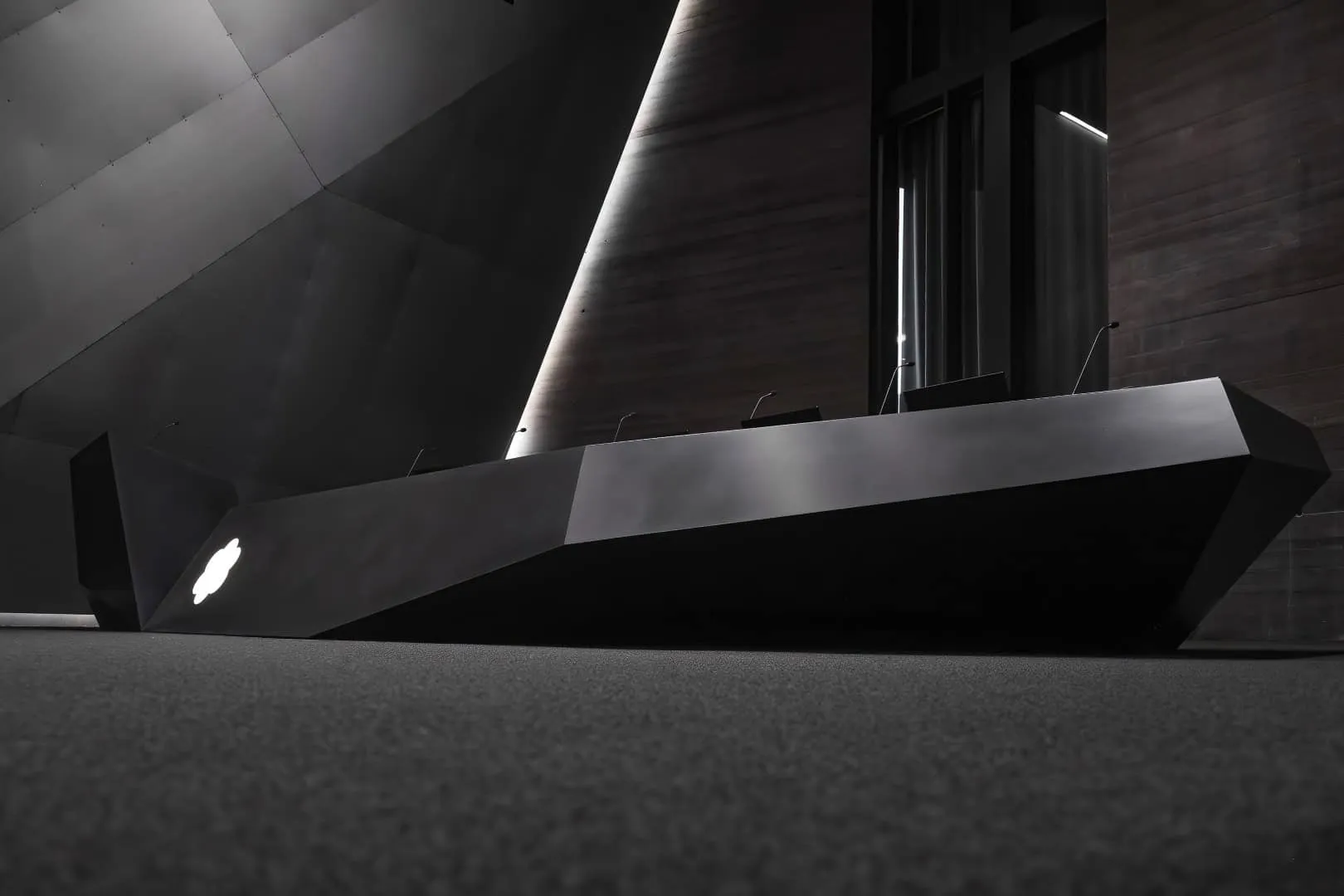
Inside the building, it rejects rigid orthogonality in favor of faceted surfaces, diagonal cuts and a geometry of fragments. The interplay between compression and expansion, light and shadow creates a story of discovery and stimulation.
Employees are not passive users but active participants in the building's operation. Architecture involves them as co-authors of constant change, encouraging creativity, interaction and wellbeing.
Landscape and Ecological Integration
Despite its industrial location, the project seeks to rethink its context:
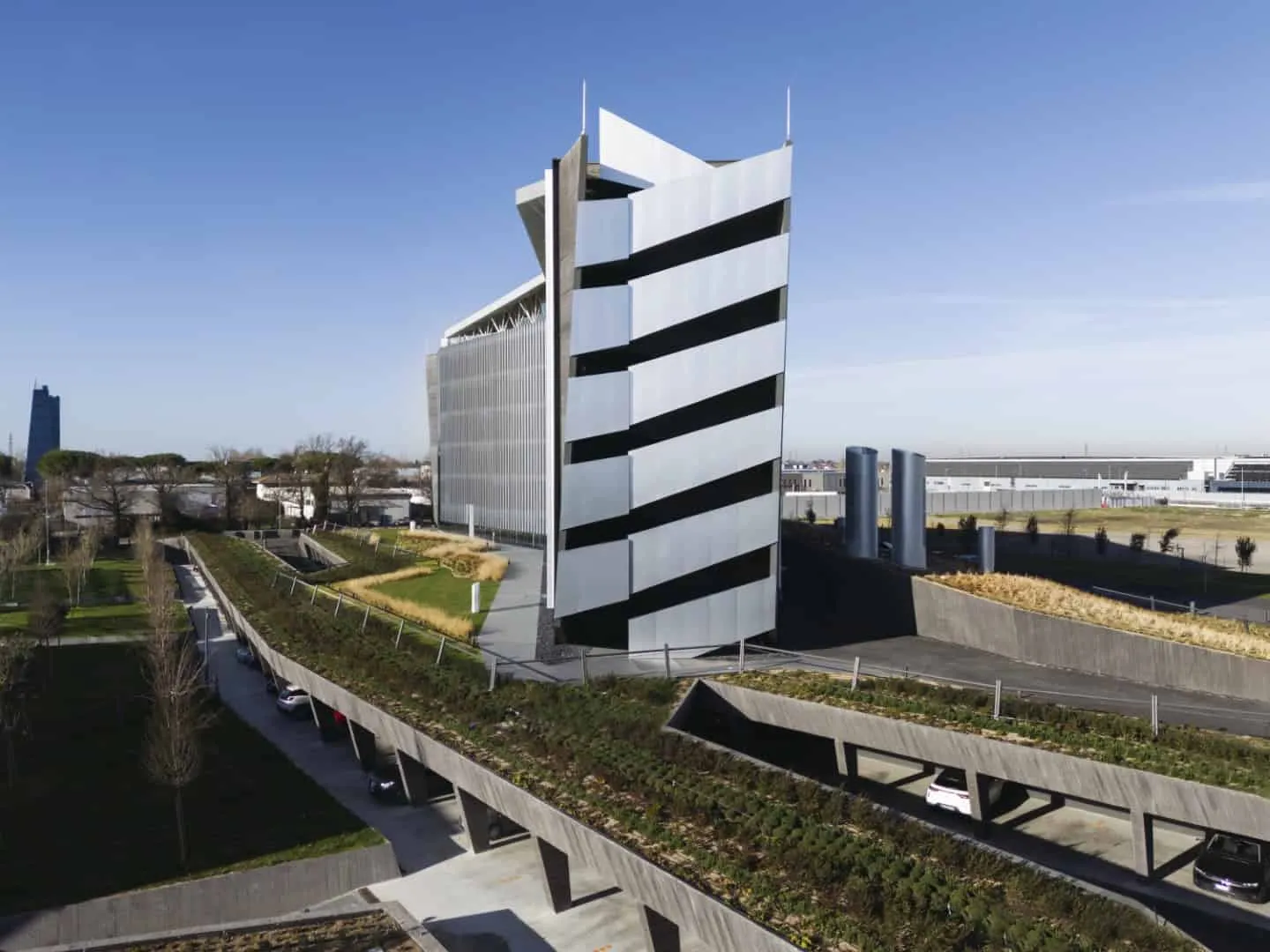
300 trees and 22,000 plants, which soften and enrich the environment.
Landscape design creates a green buffer, softening the monotony of neighboring prefabricated buildings.
The building becomes a gift to the environment, transforming a derelict site into an area of architectural and ecological significance.
The Sidera building by Tisselli Studio Architetti is a milestone in modern workplace design. The fusion of scientific rigor, neuroarchitecture principles and ecological sensitivity allows it to transcend the banality of industrial contexts and create a vibrant, breathing headquarters.
This is not just an office building but a cultural statement proving that architecture can promote wellbeing, strengthen communities and reimagine entire urban zones.
Photos © Tisselli Studio Architetti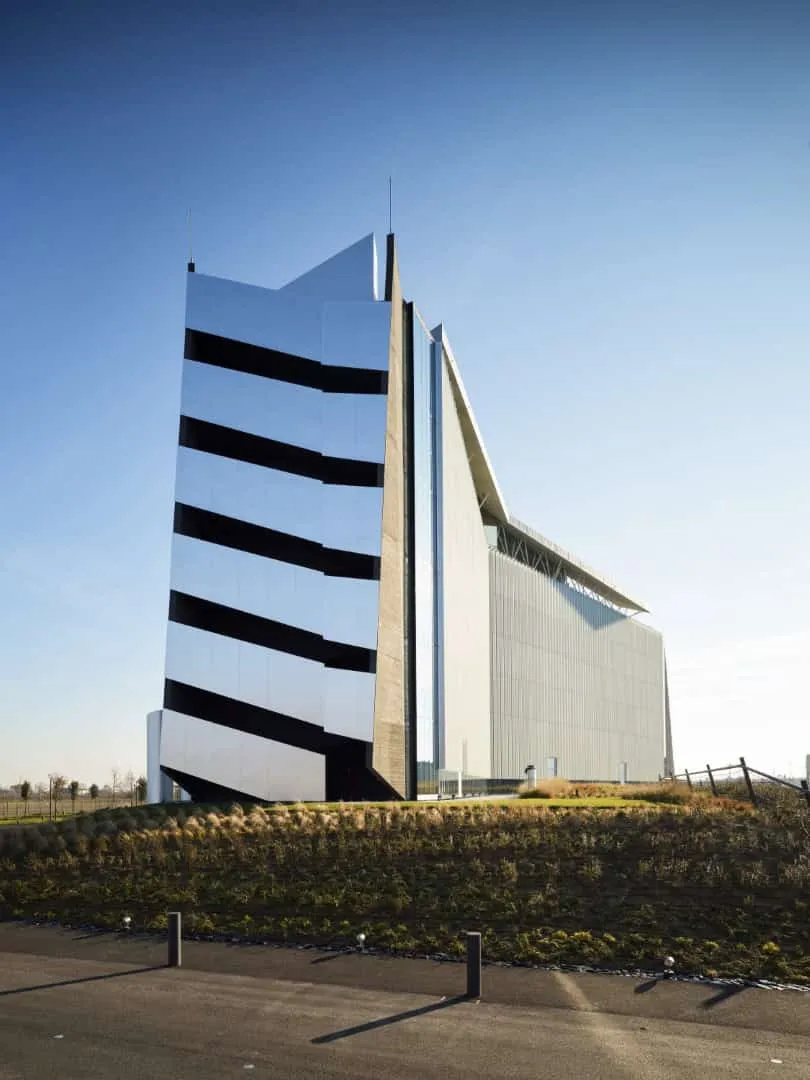 Photos © Tisselli Studio Architetti
 Photos © Tisselli Studio Architetti
 Photos © Tisselli Studio Architetti
 Photos © Tisselli Studio Architetti
 Photos © Tisselli Studio Architetti
 Photos © Tisselli Studio Architetti
 Photos © Tisselli Studio Architetti
 Photos © Tisselli Studio Architetti
 Photos © Tisselli Studio Architetti
 Photos © Tisselli Studio Architetti
 Photos © Tisselli Studio Architetti
 Photos © Tisselli Studio Architetti
 Photos © Tisselli Studio Architetti
 Photos © Tisselli Studio Architetti
 Photos © Tisselli Studio Architetti
 Photos © Tisselli Studio Architetti
 Photos © Tisselli Studio Architetti
 Photos © Tisselli Studio Architetti
 Photos © Tisselli Studio Architetti
 Photos © Tisselli Studio Architetti
 Photos © Tisselli Studio Architetti
 Photos © Tisselli Studio Architetti
 Photos © Tisselli Studio Architetti
 Photos © Tisselli Studio Architetti
 Photos © Tisselli Studio Architetti
 Photos © Tisselli Studio Architetti
 Photos © Tisselli Studio Architetti
 Photos © Tisselli Studio Architetti
 Photos © Tisselli Studio Architetti
 Photos © Tisselli Studio Architetti
 Photos © Tisselli Studio Architetti