Summer Plant Care: Important Tips
 Pinterest
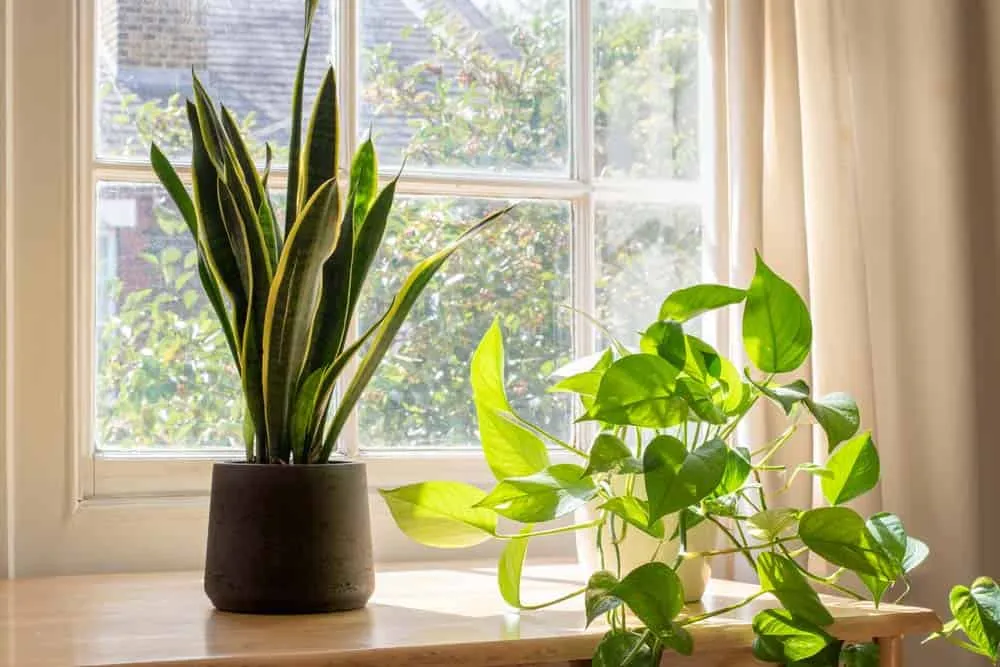
Summer is the time for sunscreen, sunglasses and a hat to protect yourself from bright sunlight. But you're not the only one who needs protection. Your plants do too! Summer plant care is very important to keep them beautiful and healthy.
So continue reading this article and take note of all the tips for summer plant care:
Signs That a Plant Is Suffering from Heat
One of the first things to watch for when caring for plants in summer is signs of stress, such as:
Yellow and/or Sunburned Leaves
Yellow and sunburned leaves are a sign that the plant is getting more sun than it should.
This usually happens with tropical species accustomed to partial shade, and when they start receiving direct sunlight, spots appear on the leaves.
Lack of Shine and Freshness in Leaves
Another classic sign that plants are suffering from summer heat is a noticeable loss of shine and freshness in the leaves. Do you know that bright green hue of foliage? When heat and dry air become too much for it, the plant responds with paleness and dullness.
The loss of freshness can also be seen when the plant slightly 'sags' and begins to dry out.
Pest Infestation
If a plant is in unfavorable conditions, it quickly becomes a target for pests. So if you notice that your plant is being attacked by pests specifically in summer, this might be another clear sign of unfavorable weather conditions for it.
The plant may suffer from water deficiency, too much light or lack of fertilization.
Dead and Dry Parts
This is a more serious signal. If you notice dry and dead parts on the plant, such as leaves and stems, this means action needs to be taken immediately. This sign usually indicates that the plant is getting more light and heat than it should, as well as low humidity.
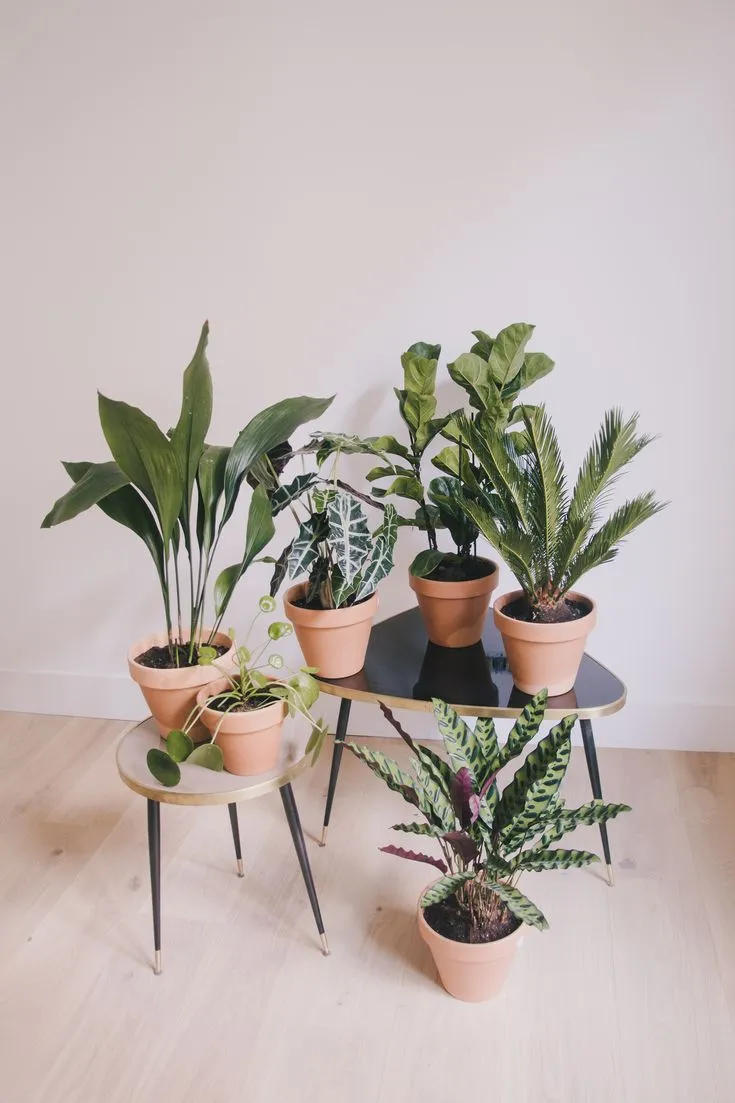
Tips for Plant Care
 Pinterest
Humidity
Ensure your plants receive the necessary humidity for healthy growth and beauty. For example, semi-shade and shade-loving plants should be misted with water during the day to prevent leaves from burning or drying out.
You can also rely on a humidifier to provide green plants with the required humidity throughout the day. On the other hand, full-sun plants should not be watered on their leaves during the day to avoid burning. Instead, give them a thorough watering (with hose or watering can) at the end of the day.
Moving Plants
Seasonal changes affect where the sun is positioned in the sky, and summer will be no exception. Additionally, days become longer, and the sun moves more linearly and consistently from east to west rather than in winter when it angles toward the northern side.
This means that sunlight is distributed more evenly in summer. So if you have a plant next to a west-facing window, it will get more light than during winter. But you don't need to change the décor of that spot. Just observe a few days how sunlight behaves there in your home and move the plants if needed.
This change is especially recommended for species that don't tolerate direct sunlight, such as semi-shade and shade-loving plants.
Avoid Pruning
Don't prune your plants in summer, just remove dry, dead or diseased branches, leaves and flowers. This is because pruning stimulates the growth of new shoots, and excessive heat during this season can kill that new growth.
Reserve pruning for fall and spring when buds are more prone to develop.
Water Only in the Evening
Avoid watering plants during the day, especially those under direct sunlight. Water in stems and leaves reflects light and can cause burns to the plant.
It's best to leave watering for the evening. Indoor plants should only be watered on their leaves.
Self-Watering Pots
This plant care tip for summer is excellent, especially for those who are often away from home or planning trips.
Self-watering pots provide plants with water as the soil dries out. The release happens slowly and gradually, so the plant is never exposed to excessive heat.
Proper Fertilization
 Pinterest
In summer, plants grow actively, even flowering and fruiting. To support this growth, it's necessary to enrich the soil with organic matter. You can use manure, compost, or even chemical formulas such as NPK 10-10-10.
Lack of fertilization can affect development and leave the plant vulnerable to pests.
Watch Out for Pests
Get used to checking your green plants for pests. Inspect the leaves, including the underside, stems and substrate.
If you notice any intruder in your plant, perform the necessary treatment. A good tip is to use neem oil. Besides being a natural product that doesn't harm plants, it's also very effective against various types of pests.
Caring for the Substrate
Among essential aspects of summer plant care is substrate. Sun and heat dry out and harden the soil, making it difficult for plants to absorb water from irrigation even fertilizers.
To avoid this issue, cover exposed soil with dry leaves, sawdust or straw.
This prevents the substrate from losing moisture to the surrounding environment and keeps it healthy for the plant.