How to Cool Your Home Moderately
Climate change is making summer weather hotter and drier around the world, so you may find yourself relying on air conditioning much more than before. If you live in a climate that was once cooler, you may not even have central air conditioning in your home—you might rely on window units. And since many people still work from home part of the time, it's hard to keep cooling costs under control.
But higher temperatures and more time spent at home don't necessarily mean you're spending your entire budget on cooling. You can minimize reliance on air conditioning while keeping your home cool and reducing your carbon footprint. You just need to be mindful of preventing heat from entering your home—or generating heat and humidity inside. Strategically open and close windows to avoid letting hot air in or drawing cool air in, and use ceiling fans to create a cooling breeze throughout your home.
Climate change is making summer weather hotter and drier around the world, so you may find yourself relying on air conditioning much more than before. If you live in a climate that was once cooler, you may not even have central air conditioning in your home—you might rely on window units. And since many people still work from home part of the time, it's hard to keep cooling costs under control.
But higher temperatures and more time spent at home don't necessarily mean you're spending your entire budget on cooling. You can minimize reliance on air conditioning while keeping your home cool and reducing your carbon footprint. You just need to be mindful of preventing heat from entering your home—or generating heat and humidity inside. Strategically open and close windows to avoid letting hot air in or drawing cool air in, and use ceiling fans to create a cooling breeze throughout your home.
Run Large Appliances at Night
Larger appliances such as dishwashers, washing machines and dryers, and ovens generate a lot of heat in your home. Avoid using these appliances during the day to keep your house cool. Instead, run them late in the evening or very early in the morning when you can open windows to vent out heat and draw in cool air. You'll also benefit from time-of-use rates and save money!
Keep Windows Closed During the Day and Open at Night
Opening windows on a hot summer day lets in heat, but keeping them closed can help keep the heat out of your home. You'll want to open windows again once it gets dark and everything cools down a bit outside. Open windows on both sides of your home to create cross-ventilation that pushes hot stagnant air out and replaces it with fresh, cool air.
Hang Thermal Curtains
Proper curtains can do a lot to cool your home even on the hottest summer day. Consider installing thermal window coverings on windows to block heat and UV rays from entering your home while still allowing light in. Blackout curtains can block both heat and light—this is a good idea for bedrooms and rooms you don't use often during the day.
Fabric or honeycomb blinds are also a good option. These blinds are made from small honeycomb cells that create an air layer between the window and your home to keep hot air outside and cool air inside. Of course, the best way to prevent heat from entering through windows is to install blinds or awnings on the outside of the window so that heat never reaches the glass.
Use Ceiling Fans
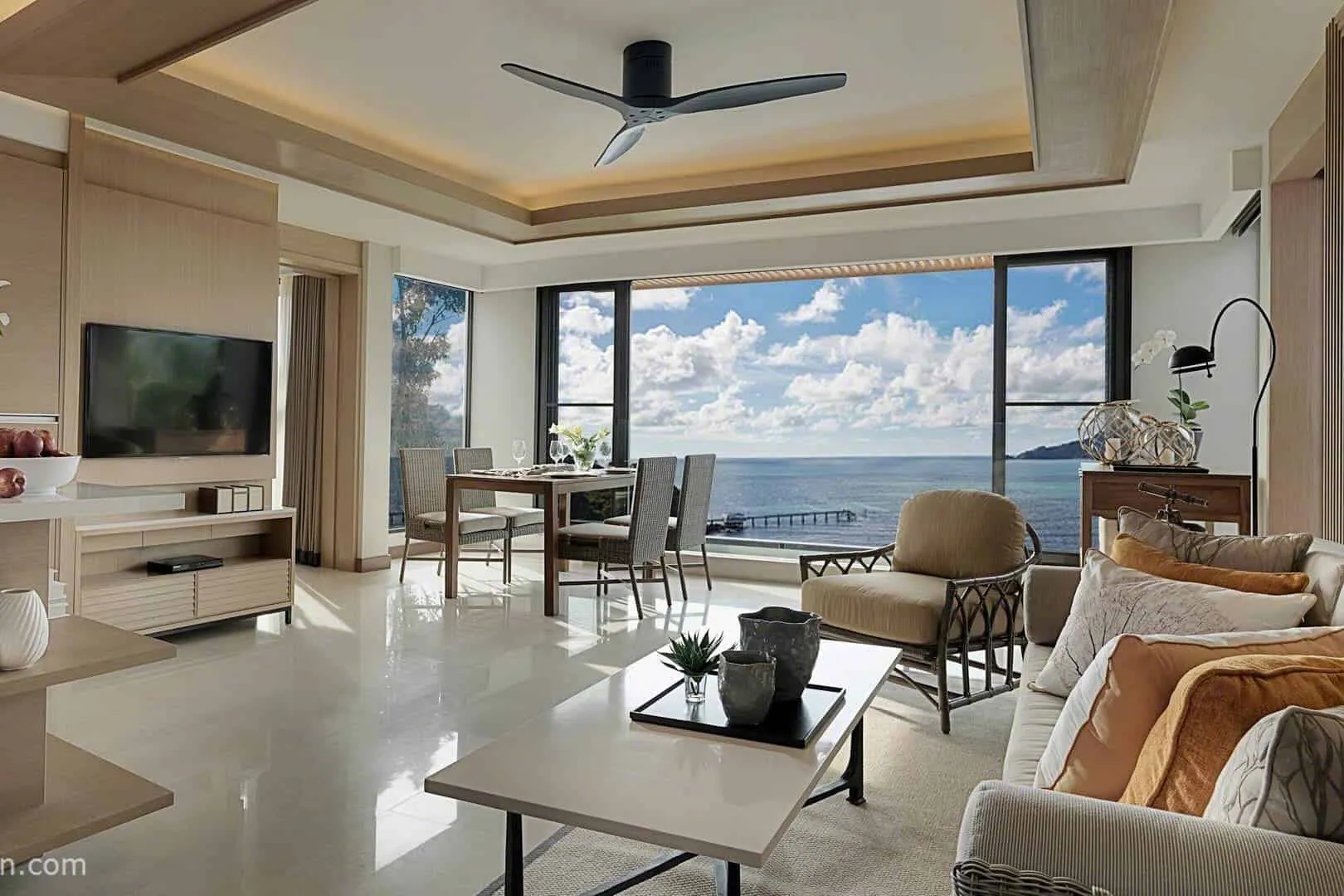
Ceiling fans are an excellent way to stay cool and comfortable during summer, and they cost just a few cents to operate compared to central air conditioning or window units. Make sure the ceiling fan blades rotate counterclockwise so they push air directly downward into the room. A ceiling fan can make your home feel four degrees cooler without changing the actual temperature.
No ceiling fans? Maybe it's time to install a few in the rooms where you spend most of your time. You may not even need an electrician to install new ceiling fans. If you have a ceiling light fixture, you can replace it with a ceiling fan—ceiling fans with built-in lighting are also available for added convenience.
Plant Native Vegetation on the Sunny Side of Your Home
Native plants—shrubs, flowers, trees, and vines that are adapted to your local climate—are great for providing shade to your home and helping it stay cool. Plant vegetation on the side of your house that gets the most sun exposure. Look for plants that grow large enough to cover windows. Consider climbing vines that grow quickly and can shade the entire side of your home.
Switch to LED Light Bulbs
Incandescent bulbs emit most of their energy as heat, but LED light bulbs don't produce much heat, so switching to LEDs can help keep your home cooler. This also saves money—you'll use less electricity to power LED bulbs and replace them much less frequently.
Keeping your home cool in the summer can be a challenge, but it's possible without air conditioning. Raise your thermostat this summer and cool your home more sustainably. Your wallet—and the planet—will thank you.