6 Tips for Decorating Your Home Without Breaking the Bank
Refreshing your living space does not require a massive renovation budget or an interior designer on retainer. With a clear plan and an eye for proportion, you can transform your home into a cohesive, stylish sanctuary without overspending. In this guide, we explore how to elevate every plane of your interior, from ceilings and architectural woodwork to floors, doors, and curated surfaces. You will learn actionable styling formulas, smart sourcing strategies, and practical DIY techniques that deliver maximum aesthetic return on a modest investment.
When you approach renovating and decorating your home without breaking the bank, the secret lies in balance. By mixing accessible high-street staples, DIY upgrades, and carefully selected secondhand treasures, you can build rooms that feel collected over time rather than purchased straight from a showroom floor.
Key Takeaways
- Shop your existing rooms first by moving accent chairs, consoles, and artwork to new spots to refresh visual energy without spending money.
- Use durable paint rather than expensive wallpaper, applying targeted accents or two-tone wall blocking to add architectural structure on a modest budget.
- Swap cool overhead lights for multiple warm white bulbs between 2700K and 3000K placed across floor and table lamps for an elevated ambiance.
- Layer inexpensive flatweave or jute area rugs under vintage textiles to conceal worn flooring and anchor conversational seating zones.
- Hang curtain poles 4 to 6 inches above window frames to visually lengthen walls and make compact rooms appear significantly taller.
- Source solid wood tables and cabinets from charity reuse stores, then modernize them with sanding, clear wax, and updated hardware pulls.
Decorating Your Home Without Breaking the Bank: Practical Interior Styling on a Budget
Shop Your Own Home Before Spending a Penny
Rearranging your existing furniture and decluttering surfaces costs nothing while immediately improving room proportion, natural lighting, and movement flow.
Before you purchase new decor or open a paint tin, take a fresh look at the furnishings and accents you already own. Redistributing furniture between rooms is the fastest and most cost-effective way to reset the energy of your entire home. An accent chair sitting unused in a guest bedroom might be the exact reading nook anchor your living room is missing, while a hallway console table can easily double as a stylish bedroom vanity.
Start by pulling furniture away from the walls to create purposeful conversational zones. Floating your sofa a few inches into the room, angling an armchair toward natural light, or clearing cramped sightlines immediately enhances spatial flow. When we look at our possessions in a new context, decorative objects that once felt tired gain renewed vitality simply because the light, background, and surrounding pieces have shifted.
Decluttering is an equally vital first step. Stripping a room down to its essential pieces allows you to assess proportion, scale, and lighting without visual noise. Often, what a room needs most is not more items, but breathing room around the pieces that genuinely matter.
Strategic Paint Techniques: High Impact on a Modest Budget
Paint remains the single most transformative tool in budget home decor, delivering dramatic architectural impact for minimal outlay. A well-chosen palette can disguise uneven walls, draw the eye toward pleasing focal points, and alter how spacious a room feels.
Choosing Paint Over Wallpaper for Cost and Flexibility
Wall finishes set the tone for your entire scheme, but they also represent one of the biggest budget variables. While wallpaper introduces rich pattern and texture, quality paint offers unmatched flexibility and affordability for anyone who likes to update their space regularly.
You do not need to splurge on boutique paint brands to achieve a flawless finish. Reliable own-brand emulsions from retailers like Wickes or Wilko deliver dependable coverage and durable pigment at a fraction of the cost. While wallpaper boasts a long lifespan in low-moisture zones, the upfront cost of rolls and paste, alongside the challenge of application, makes it a substantial commitment. If you are decorating on a budget or enjoy changing your colour palette with the seasons, paint is by far the more practical, adaptable choice.
| Paint Finish | Best For | Durability & Washability | Light Reflection |
|---|---|---|---|
| Matte / Flat | Living rooms, adult bedrooms, ceilings | Low to moderate; conceals wall imperfections | Non-reflective, velvety depth |
| Eggshell / Satin | Hallways, family rooms, dining spaces | Moderate to high; easy to wipe down | Soft, subtle sheen |
| Semi-Gloss / Gloss | Interior doors, skirting boards, architectural trim | Very high; scrub-resistant and moisture-tolerant | High reflection; highlights clean edges |
Architectural Accents and Colour Blocking
If painting an entire room feels daunting, targeted paint treatments can establish strong architectural presence on a shoestring budget. Colour blocking and accent walls allow you to define distinct zones within open-plan layouts without building physical partitions.
Consider painting a crisp half-wall horizon around a dining area or home office nook. Applying a deeper, grounded shade to the lower third of a wall and keeping the upper portion light creates the grounding effect of traditional wainscoting without the expense of carpentry. Alternatively, using inexpensive timber battens from a local builders’ merchant lets you install simple board-and-batten or picture-frame moulding, which you can paint in a single monochromatic shade to make builder-grade drywall look custom-built.
The Fifth Wall: Creative Ceilings and Layered Lighting
Replace single overhead fixtures with layered lamps using warm white 2700K to 3000K bulbs to instantly make budget furnishings look polished and inviting.
Designers frequently refer to the ceiling as the “fifth wall,” yet it is often left coated in plain white builder’s emulsion. Treating your ceiling with intentionality can visually expand your room, create atmospheric intimacy, or serve as an unexpected artistic focal point.
Painting the ceiling in a soft tint that echoes your wall colour creates a seamless, enveloping canopy that makes a low ceiling feel taller. For a more dramatic dining room or study, you can take inspiration from historic interiors by opting for a deep jewel tone or even a subtle metallic finish, such as a gold painted ceiling, which catches candlelight and evening lamps beautifully.
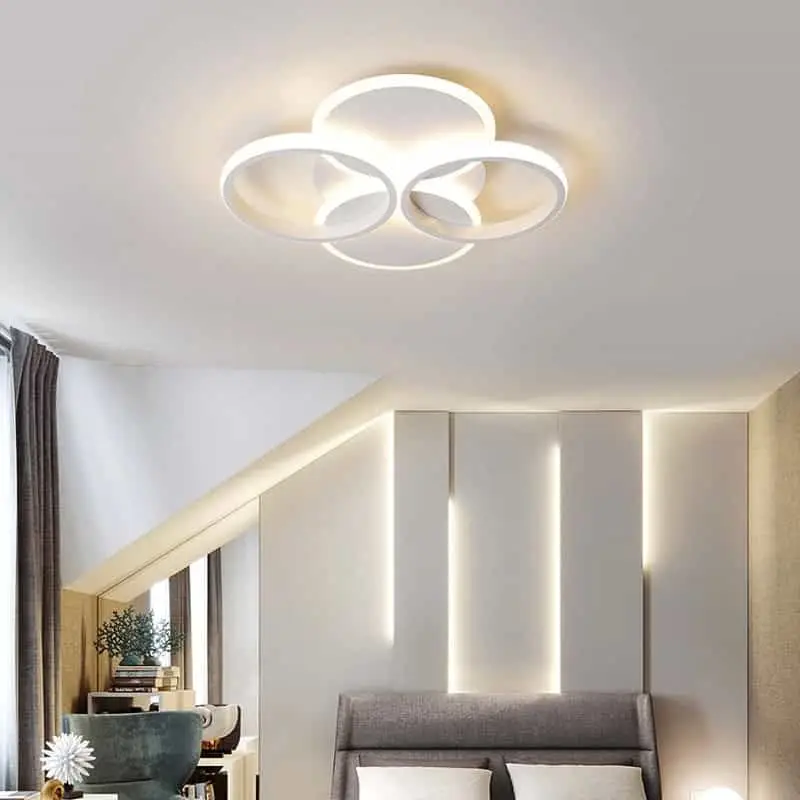
Lighting is equally fundamental in making budget spaces feel high-end. A single, harsh central overhead fixture flattens a room and exposes every flaw. Creating a layered lighting scheme using ambient, task, and accent fixtures is the most effective way to elevate the perceived quality of your home.
Swap out builder-grade plastic pendants for sculptural light shades or an affordable chandelier that anchors the room’s visual centre. From there, introduce floor lamps and table lamps at varying heights across the room. Stick to warm white lightbulbs (between 2700K and 3000K) throughout your home. Uniform, warm colour temperatures create a soft, flattering glow that makes inexpensive furnishings appear rich and welcoming.
Grounding the Space with Rugs and Layered Flooring
Flooring is notoriously expensive to replace, but you do not need to invest in new hardwood or wall-to-wall carpeting to achieve a polished foundation. Strategic use of area rugs allows you to define functional zones, add tactile warmth, and camouflage tired or damaged flooring effortlessly.
Following foundational area rug design rules ensures your room looks balanced rather than disjointed:
- Scale matters: A rug that is too small makes the entire room look cramped. In a living room, aim for a size where at least the front legs of all key seating pieces rest comfortably on the rug.
- Layering textures: Place a smaller, higher-value vintage or patterned rug over a budget-friendly, large natural jute or sisal rug. This gives you high-end styling while keeping costs low.
- Carpet over carpet: If you are renting or dealing with worn existing carpet, do not hesitate to lay a flatweave or low-pile area rug directly over it to anchor coffee tables and conceal high-traffic stains.
Rugs also serve an essential acoustic role in open-plan spaces. In addition to visual comfort, substantial textiles absorb sound, preventing the cold, echoing atmosphere that often characterizes unadorned rooms.
Refreshing Interior Doors, Cabinetry, and Hardware
Architectural doors and cabinetry carry significant visual weight in any interior, yet they are frequently overlooked during budget renovations. Replacing kitchen cabinets or internal passage doors can cost thousands, but cosmetic resurfacing yields a near-identical aesthetic transformation.
A fresh coat of durable satin paint paired with modern hardware can instantly update dated doors and drab cabinetry. You can tackle kitchen doors, utility cupboards, and bathroom vanities over a single weekend with basic preparation:
- Unscrew and remove all existing handles, hinges, and drawer fronts to ensure clean edges and avoid messy paint bleeds.
- Clean the surfaces thoroughly with sugar soap or a degreaser to remove cooking residue and household oils.
- Lightly sand the surfaces with medium-grit sandpaper to give the primer mechanical grip, wiping away dust with a damp microfiber cloth.
- Apply a high-adhesion primer suited to your door’s substrate, especially if working over laminate, foil wraps, or previously varnished timber.
- Finish with two thin, even coats of durable satinwood or eggshell paint, allowing full drying time between applications before reinstalling.
Replacing generic knobs with brushed brass, matte black, or knurled metal pulls immediately elevates the entire piece. Modern hardware acts as jewelry for the room, signaling intentional, considered design without significant spending.
Thrifted Home Decor and Savvy Sourcing
Furnishing a room solely from flat-pack retailers can result in a sterile, temporary look that lacks character. Mixing in vintage and preloved pieces provides authentic charm, superior craftsmanship, and substantial financial savings.
Charity shops and community reuse centres are exceptional sources for solid wood furniture built to standards rarely matched at modern budget price points. Organizations like the British Heart Foundation operate dedicated furniture stores nationwide, with preloved dining tables, sideboards, desks, and armchairs arriving daily. Because these goods are donated, you can purchase well-crafted solid oak, walnut, or pine pieces for a fraction of their original retail cost, all while supporting a worthy cause.
Digital marketplaces have also simplified the hunt for affordable interior styling. Platforms such as Gumtree, Freecycle, and Facebook Marketplace regularly feature quality home goods listed at deep discounts or even free of charge when owners are relocating. Look past outdated wood stains, worn fabrics, or scuffed surfaces; focus strictly on shape, proportion, and structural soundness.
Upcycling Techniques for Vintage Finds
Bringing secondhand treasures into harmony with your modern interior is straightforward with basic refinishing techniques:
- Sanding and clear waxing: Strip away heavy, orange-toned varnish from older tables and consoles to expose the raw, pale timber underneath. A matte clear wax or sealant protects the wood while highlighting modern Scandinavian tones.
- Re-covering upholstered seat pads: Dining chairs with drop-in seats can be recovered in minutes using a staple gun and a yard of durable linen or boucle fabric.
- Hardware swaps: Transform a bulky, outdated chest of drawers into an elegant bedside statement piece simply by replacing ornate pulls with streamlined cup handles or leather tabs.
Framing, Wall Art, and Curtains for Architectural Scale
Carry these gallery wall curation and textile techniques into your sleeping space with our bedroom styling guide.
Hang curtain rods 4 to 6 inches above window frames and extend them wide so fabric clears the glass, creating an illusion of grand, high ceilings.
Bare walls and undersized window treatments frequently leave an otherwise tidy room feeling cold and unfinished. Fortunately, you do not need an art collector’s budget to create a striking gallery display or dress windows with elegance.
Hanging curtains high and wide is one of the easiest visual tricks to make low ceilings appear grand and expansive. Mount your curtain rod at least 4 to 6 inches above the window frame, or even just beneath the ceiling coving, and extend the pole several inches beyond the window sides. This allows the fabric panels to frame the glass without obstructing incoming daylight, tricking the eye into perceiving larger windows and taller walls. Always ensure curtains kiss the floor; hem tapes provide a crisp, no-sew finish at home.
For your walls, focus on cohesive curation over expensive art acquisitions. When you plan a thoughtfully personalised bedroom or living room gallery wall, consistency is key. You can create custom prints right from your home printer. Using free design applications, draft graphic typography, botanical prints, or minimalist geometric art, and print them onto heavyweight matte photo paper.
Combine these with framed family photographs and postcards gathered from travels. Rather than buying expensive custom frames, collect mismatched, budget-friendly frames from discount stores or thrift shops and spray-paint them a uniform matte black, soft cream, or warm walnut to give the collection immediate editorial unity.
Curating the Details: Vignettes Over Clutter
Learn how small styling details and vignettes can elevate functional vanity areas without a costly remodel.
Accessories bring individuality to an interior, but accumulating rows of inexpensive, mass-produced decorative trinkets quickly leads to visual clutter. The goal of sophisticated budget decorating is to curate intentional vignettes that reflect your personality without overwhelming surfaces.
In bathrooms, entryways, and shelving displays, small styling details make a noticeable difference in how clean and elevated the room feels. Group items using the interior design rule of threes, combining pieces with contrasting heights, textures, and materials. For example, pair a tall stoneware vase with a stack of two horizontal hardback books and a low textured ceramic bowl.
Incorporate living greenery wherever natural light permits. Houseplants like pothos, snake plants, and monstera are remarkably inexpensive, propagate easily from simple water cuttings, and add organic movement to hard edges. When real plants are impractical, a simple glass jar filled with structural branches clipped from your garden delivers effortless, architectural drama at zero cost.
Smart Budget Decorating Strategies Compared
When prioritizing your decorating projects, it helps to understand how different tasks balance financial cost, required effort, and overall visual return. The table below outlines our recommended starting points.
| Project | Estimated Cost Level | Time & Effort | Impact on Room Quality |
|---|---|---|---|
| Shopping Your Home & Rearranging | Zero Cost | Low (1–2 hours) | Moderate: Improves flow and sightlines |
| Upgrading Bulbs & Layering Lamps | Low | Low (1 hour) | High: Creates warm, inviting ambiance |
| Painting Skirting, Doors & Cabinets | Low to Moderate | Moderate (1–2 days) | High: Refreshes heavily handled surfaces |
| High & Wide Curtain Placement | Moderate | Low (2–3 hours) | High: Visually raises ceiling height |
| Thrifted Furniture Upcycling | Moderate | Moderate to High (Weekend) | Very High: Adds durable, unique character |
| Accent Wall Woodwork & Moulding | Moderate | Moderate (Weekend) | High: Imparts custom architectural depth |
Conclusion: Bringing Your Budget-Friendly Vision Together
Decorating your home without breaking the bank is about creativity, patience, and intentional design choices rather than limitless spending. By focusing on foundational elements like layout flow, rich paint finishes, warm layered lighting, and soulful thrifted furnishings, you can create a home that feels luxurious, comfortable, and uniquely yours.
Rather than rushing to complete every corner at once, tackle one project at a time. Start by rearranging what you already love, bring in warm accent illumination, and look for quality secondhand pieces you can personalize with hardware and paint. With each thoughtful adjustment, your space will become a more cohesive, welcoming reflection of your style, proving that great design is always rooted in thoughtful curation rather than a hefty price tag.