Simple Ways To Give Your Home An Enchanting Makeover
Refreshing your living space does not require knocking down walls, hiring a construction crew, or clearing out your savings account. A successful home makeover relies far more on thoughtful design principles, balanced proportions, and smart styling choices than on disruptive structural demolition. Whether you are renting an apartment that restricts permanent alterations or owning a home in need of visual energy, minor aesthetic interventions can radically change the character of every room.
In this guide, we explore practical, budget-conscious design strategies that yield immediate visual impact. From strategic furniture layouts and layered lighting schemes to modular fixtures, high-contrast cosmetic updates, and tactile styling, these straightforward techniques will help you reimagine your interior step by step.
Quick Summary
- Establish a distinct focal point and float furniture to maintain 30 to 36 inches of clear walking space along primary pathways.
- Refresh tired cabinetry with durable enamel paint and replace dated hardware using existing center-to-center hole measurements.
- Replace single overhead fixtures with layered ambient, task, and accent illumination balanced between 2700K and 3000K warm white.
- Group decorative objects using odd numbers, varied heights, and contrasting textures while leaving one-third of surfaces as negative space.
- Anchor living seating with rugs that touch front furniture legs and hang drapery rods four to six inches above window frames.
Home Makeover Ideas: How to Transform Your Living Space Without Renovation
Rethinking Space: Layout Planning and Focal Points
Establish a clear visual anchor and maintain at least 30 to 36 inches along main pathways to immediately improve room scale and traffic flow.
Before you spend money on new decorative objects or paint swatches, examine how your room functions and how traffic moves through it. The most transformative step in any room makeover without renovation is establishing a clear focal point and arranging furniture to support natural conversation and movement.
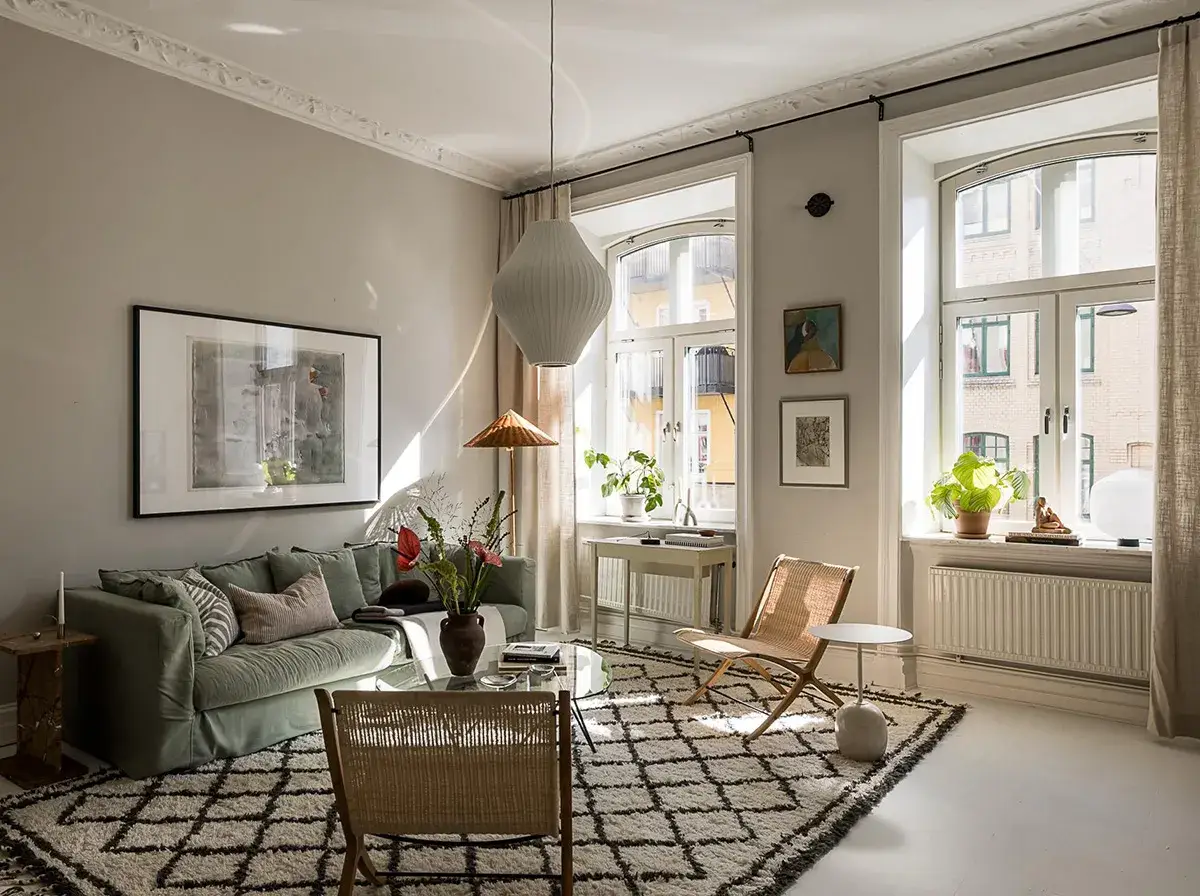
Every well-designed room requires an anchor that draws the eye upon entering. In some rooms, architecture provides this naturally through a fireplace, an expansive window with a garden view, or built-in shelving. In spaces devoid of architectural character, you must create one intentionally. A statement media console, an oversized canvas, or a gallery wall can serve as that visual anchor.
Improving Room Traffic and Visual Balance
Many rooms feel cramped or uninviting not because of their square footage, but because the furnishings block sightlines. Pulling furniture away from perimeter walls, known in interior design as floating furniture, instantly gives an interior a lighter, more deliberate feel. When planning your arrangement, keep these spatial rules in mind:
- Main pathways: Preserve at least 30 to 36 inches of clear walking space along primary circulation paths to prevent congestion.
- Seating clusters: Keep conversational seating within eight feet of each other so interaction feels intimate rather than distant.
- Coffee table clearance: Position your coffee table roughly 14 to 18 inches away from sofa edges, ensuring comfortable reach while leaving ample legroom.
- Sightlines: Avoid placing tall bookcases or high-backed armchairs directly in front of entryways or windows where they truncate light and views.
By simply reorienting your existing pieces to face a defined focal point, you can completely alter the perceived scale and flow of the room before introducing a single new accessory.
High-Impact Cosmetic Updates on a Sensible Budget
When you are ready to introduce tangible changes, focus your efforts on surfaces that command substantial surface area. Targeting dated finishes with fresh paint, updated architectural hardware, and removable surface treatments delivers dramatic visual returns for modest expense.
Surfaces show their age quickly, especially in high-traffic zones like kitchens, entryways, and bathrooms. Replacing entire cabinet runs or tile surrounds costs thousands, but cosmetic resurfacing allows you to capture a modern aesthetic at a fraction of the cost.
Refinishing Cabinetry and Swapping Hardware
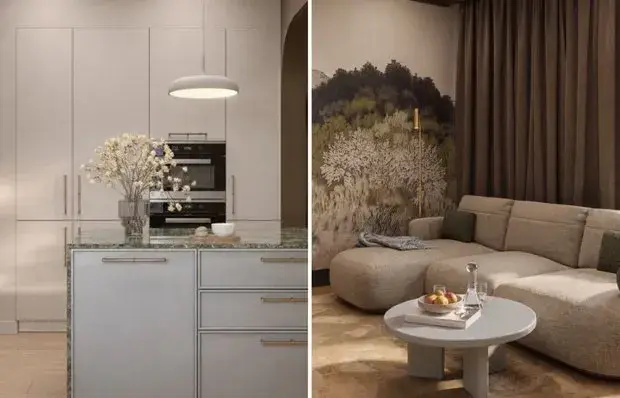
Dated wood finishes or yellowed laminate surfaces can drag down an entire room. Painting cabinetry with a high-adhesion urethane or acrylic enamel creates a hard, durable surface that withstands daily handling. Neutral tones like soft warm white, greige, or muted charcoal work exceptionally well, providing a neutral backdrop for changing seasonal decor.
Equally impactful is hardware replacement. Swapping dated brass or flimsy plastic pulls for solid unlacquered brass, matte black steel, or brushed nickel instantly elevates the entire installation. Ensure that you measure the center-to-center hole spacing of your existing hardware before ordering replacements, which eliminates the need to fill, patch, and drill new holes.
Removable Wall Treatments and Architectural Trim
If you rent or prefer not to commit to permanent alterations, peel-and-stick wallpapers and temporary architectural mouldings offer sophisticated alternatives. High-quality self-adhesive wallpapers now replicate grasscloth textures, linen weaves, and refined geometric patterns without leaving residue upon removal. Applying these coverings to an accent wall, the back of a bookcase, or an alcove provides immediate depth and texture without violating lease terms or damaging plasterboard.
Layered Lighting: Moving Beyond the Single Overhead Fixture
Combine ambient, task, and accent lighting at varied heights with warm bulbs between 2700K and 3000K to eliminate harsh overhead glare.
Few elements ruin interior atmosphere faster than relying on a solitary, harsh overhead light. A successful interior styling scheme balances three distinct tiers of illumination: ambient, task, and accent lighting.
Relying exclusively on a central ceiling fixture, often nicknamed the “landlord special,” casts unflattering shadows and flattens architectural volume. By dispersing light sources at different heights throughout the room, you create warmth, dimension, and spatial comfort.
| Lighting Tier | Primary Function | Ideal Fixtures | Placement Advice |
|---|---|---|---|
| Ambient | Provides general base illumination for safety and visibility | Dimmable flush-mounts, linear pendants, concealed LED cove lighting | Centered or evenly distributed along ceilings with dimmers installed |
| Task | Delivers focused, glare-free light for specific activities | Articulated desk lamps, under-cabinet light strips, reading sconces | Positioned directly beside reading chairs, food prep zones, or desks |
| Accent | Highlights artwork, architectural details, or collections | Picture lights, uplights, directional spotlights, cabinet pucks | Aimed at a 30-degree angle toward art or nestled inside display niches |
To upgrade your illumination without electrical rewiring, explore plug-in wall sconces, rechargeable battery-powered picture lights, and smart LED bulbs that allow you to adjust color temperature. We recommend maintaining light bulbs between 2700K and 3000K (warm white) across living areas to create a relaxing, flattering glow.
Flexible Furnishings and Modular Fixtures
A timeless interior should adapt to changing life circumstances, gatherings, and seasonal moods without requiring a complete overhaul. Investing in modular furniture and moveable decorative features allows you to reconfigure your layout whenever your daily needs change.
You want to avoid the sort of rigid changes that lock you into a single restrictive design element or layout. Being able to make easy, on-the-fly adjustments gives you the creative freedom to refresh your surroundings without spending an arm and a leg. Modular sectionals, nesting coffee tables, mobile bar carts, and freestanding shelving systems can be rearranged quickly as entertaining needs or spatial priorities shift.
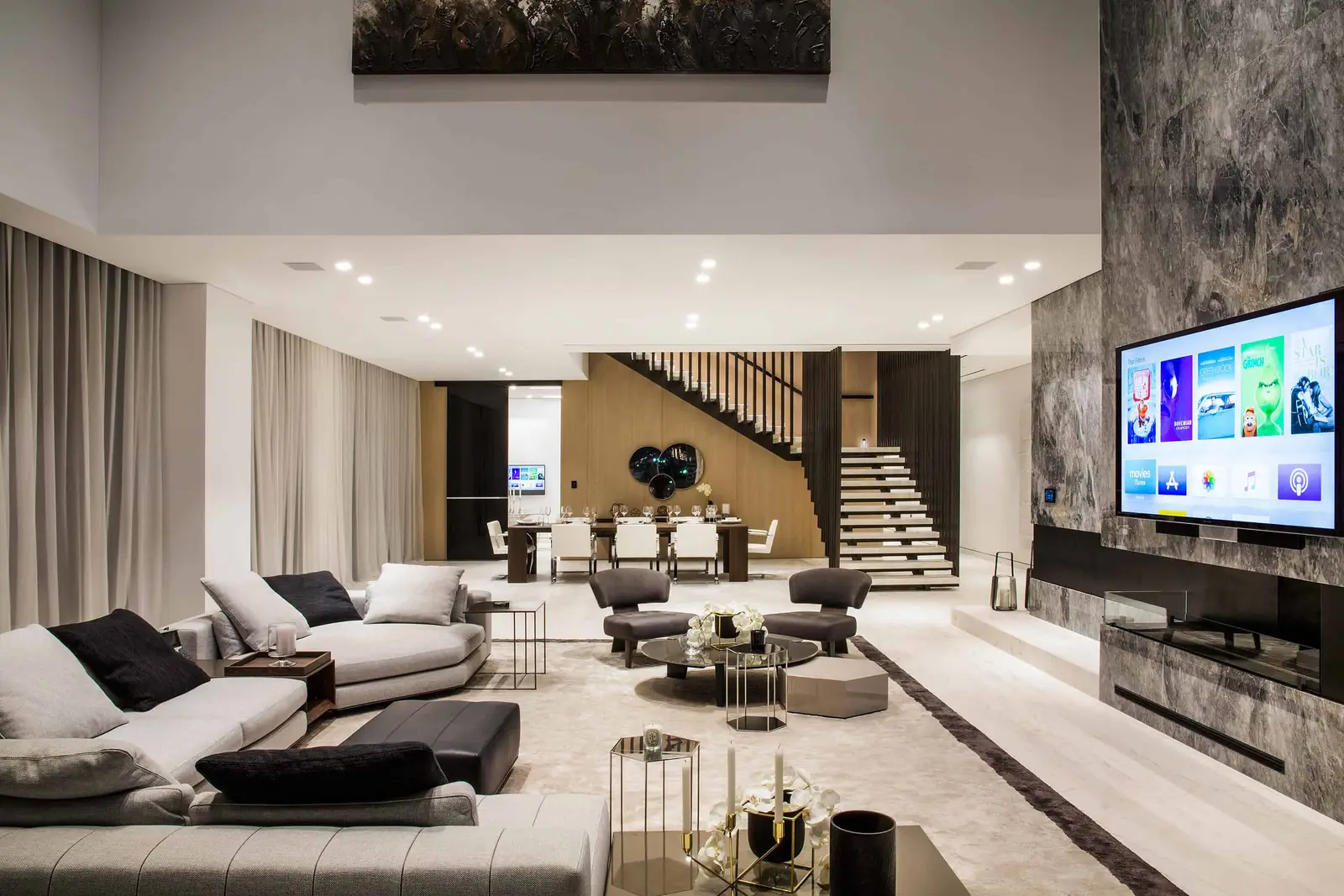
This adaptability extends well beyond conventional seating. Specialty suppliers such as The Soothing Company serve as an excellent source of inspiration, demonstrating how you can introduce substantial features into your home that remain entirely modular and easy to reposition. Moveable indoor water features, bioethanol tabletop fireplaces, and decorative plug-in pendulum lamps were once stationary installations that demanded rigid planning. Today, self-contained versions allow you to introduce motion, sound, and soft flame wherever you wish, moving them easily between rooms or outdoor terraces to suit your lifestyle.
Curating Personality: Curios, Vintage Finds, and Intentional Styling
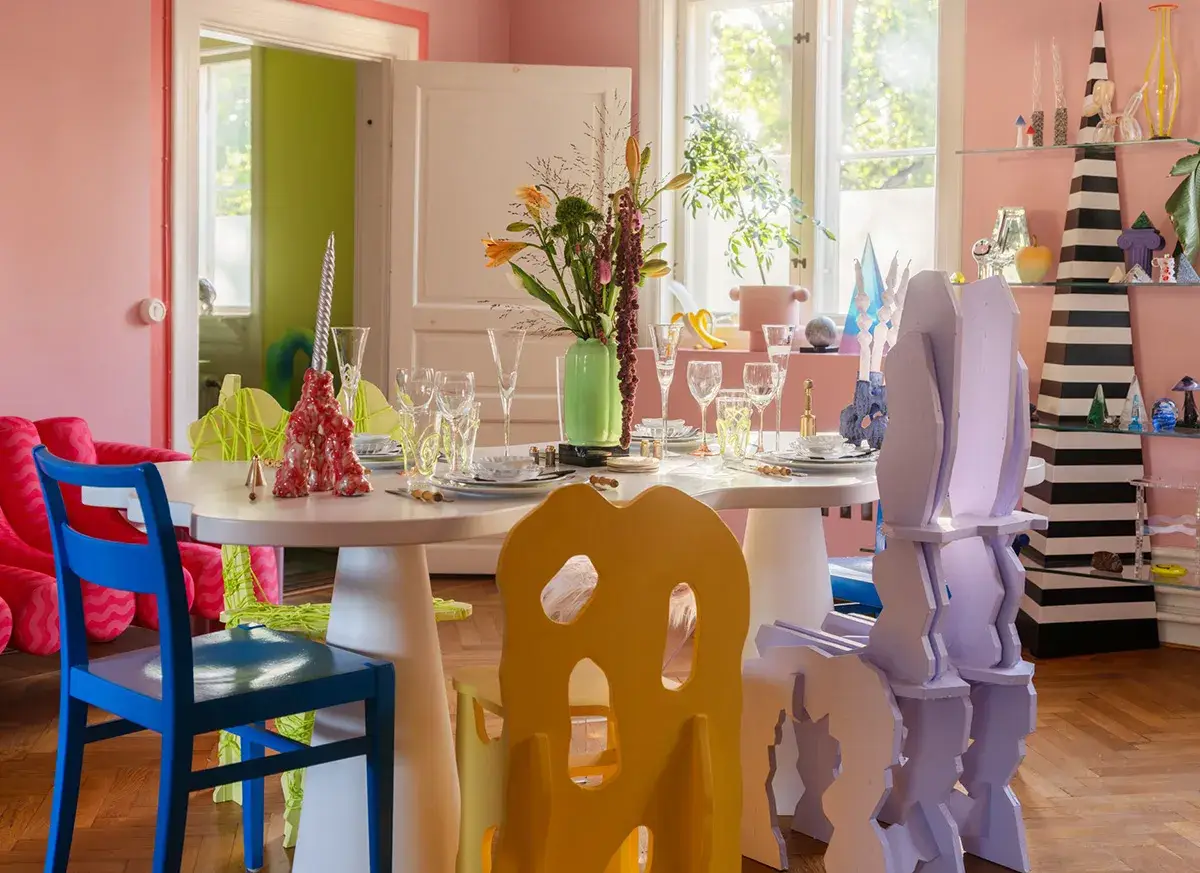
The rigid, sterile minimalism that dominated previous decades often drained domestic interiors of warmth and individuality. A rewarding budget home refresh celebrates personal narrative, welcoming curated curios, collected oddities, and vintage conversation pieces that lend soul to a room.
While strict minimalism has its virtues in decluttering visual noise, an authentic home reflects the personal history and curiosities of those who inhabit it. The resurgence of antiquing and vintage sourcing proves that character and luxury do not require excessive expenditure. Sculptural stone bookends, stacked heirloom hat boxes, carved timber coffers, and sculptural ceramic vessels bring timeless charm that mass-produced big-box decor cannot replicate.
The Rule of Three and Vignette Composition
When styling mantels, side tables, and console surfaces, avoid scattering trinkets evenly across the surface, which creates visual chaos. Instead, group objects into tight, intentional vignettes using proven styling principles:
- Odd-numbered groupings: Arrangements of three or five objects are inherently more dynamic and visually comfortable to the human eye than even pairings.
- Height variation: Combine elements of differing scales, such as a tall brass candlestick, a mid-height framed print, and a low ceramic bowl.
- Texture contrast: Juxtapose varied material finishes, placing rough unglazed stoneware beside polished stone or warm timber against patinated metal.
- Negative space: Leave at least one-third of your tabletop or shelf completely bare to give the eye a natural resting place between focal points.
Textiles, Rugs, and Window Treatments
Select rugs large enough to anchor front furniture legs, and hang curtains four to six inches above frames to maximize daylight and ceiling height.
Fabric elements act as the acoustic and visual softening agents of any interior, anchoring furniture groupings and establishing cohesive palette relationships. Approaching rugs and window treatments with an eye toward versatility allows you to rotate accessories between rooms for an instant aesthetic refresh.
Rather than choosing highly eccentric, trend-specific patterns for foundational pieces, we advise anchoring major zones with neutral, high-quality base textiles. Let permanent, substantial investments, such as a dining table or structural sofa, hold their place, while keeping transitional textiles adaptable.
Selecting and Scaling Rugs Correctly
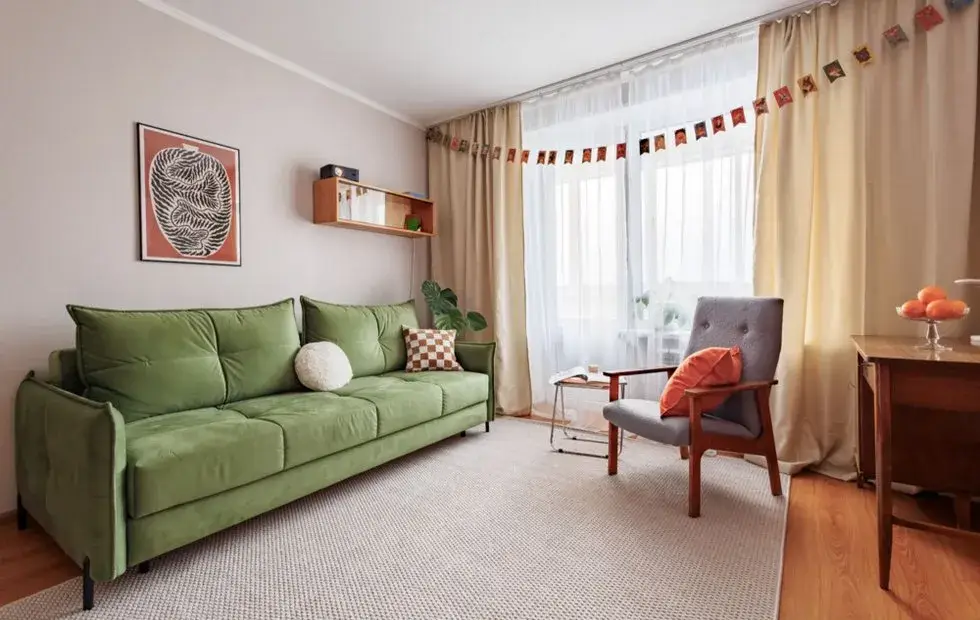
The most common design mistake in living areas is purchasing an undersized rug that floats like an island in the middle of the seating group. To properly ground a seating area, choose a rug large enough that at least the front legs of all sofas and armchairs rest comfortably on top of it. In open-concept spaces, layering a smaller, patterned vintage flat-weave or hide over a broad, budget-friendly natural jute or sisal rug adds depth, texture, and visual warmth without excessive cost.
Elevating Windows with Tailored Drapery
Dressing your windows with floor-length fabric panels instantly creates height and softness. For practical guidance on how varied textiles transform interior ambience, examine how curtains shape light diffusion and acoustic intimacy throughout a home.
To maximize natural daylight and simulate grander ceiling proportions, mount your drapery hardware high and wide: position the curtain rod four to six inches above the window frame (or just below the ceiling mouldings) and extend the rod eight to twelve inches past the outer frame on each side. This ensures that open curtain panels rest against the wall rather than blocking precious window glazing, creating the illusion of expansive, sun-filled apertures.
Biophilic Design: Introducing Living Elements and Organic Textures
No home improvement idea revitalizes stale air and dull corners faster than living foliage and tactile, organic elements. Biophilic accents connect interior architecture to the natural world, purifying indoor air and softening angular architectural edges.
Introducing greenery does not require turning your living room into an unmanageable greenhouse. Instead, select sculptural, resilient houseplants that suit the natural exposure of your space:
- Low-light environments: Species like ZZ plants (Zamioculcas zamiifolia), Snake plants (Sansevieria), and Cast Iron plants thrive in shaded corners and require infrequent watering.
- Bright, indirect light: Fiddle-leaf figs, Monstera deliciosa, and Bird of Paradise offer expansive, glossy leaves that act as living sculptures in well-lit rooms.
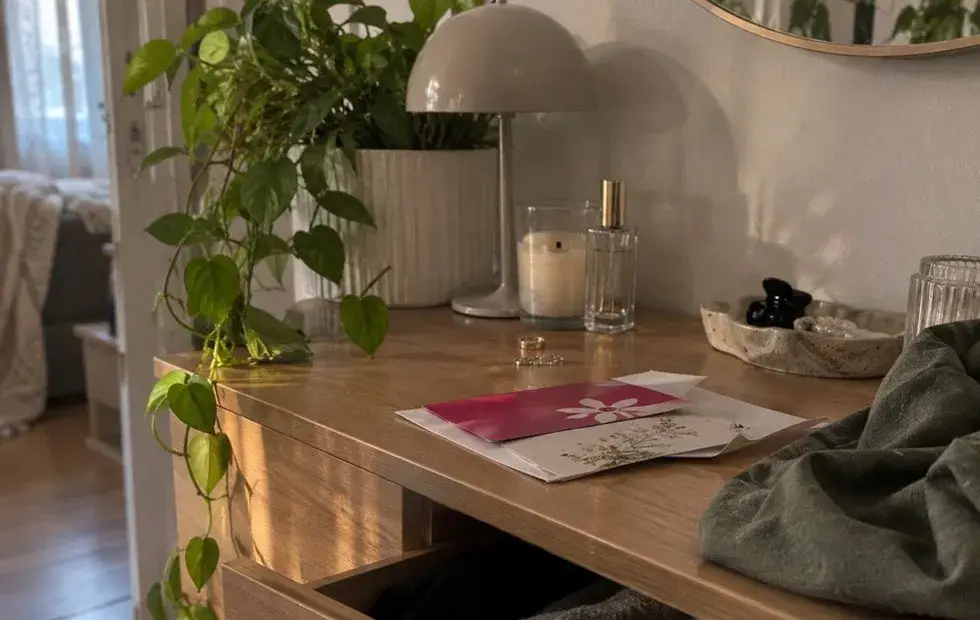
- Architectural shelving accents: Trailing varieties like Pothos or String of Hearts soften rigid bookshelf geometry as their vines cascade naturally over shelf edges.
Complement living plants with raw materials like woven sea grass baskets, unlacquered terracotta planters, linen throws, and natural timber bowls. These tactile, earthy surfaces introduce visual variety and organic warmth that balance sleek modern surfaces like glass, metal, and polished stone.
Conclusion: Achieving a Cohesive, Lasting Home Refresh
A successful home makeover does not demand massive financial expenditure or the disruption of invasive structural renovations. By clarifying room traffic, anchoring layouts around defined focal points, introducing versatile layered lighting, and investing in modular features, you establish a resilient interior foundation that effortlessly accommodates your changing aesthetic tastes.
Take your time approaching each space thoughtfully. Rather than attempting to update every corner overnight, tackle one high-impact intervention each weekend, whether that means repainting tired cabinetry, hanging curtains higher and wider, or styling a curated collection of meaningful curios. By balancing practical functionality with personal expression, you can craft a home that feels comfortable, refined, and distinctly yours.