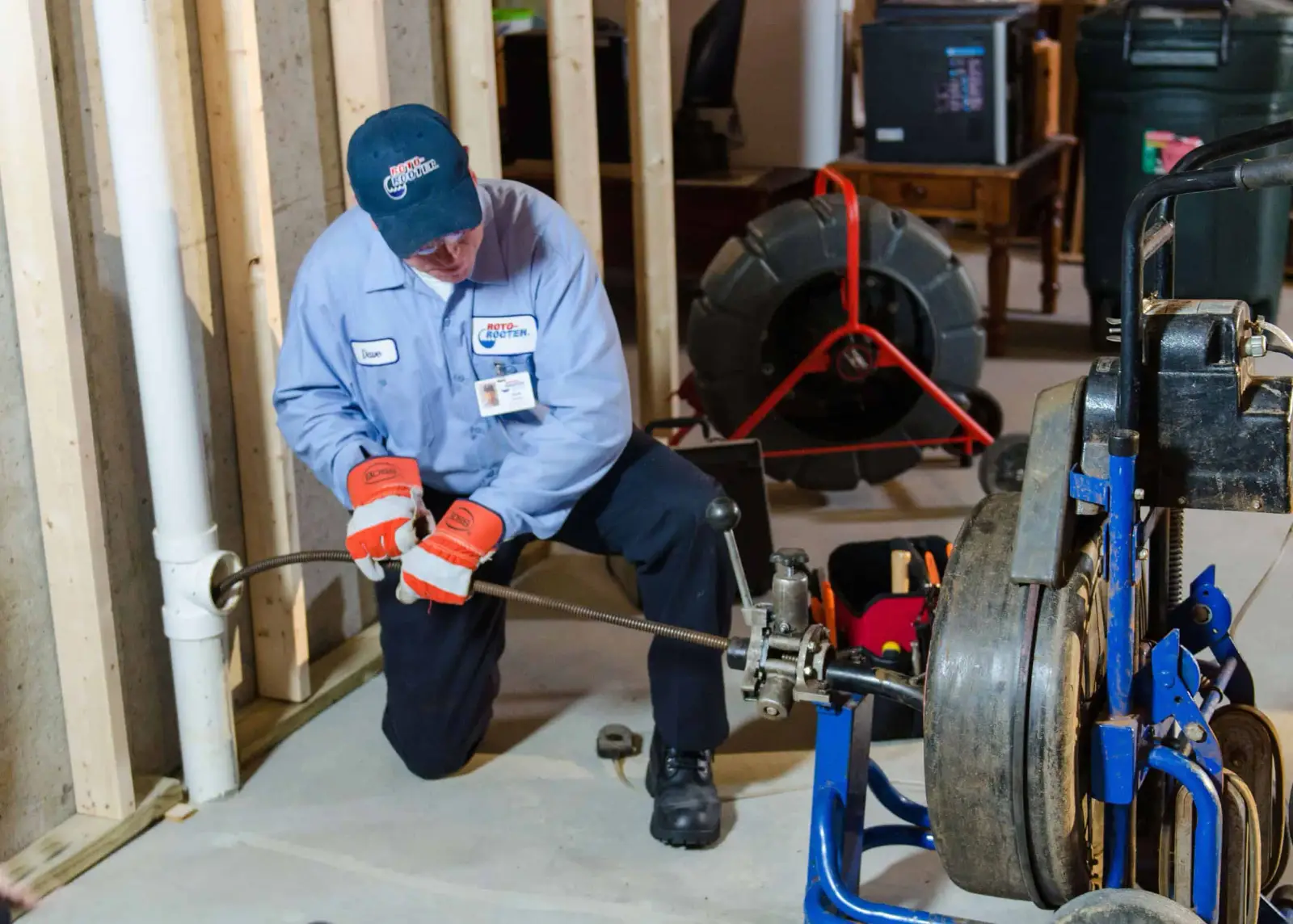
The Importance Of Bulk Rubbish Removal After A Renovation
Completing a home remodel brings a massive wave of relief, right until you step outside and see the leftover chaos. Piles of broken drywall, snapped framing offcuts, jagged tile shards, and old plumbing fixtures can turn your newly revamped property into an unsightly staging yard. Executing an efficient renovation waste disposal plan is the crucial final step that protects your property, keeps your family safe, and brings your design vision to life.
Managing building waste disposal involves far more than simply dragging heavy bags to the curb. In this guide, you will learn how to navigate municipal bulky waste collection restrictions, compare professional rubbish removal against skip bin hire, manage hazardous materials safely, and sort discarded fixtures to maximize recycling while keeping your cleanup budget firmly under control.
Post-Renovation Disposal Summary
- Standard municipal curbside collections reject heavy building materials like masonry, tiles, and plasterboard.
- Leaving construction debris on site encourages pest infestations, mold development, and potential physical injury.
- Homes built or renovated before the late 1980s often contain asbestos that requires certified hazardous material handling.
- Professional rubbish removal teams provide rapid same-day cleanup without the street permit hurdles of stationary skip bins.
- Sorting clean rubble, scrap metal, and reusable architectural timber significantly reduces transfer depot disposal fees.
The Practical Guide to Post-Renovation Bulk Rubbish Removal
Why Lingering Construction Debris Poses a Real Risk
Leaving renovation debris exposed creates immediate pest habitats, moisture damage, and liability risks while degrading indoor and outdoor air quality.
It is tempting to take a break once the physical construction work concludes, leaving the scrap materials piled beside the garage or in the backyard. However, letting construction debris sit exposed on your property creates immediate safety, environmental, and financial hazards that worsen over time.
Unattended renovation debris quickly becomes a target for neighbourhood pests. Hollow timber profiles, stacked sheetrock, and empty insulation batts offer ideal nesting zones for rodents, spiders, and insects. In damp weather, timber begins to rot, while drywall rapidly absorbs ground moisture and develops toxic mould cultures. Piles of unattended building materials can harbor pests and create serious liability risks if a visitor or contractor trips over loose rubble. Furthermore, exposed waste piles ruin the curb appeal of your freshly renovated space and can trigger municipal code violations or complaints from frustrated neighbours.
Indoor debris collections are equally problematic, especially when leftover chemicals are involved. For example, leaving paint cans open will increase the number of volatile organic compounds (VOCs) in indoor environments. Inhaling VOCs can cause short- and long-term health problems, such as headaches, nausea, itchy eyes, and respiratory concerns. Whether you are seeking to maintain indoor air quality or clear out a newly finished home study, eliminating post-construction clutter lets you maintain an uncluttered work space and genuinely enjoy the space you built.

Municipal Bulky Waste Collection vs. Specialized Construction Debris Removal
Many homeowners assume that their scheduled local council cleanup will handle leftover renovation waste. In reality, municipal collection schemes are strictly regulated and designed primarily for light household items, not structural building materials.
Understanding what municipal teams take versus what requires private intervention prevents missed collections and heavy local council fines:
- What municipal curbside collections usually accept: Broken furniture, mattresses, whitegoods, small consumer electronics, and boxed household clutter.
- What municipal curbside collections routinely refuse: Bricks, concrete, masonry rubble, soil, sand, ceramic wall and floor tiles, plasterboard, fiber-cement sheeting, treated architectural timber, and liquid chemicals.
Attempting to sneak heavy rubble into regular curbside bins often results in cracked receptacles, rejected pickups, and stern warnings from local waste authorities. Because residential waste vehicles use standard compactors unable to crush heavy masonry, you need dedicated building waste disposal channels for structural debris.
Choosing Your Disposal Route: Skip Bin Hire, Load-and-Go Crews, or Self-Hauling
Select your disposal method based on your space and timeline: use stationary skip bins for multi-week builds and full-service rubbish removal teams for immediate clearance.
Once you recognize that standard residential bins cannot handle your post renovation clean up, you must select the best disposal method for your site conditions, timeline, and physical capabilities.
Every homeowner faces a practical choice between renting a stationary skip bin, booking a hands-off rubbish removal team, or borrowing a trailer to haul everything to the depot independently. Choosing the right disposal method depends directly on your site access, physical mobility, and how quickly you need the waste cleared.
| Disposal Method | Best Suited For | Key Advantages | Potential Drawbacks |
|---|---|---|---|
| Professional Rubbish Removal | Fast clearances, tight driveways, heavy materials, homeowners with limited mobility | Labour included; rapid same-day removal; no council street permits needed | Requires materials to be ready for immediate loading during the appointment window |
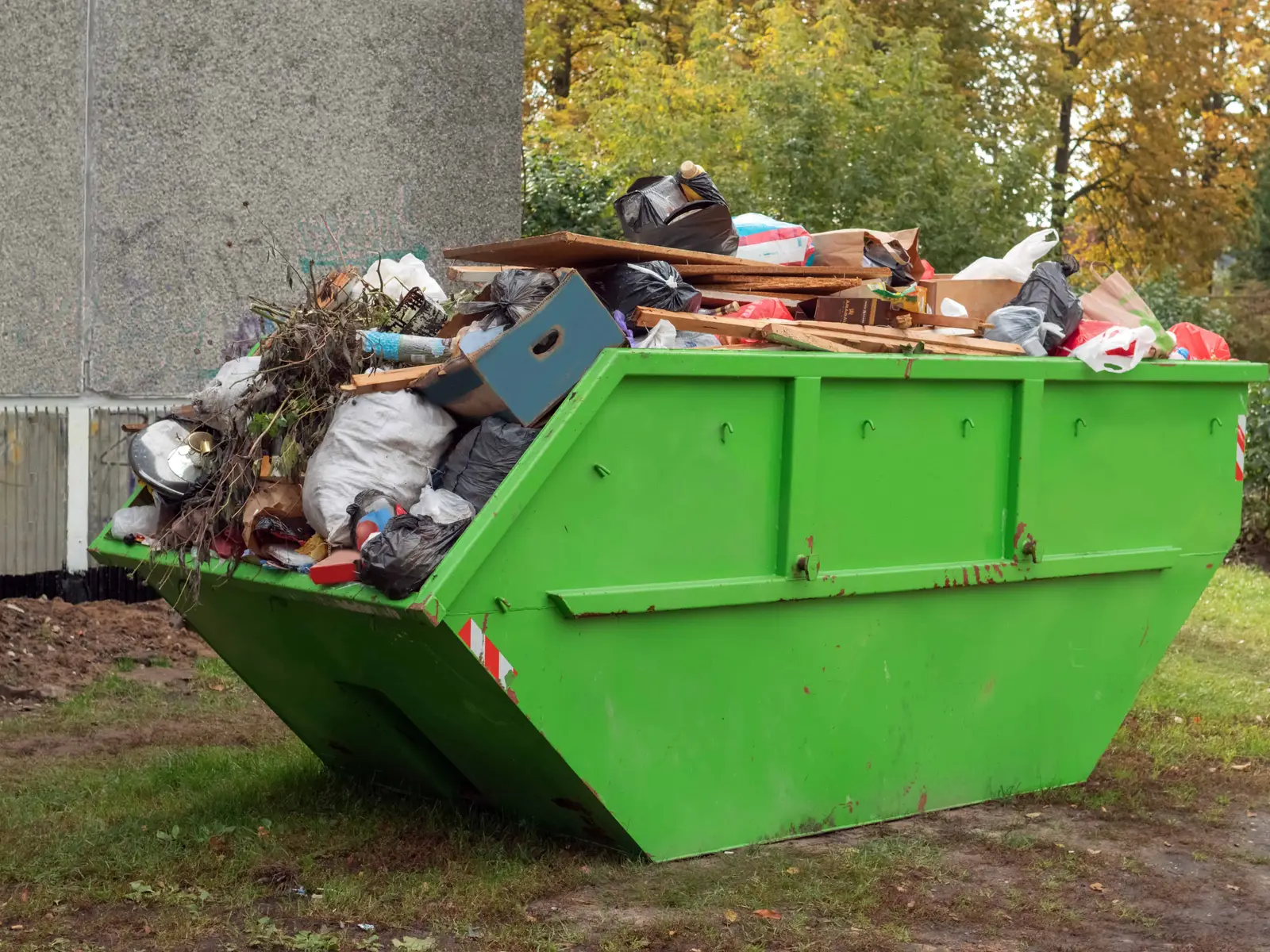
| Skip Bin Hire | Multi-week demolition projects; continuous debris generation | Load gradually at your own pace; large capacity for dense rubble | Takes up driveway space; requires street permits if parked on public roads; risk of neighbours illegally dumping trash in your bin |
| Direct Depot Self-Hauling | Modest debris volumes; vehicle and trailer owners on tight budgets | Total schedule autonomy; potentially lower baseline cost for small loads | High physical strain; risk of vehicle damage; multiple dump gate tipping fees and fuel costs |
For many busy homeowners, hiring an established rubbish removal company provides the most efficient balance of cost and convenience. Full-service operators handle all the heavy lifting, loading, transport, and sorting. Innovative waste management teams like Away Today Rubbish Removal place significant emphasis on sustainable disposal practices, diverting reusable building items away from landfills and into verified regional recovery facilities.
Managing Hazardous Renovation Materials Legally and Safely
Renovation waste often contains hazardous substances that cannot be tossed into a standard waste bin under any circumstances. Mishandling these compounds threatens household safety and can lead to severe environmental penalties.
Before packing debris into collection piles, inspect your scrap materials for these high-risk items and adhere to certified disposal protocols:
- Asbestos Sheeting and Insulation: Common in homes built or updated before the late 1980s, asbestos fibers present severe respiratory hazards when disturbed. Never break, saw, drill, or load asbestos into standard rubbish containers. Always hire a licensed asbestos removalist to test, wrap, seal, and transport these materials to designated hazardous waste reception facilities.
- Solvent-Based Paints, Stains, and Chemical Sealers: Wet chemicals must never be poured down household drains or discarded in standard skips. Let leftover water-based acrylic paint dry out completely using paint hardener or kitty litter before disposal, and transport solvent-based paints and thinners to approved community hazardous chemical drop-off centres.
- Treated Timber (CCA and Creosote): Copper chrome arsenate (CCA) treated lumber from old decking, retaining walls, or outdoor pergolas must never be burned in domestic wood heaters or backyard fire pits, as combustion releases highly toxic chemical ash. Segregate treated wood so commercial waste operators can route it to lined industrial disposal facilities.
- Plasterboard and Gypsum Drywall: When large quantities of drywall break down in wet conditions alongside organic refuse, they can produce noxious, foul-smelling hydrogen sulfide gas. Dedicated construction recycling depots separate clean gypsum plasterboard to reconstitute it into fresh agricultural soil conditioning products or new wallboard.
Material Sorting Strategies to Maximize Recycling and Cut Costs
Separating clean masonry, scrap metals, and untreated timber avoids high mixed-waste tipping surcharges and diverts recyclable materials from local landfills.
Throwing all construction scrap into a single mixed heap is the quickest way to inflate your disposal expenses. Waste transfer stations charge considerably higher gate rates for mixed waste loads than for segregated, recyclable streams.
By taking time to sort demolition debris by category, you cut your processing fees and reduce the overall environmental footprint of your renovation project:
- Clean Masonry and Concrete: Keep broken bricks, ceramic tiles, pavers, and concrete blocks separate from timber and plastics. Masonry processors crush clean aggregate into recycled road base, drainage gravel, and retaining wall backfill.
- Scrap Metals: Copper piping, brass valves, aluminum window extrusions, iron rebar, and steel roofing sheets have high recycling value. Many scrap yards accept these materials at low cost or may even pay you cash for clean non-ferrous metals.
- Clean Architectural Timber: Solid structural timbers, framing studs, and floorboards free of glues and chemical treatments can be recycled into landscaping mulch, composite particleboard, or architectural salvage.
- Salvageable Fixtures: Undamaged vintage doors, porcelain sinks, tapware, and vintage light fittings should be diverted to local architectural reuse co-ops or charity restoration stores rather than tossed into a landfill truck.
- Electronic Waste: Modern renovations often involve old lighting ballasts, cabling, smart switches, and audiovisual gear. Responsible rubbish removers ensure all electronic wastes are isolated in a specific container, directing them through specialized recovery streams that extract precious metals while keeping heavy metals out of ground aquifers.
Responsible recycling has global value. Decades ago, unchecked waste releases and industrial emissions contributed directly to environmental degradation. Fortunately, international atmospheric measures such as the Montreal Protocol demonstrate that concerted action yields positive results, with the stratospheric ozone layer now on track for long-term recovery. Separating your construction debris into distinct material categories reduces transfer depot tipping costs and diverts valuable resources from municipal landfills.
Site Preparation Checklist: Staging Your Waste for Fast Collection
Whether you arrange for a professional load-and-go crew or reserve a temporary drop-off container, preparing your site in advance streamlines the pickup process and protects your property from accidental damage.
Follow these practical staging steps prior to your scheduled pickup:
- Establish Clear Vehicle Access: Clear a direct, unobstructed path from your waste pile to the curb or driveway. Ensure that overhead tree branches, parked vehicles, and low utility lines do not impede heavy trucks.
- Protect Driveways and Walkways: Heavy debris piles and skip bins can crack decorative pavers, chip poured concrete, or gouge asphalt. Lay down thick sheets of plywood or heavy-duty rubber runners across the loading zone to cushion the surface.
- Bag Small Debris and Bundle Long Timbers: Put loose plaster dust, tile fragments, and glass shards into heavy-duty contractor bags rather than thin domestic rubbish bags that easily tear. Tie protruding timber framing into compact, manageable bundles, and hammer down or bend all exposed nails.
- Separate Hazardous Items Completely: Position any paint tins, aerosol canisters, batteries, or suspected hazardous materials away from the general debris pile so the loading crew does not accidentally throw them into the compactor.
- Photograph the Pile for Accurate Quotes: Take clear, wide-angle photographs of your staged waste pile from multiple angles. Providing these images to your removal company helps them calculate exact truck volume, provide a firm cost assessment, and arrive with the appropriate equipment.
The Value of a Clean Finish
A home renovation demands tremendous investments of time, creativity, and financial resources. Leaving construction debris scattered around your finished rooms, gardens, and driveways undermines the beauty of your investment and introduces needless physical hazards. As design specialists constantly remind us, a clean home provides an unmatched sense of comfort and satisfaction that messy living environments simply cannot deliver.
By assessing your debris quantities early, checking your local council rules, and coordinating with professional bulk rubbish removal experts, you can wrap up your renovation cleanly, legally, and sustainably. Once the final truck pulls away, you can finally sit back, take a well-earned breath, and fully enjoy your newly transformed home.