With which elements to combine dark flooring? 5 tips, 30 examples
Dark flooring is a complex element in interior design. Depending on the setting, it can look luxurious or, conversely, heavy and gloomy. Are you thinking about how to complement dark floor covering? We have collected several ideas that will help highlight the best properties of this trend.
1. Finding balance
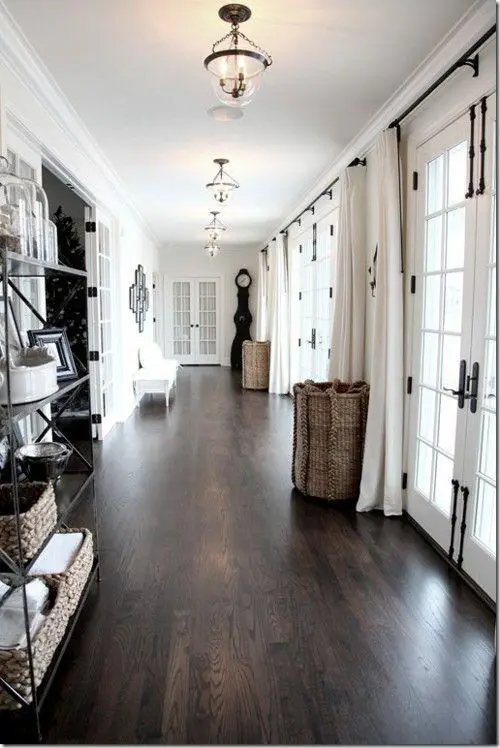
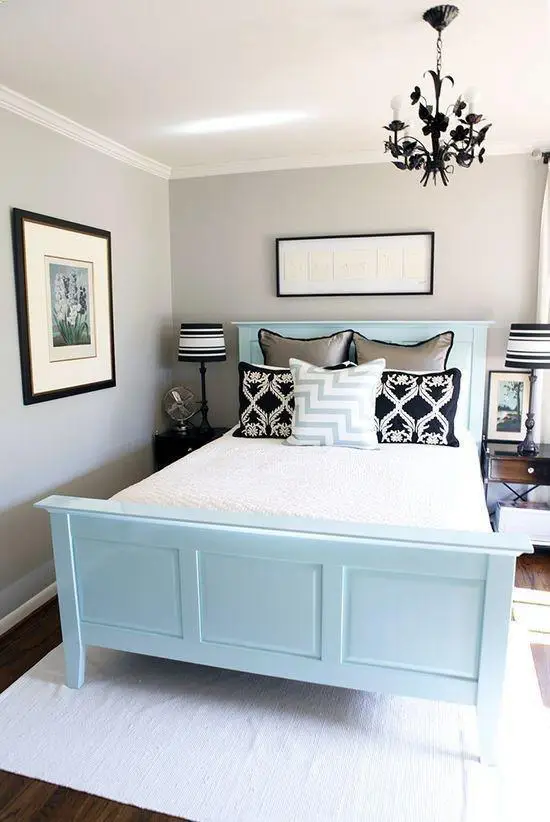
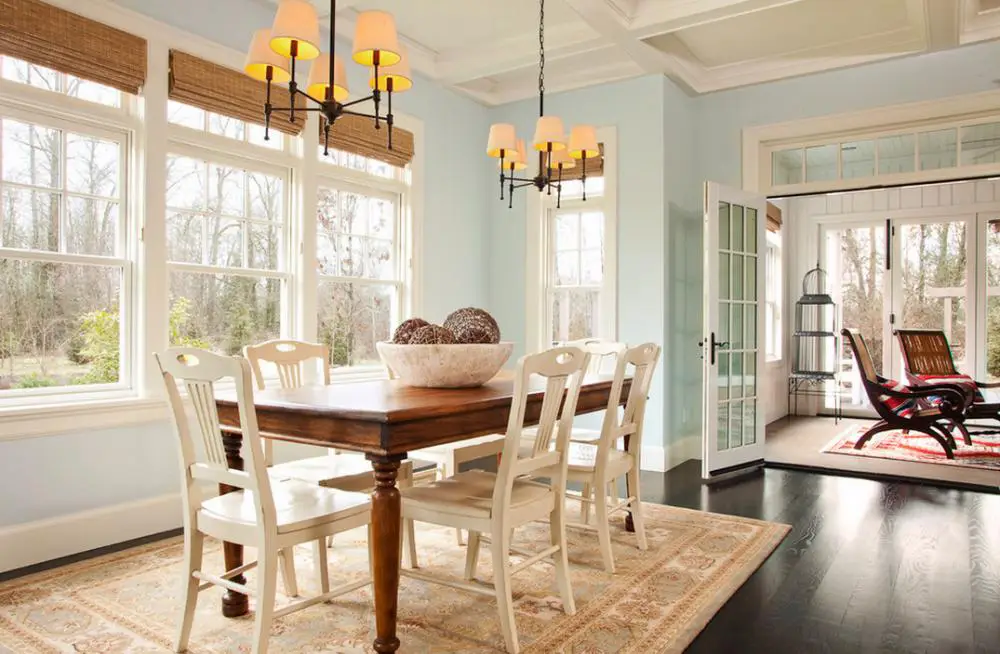
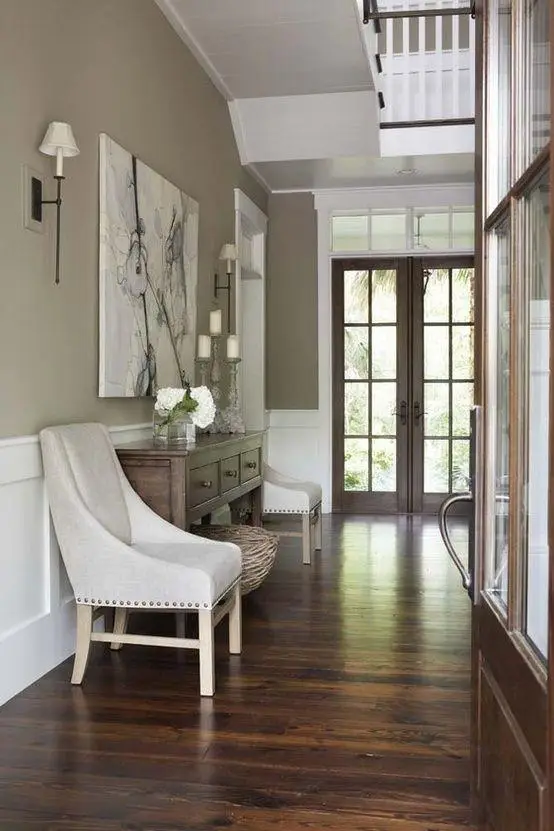
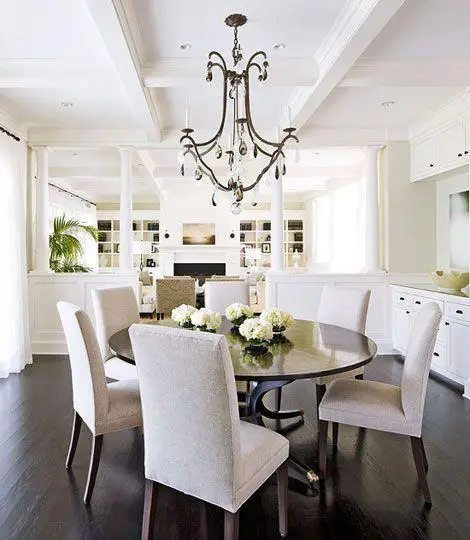
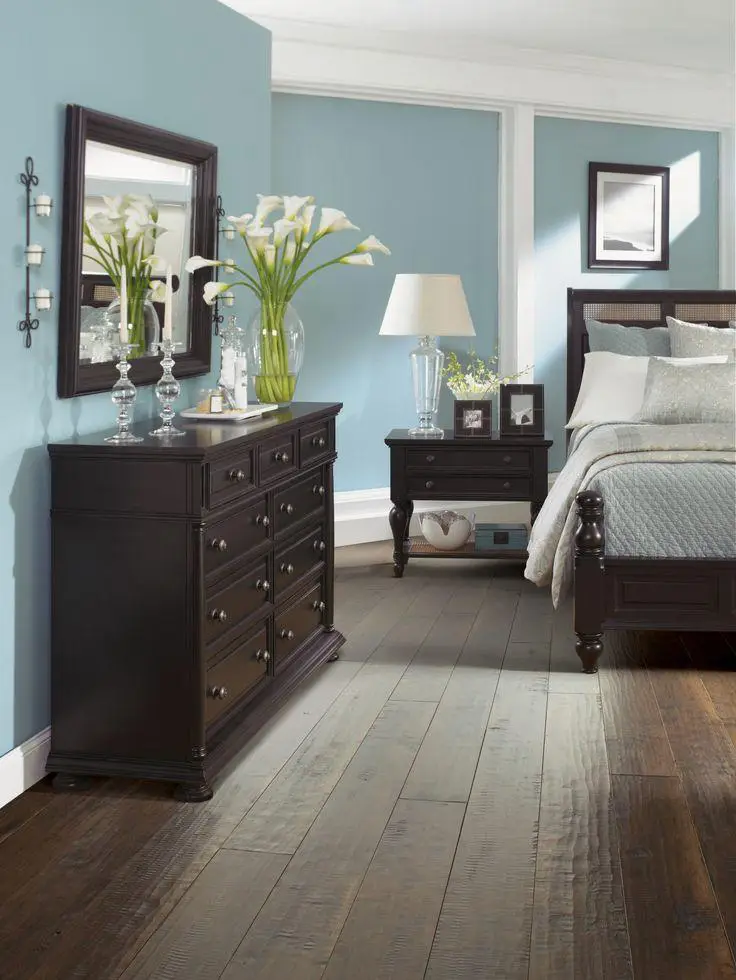
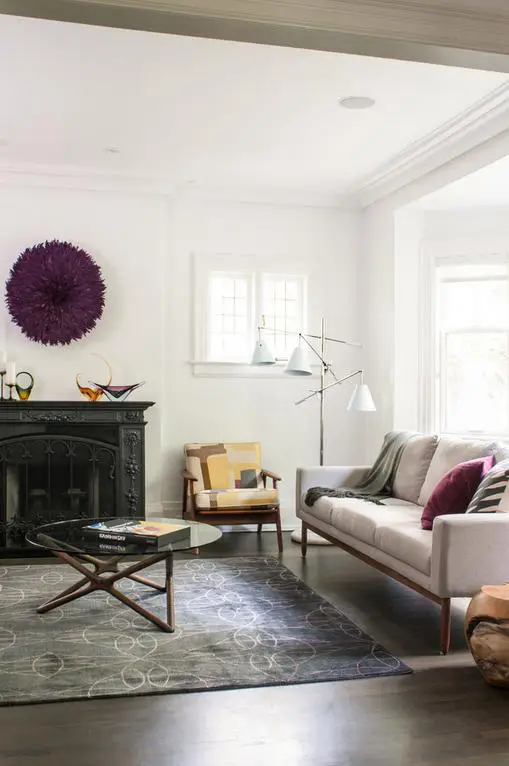
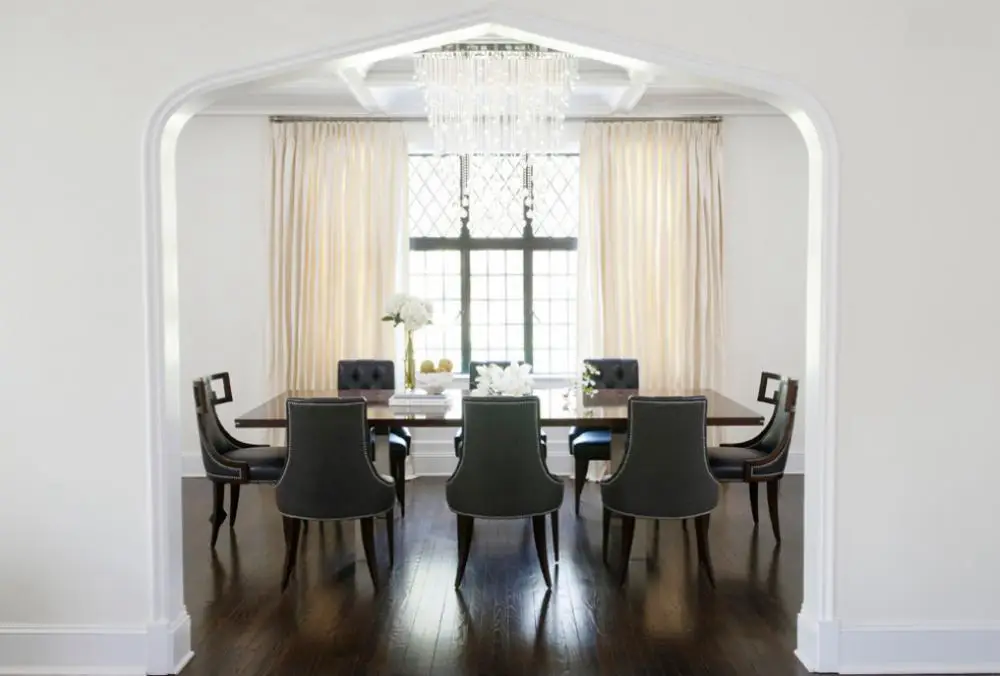
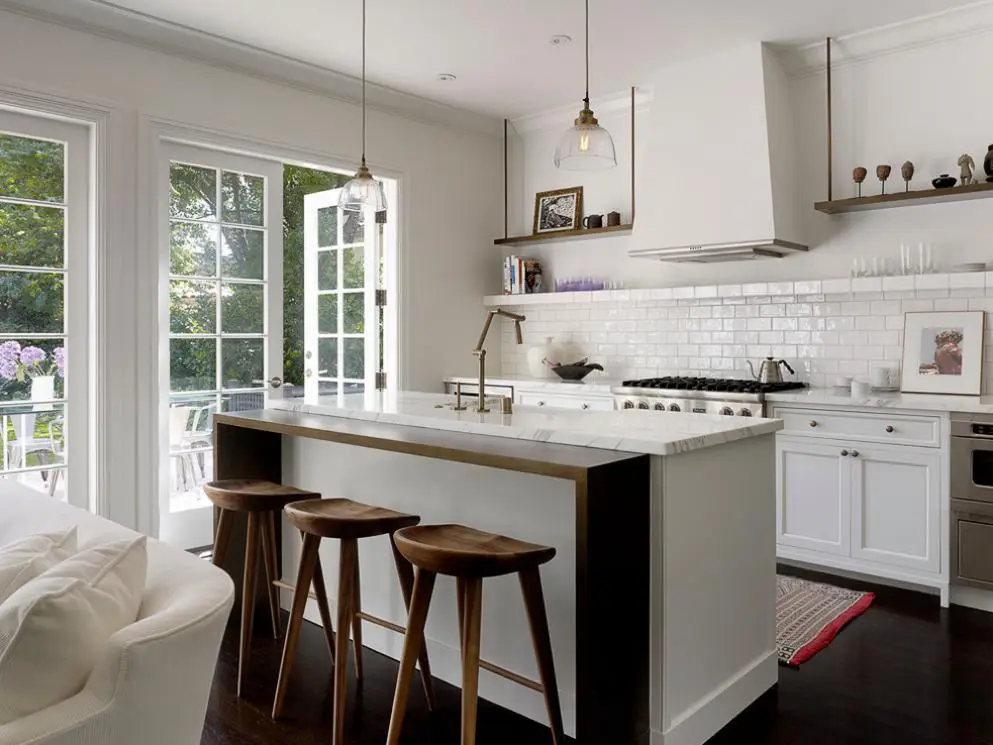
A winning option is to balance dark flooring with light vertical surfaces. White walls suit minimalist design, while pastel yellow or blue tones help create an interior in classic style.
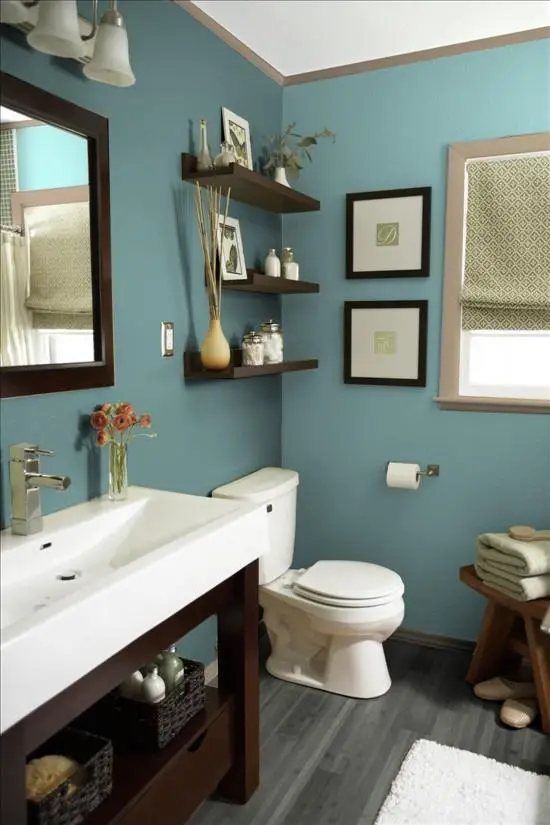
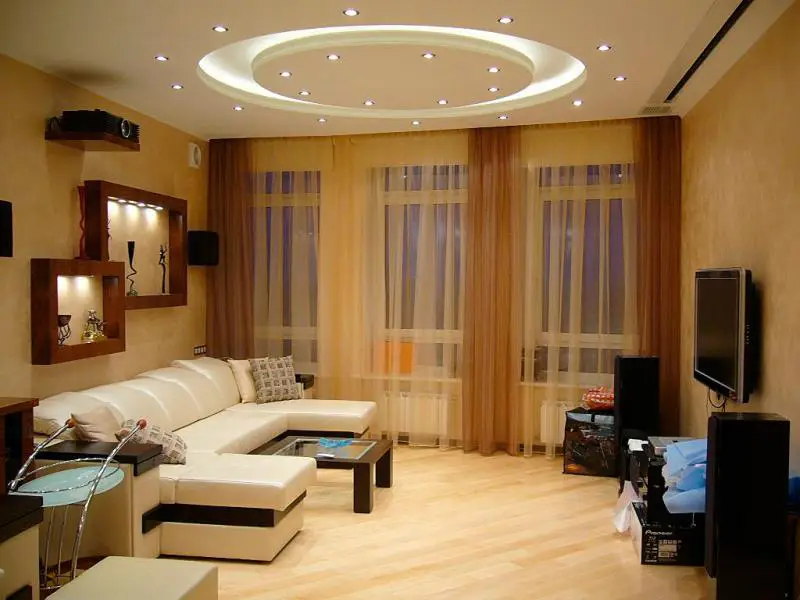
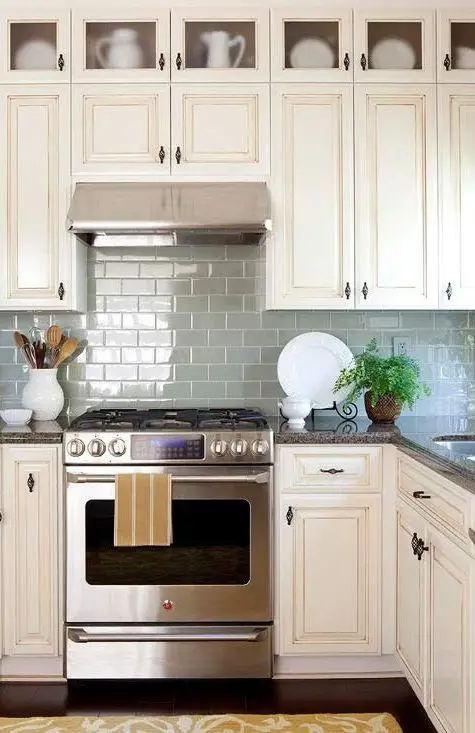
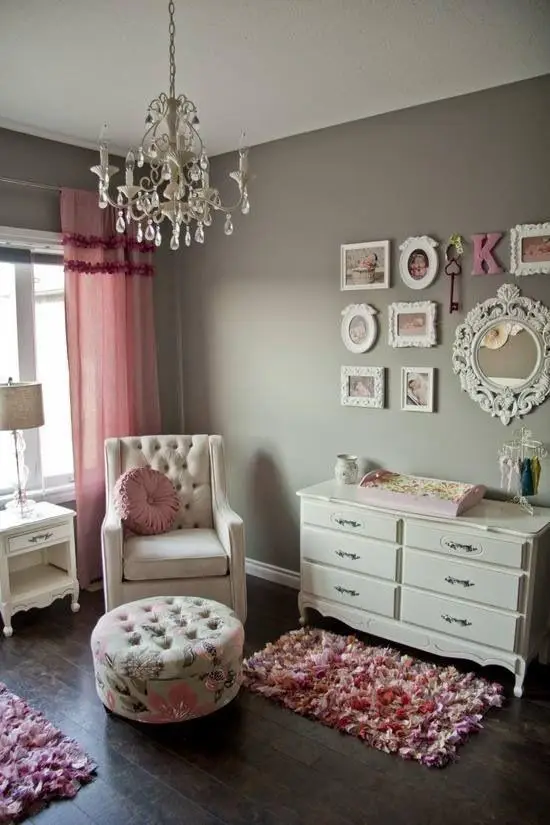
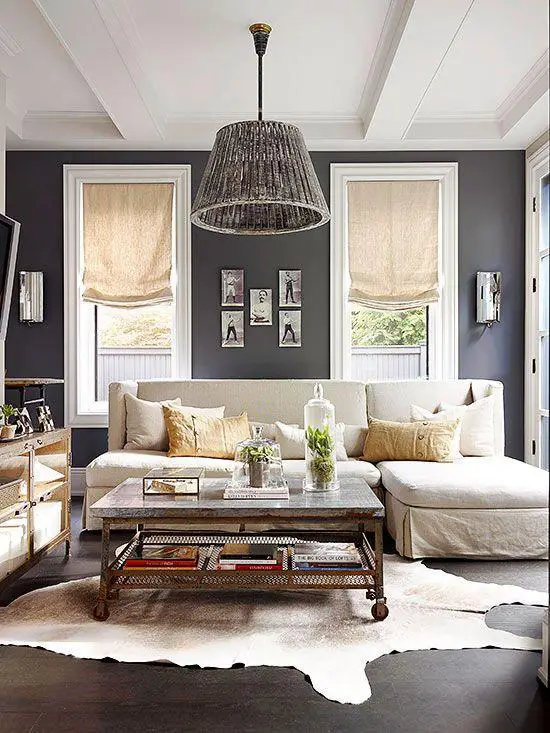
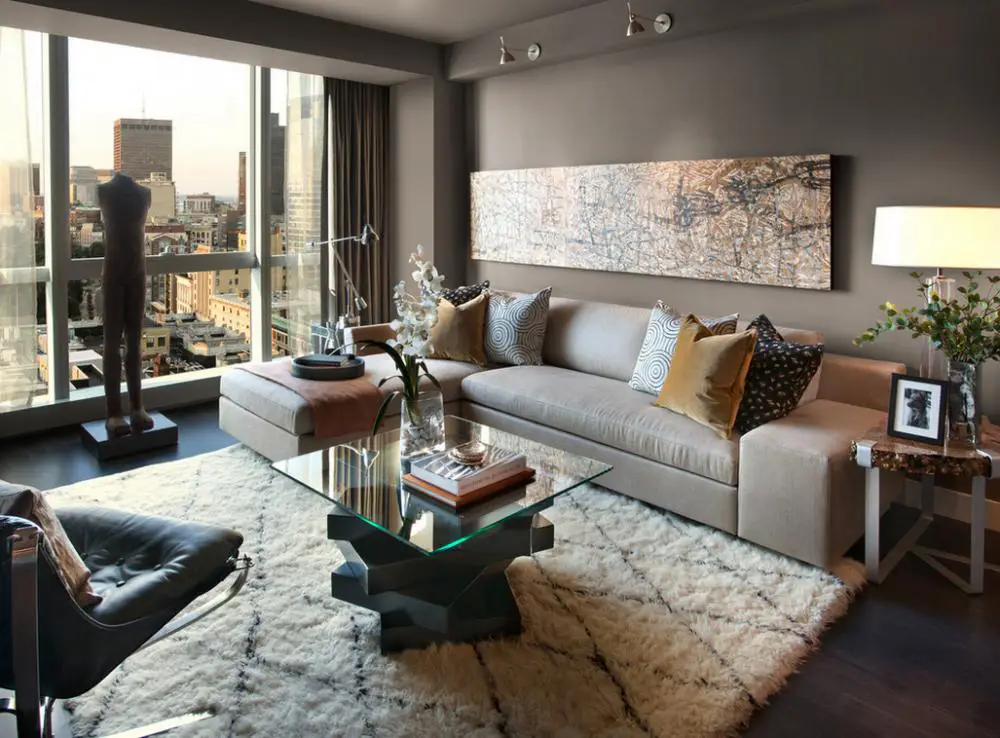
However, such a color combination looks quite strict, so designers recommend adding a few contrasting shades to the color palette through decor. Another worthy option is combining dark wood flooring with a coffee-colored wall scheme. An interesting look is also achieved by pairing it with gray walls, although in this case, it's better to choose warm surface tones.
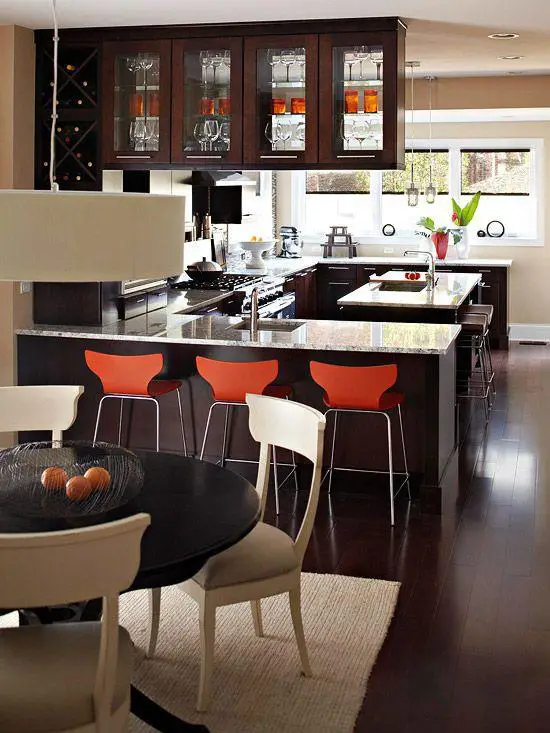
2. Choosing furniture
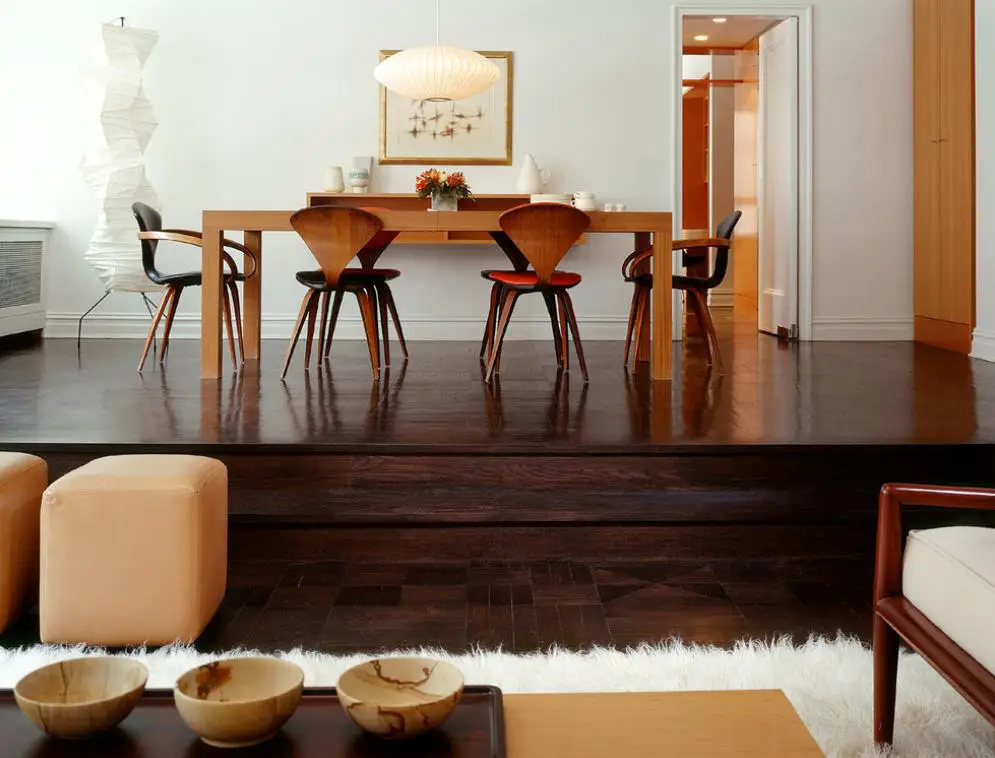
When it comes to the color of furniture, there are no taboos in design. A classic combination is to complement dark floors with furniture of the same color, but a few shades lighter. Absolutely white furniture is also acceptable for dark floors: in this case, you can play with contrast in tones.
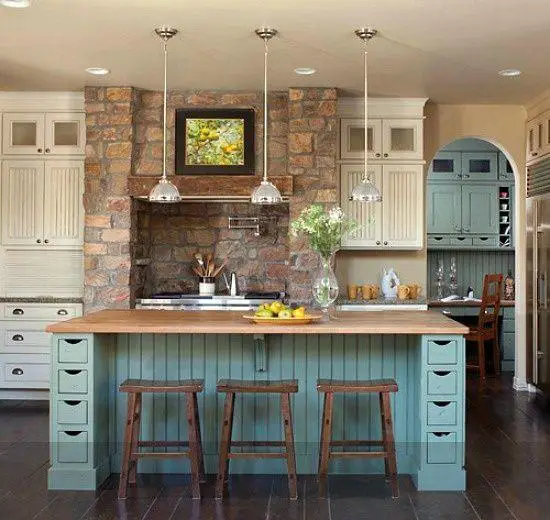
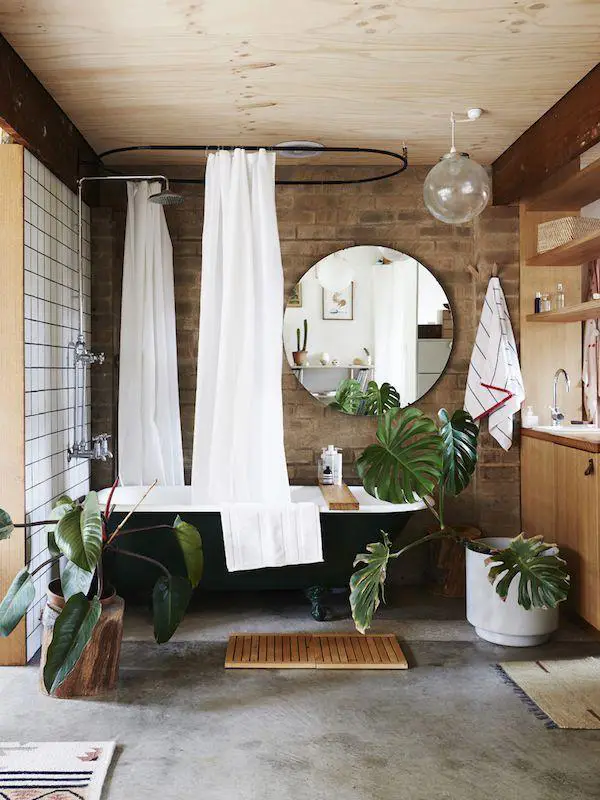
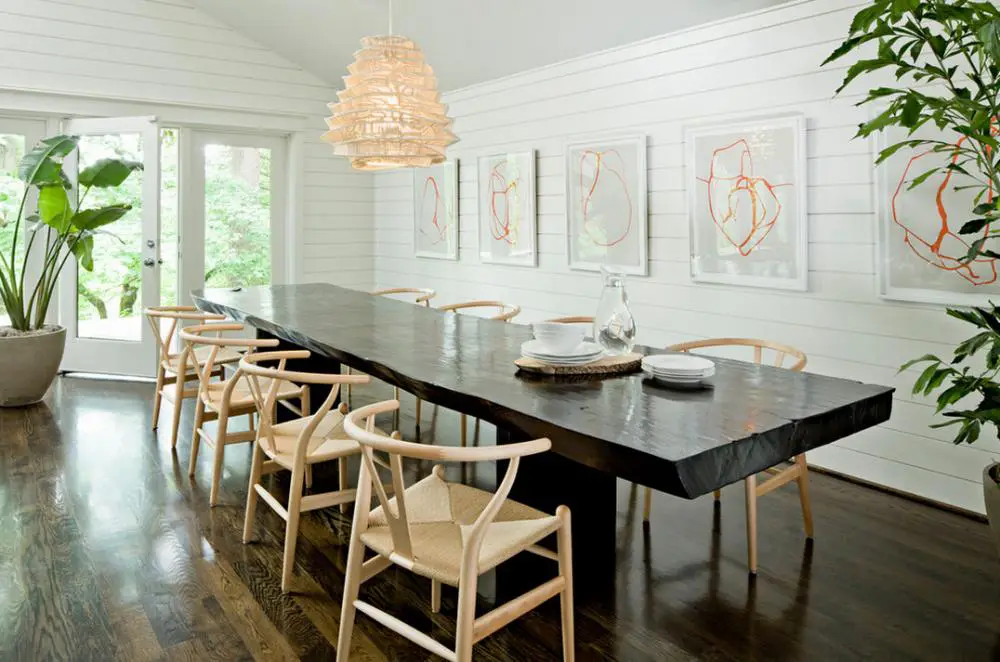
The floor color can also be accentuated—say, by using furniture legs of the same shade. This technique works well in truly spacious rooms that won't be negatively affected if visually narrowed down. Ecological motifs in interior design can be realized by combining furniture of different wood types and colors. If you choose such diversity, don't forget to ensure neutral walls and plan the lighting scenario. An abundance of live plants can also benefit such an interior.
3. Enhancing with textiles
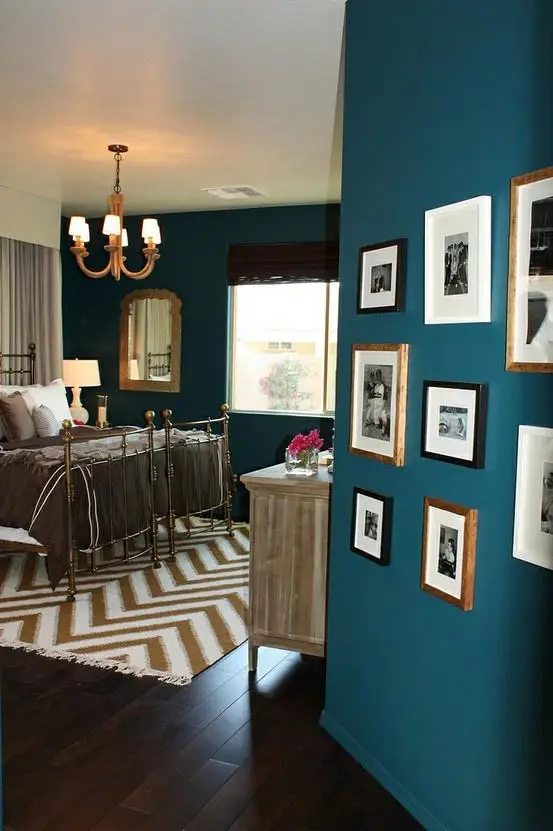
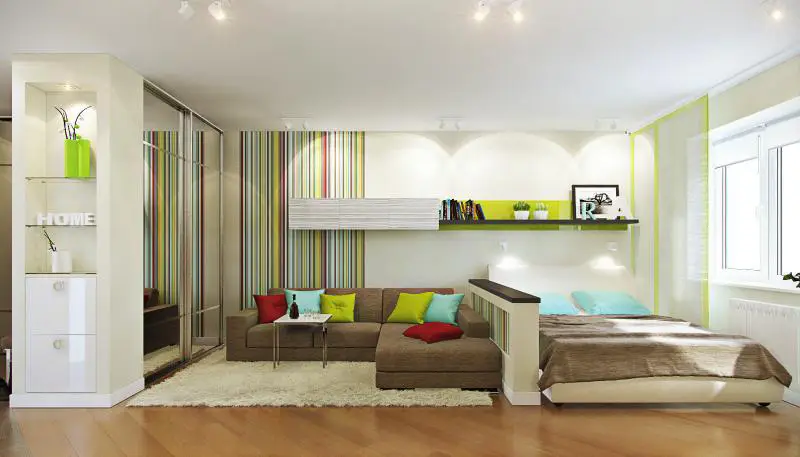
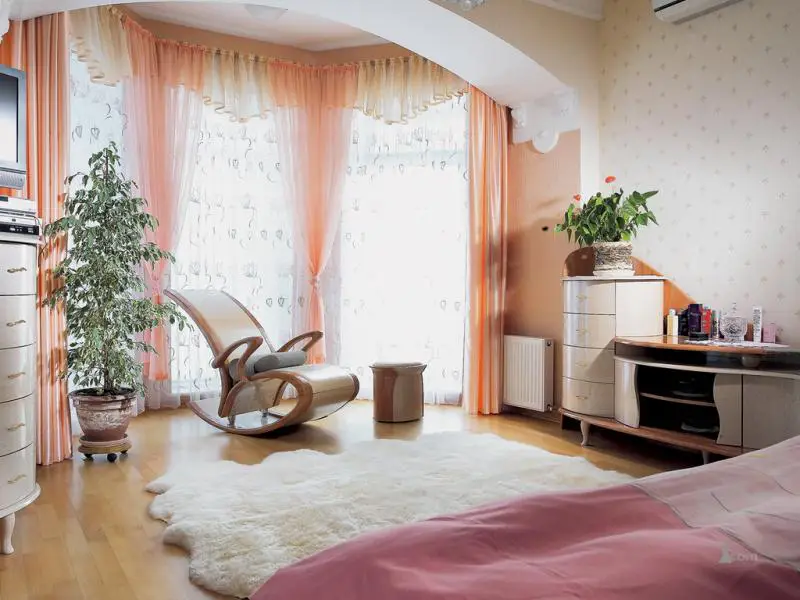
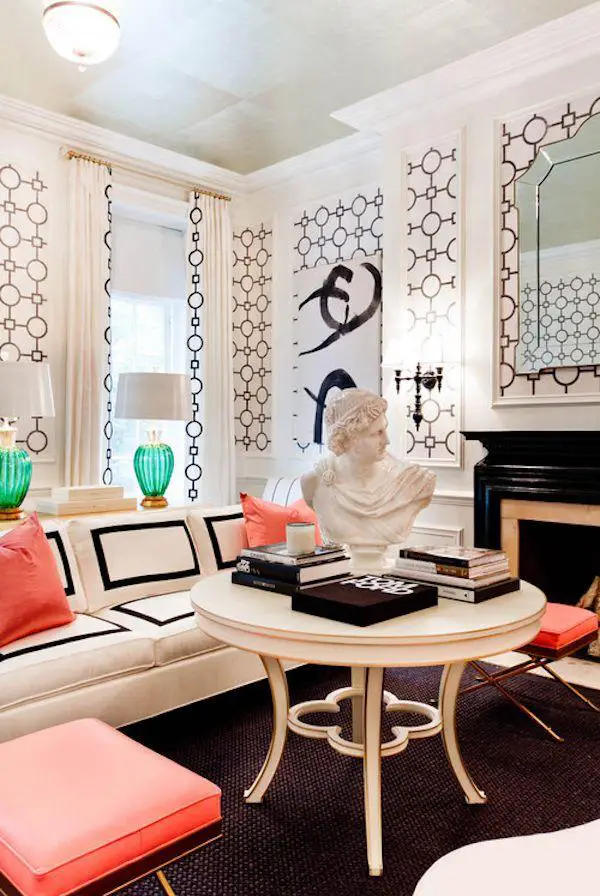
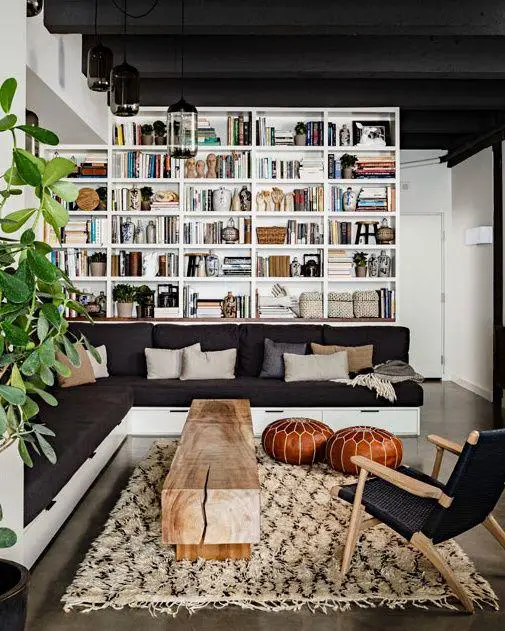
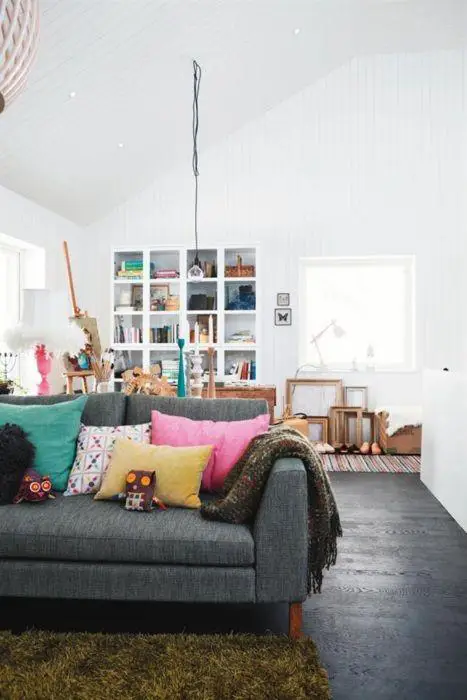
If renovation is not part of your plans, the floor color can be played with using textiles. Light rugs or hides help brighten dark material and add lightness to the interior. Long, light curtains also achieve the same goal: no matter how you look at it, dark flooring visually shortens wall height, while vertical folds of textile work in the opposite direction. Any oriental fabrics are suitable when used with dark flooring. Knitted mats with geometric patterns not only add ethnic color but also make the interior more dynamic.
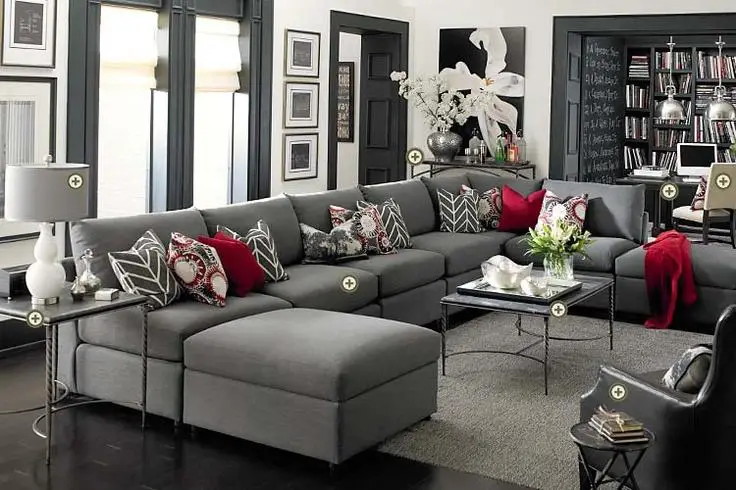
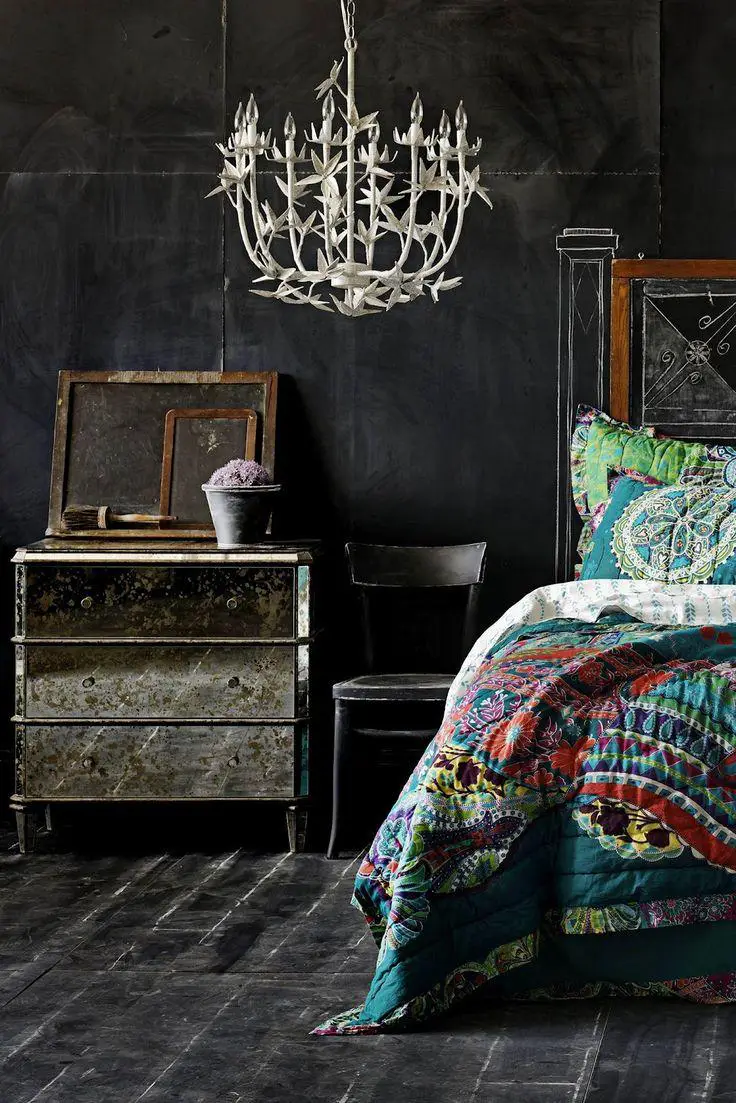
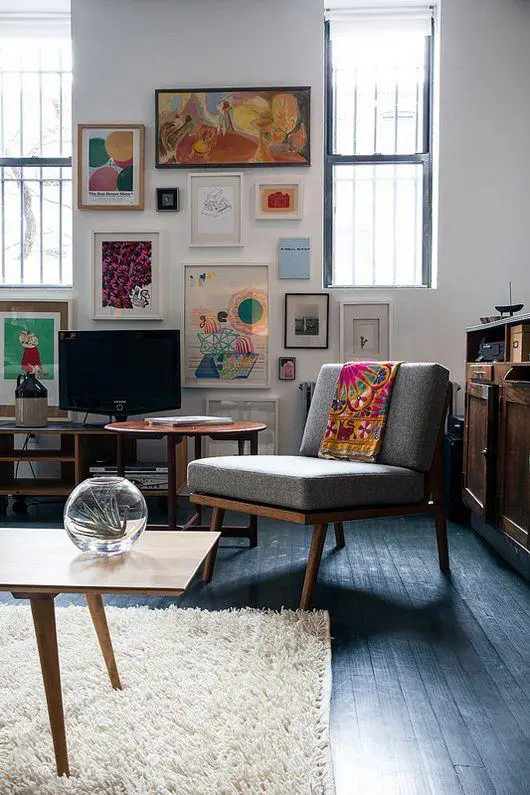
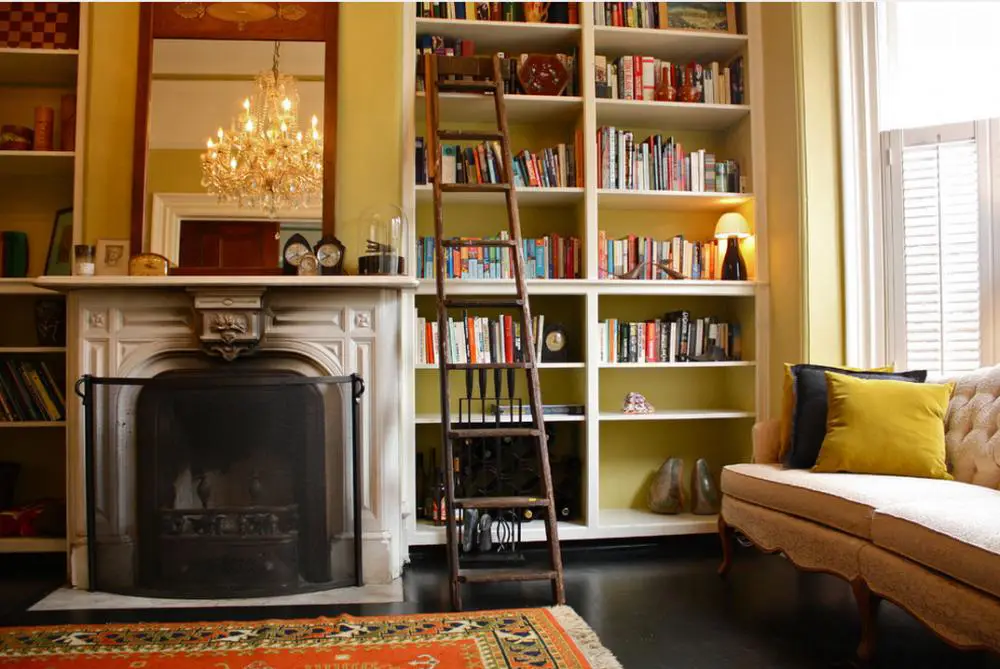
4. Exploring texture
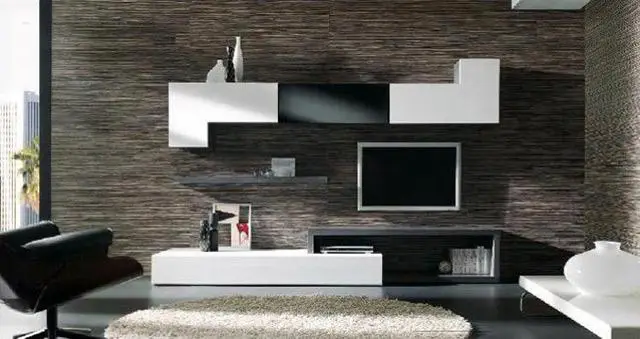
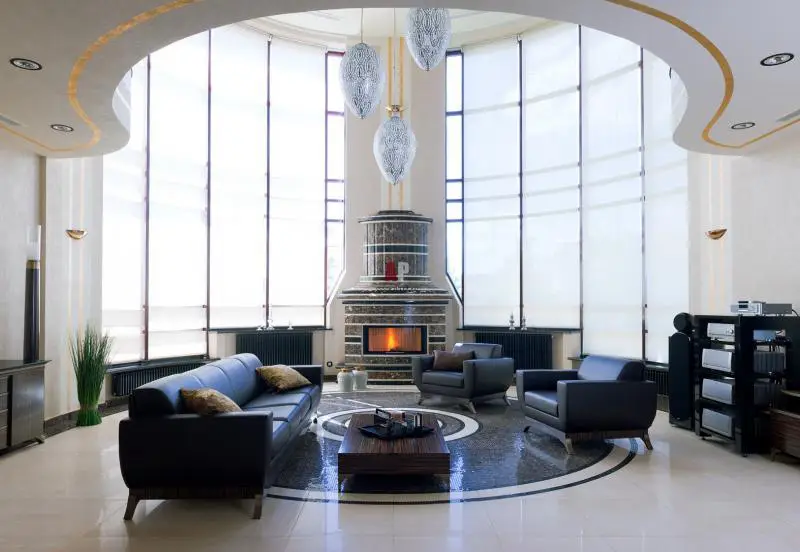
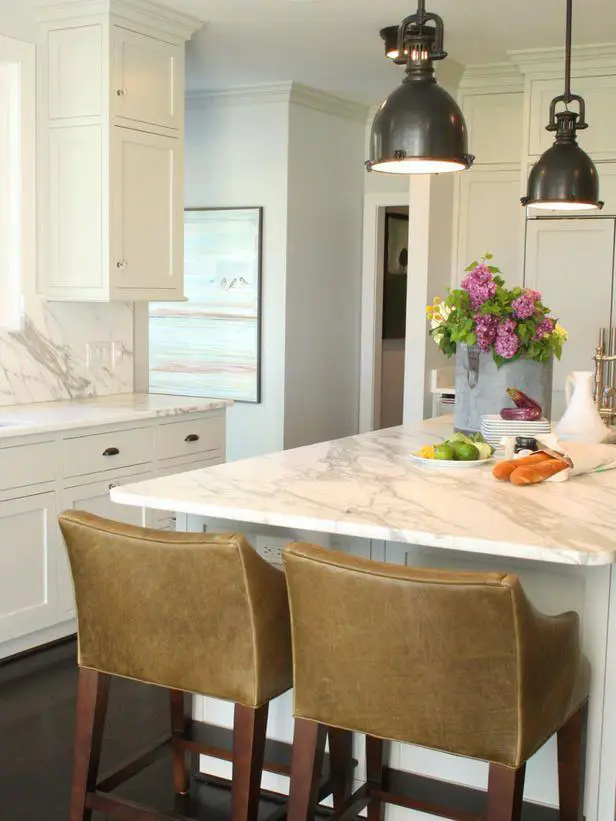
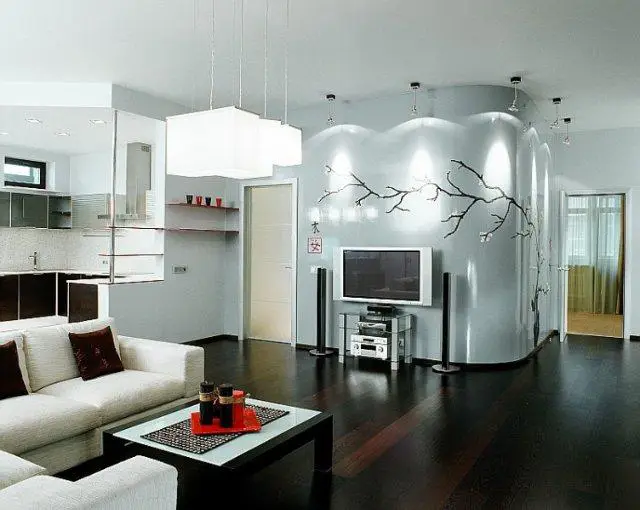
Creating a relationship between the floor and other horizontal surfaces is not always an obvious designer's trick, but as practice shows, it helps structure the space well. Matte floor surfaces pair well with glossy countertops: for example, in a kitchen, marble surfaces are often used for the work zone, and glass coffee tables in the living room. Glossy floors will require textural support like ribbed sofa upholstery.
5. Decorating with accessories
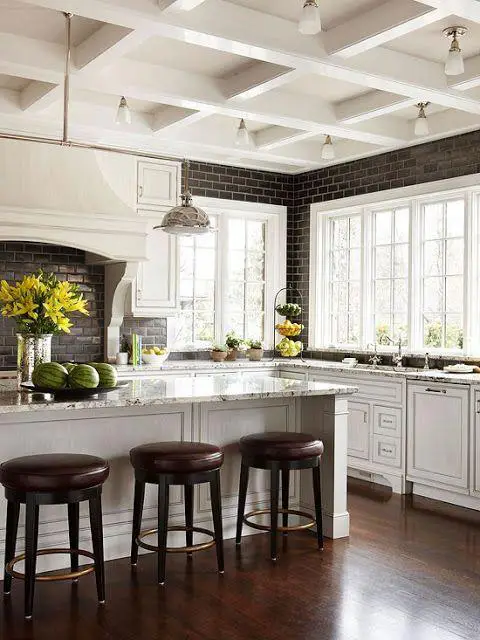
A rich color of the floor, regardless of the overall interior palette, should be accentuated with details in similar shades. These can include picture frames, lighting fixtures with dark bases, or even woven baskets—provided that the accessories match the overall style.
Combining several textures can solve the problem of the flatness of space, which is relevant for interiors with dark flooring. Cast iron and forged elements, rattan and bamboo, as well as decorative fabrics can help enliven the room and make its character less static.