Don't Get Cold in Your Home: Critical Furnace Repairs for Warmth and Comfort
When winter arrives, warmth and comfort at home become paramount. And at the heart of this cozy sanctuary lies your furnace, quietly working to maintain an ideal temperature. However, like any mechanical system, furnaces are prone to wear and tear, and neglecting their maintenance can lead to cold consequences. In this article, we'll explore critical furnace repairs needed to keep your home warm and cozy.
Understanding Your Furnace
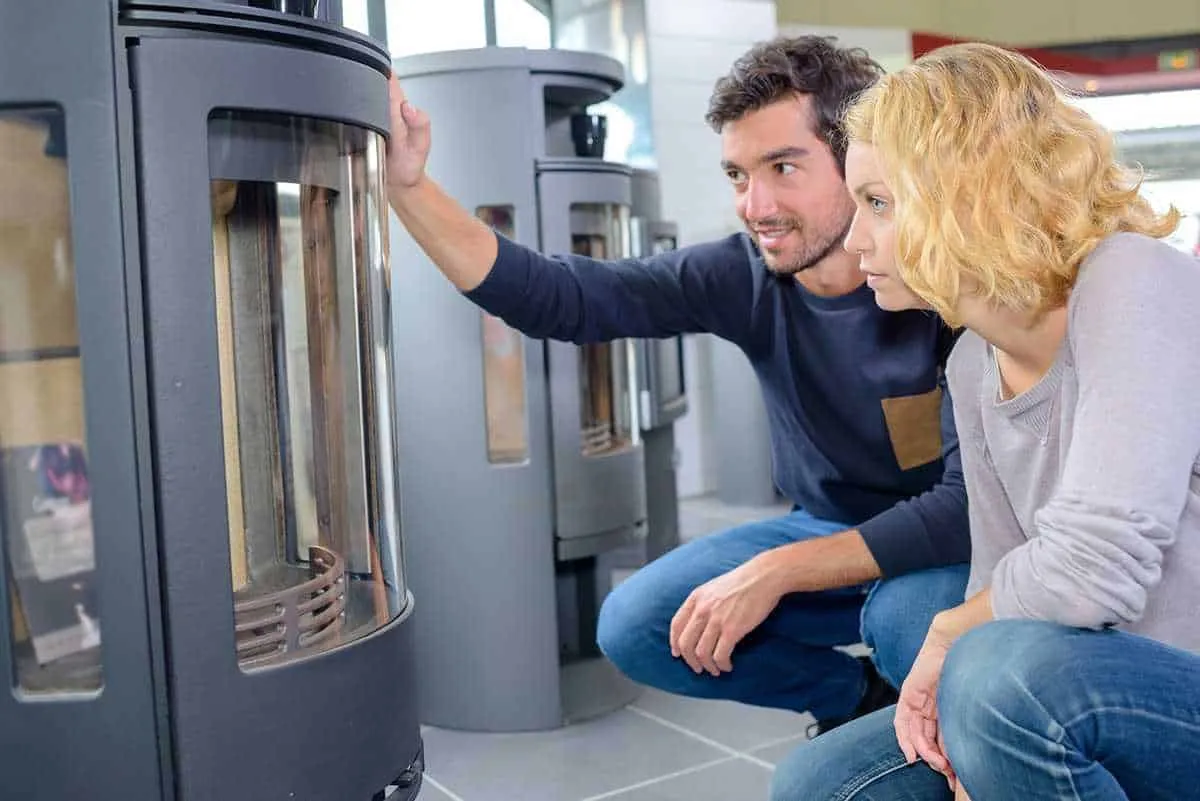
Your furnace is more than just a metal box in the basement. It's a complex system made up of various components working in harmony to generate heat and distribute it throughout your home. Understanding these parts and being able to identify common issues is the first step toward efficient furnace operation.
At its core, a furnace consists of a burner, heat exchanger, blower fan, ducts, and a thermostat. The burner ignites fuel (typically natural gas or propane), which heats the heat exchanger. The blower fan then distributes this heat through ducts, while the thermostat controls the temperature.
Furnaces can experience a variety of problems, from minor malfunctions to major breakdowns. Common issues include ignition problems, faulty heating elements, restricted airflow, and thermostat malfunctions. These can arise for several reasons such as age, lack of maintenance, or defective parts.
Learn more at https://www.meadowair.com/services-areas/goodyear/.
Furnace Maintenance Tips
Preventive maintenance is key to maximizing your furnace's lifespan and efficiency. Following these maintenance tips can keep your heating system running smoothly all year round. Schedule annual inspections with a qualified HVAC professional to detect potential issues and ensure optimal performance. Additionally, regularly clean the exterior of your furnace and remove any dirt or obstructions that might impede airflow.
Dusty or clogged air filters can restrict airflow and reduce your furnace's efficiency. Replace disposable filters every one to three months or clean reusable ones according to the manufacturer’s instructions. Consider installing a whole-house air cleaner to improve indoor air quality and protect your furnace from dust and debris.
Proper ventilation is essential for safe furnace operation and your family's health. Ensure that vents and ducts are clean and unobstructed, and never block supply or exhaust vents with furniture or other items. Adequate ventilation helps prevent carbon monoxide buildup and ensures efficient combustion.
Budgeting for Furnace Repairs
Furnace repairs can sometimes catch homeowners off guard, but budgeting for them in advance can reduce the financial burden when problems arise. The cost of furnace repairs varies depending on the nature and severity of the issue, as well as the age and model of your furnace. Minor repairs like replacing a faulty igniter or thermostat sensor can cost a few hundred dollars, while major repairs such as heat exchanger or blower motor replacement can run into thousands.
To avoid unexpected repair expenses, consider setting aside part of your family budget for furnace maintenance and repairs. You can create a dedicated savings account or allocate a portion of your monthly budget to a home maintenance fund. Planning ahead and regularly saving money allows you to cover repair costs without compromising overall financial stability.
In some cases, furnace replacement or repair may be necessary due to unexpected failures or emergency situations. If you face significant repair or replacement costs exceeding your budget, consider financing options such as personal loans, home equity loans, or HVAC company financing programs. Always compare interest rates, terms, and fees to find the best option for your needs.
The Future of Your Furnace
While timely repairs and maintenance can extend your furnace’s lifespan, eventually a replacement with a more efficient and reliable model may be needed. Modern furnaces are significantly more energy-efficient than older models, which can lead to lower utility bills and reduced environmental impact. When it’s time to replace your furnace, consider investing in a high-efficiency model with an Energy Star rating. These units utilize advanced technology to maximize heat output while minimizing energy consumption, offering long-term benefits and comfort.
Smart thermostats offer advanced features such as programmable schedules, remote temperature control, and energy usage tracking. Investing in a smart thermostat allows you to optimize your heating system for efficiency and convenience, maintaining a comfortable temperature while minimizing energy use. Moreover, many smart thermostats can integrate with home automation systems and voice assistants for seamless control and monitoring.
Conclusion
Your furnace plays a vital role in maintaining comfort and warmth in your home, especially during the cold winter months. By understanding common furnace issues, prioritizing timely repairs, and investing in preventive maintenance, you can ensure your heating system operates efficiently and reliably for years to come. Whether you're addressing minor restoration work or planning a furnace replacement, taking proactive steps in caring for your system ensures warmth and comfort regardless of outdoor weather conditions. Don’t wait until you're left in the cold – act today to protect the warmth and comfort of your home.