Open Electrical Wiring
Open Electrical Wiring
Open electrical wiring is a type of wiring that is less common than concealed wiring and to a large extent inferior to it. The advantages of this type of wiring are accessibility for inspection and replacement, and relative ease of installation. This type of wiring can be mounted on top of finished interior finishing.
Such wiring is often used in wooden houses due to the difficulties of concealed installation.
According to PUE, open wiring refers to wiring laid on the surfaces of walls, ceilings, on trusses and other building elements of structures, on supports, etc.
Types of open wiring include stationary, portable and mobile wiring.
Wires and cables are installed directly on the surfaces of walls and ceilings, on strings, cables, pulleys, insulators, in pipes, conduits, flexible metal sleeves, on cable trays, in electrical floorboards and casings, suspended freely, etc. The various methods of installing open wiring should be examined in more detail.
Installation of Open Wiring on Wall Surfaces Using Clips
Cables with a cross-section less than 6 mm² can be mounted directly to the surfaces of walls and ceilings using electrical clips. The wire for open wiring should have multiple layers of insulation. Cables such as VVGng and NYM can be laid without a protective layer, while cables with weaker insulation require metal or asbestos backing. In apartments, on dachas, or in any residential space, such wiring does not look very attractive.
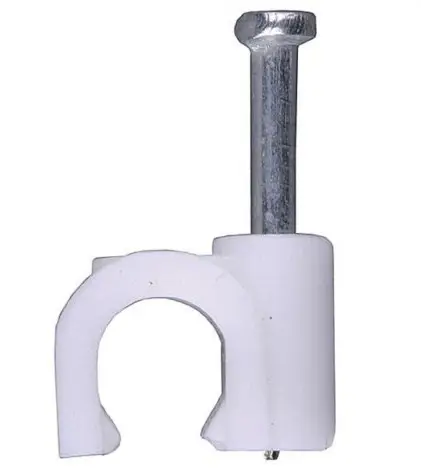
Photo 1 — Clip for Installing Electrical Wiring
Wiring on Strings, Cables
This type of wiring is used in utility buildings.
The mounting mechanism involves driving hooks into the wall or another base, on which a steel cable is tensioned in the air.
The cable or wire is attached to the cable using steel or plastic fasteners. The distribution box for this type of open wiring is also attached to the cable. String wiring is a variation of cable wiring. Its difference lies in the fact that the string made of wire is sometimes welded to details embedded in the base (e.g. reinforced concrete), and adheres to it.
Wiring on Insulators, Pulleys
This was the most common method in the past. There is a heated debate about its reliability, but despite this, it is once again trendy. This type of electrical wiring can be used in log houses, administrative buildings, and more recently as a decorative element in interior design of homes and apartments.
Due to the age of this method and the hype surrounding it, it is quite difficult to find porcelain insulators on which twisted wire can be mounted. The wire can be made from multi-strand copper wire with enhanced insulation.
Holes are drilled no more than 40-50 cm apart (or even more frequently), into which screws are inserted with plaster or another material, on which the insulators are mounted. The twisted wire is secured to these.
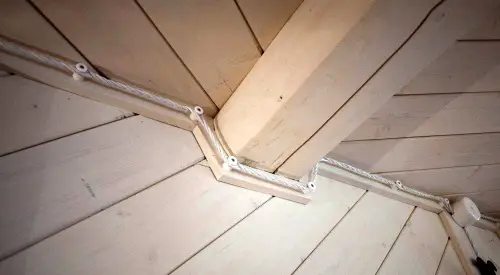
Photo 2 — Open Wiring Made of Twisted Wire on Porcelain Insulators
Wiring in Pipes
Open wiring can be installed in plastic or metal pipes. Metal pipes are used only when other materials cannot be used, for example, when laying wiring on flammable bases.
Pipes provide good protection against mechanical damage and prevent fire spread. Wires cannot be joined inside pipes. Distribution boxes are intended for connecting and branching wiring.

Photo 3 — Open Wiring in Pipes
Wiring in Conduits
Conduits or cable trays, usually made of plastic, are often used for open installation of wiring in offices and can also be found in residential spaces. They are convenient to assemble and install, come in various sizes and colors, and even have conduits with separators for different cables. Despite some decorative elements in cable trays, they do not look very aesthetically pleasing in apartments.
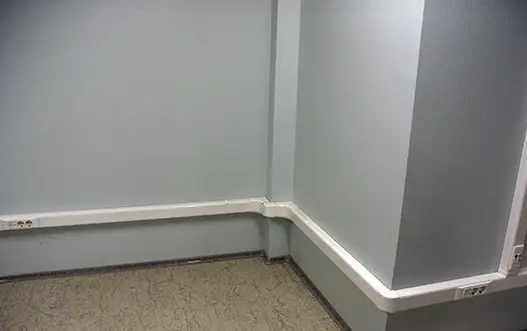
Photo 4 — Open Wiring in a Conduit
Wiring in Flexible Metal Sleeves
Used in technical rooms and on attics.
Wiring on Trays
These are constructions made of steel pipes or wide steel conduits, through which bundles of cables are laid.
Wiring in Electrical Floorboards and Casings
Wiring leading to sockets is usually hidden in floorboards.
Often, a combination of several methods described above is used. Wiring in rooms with increased humidity – in bathrooms, kitchens, and wiring in fire hazardous spaces is carried out with special precautions.
External Wiring
Building external wiring can also be open or concealed. It is located on the outer surfaces of building walls and on supports between them.
External wiring is a branch from the power transmission line and the input cable, connected using special clamps.
When it comes to the question of how to make external wiring, there is an unambiguous answer: call an electrician. Only a qualified electrician with proper certification has the right to connect the cable from the centralized power transmission line.
For external wiring, insulated copper or aluminum wire with a large cross-section is chosen. The cable can be laid on a tensioned cable in the air or buried underground. Branches from the overhead line are run at a height of 6-3.5 meters (depending on the area), gradually lowering as they approach the house. The input cable is mounted to the wall using insulators and enters the wall through a steel pipe.
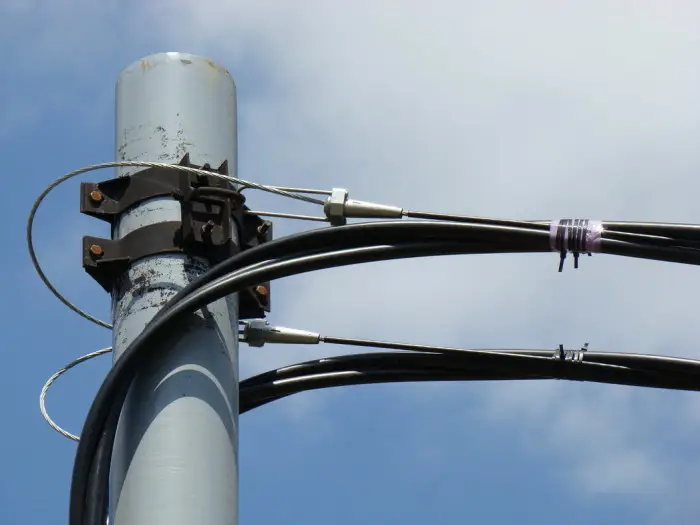
Photo 5 — External Cable Tension Wiring
Switches for Open Wiring
As with concealed wiring, special electrical installation devices are made for open wiring.
Depending on how many light sources need to be controlled, a single-pole switch for open wiring or a double-pole switch for open wiring is chosen. For their installation, no recesses in the walls for mounting boxes are required – they are simply screwed to the wall along with a non-flammable or non-conductive mounting material or with a wooden backing (depending on whether the base is flammable or not).
A splash-proof switch can be mounted to the wall without mounting material. When choosing a single-pole switch for open wiring or a double-pole switch for open wiring, attention should be paid to its technical specifications, including nominal voltage and current, and the protection level of the switch.
Popular electrical installation devices are made by Legrand. There are also other good products that meet international standards and GOST, such as switches from Lexel.
Cost of Single-Pole Switches for Open Wiring
A single-pole switch for open wiring, price in Kiev starts from an average of 20 UAH.
A single-pole switch for open wiring, price in Moscow starts from an average of 80 rubles.
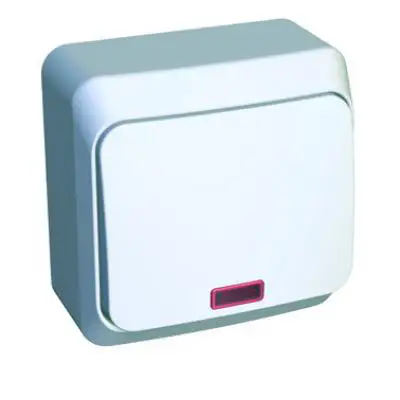
Photo 6 — White Single-Pole Switch with Backlight by Lexel (Art. KA10-002b)
Sockets for Open Wiring
Electrical sockets for open wiring differ in form and mounting method from concealed ones. The socket base is not a cup but a flat plate made of metal, wood or plastic, screwed or nailed to the wall. The socket mechanism is mounted on it, the open wires of the open wiring are connected to the terminals, and a cover is installed on top.
The material of the socket base and the need for additional insulation – asbestos backing – depend on whether the base is flammable. Requirements for sockets are set in state standards, for example, what sockets should be like when used in fire-safe rooms is specified in GOST 7396.
Cost of Sockets for Open Wiring
As for the cost of sockets for open wiring, for example, a Legrand double socket with grounding for open wiring – price in Moscow: 82 rubles, in Kiev: about 28 UAH.
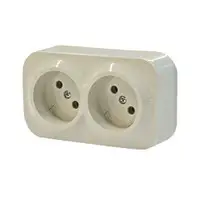
Photo 7 — Legrand Quteo Double Socket with Grounding for Open Wiring
We recommend reading: How to Replace Wiring in an Apartment