Longest Rivers of the Planet: Arteries of Continents
Telling the story of the greatness and significance of the largest rivers in the world
Rivers are not just water streams, but true arteries of the Earth. They carry life, shape landscapes, and influence climates of entire regions. The longest rivers in the world are giants that cross continents, connect mountains and oceans, and play a key role in the lives of millions of people. Let's embark on a journey through the most impressive water highways of our planet.
Main points from the article:
- The Amazon is the most voluminous river in the world, and its basin is home to one-third of all animal species on Earth;
- The Nile is the longest river on the planet, and its banks were the birthplace of one of the oldest civilizations;
- The Yangtze is China's economic heart, with one-third of the country's population living along its banks;
- The Mississippi-Missouri is the most important transportation artery of the United States, through which 60% of the country's grain is transported.
The Amazon: The lungs of the planet and a kingdom of biodiversity
The Amazon is a true aquatic giant of South America. Although it is shorter in length than the Nile, it surpasses all other rivers in the world in terms of water volume. Every second, the Amazon carries about 220,000 cubic meters of water into the Atlantic Ocean — that is five times more than the Congo, which holds the second place in this regard.
Interesting fact: At the mouth of the Amazon, a huge freshwater "island" with an area of approximately 100,000 square kilometers is formed. This phenomenon, known as "meeting of waters," is so vast that it can be observed from space.
The Amazon basin is truly the "lungs of the planet." The tropical forests of the Amazon produce about 20% of the world's oxygen supply and absorb a huge amount of carbon dioxide.
The Amazon is a true treasure trove of biodiversity. More than 5,600 species of fish live in its waters, making it the richest river in the world in terms of this indicator. Here, one can encounter giant arapaimas up to 2.5 meters long and tiny neon tetras the size of a fingernail.
An interesting legend: According to local folklore, the waters of the Amazon are inhabited by mermaids and giant snakes. Although these stories lack scientific proof, they reflect the richness and mystery of the Amazon ecosystem.
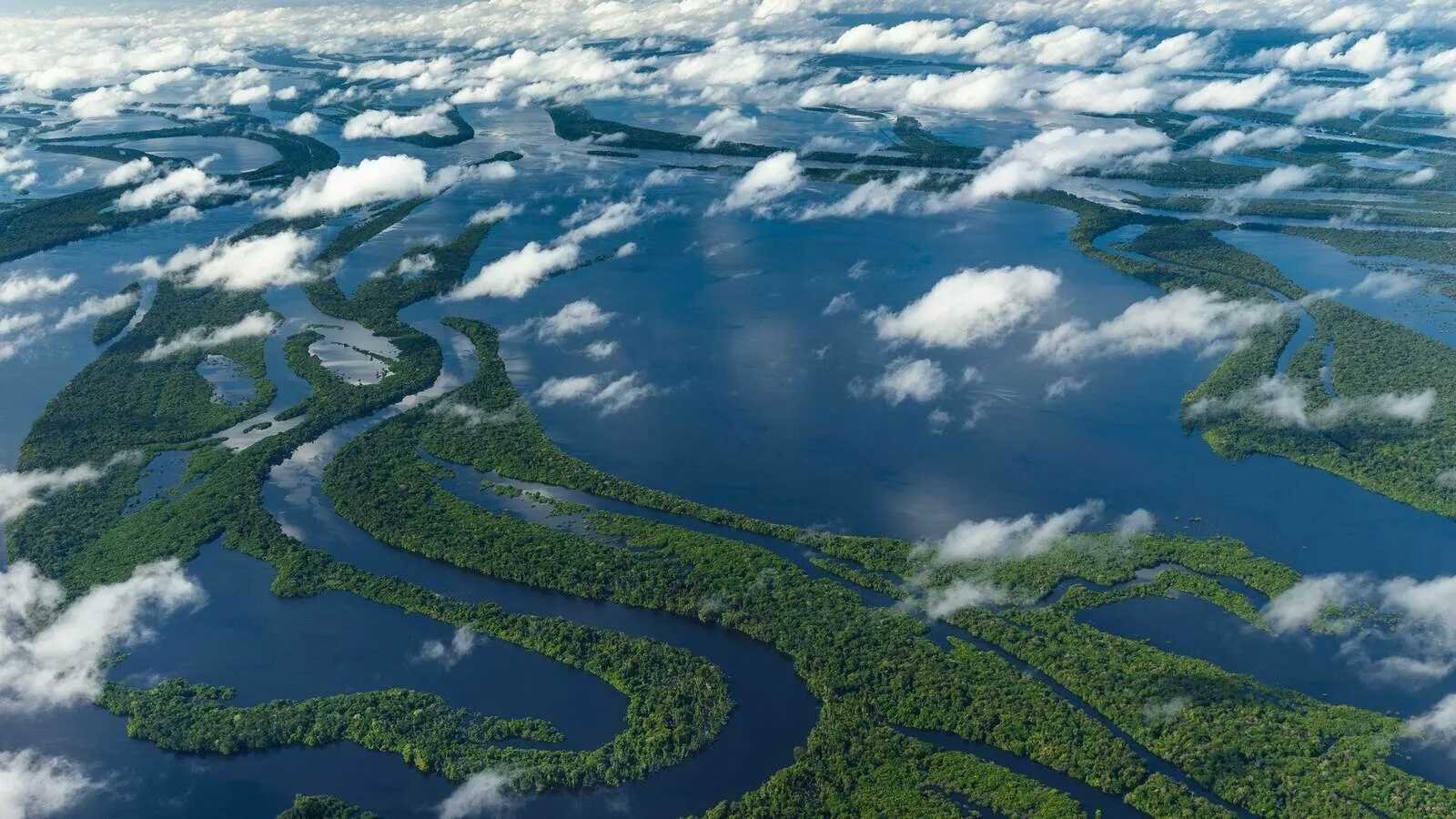 Photo: cntraveler.com
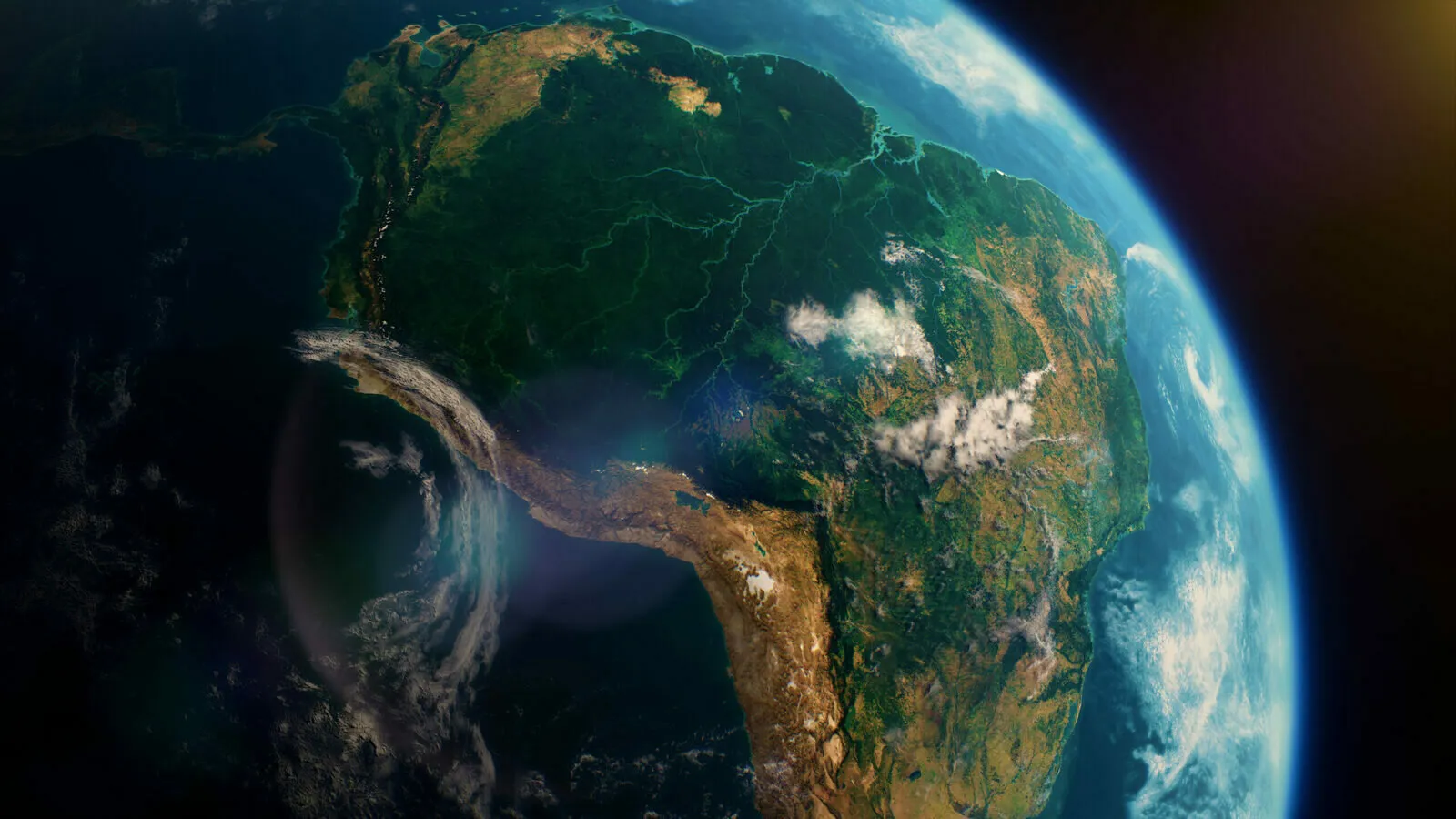 Photo: climatepolicyinitiative.org
The Nile: Cradle of Civilization and Source of Life in the Desert
The Nile is the longest river in the world, with a length of 6,650 kilometers. It is truly the lifeline threading through the arid regions of northeastern Africa.
Interesting fact: The Nile is the only river in the world that flows from south to north. This is due to the specific topography of the African continent.
It was thanks to the Nile that ancient Egyptian civilization was able to emerge and thrive in the desert. The annual floods of the river brought fertile silt to the fields, allowing for rich harvests in one of the planet's most arid areas.
Interesting detail: Ancient Egyptians called their country "Kemet," meaning "Black Land" — referring to the color of the fertile silt left by the Nile after its floods.
Even today, the Nile remains a key factor in the economy and life of the region. The river provides water and electricity to millions of people in Egypt, Sudan, and other countries. Ancient monuments and modern megacities are located along its banks, and its waters are used for irrigation and cargo transport.
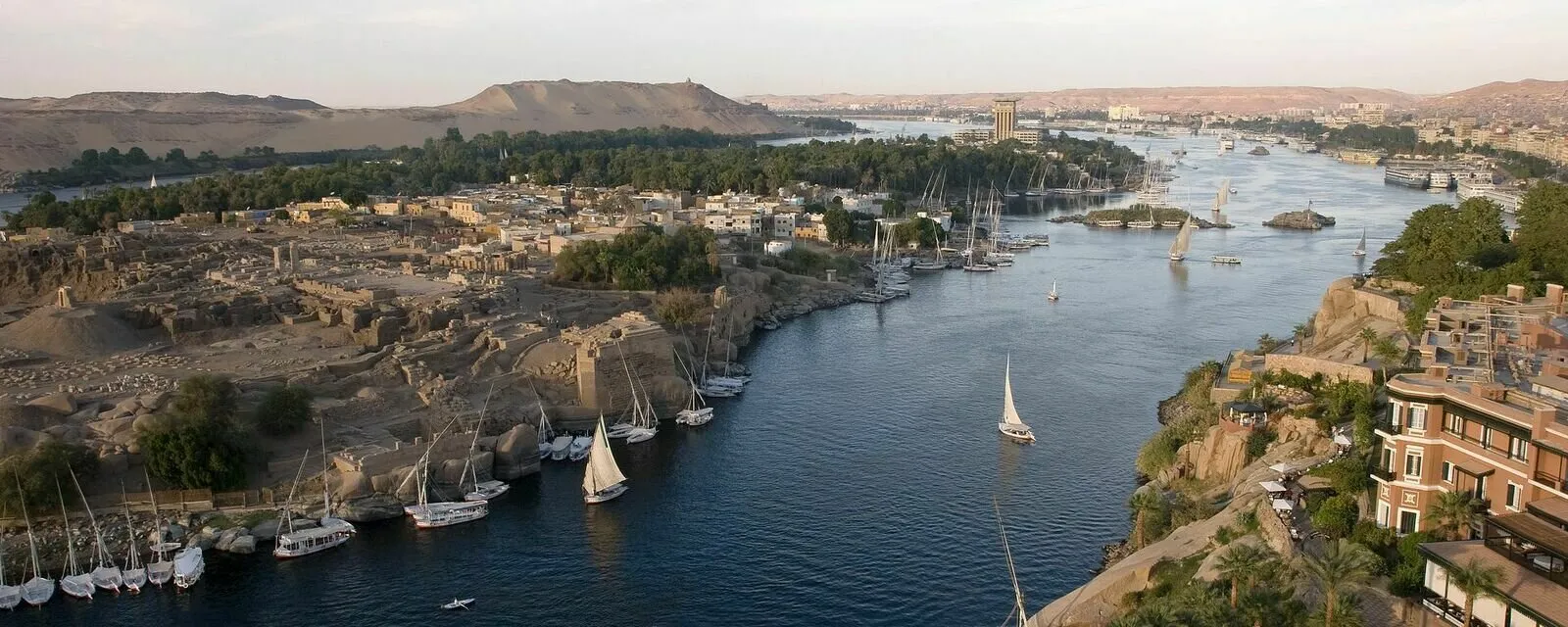 Photo: telegra.ph
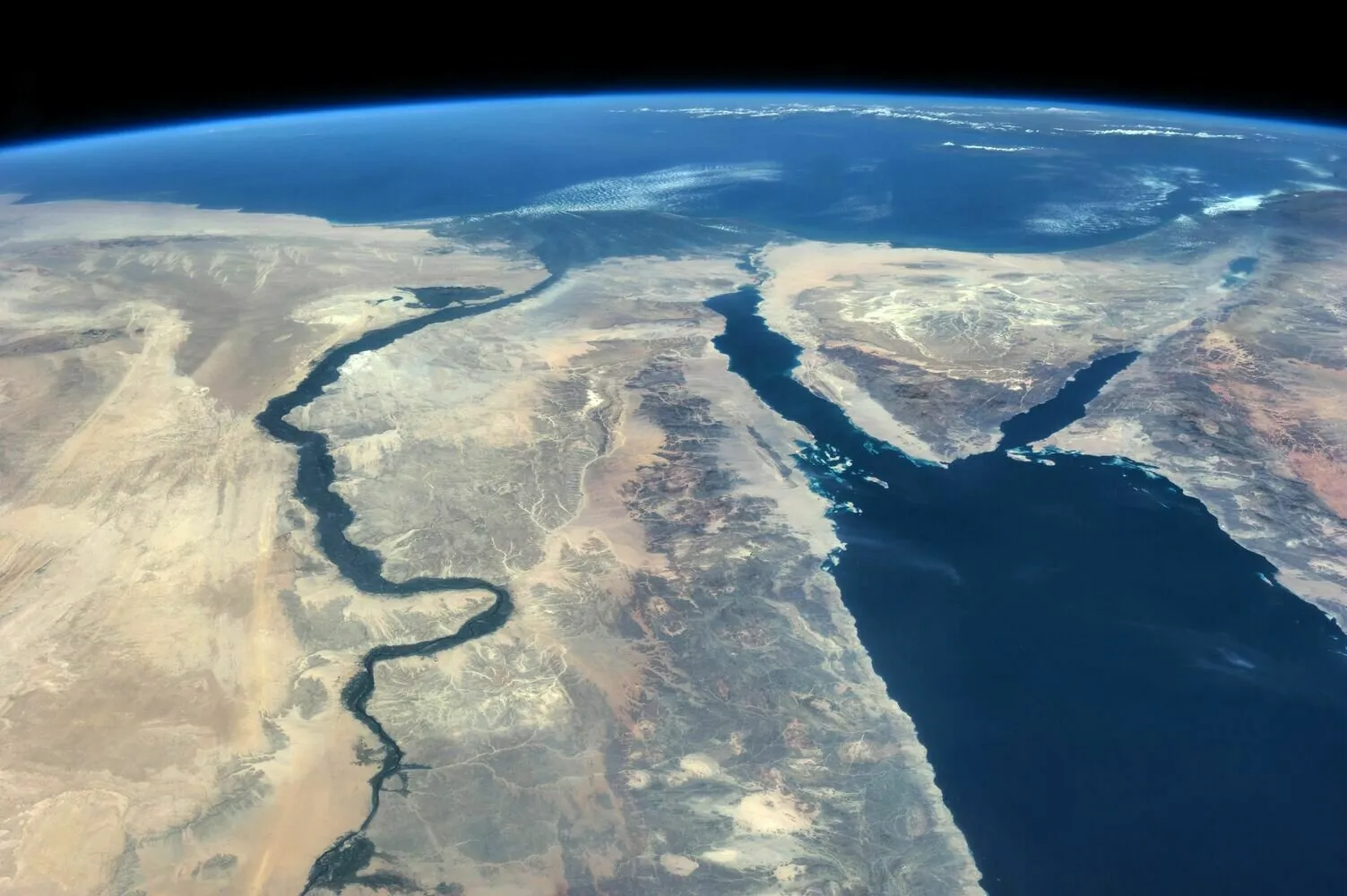 Photo: ioes.ucla.edu
The Yangtze: The Economic Heart of China
The Yangtze is the third longest river in the world and the longest river in Asia. Its length is 6,300 kilometers. But what matters most is the significance of this river for China.
Interesting fact: The Three Gorges Dam, the largest hydroelectric power station in the world, is built on the Yangtze. Its dam is so massive that scientists estimate it has slightly slowed down the Earth's rotation!
The Yangtze is a true economic artery of the country. More than one-third of China's population lives along its banks, and the river basin accounts for 20% of the country’s GDP. Here are located the largest industrial centers, including Shanghai, Wuhan, and Chongqing.
The river plays a key role in China's transportation system. More than 2 billion tons of cargo are transported annually on the Yangtze — more than on any other river in the world.
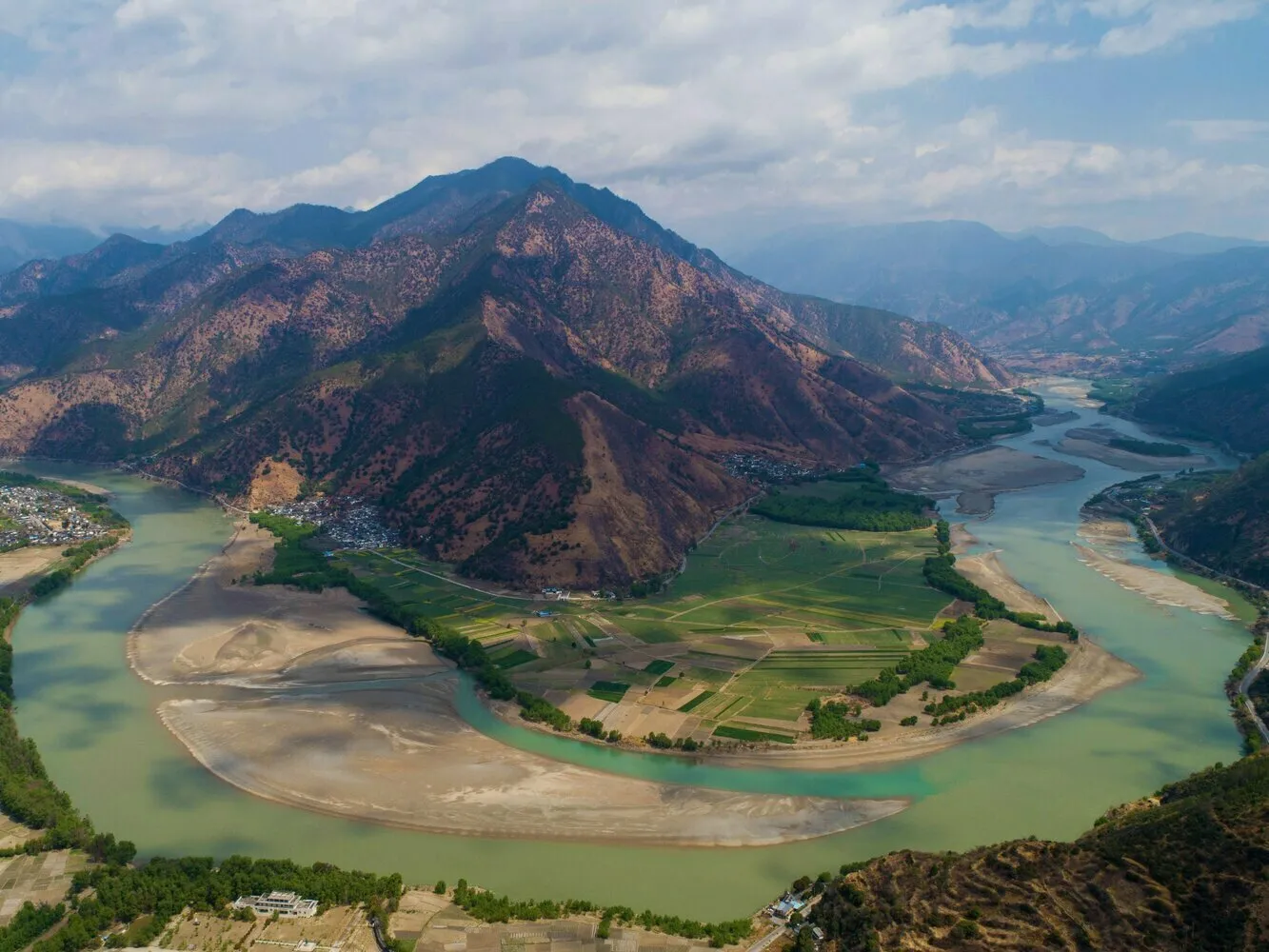 Photo: priroda.club
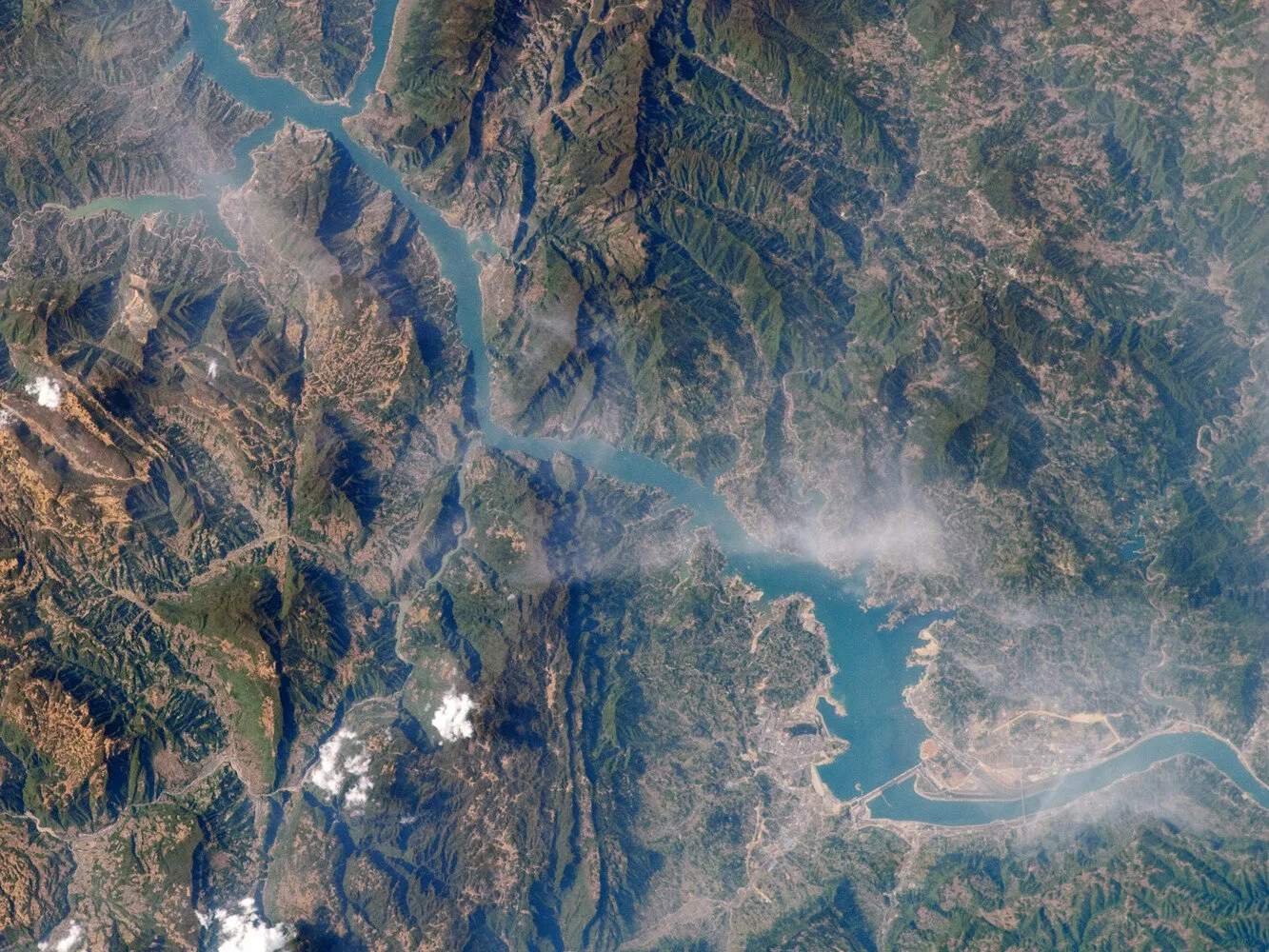 Photo: wikimedia.org
The Mississippi-Missouri: The Main Transportation Artery of North America
The Mississippi-Missouri river system is the fourth longest in the world, with a total length of 6,275 kilometers. This river system plays a major role in the economy of the United States.
Interesting fact: During strong floods, the Mississippi can reach a width of up to 11 kilometers! Locals call this phenomenon the "Great Flood".
The Mississippi is often referred to as the "spine of America." More than 500 million tons of cargo are transported annually via the river and its tributaries. It is a key route for transporting grain, oil, chemicals, and other goods. About 60% of all U.S. grain exported passes through the Mississippi.
Interesting detail: The name "Mississippi" comes from an Indian word, "misi-ziibi," meaning "great river." Indeed, for Native Americans, this river was a true deity.
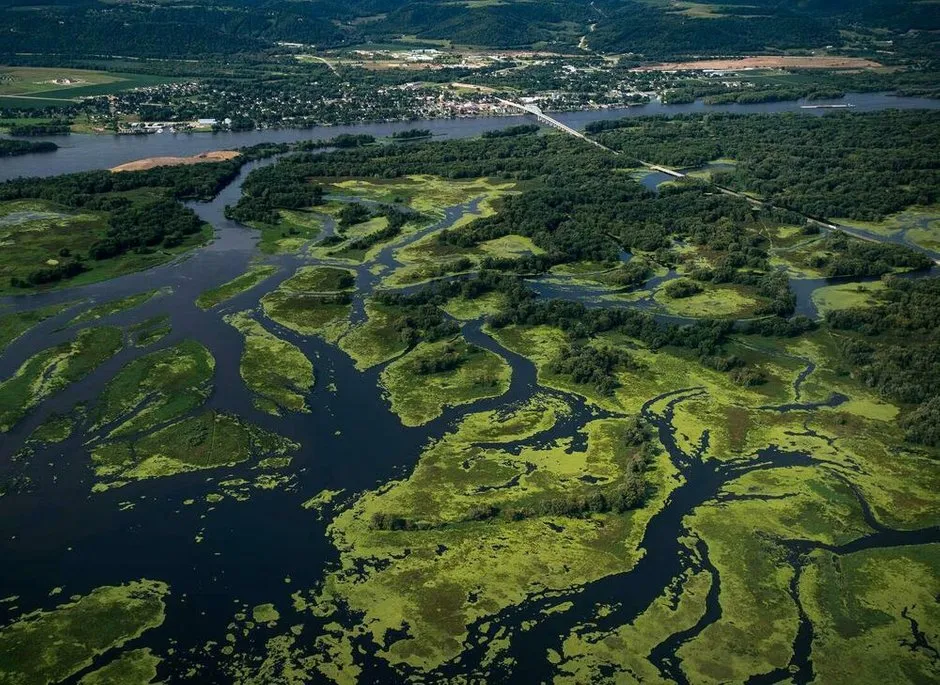 Photo: eleftherostypos.gr
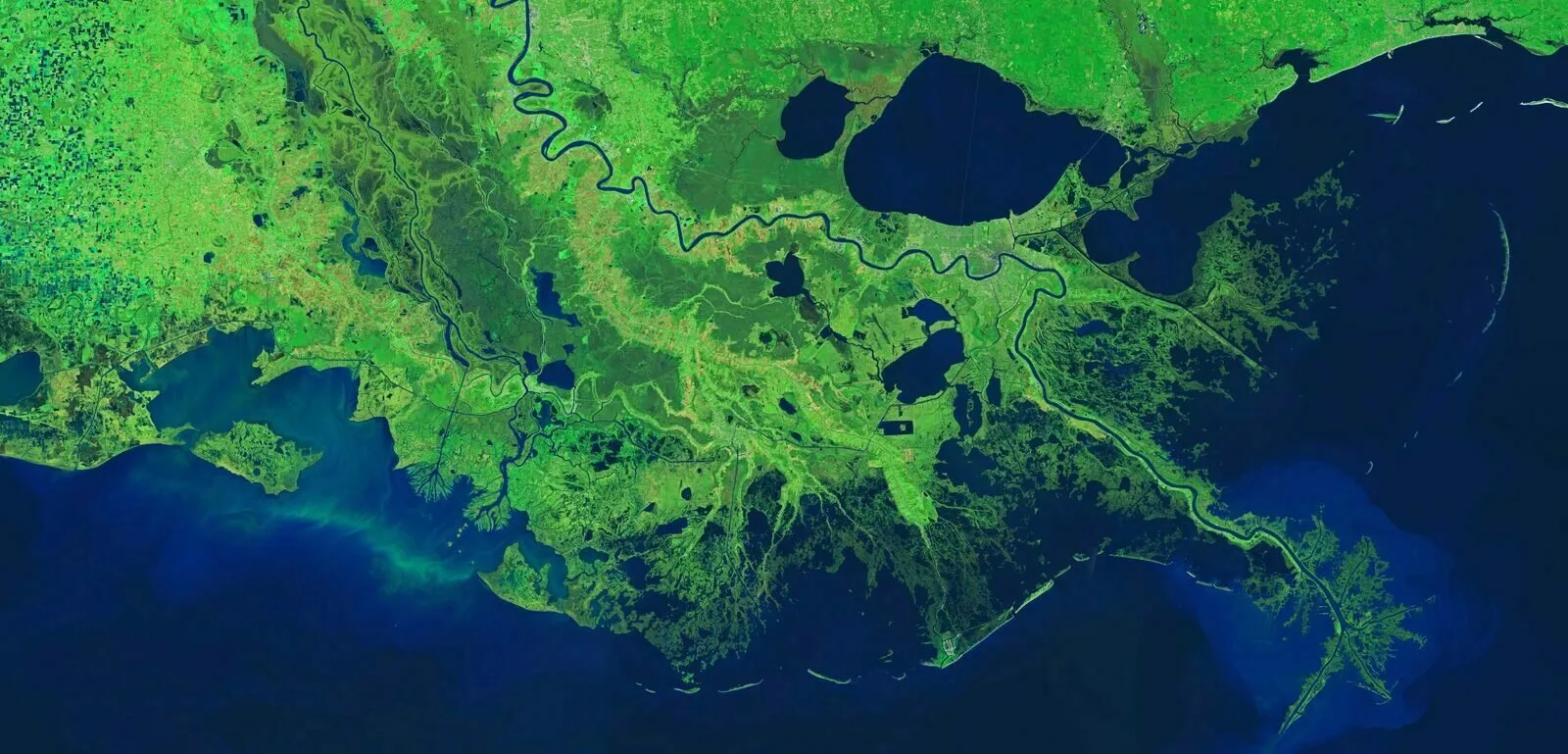 Photo: hakaimagazine.com
Large rivers are not just water arteries but complex ecosystems that influence the lives of entire continents. Preserving and using them rationally is a key task for sustainable development of the planet.
The longest rivers in the world are not just lines on a map. They are complex ecosystems, transportation arteries, and sources of life for millions of people and animals. Their condition largely determines the future of our planet. Therefore, preserving these aquatic giants is a global task requiring efforts from the entire world community.
Cover: earthobservatory.nasa.gov