Interior and Exterior Finishing of Log House
Interior Finishing
Interior finishing begins with insulating walls and corners of the assembled log house. Chinking is performed using jute rope, moss, and packing.
Then, a finished floor is laid.
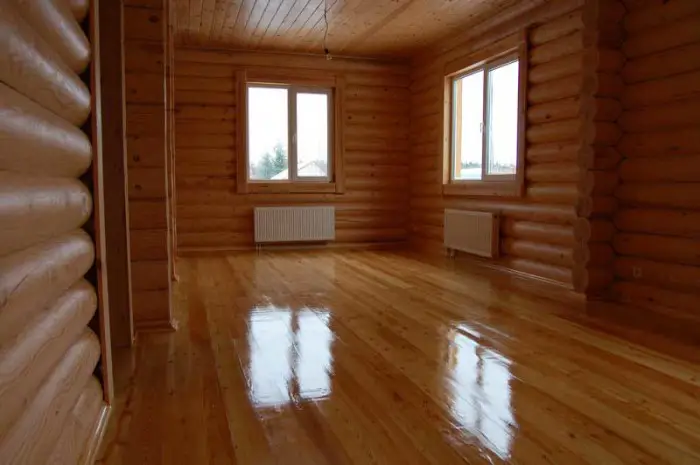
Photo 1 – Interior finishing of a log house
Next steps in interior work include:
- installing door and window openings;
- cladding with tongue-and-groove boards or gypsum board;
- laying laminate, parquet, linoleum, or carpet;
- installing baseboards;
- making decorative thresholds.
Ceilings and log walls may be sheathed with plastic or painted with any coating.
It is common to finish log houses made from timber using natural materials. Stone and premium wood species are suitable choices.
Tongue-and-groove boardsCommonly used tongue-and-groove boards from coniferous species: pine, larch, cedar, spruce. Installation types are horizontal or vertical. These boards are easy to assemble due to special grooves, which connect like a construction kit.
If finishing over round-sawn logs, a lathing framework must be installed first. Wooden battens are placed 50cm apart. Electrical wiring and utilities can also be hidden behind the lathing.
When building a log house from pre-profiled timber, lathing is not required.
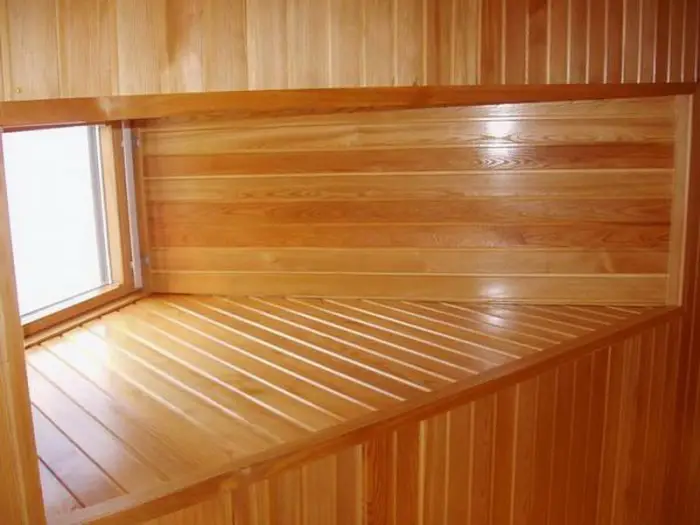
Photo 2 – Finishing with tongue-and-groove boards
$ Prices
Price of tongue-and-groove boards per 1m²:
- pine, spruce – from $5;
- linden, alder – from $11;
- larch – from $18;
- oak – from $25;
- cypress, fir – from $45.
IMPORTANT! Before starting interior finishing with tongue-and-groove boards, decide whether additional wall insulation with mineral wool or similar materials is needed. If the thickness of logs and boards is sufficient for heat retention during cold seasons, wall insulation is not required.
Board installationTongue-and-groove boards can be installed in three ways:
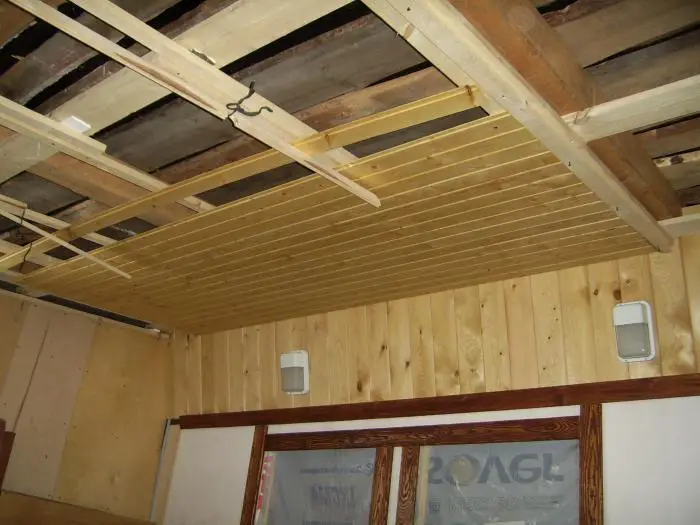
Photo 3 – Lathing for tongue-and-groove boards
Advantages of tongue-and-groove finishingKey advantages of finishing log houses with tongue-and-groove boards include:
- eco-friendliness;
- attractive appearance;
- additional thermal insulation;
- ease of installation.
Disadvantages include material cost and the need for subsequent treatment with preservatives and paint or varnish.
Finishing with jute ropeModern and stylish to finish interior walls of log houses using jute rope. Preserves natural beauty and enhances heat retention inside the room.
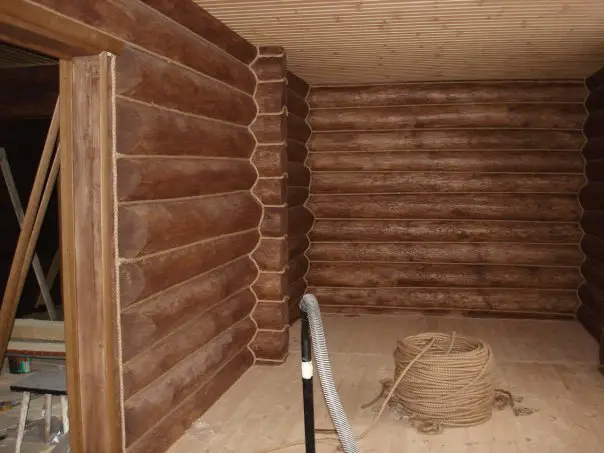
Photo 4 – Finishing with jute rope
Jute rope is used to finish log house walls. The material is installed into the joint grooves.
If the log house was assembled 'in lap,' using jute rope is not advisable. Better if the assembly method is 'in mortise and tenon' (in 'cup').
Decorative jute rope is fixed using:
- hot-melt adhesive;
- staples;
- galvanized nails with plastic heads.
After fixing, finish nails are placed every 15–20cm along the rope.
IMPORTANT! Jute rope must be treated with anti-fungal agents prior to installation.
After installation, the decorative rope is coated with varnish.
Exterior Finishing
Is exterior finishing necessary for a log house built from treated, round-sawn logs or pre-profiled timber? This depends on the owner. The exterior can be left in a natural state.
PreservativesIf the log house remains without exterior cladding, it must be treated with anti-fungal and fire-retardant agents. Additionally, logs and timber should be painted to protect surfaces from moisture, woodworm, rot, mold, and fungi.
VarnishesVarnish coatings are final finishes. Applied over preservatives and paints. Function: protection and enhancing visual appeal.
SidingConvenient siding can be used as exterior cladding. Any color can be chosen. Siding panels provide additional insulation and protection from external weather conditions.
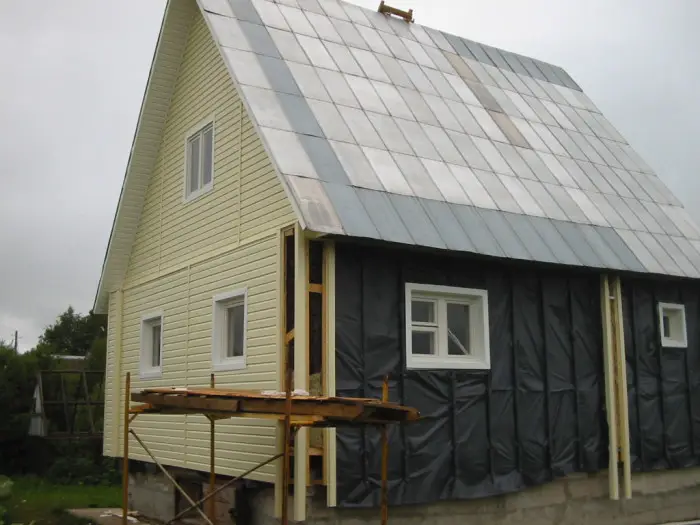
Photo 5 – Finishing a log house with siding
Siding is used on log houses and those built from pre-treated timber. No need for joint repairs – panels lie flat and leave no gaps.
If needed, damaged sections can be repaired by replacing individual siding panels.
Carved elementsStylistic decoration of log houses may include carved elements installed on window sills, roof ridges, and walls.
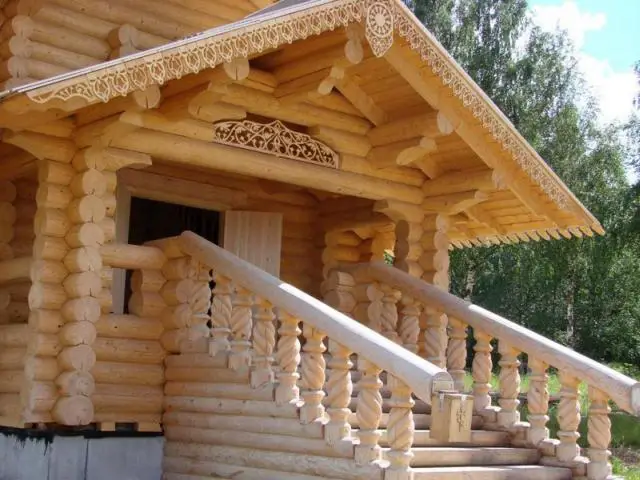
Photo 6 – Carved decor for a log house
Finishing a Wooden Log House
Cost savings on finishing a wooden log house are possible. If the house was built from round-sawn logs, a stylish design can be achieved with minimal investment:
- perform sanding yourself;
- apply anti-fungal and fire-retardant agents;
- install decorative jute rope;
- apply tinted varnish.
This option requires no expensive materials. If done manually, costs are minimal.
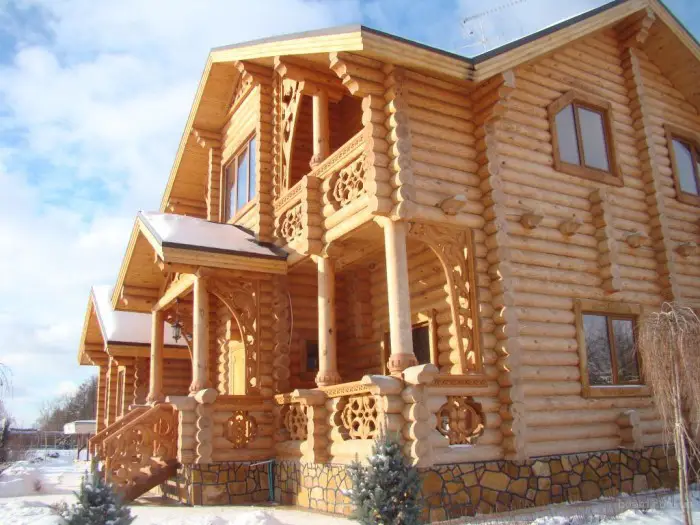
Photo 7 – Finishing a wooden log house
If the house is built from timber, decorative jute rope should not be used. Instead, it is more economical to use pine tongue-and-groove boards to line the walls.
Cost savings can be made on lathing (not required) and insulation (tongue-and-groove boards act as an additional insulator).
$ Finishing Cost
Finishing cost is determined by all expenses:
- material costs;
- labor intensity;
- complexity of design;
- room dimensions.
Construction companies often offer interior and exterior finishing services when ordering log house construction. The cost of finishing work is approximately equal to the cost of purchased materials.
For example, if you need to purchase tongue-and-groove boards, fasteners, preservatives, and paint/varnish for $2000, the finishing cost will also be around $2000.
All estimates are documented in detailed cost sheets. This allows full control over material quantities, prices, and construction documentation.
If you can perform finishing work yourself, you can save significantly.