How to Use a Garden Plot to the Maximum: Experts' Tips
Have you bought a garden plot and don't know how to arrange the buildings? We asked experts from Derevo Park studio to explain how to plan a plot correctly and use it functionally.
Where to start?
First, pay attention to the orientation by compass directions to determine where the shadow of the house will fall.
Check if there are buildings on neighboring plots (or whether they are planned). Communicate with neighbors in advance, as they may share useful information and even suggest which plants thrive in this climate zone. Most importantly, you can avoid the situation where windows of your house face a neighbor's shed.
Make a list of buildings
Determine whether you need a bathhouse and utility building, garage for a car or quad bike, or a greenhouse. Create a complete list to prevent any additional structure from ending up in an inappropriate place.
Consider everything in advance, plan all life scenarios and arrange buildings as closely to each other as possible and near the edges of the plot so that more space remains for an open garden – a place where you will relax.
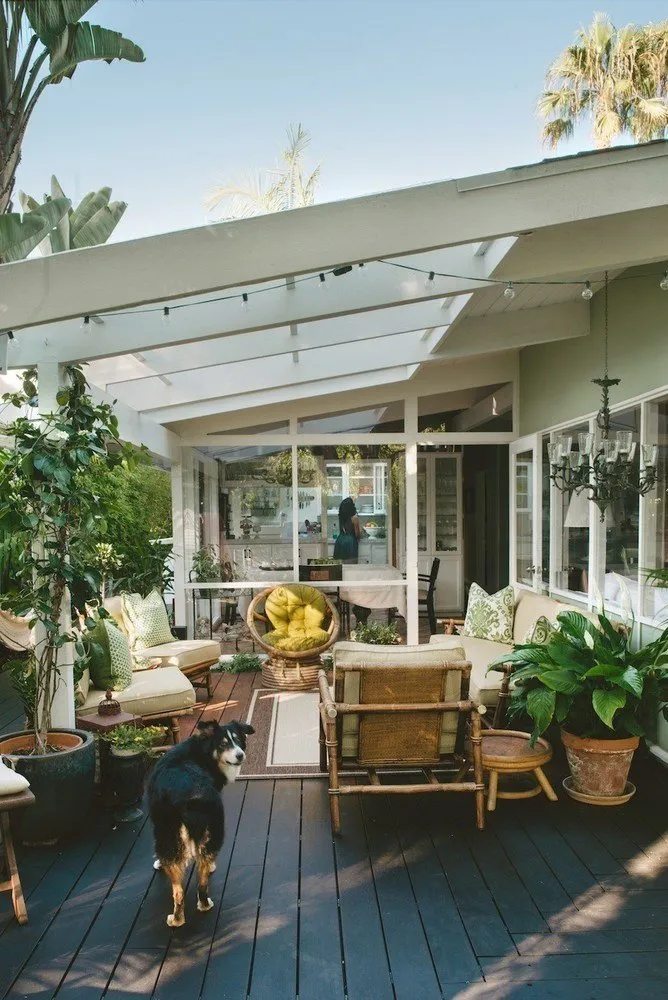
Do not forget about regulatory setbacks from building boundaries – these can be found online. Also, avoid placing buildings close to the center. Even a spacious plot can quickly become small this way.
Determine the setbacks from the boundaries and place the house as close to the edge as possible, considering where the shadow will fall. The shadow should shade the utility area and fall on the fence, but not on the garden. All scenic spots, including flower beds and terraces, should be on the sunny side.
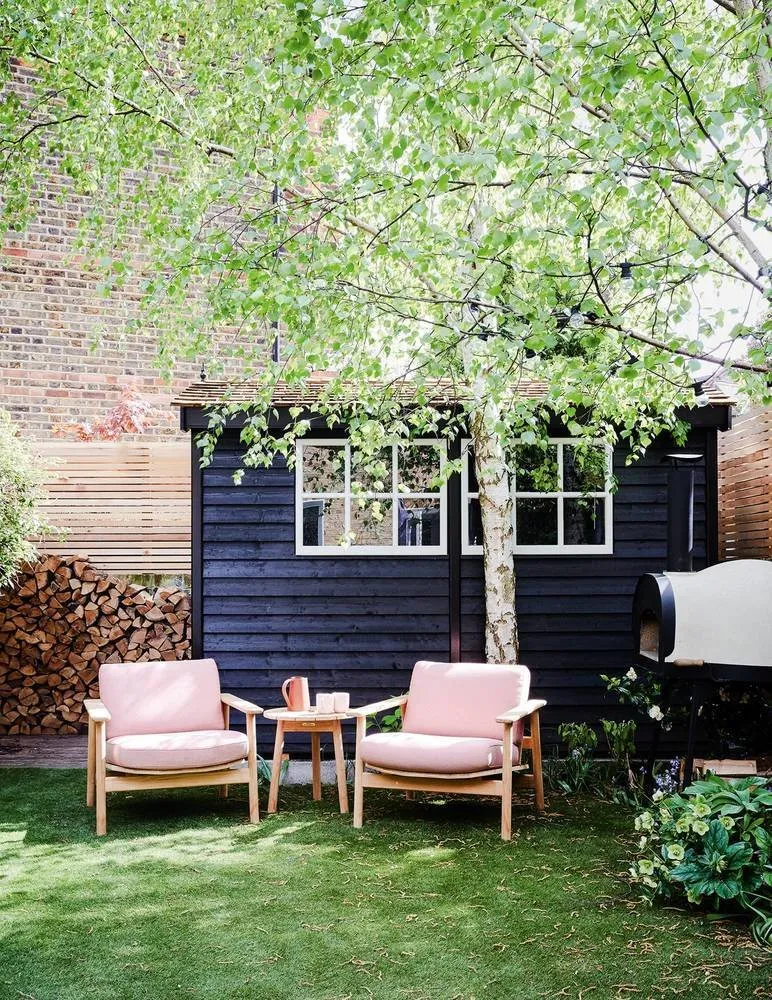
Divide the plot into zones
This can be a fire zone, grilling area, scenic bench, hammock, swings, pool, children's area, sports area, or fruit garden zone.
Perfect layout plan
Place the house so that its shadow falls closer to the fence, next to it place parking (to avoid laying a long road through the entire plot).
On the sunny side near the house, you can plant a fruit garden and leave as much open area as possible. In the far part of the plot, place a scenic spot such as a fire zone.
Whether to build a garage is an individual decision for each person, but usually, cars are left outside to avoid opening extra gates. A garage tends to get cluttered with things, so consider whether you really need one.
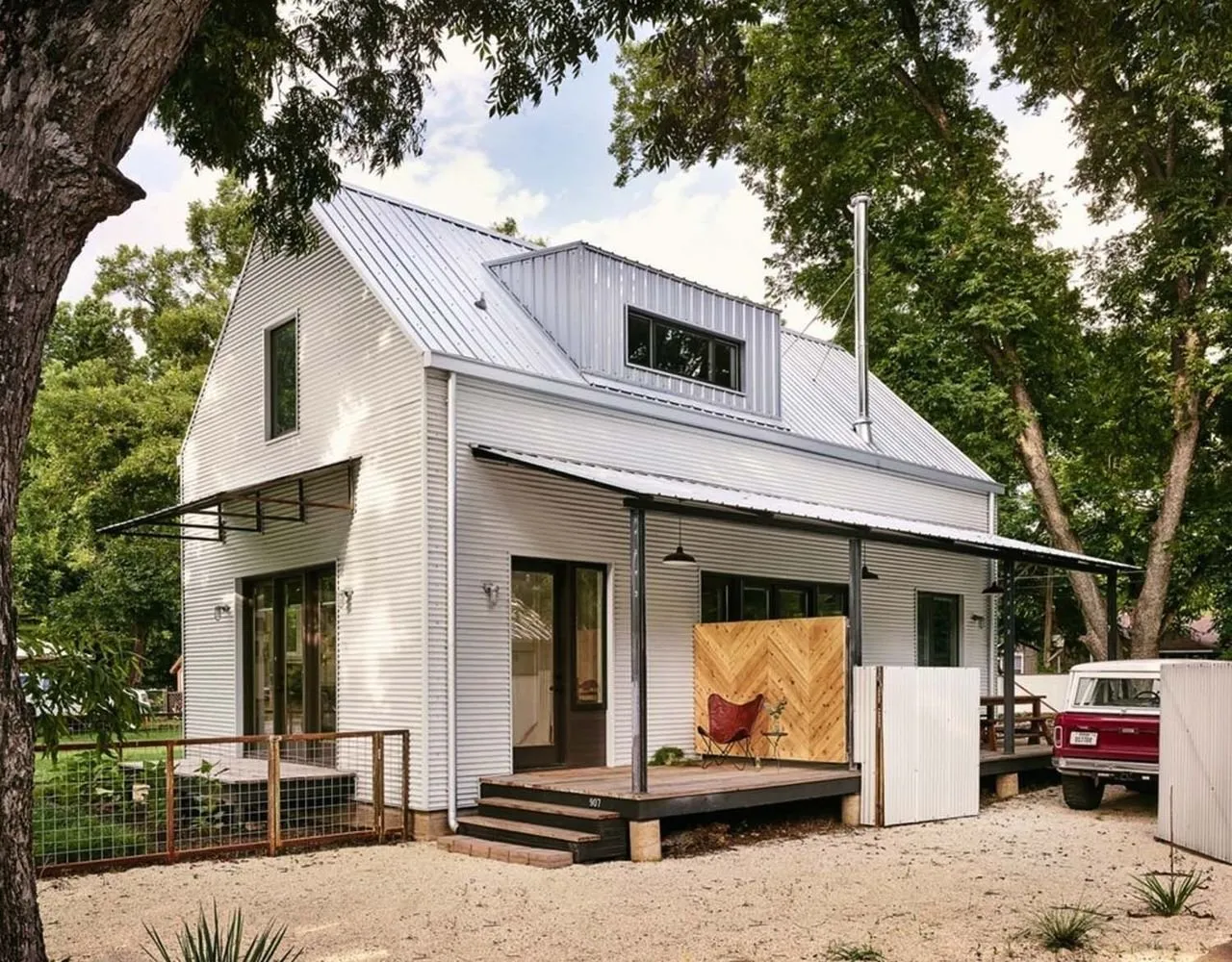
How to arrange paths?
Lay out several routes: main and secondary. Main paths should be wider, while additional ones can use different surfaces and narrower widths.
There is an approach to designing paths on a plot: 'as you walk, so you lay'. But nothing beautiful comes out of it. It will be convenient to move around the plot when you organize logistics correctly.
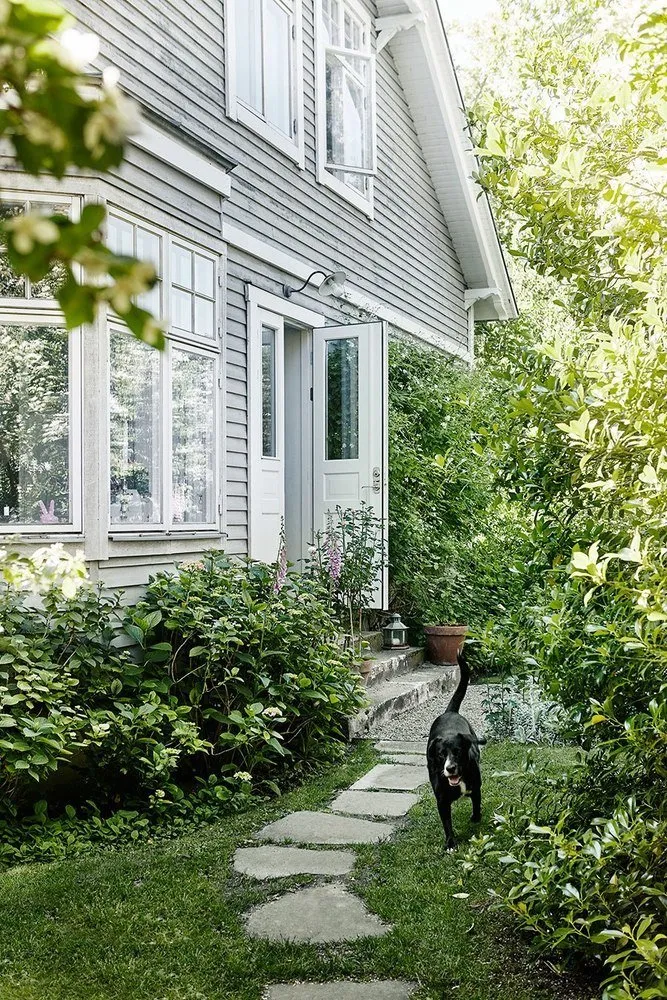
How to calculate the budget for repairs and save money? Together with a professional, we explore what needs to be included in the budget without overpaying.
Where to place a pavilion?
Lately, pavilions no longer serve as places for barbecuing. Now people prefer grills or portable barbecues. They are easy to set up on a terrace: you cook near the kitchen, and it’s always possible to bring something and wash it. Therefore, a terrace should be made larger in size.
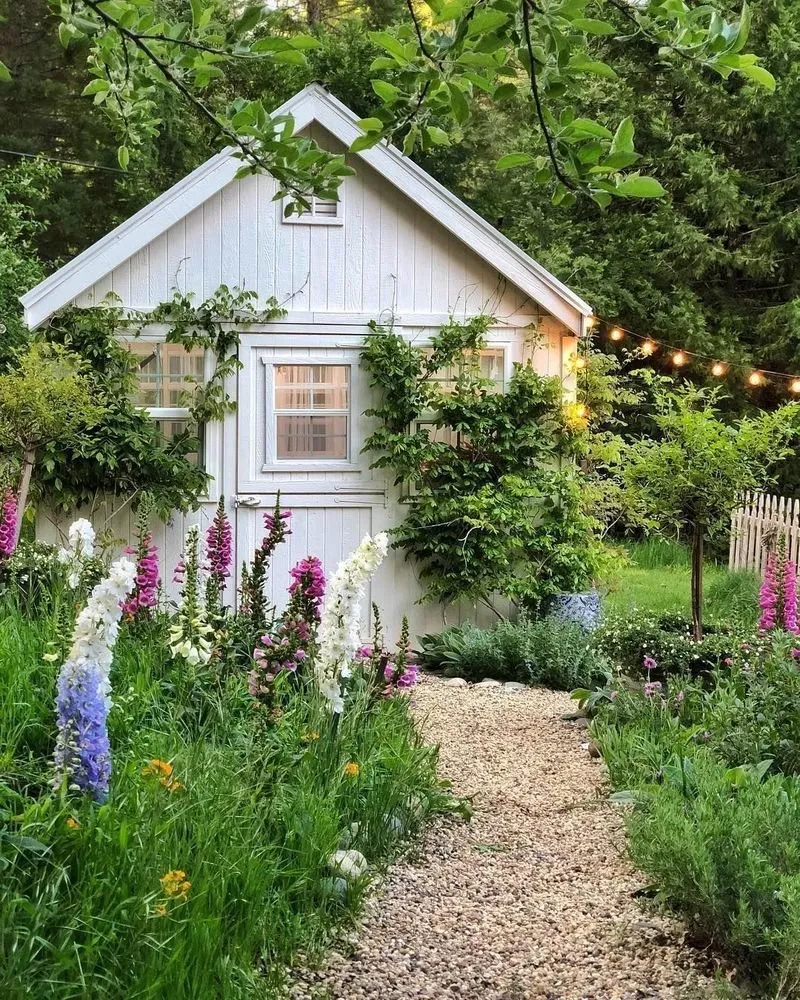
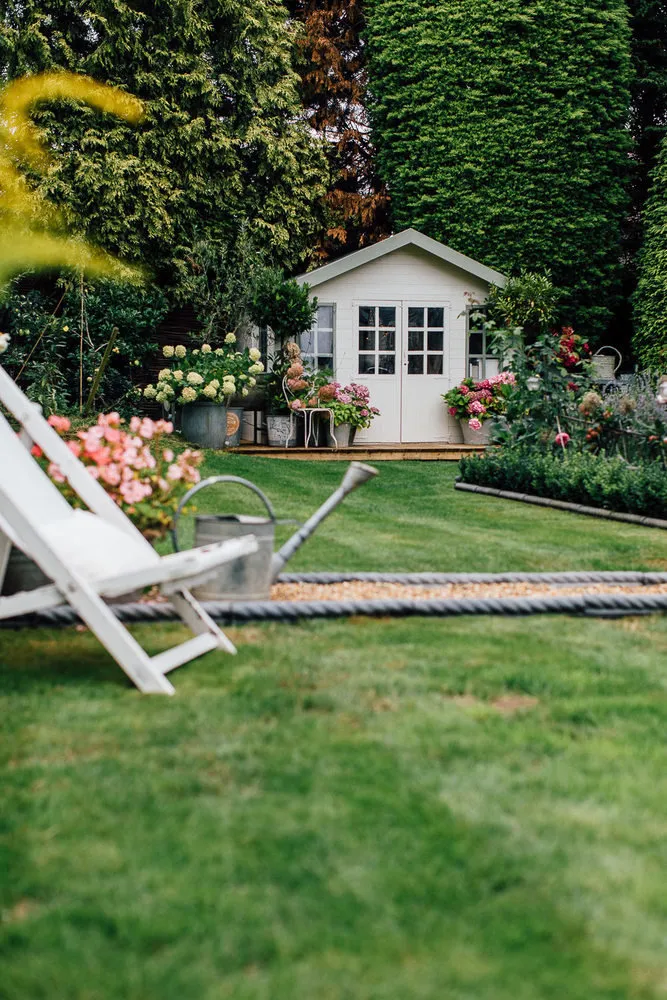
A pavilion can be placed at the far end of the garden. It can be glazed and insulated to use as a summer cabin, office, or library. It’s ideal if the plot has all kinds of outdoor relaxation options: fully open terrace, covered terrace with rain protection, and a fully glazed living room with a view of the plot where it's warm in winter.
Don't forget about the coherence of buildings
Choose one color for all structures on the plot, one shade for roofing, one tone for facades and window openings to keep the plot neat.
Construction usually happens gradually, and the right paint color might not be available, which causes unwanted color spots in the overall palette. Therefore, it's important to plan everything in advance.
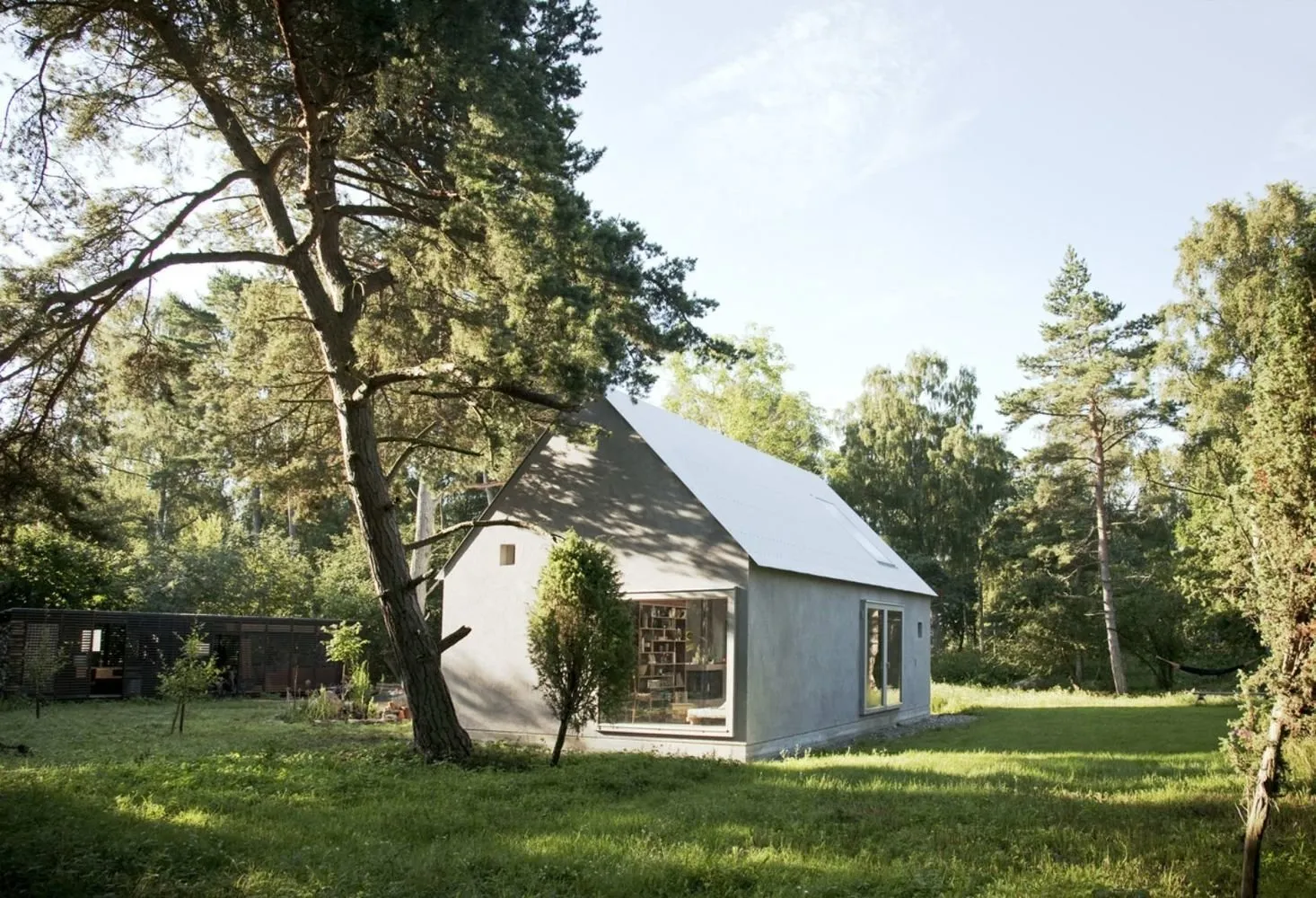
Also consider the environmental factor
If you're located in a Scandinavian pine forest, don't build a palace in Versailles style, and vice versa. The landscape largely determines the architecture of buildings.