How to Choose Plants for a Garden Plot?
Decided to start a garden but haven't figured out what to plant? Experts from Derevo Park share how to make a choice and what to consider when purchasing.
Assess the planting site conditions
This is important for new plants that haven't yet adapted to your soil's characteristics. Check the lighting, soil quality, and terrain. Based on this, experts can select a suitable option.
Look at neighboring plants
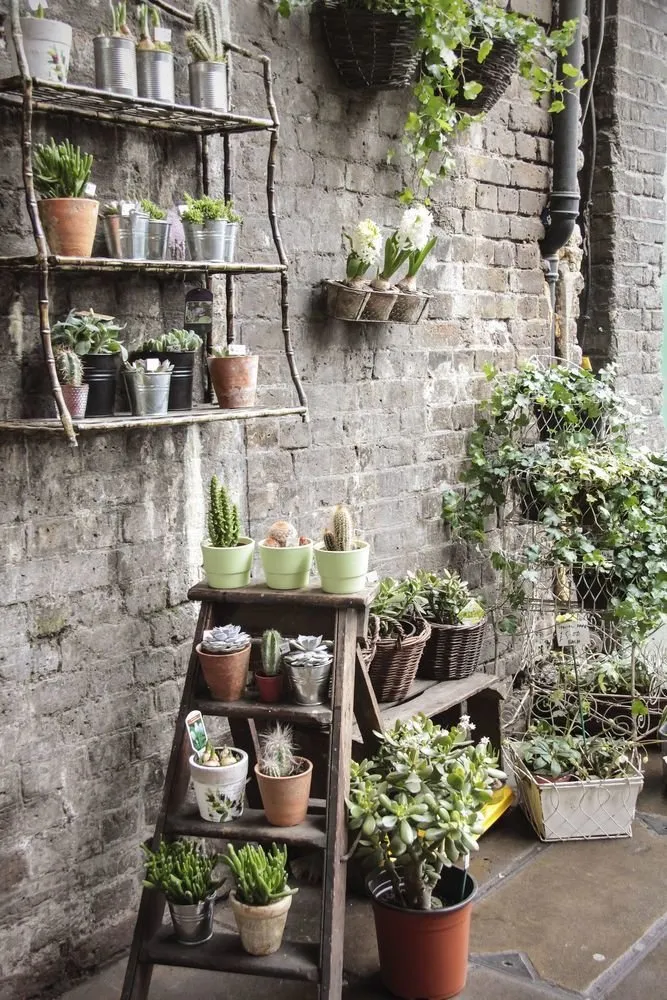
Once you've decided on plant types, take a look around. Do your neighbors grow similar species? Sometimes it's better to get cuttings from a neighbor, especially if they are perennials. Plants on their neighbors' plots have already adapted to local conditions and will easily survive transplanting.
By the way, perennials should be divided and thinned every few years. So you can be sure that plants for your garden will be found among your neighbors.
Choose the right nursery
First, check customer reviews. Ensure that the plant's species, variety, origin, and other information is fully provided.
If it was grown in a nursery, inspect the density of leaves or needles, condition of young shoots, presence of buds or flowers in flowering ornamental plants. Observe color changes in bark, leaves, and shoots, as well as new growth on the vegetative parts.
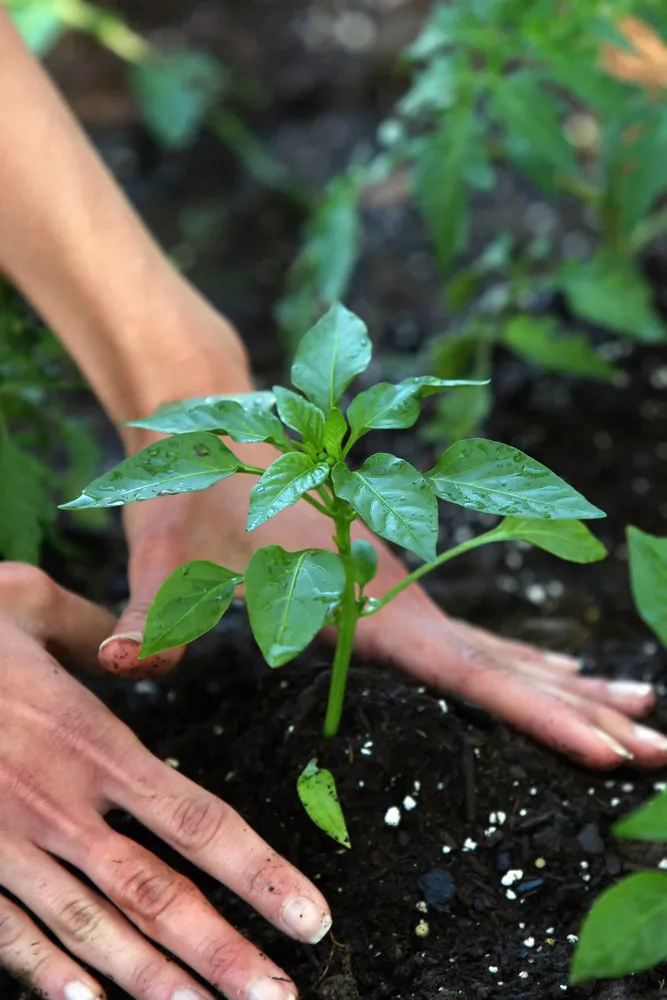
Examine the root system: if it's a perennial in a container or a small shrub, ask the seller to remove it from the pot. If the soil doesn't crumble and roots look fresh, everything is fine.
If the plant is from a European nursery and its condition is satisfactory, find out what hardiness zone it came from. Are you trying to buy a non-winter-hardy Lawson's Cypress (which looks like our yews and junipers) or a magnolia with glycine — these plants won't survive the winter in open ground.
Also, avoid buying saplings from untrustworthy sellers who promise tomato trees, climbing lilac, ampel strawberry the size of an apple, or watermelons for open ground in northern regions.
Pay attention to details
For example, if you need plants for a fruit orchard, find a nearby nursery that grows rootstocks and performs grafting. It's important that the nursery either has its own mother plant stock or purchases grafting material from verified certified suppliers.
Otherwise, you might wait for a long time without success to get a harvest: many garden centers near roads, at fairs, and markets sell southern saplings that won't survive in our climate.
Consult professionals
Especially if you're planning large-scale plantings with large trees. Heavy machinery, up to 100-ton cranes, may also be required.