Designer Tells How to Make a Dark Apartment Lighter
With the arrival of autumn, there is little sunlight. We asked designer Ksenia Mizenkova how to make an interior brighter using a properly chosen color palette, furniture, and decor.
Ksenia Mizenkova is a designer and graduate of the "Details" school, member of AADDI
The Truth About White Color
There is a stereotype that white color expands space and makes it brighter. There is some truth in this — but only when used correctly. Otherwise, white color can ruin an interior.
In classical use of white on walls and ceilings, the space appears light, and boundaries seem to blur. In reality, this technique can be used with almost any color.
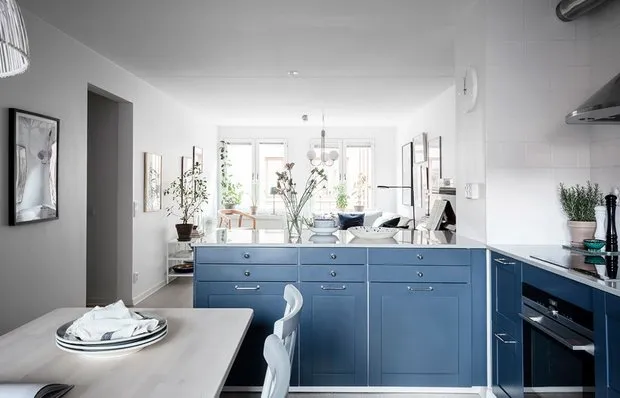
Paint the ceiling one or two shades lighter than the walls to blur the clear boundary between vertical wall and horizontal ceiling. This unifies them into one whole and visually lifts the ceiling. It doesn't matter if it's a pale pink pastel or deep indigo blue.
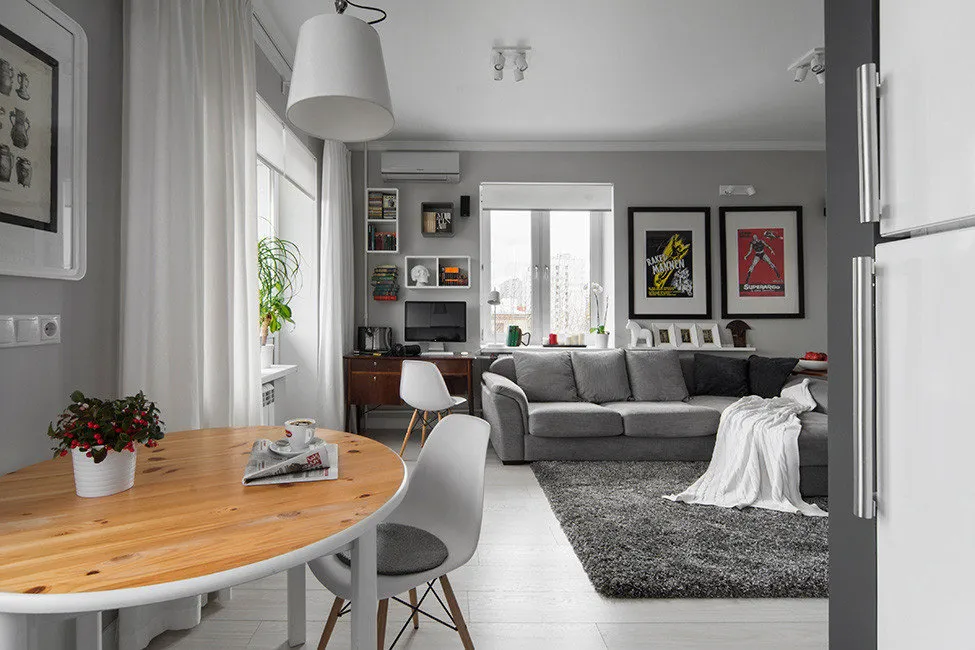
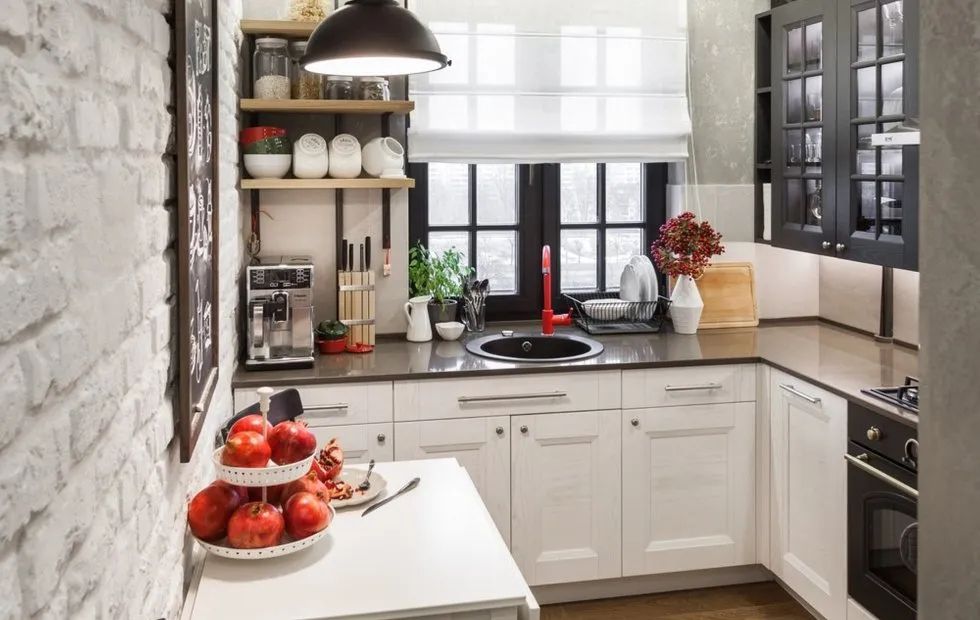
Forget about pure white in finishes. In an interior, it will look "hospital-like" and cold, and with sparse winter lighting — gray. For classic light walls, use a white shade with warm undertones — "cream," "ivory," "eggshell" — various palettes are available from almost all manufacturers.
Remember that with varying amounts of daylight, i.e., in different regions, the same colors look different. The less natural light enters a room, the warmer and brighter the interior color palette should be.
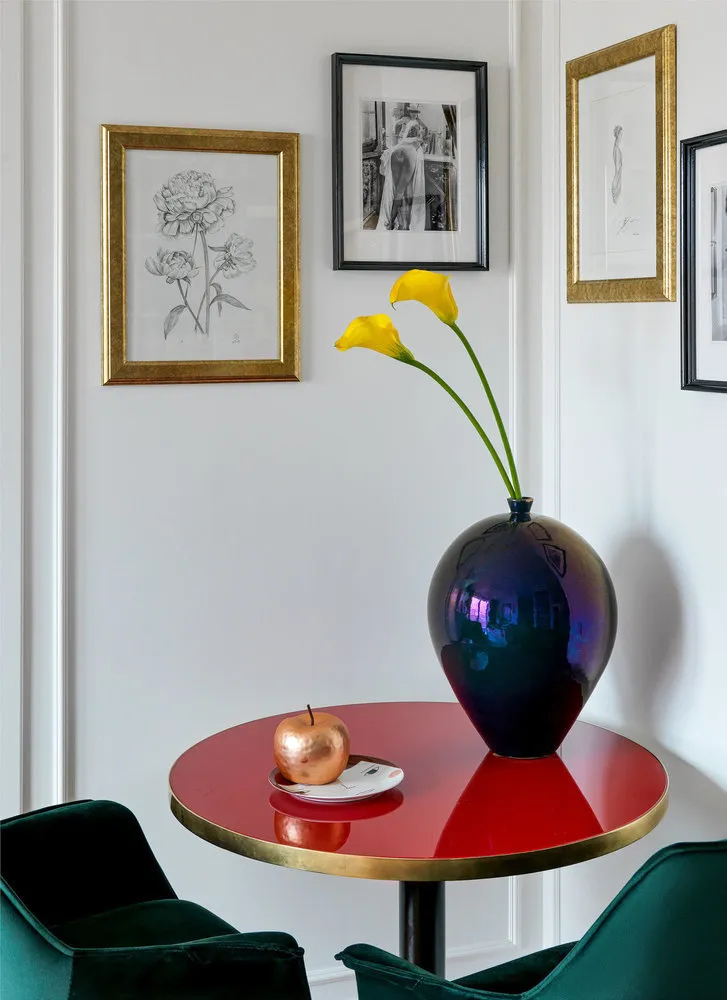
Design: Ksenia Mizenkova
Selecting Furniture
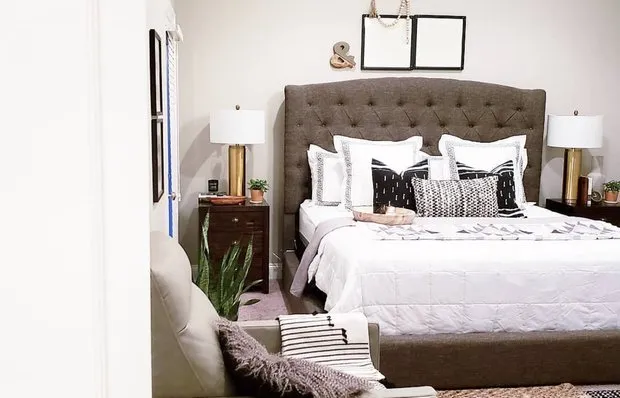
Dark furniture and fabrics absorb light — choose light, visually lightweight models. As an option, glass or mirror countertops and sideboards. They reflect light well, and sunlight rays will sparkle in their facets. Patterns and prints can add volume to the interior.
Glossy finish on furniture and wall tiles also helps. For floors, I prefer matte materials: they look better and are safer.
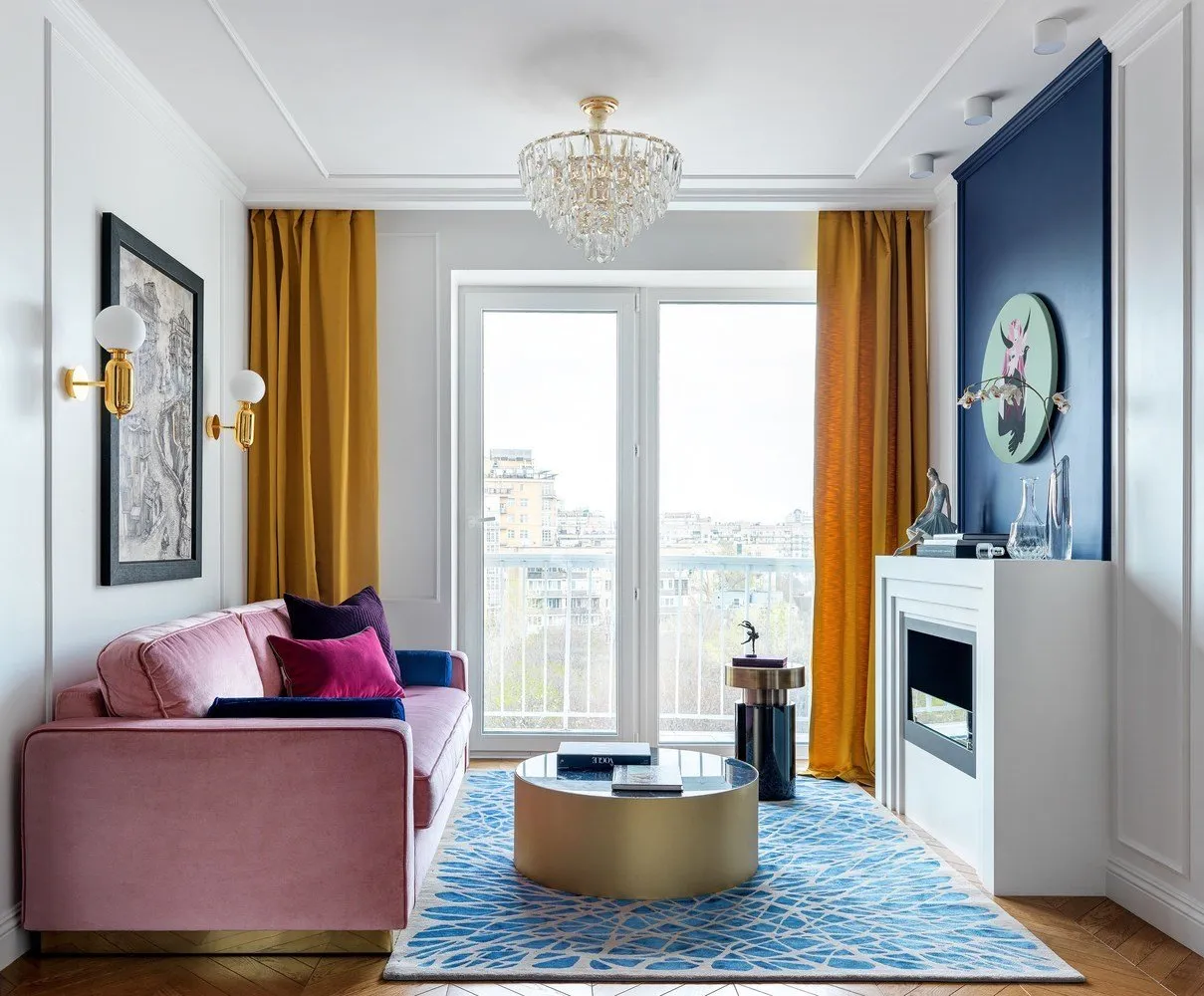
Design: Ksenia Mizenkova
Lighting
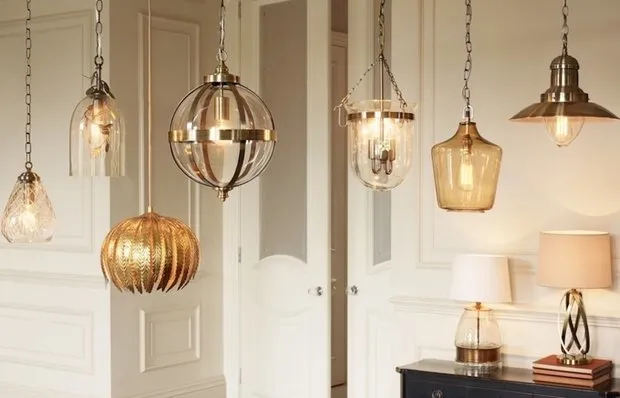
Use multiple light sources — floor, wall, and table lamps instead of a single chandelier in the center. Harsh light from such a chandelier creates dark corners and emphasizes the darkness of the room.
Layered lighting helps create different scenarios and adds a certain mood to the interior — from bright and festive to romantically dim.
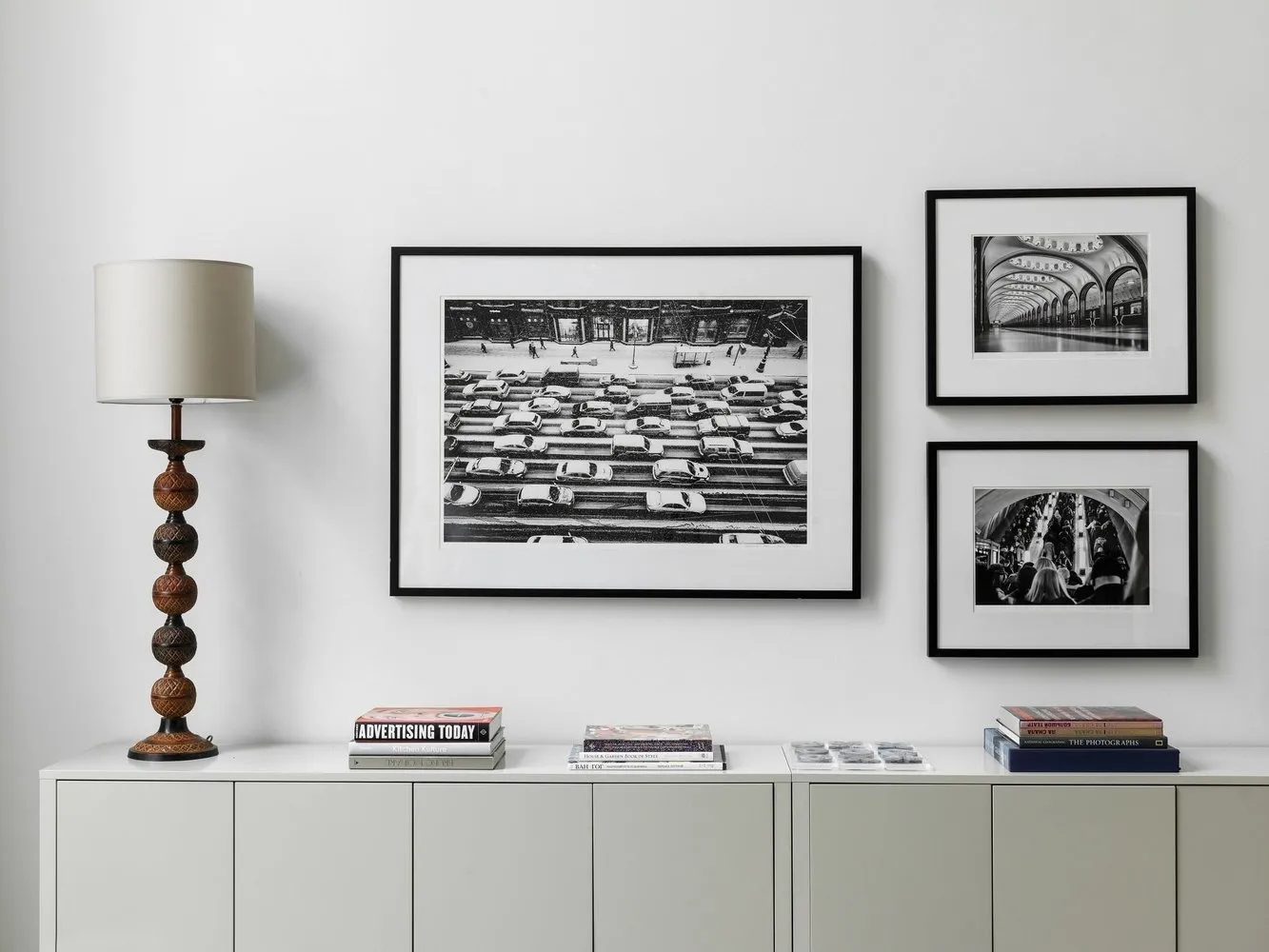
Design: Ksenia Mizenkova
What Else Can Help Add Light?
Mirrors help add light to a dark room. Place them opposite windows or light-colored walls, just make sure that what's reflected in the mirror is clean — ideally, the wall should be free of furniture. Use mirrors with light frames to avoid visually overloading the space.
Use glass doors and partitions in rooms where privacy is not important.
Glass, clear or with stained glass, lets light pass from one room to another. For example, a kitchen wall, office, or dining room can be made of glass and hung with heavy curtains that isolate the space from outsiders when needed.
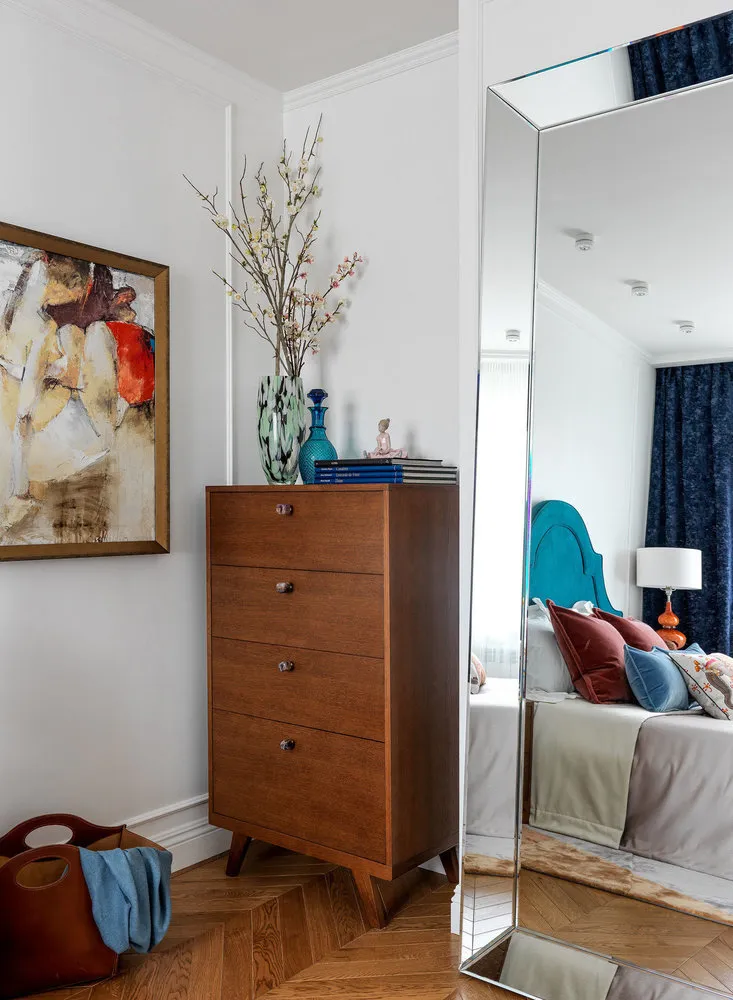
Design: Ksenia Mizenkova
Open windows as much as possible. If you can expand a balcony window to make it French-style, don’t hesitate for even a second.
Use light sheer or curtains on windows. Don’t clutter the window sills with flowers — then much more natural light will enter your apartment.
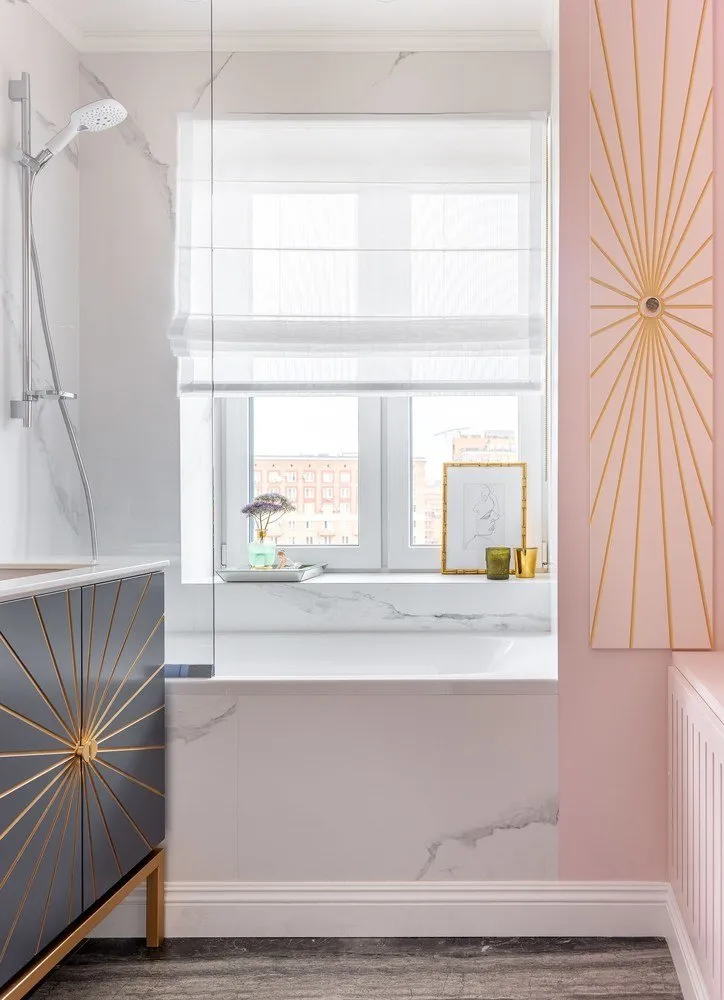
Design: Ksenia Mizenkova