How to Choose a Skirting Board
To do this, you need to choose the right skirting board. The market offers an incredible variety, turning the selection process into a serious and thoughtful task.
Wooden Skirting Board
This type is probably the most popular. Made from solid wood, it is typically crafted from oak, cherry, ash, pine, or spruce. Wooden skirting boards are often used to frame laminate, cork, and parquet floors. They offer several advantages.
First, wood is an environmentally friendly material, which is why wooden skirting boards are frequently installed in children's rooms.
Second, wood is a strong and durable material, so wooden skirting boards can last for decades.
However, untreated wooden skirting boards do not tolerate moisture well, so they should be installed in dry rooms. To extend their lifespan, wooden skirting boards should be coated with varnish or paint. Once treated, they can even be used in saunas. Additionally, a clear disadvantage of wooden models is their relatively high cost, making them most suitable for high-end flooring.
Plastic Skirting Board
This type of skirting board is now a direct competitor to wooden ones. Plastic skirting boards are made from foamed polyvinyl chloride (PVC), which gives them a light weight and high versatility. Almost any design and surface texture can be produced, from wood-like finishes to complex mosaic patterns. Plastic skirting boards are ideal for linoleum, carpet, and laminate flooring. They require no additional treatment, are low-maintenance, resistant to household chemicals, and immune to rot and corrosion.
Unlike wooden skirting boards, plastic models handle temperature fluctuations (especially positive ones) well and require no repairs. Installing plastic skirting boards allows you to run wiring underneath—an advantage not available with wooden models. Moreover, plastic is significantly cheaper than wood, making it a cost-effective choice for most households.
However, despite many advantages, plastic skirting boards have notable drawbacks. They scratch easily and are sensitive to impact. Installation outdoors is not recommended, as plastic becomes brittle in extreme cold, reducing its lifespan. While wooden skirting boards still look more luxurious, modern plastic alternatives are now equally stylish and widely available.
Special Types of Skirting Boards
Sometimes, special rooms with non-standard wall shapes or columns require unique skirting boards. These specialized types are flexible and can cover gaps between floor and walls with various curves and bends. They are made from both plastic (inherently flexible when heated) and specially treated wood. The latter type uses wood modified with special substances to alter its molecular structure. These boards are sold in sealed packaging and harden quickly in air, maintaining their shape.
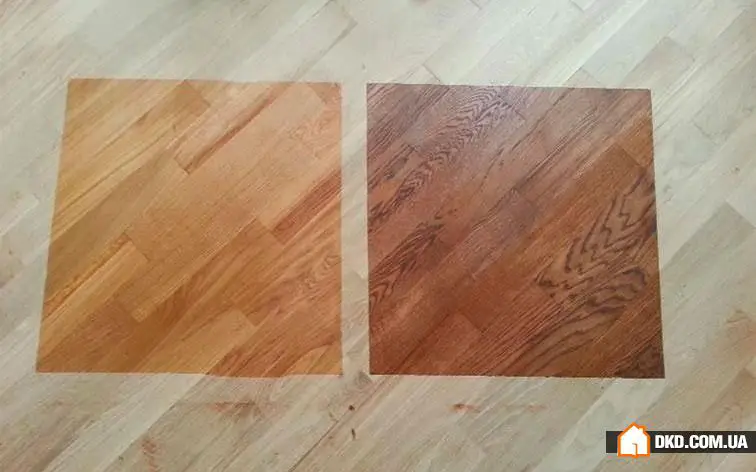
Today, there are countless types and styles of skirting boards. Following these simple tips, you can select a reliable, long-lasting, and visually appealing option. Your choice depends on several factors: flooring type and color, budget, and personal aesthetic preference. When choosing new skirting boards, remember that their color should harmonize with your floor’s tone and texture. When done right, your renovated space will bring joy every time you walk in. Happy shopping!