Bathroom Decoration Options
Bathroom Design
You can decorate a bathroom in any of the existing styles – from strict minimalism to elaborate baroque. Let’s explore a few:
- Classic Style. Bathrooms in classic style reject cheapness and embody elegance and luxury. Walls and floors feature large patterns and are finished with either marble or high-end tiling. Decorative elements such as moldings, columns, drapes, mirrors, and large chandeliers add special charm to the interior. Of course, classic-style bathroom finishing is only possible when the room is sufficiently large.
- Oriental Style. To create a vivid and exotic oriental style, warm color palettes and diverse stylized materials featuring Egyptian and Indian motifs are used. A sunken bathtub, woven furniture, aromatherapy devices, and other unusual accessories harmoniously complement the room’s interior.
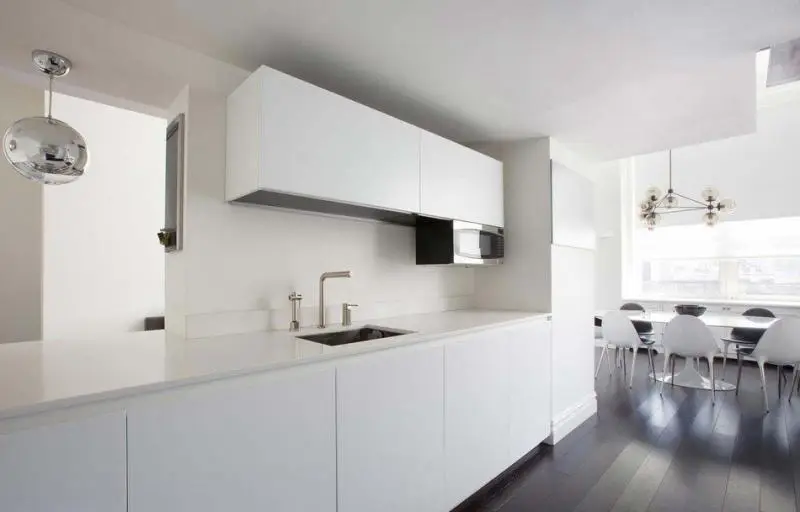
- Hi-Tech Style. This style is remarkably diverse and can be both strict and vibrant. There is no place for non-functional items, and all available space is used with maximum efficiency. Cutting-edge materials, clean lines, and simple forms define hi-tech design.
Bathroom Color Scheme
Color design in the bathroom requires a thoughtful approach. To prevent the space from looking damp, gloomy, cramped, or uncomfortable, and to ensure adequate lighting and a sense of comfort, follow these recommendations:
- The color choice should depend on the bathroom’s location. If it's a separate room in an apartment, you can choose any color while maintaining a consistent style. However, if it's an individual bathroom attached to a bedroom (common in private cottages and high-end apartments), its color and style should match the adjacent room.
- You can use various colors and shades for bathroom finishing. However, since bathrooms are typically small, excessive color variety may further reduce perceived space. It’s better to opt for a monochrome interior. In this case, finishing materials, furniture, and bathroom accessories should be the same color but different shades.
- In a colorful interior, combine no fewer than three and no more than six different colors and shades. Designers recommend a three-color scheme: large surfaces should be light or medium tones, while accents should be darker or bolder. Avoid blending floor and wall finishes with furniture, as this may make the room look visually empty and unwelcoming.
Which Color to Choose?
- Red. This color is recommended for large bathrooms, as it can be overwhelming in small spaces. It pairs beautifully with white, cream, and silver and is ideal for energetic people wanting to recharge with morning energy.
- Blue. Blue can visually push walls back, making it ideal for small rooms. It calms and evokes cleanliness and freshness. Dark blue may negatively affect mood, so opt for lighter shades, which pair well with orange, beige, and gold.
- Green. This is the most commonly used color in bathroom design. It evokes nature and creates the most positive impressions. However, dark, cold, or overly bright green shades may evoke mold and mildew, creating a sense of dampness. This effect can be minimized by combining green with orange, yellow, or cream.
- Yellow. This universal warm and cheerful color pairs well with white, blue, green, and red, making it an excellent choice for both children’s and adult bathrooms. It helps create cozy, sunlit interiors.
- Black. Used in creating elite interiors when combined with gold, silver, gray, or red. To avoid a gloomy feel, black is rarely used in small rooms. If using black accessories, plumbing fixtures, or materials, prefer those with glossy, not matte, finishes.
Bathroom Lighting
Lighting plays a crucial role in bathroom design. With the right combination of recessed or directional lights, you can visually alter the room’s size and hide flaws, highlighting specific elements of the interior.
Many modern designers now prefer natural light over traditional electric lighting. For example, light well technology, using a special mirror system, evenly distributes incoming light. Windows facing adjacent rooms or even outdoors are increasingly common.
Another innovative lighting solution is diffraction gratings installed on glass and reflectors. Sunlight passing through a special barrier disperses into a rainbow effect, creating a joyful atmosphere.
Natural lighting opens endless possibilities for creative design and allows the use of moisture-loving tropical plants. For example, flowering orchids can not only freshen the air with oxygen and exotic scents but also absorb excess moisture, protecting the room from decay and mold growth.