How to Make Your Home Instagram-worthy
Social media has completely transformed how we view residential spaces, giving us an intimate look inside beautiful homes around the world. Between viral room reveals, dedicated YouTube house tours, and curated feeds from interior designers, it is easy to see why so many of us want our living spaces to feel just as elevated. Making your home look camera-ready does not require an enormous renovation budget or a magazine-sized floor plan. Instead, creating an editorial interior comes down to understanding proportion, controlling light, curating meaningful details, and mastering simple smartphone photography techniques.
In this guide, we break down the exact strategies you need to transform your everyday spaces into photogenic, inviting interiors. You will learn how to build a cohesive visual aesthetic, organize clutter without sacrificing practicality, style picture-perfect vignettes, and balance indoor lighting so your rooms look as stunning on screen as they feel in person.
Key Styling Takeaways
- Anchor every space with a balanced three-part palette of a neutral base, a grounding tone, and deliberate accents.
- Conceal daily clutter with closed organizers so architectural features and textures can shine without visual distraction.
- Arrange decorative vignettes in odd groupings of three using varying heights and plenty of negative space.
- Mix matte, porous, and reflective textures like raw timber, honed stone, and linen to create tactile depth under natural lighting.
- Turn off harsh overhead ceiling lights and illuminate evening shots with warm ambient bulbs calibrated between 2700K and 3000K.
- Shoot smartphone photos from chest or navel height with a standard lens to keep vertical wall lines perfectly parallel.
How to Make Your Home Instagram-Worthy: A Practical Guide to Aesthetic Styling and Photography
Establish a Cohesive Aesthetic and Color Palette
Select a dominant neutral, a grounding secondary shade, and one or two subtle accents to give your rooms visual harmony on camera.
Before you purchase new decor or rearrange your furniture, you need a unifying vision that gives your home a deliberate rhythm. A cohesive aesthetic is what separates a thoughtfully designed home from a random collection of trendy objects. When your colors, finishes, and architectural lines communicate with one another from room to room, every photo you take feels like part of a harmonious story rather than a disjointed snapshot.
Curating a Balanced Color Palette
The most photogenic homes typically rely on a disciplined palette composed of three distinct elements: a dominant neutral, a secondary grounding shade, and one or two intentional accents. Cameras often struggle to process rooms packed with competing primary tones, which can translate into visual noise on smaller mobile screens. Selecting warm off-whites, greiges, or soft limewash textures for your walls provides an expansive, luminous backdrop that lets individual furniture pieces shine.
Once you settle on your base, introduce tonal depth through your secondary hues, such as warm taupe, charcoal, olive green, or terracotta. Distribute these accent colors through throw pillows, ceramic pottery, area rugs, and framed artwork so the eye moves naturally through the frame.
Blending Styles Without Visual Confusion
A common pitfall in modern interior styling is trying to embrace every design movement at once. While an eclectic home has plenty of character, blending mid-century modern, coastal cottage, and industrial elements in a single corner can quickly feel chaotic. If you love clean lines and low-slung architecture, you might anchor your master suite with sleek bedroom platform bed designs and balance them with soft linen bedding and organic ceramic lamps.
By letting one primary design style dictate the structural furniture, you give yourself the freedom to weave in subtle vintage or modern accents without confusing the visual hierarchy.
Master the Art of Decluttering and Concealed Storage
Visual stillness is the cornerstone of aesthetic home styling tips, but real life requires cords, paperwork, remotes, and daily essentials. A truly photogenic room is never an unusable museum; it simply incorporates clever, concealed storage solutions that keep daily necessities out of frame. When your horizontal surfaces remain clear of unmanaged clutter, the architectural character of your home can take center stage.
Concealing Tech and Everyday Objects
Tangled charging cables, power strips, and plastic remote controls instantly pull focus in an interior photo. Invest in discreet cable-management boxes, routed desk channels, and charging stations built directly into nightstand drawers. For common living room items, turn functional vessels into decor. A hand-carved travertine catchall or a low rustic wooden bowl sitting on your coffee table provides a dedicated home for keys and remotes while adding textural beauty to your surfaces.
Turning Personal Collections into Curated Statements
Decluttering does not mean stripping your home of your personality or memories. When displayed thoughtfully, even personal collections can become captivating design moments. Think of the sculptural display of graduation caps that lined the Cullen family wall in Twilight: an unexpected, uniform arrangement turned an everyday sentimental object into high-impact contemporary art. Group like objects together in clean grids or uniform framing rather than scattering them haphazardly across the room.
Style Intentional Micro-Moments and Vignettes
Build dynamic micro-moments using the rule of threes, pairing items of varying heights while preserving generous negative space around them.
You do not need to style an entire open-concept living space to capture breathtaking photos for your feed. Focusing on small decorating vignettes allows you to create high-impact, polished compositions without spending thousands of dollars on full-room redesigns. A vignette is simply a curated cluster of complementary items arranged on a surface, such as a credenza, mantle, bedside table, or windowsill.
Applying the Rule of Threes and Triangle Composition
Interior stylists rely heavily on the rule of threes and pyramid composition to create visual harmony. When objects are grouped in odd numbers, the human eye finds the arrangement naturally more dynamic and engaging. You can easily construct an eye-catching vignette by combining items of varying heights, widths, and shapes:
- The Vertical Anchor: A tall branch in an earthenware jug, a sculptural table lamp, or an arched mirror resting against the wall.
- The Mid-Level Weight: A stack of two or three hardcover design books topped with a glass paperweight or candle.
- The Low Accent: A shallow marble dish, a small brass match striker, or a natural tumbled stone.
Arranging these elements in a subtle triangle guides the viewer’s eye smoothly across the composition, making even a tiny corner look intentional and artful.
Creating Breathing Room
One of the most important concepts in aesthetic styling is negative space. It can be tempting to fill every square inch of a bookshelf or sideboard with decorative objects, but visual breathing room gives each individual piece the dignity it deserves. Leave generous empty areas between your vignettes so the eye can rest, ensuring your photographs look curated rather than crowded.
Layer Textures and Materials for Visual Depth
Flat, monochromatic rooms often look washed out and lifeless when translated through a camera lens. Layering contrasting tactile textures is the secret to adding depth, richness, and warmth to your interior photographs. When light washes over varied surfaces, it creates subtle shadows and highlights that make a room feel dimensional and inviting on screen.
To understand how different surfaces translate in photography, consider how materials absorb or reflect light across the frame:
| Material | Visual Quality on Camera | Best Application |
|---|---|---|
| Honed Travertine or Marble | Soft, matte diffusion of light without harsh glare | Coffee table trays, side tables, and pedestals |
| Raw Timber & Reclaimed Wood | Organic warmth, grain variation, and grounding weight | Shelving, accent stools, and architectural beams |
| Bouclé, Velvet, & Heavy Linen | Rich tactile shadows that soften hard architectural angles | Accent chairs, draped throws, and textured cushions |
| Brushed Brass or Matte Black Metal | Crisp structural contrast that defines edges | Lighting hardware, picture frames, and table legs |
| Ribbed or Smoked Glass | Luminous transparency with light-bending texture | Vases, pendant shades, and candleholders |
Mix matte finishes with polished surfaces to keep your room balanced. If you have smooth leather seating, balance it with a chunky wool rug, an unglazed ceramic vase, and a slubby linen throw to produce a layered, cozy setting.
Design Standout Statement Zones Across Your Home
While every corner of your home should feel comfortable, dedicating one or two specific zones as visual focal points provides natural backdrops for photography and social sharing. A well-planned statement area immediately draws the eye, establishing an unforgettable sense of place.
Instagram Worthy Living Room Ideas
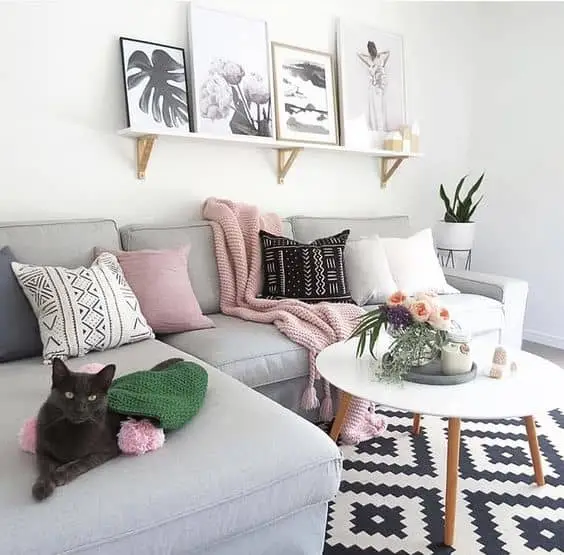
The living room is usually the core of your home’s public persona. Rather than relying on a standard sofa-and-television layout, build a dedicated visual anchor. Consider installing a floor-to-ceiling picture ledge to showcase rotating prints, setting up an architectural bookshelf styled with vintage ceramics and monochromatic volumes, or floating a sculptural statement chair near an arched window.
Adding indoor botanicals also brings life into your living area. A tall fiddle leaf fig, an olive tree in an oversized terracotta planter, or trailing pothos on high shelving introduces organic shapes that soften linear furniture.
Curating an Outdoor Oasis
Outdoor areas provide phenomenal opportunities for natural-light photography and serene lifestyle imagery. Whether you have a compact urban balcony, a gravel courtyard, or a sprawling terrace, focus on creating an outdoor living room that feels as refined as your interior. Arrange timeless, weather-resistant garden furniture around an outdoor rug, add weather-safe cushions in neutral linens, and place potted ferns or lavender nearby. An inviting outdoor dining set or patio bench invites the viewer to imagine sipping morning coffee or entertaining friends alfresco.
Perfect Your Interior Lighting Strategy
Lighting makes or breaks interior aesthetics. Even the most elegantly designed room looks dull and unappealing under poor lighting conditions. To achieve professional-looking interior shots, you must learn to read, filter, and balance both natural light and artificial fixtures.
Harnessing Natural Sunlight
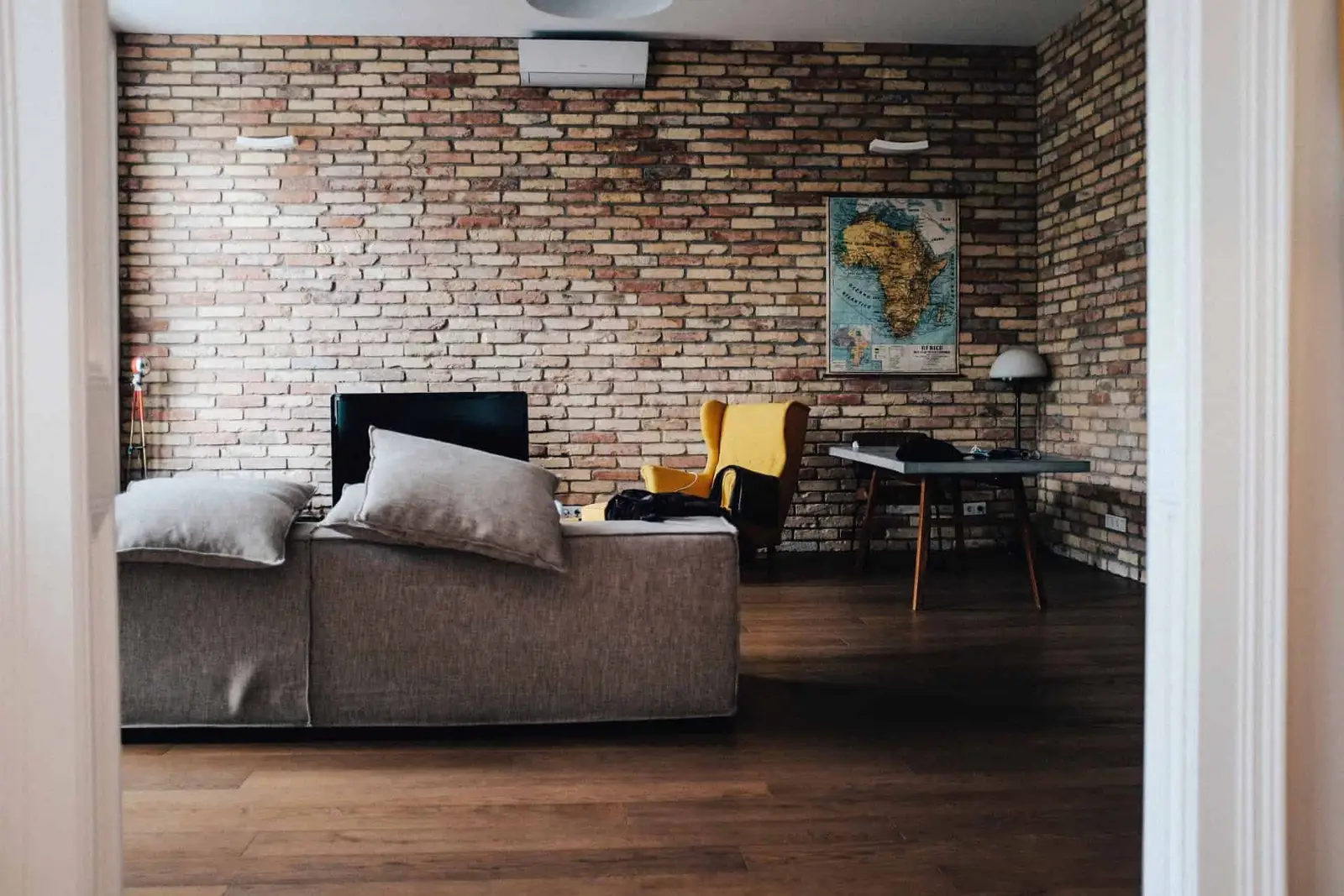
Diffused natural daylight is always the most flattering filter for your home. Direct, harsh midday sun casts intense, high-contrast shadows that can blow out highlights and obscure delicate textures. Whenever possible, take your photos during the morning or late afternoon when light is softer.
If your windows receive direct light, hang sheer white linen or cotton drapes. These diffuse harsh rays into a soft, ethereal glow that illuminates the room evenly and eliminates blinding lens flare.
Managing Color Temperature and Fixtures
One of the most frequent mistakes in interior photography is mixing conflicting color temperatures. Combining cool daylight from a window with yellow, high-wattage ceiling bulbs creates an unnatural orange-and-blue cast that cameras cannot white-balance accurately.
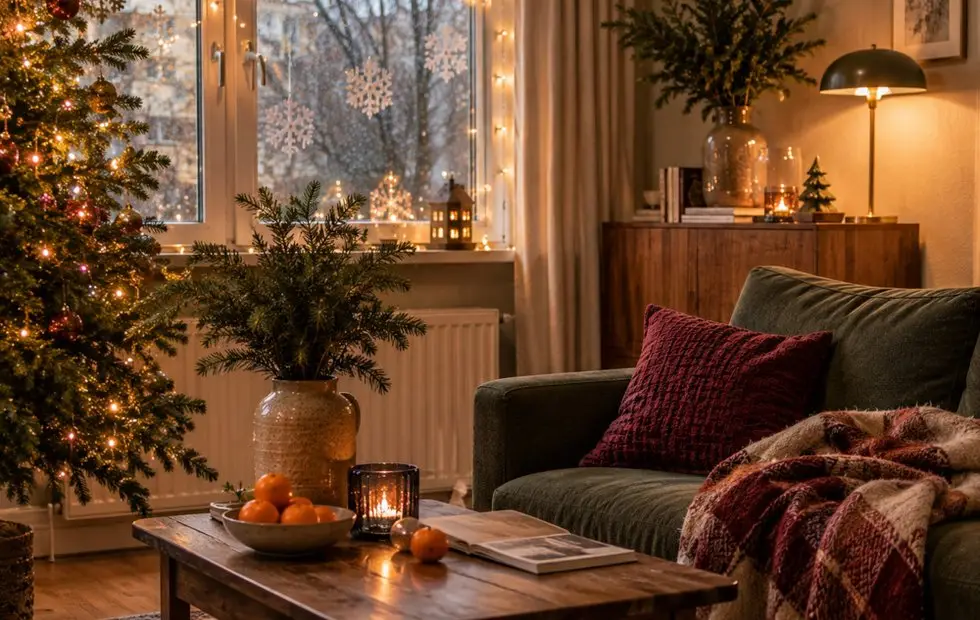
When photographing daytime spaces, turn off overhead central lights and let natural light carry the scene. For evening mood shots or cozy corners, turn on ambient fixtures with warm color temperatures between 2700K and 3000K. Warm Edison bulbs can work great in the dining area if you are going for an intimate cabin feel or a rustic farmhouse look. For sleek, modern spaces, integrating architectural good lighting beneath floating vanities, behind headboards, or along shelving reveals adds a dramatic, soft glow without exposing bare bulbs to the lens.
How to Photograph Your Home for Instagram
Hold your phone at mid-torso height, avoid ultra-wide distortion, and keep vertical lines perpendicular to achieve crisp architectural proportions.
Styling your room is only half the battle; capturing it properly on camera is what delivers that pristine, editorial look. You do not need an expensive DSLR camera to shoot beautiful interiors, but you must respect basic architectural photography guidelines. Modern smartphones are remarkably capable when you use deliberate shooting habits.
Camera Height and Perspective
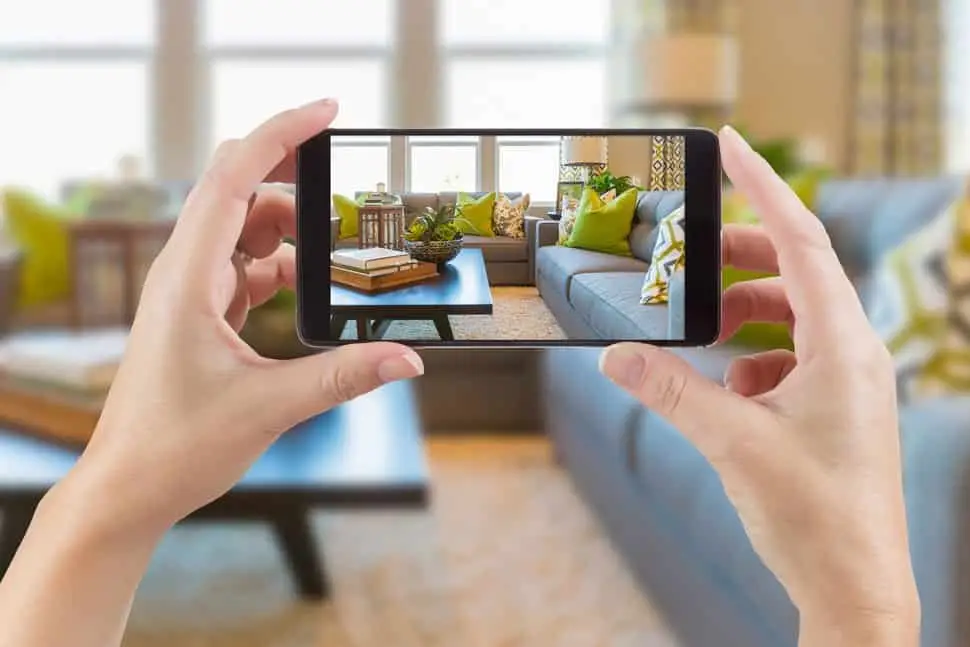
Most people instinctively hold their smartphone at eye level and tilt the lens down toward the furniture. This angle warps vertical walls, causing doorframes and cabinets to look as though they are tipping backward. To maintain clean architectural lines, lower your camera to chest or navel height, roughly midway between the floor and ceiling. Keep your phone perpendicular to the ground to ensure all vertical lines remain parallel.
Framing and Compositional Techniques
Applying structured framing techniques transforms casual snapshots into publication-quality images. Use these fundamental guidelines every time you line up a shot:
- Enable the Camera Grid: Turn on the 3×3 grid feature in your phone settings to help you align vertical walls and horizontal baseboards precisely.
- Choose One-Point or Two-Point Perspective: Shoot directly straight-on to a wall for a structured, graphic one-point perspective, or angle across the room to showcase two walls and the depth of the space. Avoid awkward diagonal orientations.
- Avoid Ultra-Wide Distortion: While ultra-wide lenses capture the entire room, they stretch furniture along the outer edges and warp natural proportions. Stick to standard 1x or 2x optical focal lengths and step back to preserve realistic scale.
- Tap to Expose for Highlights: Tap the brightest area of your screen and pull the exposure slider down slightly. Preserving highlights prevents windows and light-colored fabrics from losing their detail.
Maintain Livability with a Quick Styling Routine
An Instagram-worthy home should never stand in the way of comfortable daily living. You do not need to keep every pillow plumped and every surface spotless around the clock. Developing a sustainable 10-minute reset routine allows you to enjoy a functional home during the week while remaining camera-ready whenever inspiration strikes.
Keep a few woven storage baskets tucked beside sofas and armchairs. When it is time to shoot a quick photo or host guests, gather pet toys, stray shoes, and throw blankets and tuck them into the basket in seconds. Straighten your main rug, smooth the duvet or couch cushions, and wipe down reflective surfaces like glass coffee tables or mirrors. By designing your storage systems to work with your lifestyle rather than against it, maintaining an aesthetic home becomes second nature.
Conclusion
Transforming your living space into an Instagram-worthy home is not about chasing every fleeting trend or investing in costly full-scale renovations. By focusing on a disciplined color palette, layered tactile textures, disciplined clutter management, and flattering natural light, you can bring editorial beauty to any room. Take your time curating meaningful objects, compose deliberate vignettes that celebrate your personal taste, and frame your photos with care. When you style with intention, your home will be a welcoming retreat for everyday life and an inspiring space worth sharing with the world.