How To Create A Space For Your Pet
Bringing a dog or cat into your home enriches your daily routine, promotes active habits, and offers genuine emotional comfort. Taking care of a pet can also help build your immunity against allergies and improve your general health. Yet sharing your living environment with an animal often introduces practical design challenges, from scattered toys and chewed upholstery to awkward plastic crates sitting in high-traffic hallways.
Designing a thoughtful, dedicated pet space at home allows you to satisfy your animal’s natural instincts while preserving the beauty and balance of your interior decor. When planned with proper scale, durable materials, and quiet architectural boundaries, a pet sanctuary provides your companion with a secure retreat and keeps your broader living areas tidy and stylish.
Key Takeaways
- Design distinct zones for sleeping, feeding, and playing to support natural animal hygiene and prevent daily household clutter.
- Give dogs a secure three-sided ground nook with visible sightlines, while providing cats elevated vertical wall perches.
- Select scratch-resistant, water-impermeable flooring such as porcelain wood-look plank or commercial-grade luxury vinyl tile.
- Protect surrounding cabinetry by integrating built-in feeding stations with non-porous silicone mats or glazed tile backsplashes.
- Specify durable, tightly woven performance textiles like microfiber or solution-dyed acrylics instead of delicate loose weaves.
- Establish a firm household rule ensuring resting pets in their dedicated nook remain 100% undisturbed at all times.
How to Create a Dedicated Space for Your Pet at Home
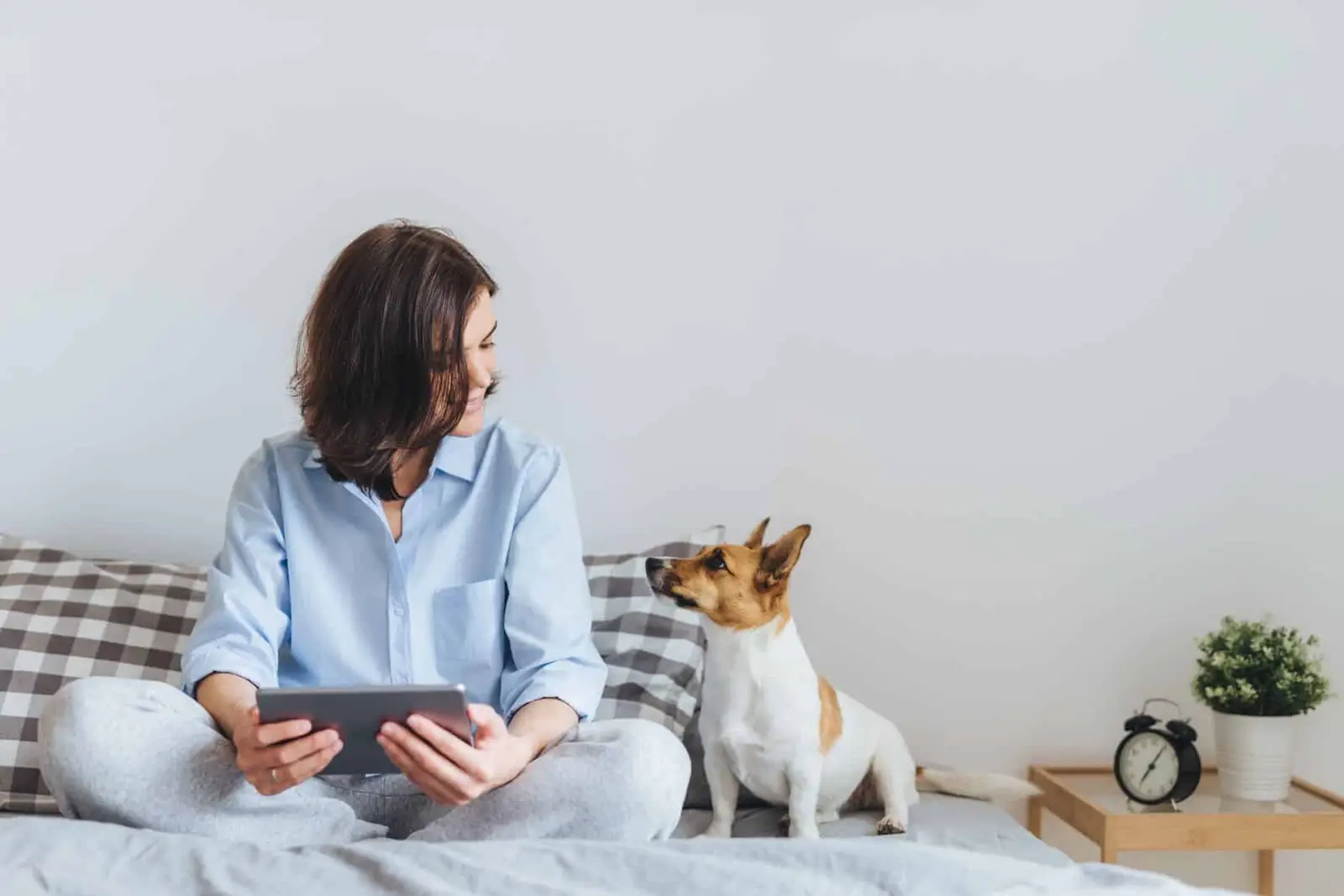
Understanding Animal Psychology: Canine Dens vs. Feline Vertical Territory
Match your pet’s instinctual needs by giving dogs low, three-sided ground dens and offering cats elevated wall perches with open vantage points.
Before selecting furniture or choosing color palettes, you must understand how your pet perceives domestic territory. Dogs and cats experience indoor architecture through fundamentally different behavioral instincts, which should directly inform where and how you build their personal zones.
Canines descend from den-dwelling ancestors and instinctively look for low, enclosed environments that provide security from unexpected perimeter movement. A safe space for dogs mimics a protected den, shielding them on three sides while keeping an open sightline toward the family room. Dogs prefer resting spots located along the edge of everyday family life, where they can watch household activity without being bumped by foot traffic or startled by opening entry doors.
Cats, conversely, thrive on three-dimensional territory. Felines use vertical height to survey their surroundings, manage environmental stress, and establish territorial confidence. Instead of a floor-level nook, a cat retreat functions best when incorporated into vertical wall space:
- Floating wall shelves with sisal or carpet inserts that give secure footing.
- Tall scratching posts placed near sunny windows to satisfy climbing urges.
- High wall perches and enclosed hammocks positioned above head height for quiet surveillance.
- Stepped bookcases that offer an elevated vantage point away from children and other animals.
Selecting the Ideal Location for Your Pet Retreat
The location you choose determines whether your pet actually adopts the space or ignores it entirely. Placing a pet bed in a completely isolated basement or an echoing garage can cause anxiety, whereas dropping it in the middle of a bustling kitchen entry leads to constant sleep disturbances.
Look for underutilized architectural recesses that naturally offer shelter without abandoning household proximity. Excellent candidates include laundry rooms, enclosed alcoves off a study, awkward corners beneath an open staircase, or the recessed lower portion of a hallway linen cabinet.
| Location Option | Primary Advantages | Potential Drawbacks | Best Suited For |
|---|---|---|---|
| Pet nook under stairs | Uses dead square footage; natural three-sided enclosure; central yet quiet | Requires custom carpentry; limited vertical height for cats | Medium to large dogs seeking den-like seclusion |
| Dedicated utility or laundry room | Easy-to-clean tile flooring; access to water lines; out of guest sight | Noisy appliance cycles can cause anxiety during spin cycles | Multipurpose grooming, feeding, and nighttime sleeping |
| Living room built-in alcove | Keeps pet connected to daily family social life; seamless joinery | Requires stricter aesthetic coordination to hide pet clutter | Social dogs and apartment-dwelling pets |
| Home office corner or window bay | Low daytime disruption; excellent natural light and quiet warmth | Less utility access; restricted space for food and water storage | Cats and companion dogs that stay close while you work |
Functional Zoning: Separating Rest, Feeding, and Play
Separate sleeping, dining, and play areas across your floor plan to maintain animal hygiene and contain everyday pet messes.
A frequent mistake in pet-friendly interior design is grouping bedding, water dishes, and interactive toys into a single tight corner. Animals prefer distinct spatial separation between where they sleep, where they consume meals, and where they engage in active play.
In the wild, animals avoid consuming food and water right next to their primary sleeping quarter or waste area to protect hygiene. Dividing your pet space into distinct functional zones creates an orderly routine and eliminates household messes. Establish clear boundaries across your floor plan so each activity has a dedicated surface:
- The Resting Zone: A draft-free, temperature-controlled sanctuary reserved solely for deep sleep, fitted with supportive bedding and calm, muted lighting.
- The Hydration and Dining Zone: A dedicated, easy-clean station situated away from the bed to prevent damp bedding and food contamination.
- The Activity and Play Zone: An open area with resilient flooring, accessible toy bins, and vertical climbing structures for daily enrichment.
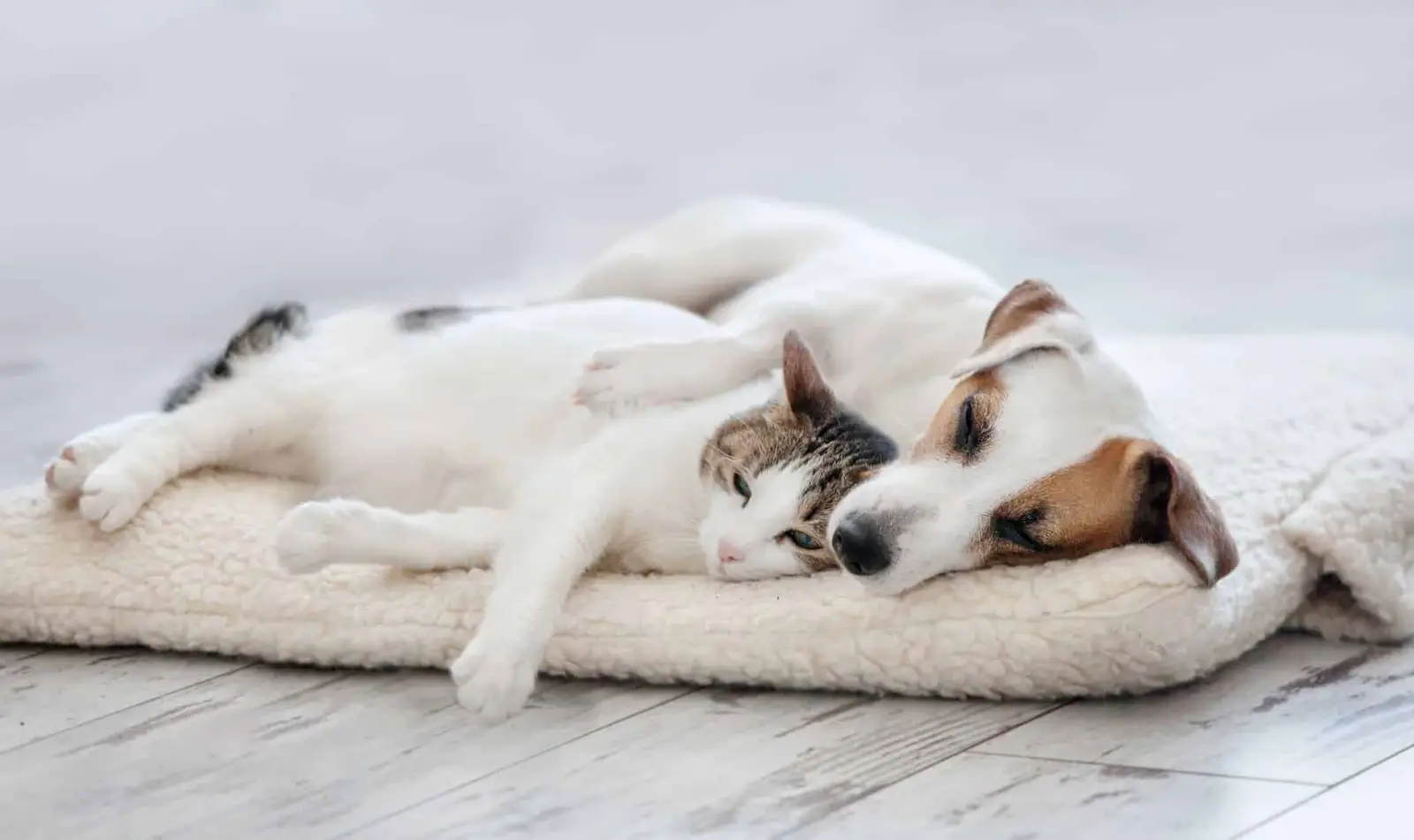
Designing a Restful Sleeping Sanctuary
Sleep allows your pet to divert their energy to growth, and repair any damaged muscles and joints in their body. Getting enough uninterrupted rest enables animals to regulate their nervous systems and maintain physical vitality throughout their lives.
Invest in Ergonomic and Washable Bedding
A flimsy foam pad or thin blanket rarely gives an animal adequate skeletal support, especially as they mature. Choose an orthopedically designed mattress with multi-density memory foam that cushions pressure points along the hips, elbows, and spine. Ensure the exterior cover features durable upholstery fabric such as commercial-grade canvas, microsuede, or Crypton weave with hidden, chew-resistant zippers. Removable, machine-washable covers are essential for washing away dander, dust mites, and bacteria on a regular cycle.
Integrate Built-In Sleeping Nooks
If you prefer an uncluttered floor plan, consider integrating the pet bed directly into your architectural millwork. Replacing the lower cabinet doors of a kitchen island, library bookcase, or hallway credenza produces a recessed sleeping grotto that looks custom-built. Painting the interior niche in a rich, warm tone and lining it with a plush, tailored cushion yields an intentional architectural feature that complements your overall interior scheme.
Creating an Integrated Hydration and Feeding Station
Loose stainless steel or ceramic bowls floating on a kitchen floor create continuous splash zones and tripping hazards. Integrating feeding equipment into your cabinetry keeps pathways clear and maintains pristine floor finishes.
The Benefits of a Built-In Dog Feeding Station
A dog feeding station built in to a cabinet run or the side of an island organizes mealtime routines while protecting surrounding baseboards. These stations elevate food and water dishes to an ergonomic height suited to your pet’s shoulder line, which can ease neck strain and improve digestion. You can construct a shallow pull-out drawer at floor level that holds dual stainless-steel bowls, allowing you to slide the entire meal station completely out of sight when guests arrive.
Water Access and Moisture Management
Pets need consistent access to clean water to support kidney function and stay properly hydrated throughout the day. When setting up a built-in feeding alcove, consider these practical protective details:
- Line surrounding wall surfaces with glazed porcelain tile, quartz slab backsplashes, or water-resistant beadboard.
- Use non-porous silicone trays underneath elevated bowls to catch water drips before they touch wood cabinetry.
- Avoid porous natural marbles or untreated unsealed stones that etch and stain when exposed to acidic food spills.
- In larger renovations or dedicated mudrooms, install a convenient wall-mounted pot filler faucet directly above the water basin for effortless daily refills.
Durable, Pet-Friendly Materials and Finishes
Choose scratch-resistant luxury vinyl or porcelain tile, paired with tightly woven performance fabrics like Crypton or microfiber to resist claws and spills.
High-end interior design and companion animals can comfortably coexist when you specify resilient surfaces from the outset. Selecting materials that resist claw abrasions, liquid spills, and pet dander spares you ongoing maintenance stress and premature replacement costs.
Pet-Friendly Flooring Choices
Hardwood flooring often suffers under the impact of pet nails, trapped moisture, and accidental puddles. If you want the timeless warmth of wood without the vulnerability, consider porcelain wood-look planks or commercial-grade luxury vinyl tile (LVT). These modern options provide authentic visual texture, excellent slip resistance for running paws, and complete water impermeability. For homes with existing hardwood, opt for harder domestic species such as white oak or hickory finished with matte, wire-brushed polyurethanes that naturally camouflage micro-scratches.
Performance Textiles and Non-Toxic Finishes
When selecting upholstery for nearby accent chairs, built-in banquettes, or custom pet cushions, avoid delicate loose-weave fabrics like linen, bouclé, and silk that trap claws and collect fur. Instead, specify high-performance textiles engineered with tight, impenetrable weaves:
- Solution-Dyed Acrylics: Highly UV-stable, stain-resistant outdoor-grade fabrics that withstand heavy scrubbing and bleach-clean solutions.
- Microfiber and Microsuede: Smooth, tightly woven synthetic surfaces that resist snagging and allow shedding fur to be wiped away with a rubber lint brush.
- Zero-VOC Paints: Water-based wall paints that release no hazardous volatile organic compounds, protecting the acute respiratory systems of dogs and cats.
- Washable Area Rugs: Low-pile, stain-treated flatweaves paired with waterproof non-skid underlayment pads to prevent slipping on smooth floors.
Incorporating Enrichment, Toy Storage, and Organization
Mental stimulation is very important for pets as this can help them ward off stress and improve their mental health. Providing structured cognitive enrichment channels their energy constructively, which keeps them from chewing architectural woodwork or scratching up doorways.
Rotate enrichment toys regularly so novelty remains high, and keep items orderly with dedicated storage solutions:
- Low Woven Baskets: Sturdy canvas or split-wood bins placed at floor level allow independent dogs to select their own toys without tipping over containers.
- Concealed Drawer Storage: Dedicated deep drawers in your mudroom or sideboard keep treat jars, puzzle feeders, leashes, and grooming brushes entirely concealed.
- Age-Appropriate Toy Selection: You should only buy toys appropriate for your pet’s age because buying anything that is too soft or hard for them can compromise their health and safety. Delicate puppy teeth require softer rubber compounds, whereas vigorous adult chewers need puncture-resistant, dense vulcanized rubber.
- Vertical Scratching Surfaces: Wall-mounted sisal panels mounted beside door frames redirect instinctive feline marking behavior away from delicate millwork and furniture legs.
Establishing Behavioral Boundaries and Household Routines
Building an attractive pet sanctuary is only half the formula; your household must also adopt clear behavioral habits to make the retreat feel genuinely safe to the animal. A retreat loses its protective value if an animal is pursued or disturbed while resting inside it.
If your pet is accustomed to sleeping directly in your bedroom, transitioning them to a new dedicated nook requires patience, positive reinforcement, and consistent routines. Feed meals in the new space, place comforting bedding carrying your scent in their basket, and offer healthy rewards when they explore the niche willingly.
Most importantly, educate all family members, children, and visiting guests on one non-negotiable household rule: whenever your pet retires to their dedicated nook, they must remain completely undisturbed. Treating the space as an off-limits personal sanctuary reassures your pet that they have full control over their environment, preventing reactive stress and fostering long-term emotional well-being throughout your shared home.
Creating a Harmonious Home for You and Your Pet
Creating a beautiful, practical space for your pet does not require compromising the aesthetic integrity of your interior design. By respecting the fundamental psychological differences between dogs and cats, designating separate functional zones, specifying performance materials, and weaving custom niches into your architectural floor plan, you establish a balanced household where every family member can thrive. A well-executed pet retreat delivers lasting peace of mind, simplifies maintenance, and provides your four-legged companion with the quiet, secure haven they deserve.