Smart Plumbing Technology Trends On the Horizon!
Home automation has moved far beyond app-controlled light bulbs and robotic vacuums. Today, the most impactful upgrades happen behind your drywall and under your sinks, transforming how water enters, circulates through, and leaves your living space. Smart plumbing technology merges digital precision with mechanical engineering to protect your home from costly water damage while drastically cutting utility waste. In this comprehensive guide, we will explore how automated leak detection, connected fixtures, intelligent heating, and sustainable water reuse redefine residential design and daily living.
Water-related disasters remain among the most frequent and expensive property insurance claims homeowners face. A single split supply line under an upstairs vanity can unleash hundreds of gallons per hour, ruining hardwood floors, plaster ceilings, and structural framing within minutes. If you are away on vacation, a burst pipe can cause catastrophic structural rot and mold growth long before anyone discovers the flood. Modern smart water systems mitigate these hazards by giving you real-time visibility and automated control over your entire plumbing infrastructure.
Smart Plumbing Essentials
- Smart plumbing upgrades replace passive pipes with digital flow sensors, automated shutoff valves, and high-efficiency fixtures to protect homes from water damage and conserve utilities.
- Inline smart shutoff valves actively monitor water pressure and flow rates to isolate broken pipes within seconds before flooding occurs.
- Digital showers and smart toilets drastically cut domestic consumption by regulating water volume, stabilizing temperatures, and pausing flow when unneeded.
- Smart recirculation pumps learn daily household routines to deliver immediate hot water only when needed, reducing utility bills and eliminating standby energy waste.
- Installing whole-home smart shutoff systems typically earns homeowners a 5% to 15% reduction on property insurance premiums while reducing overall water use by 20% to 40%.
Smart Plumbing Technology: The Modern Guide to Home Water Management and Fixtures
Smart Leak Detection Systems and Automatic Shutoff Valves
A layered defense pairing an inline automatic shutoff valve on your main line with wireless point-of-use sensors provides reliable protection against catastrophic pipe bursts and hidden micro-leaks.
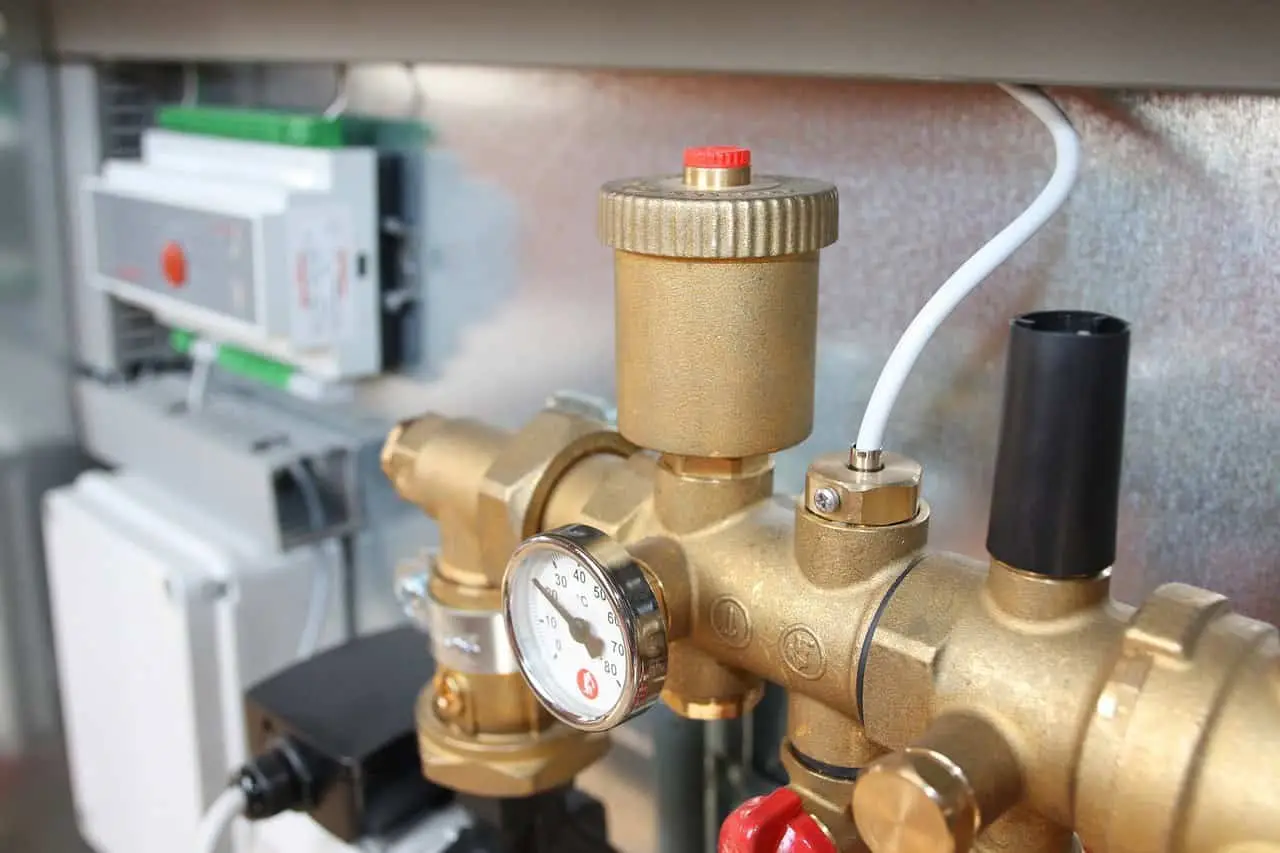
The foundation of any smart plumbing ecosystem begins where municipal or well water enters your property. Traditional plumbing is passive, meaning water sits under constant pressure until a valve opens or a pipe fails. Whole-home smart leak detection systems actively supervise this pressurized network, translating physical fluid dynamics into actionable digital insights. By continuously analyzing volumetric flow, baseline pressure, and water temperature, these systems identify catastrophic bursts and hidden pinhole leaks before structural surfaces absorb moisture.
Automated pipe monitors, historically known as brain pipes, attach directly to your main water supply line. Rather than waiting for water to puddle across a subfloor, these smart hubs use ultrasonic or acoustic pressure sensors to measure minute fluctuations across the entire pipe network. When the system detects continuous flow that deviates from your household habits, or a sudden drop in line pressure that signals a broken fitting, it alerts your smartphone and automatically engages an integrated shutoff valve to isolate the home within seconds.
Homeowners often weigh point-of-use sensors against whole-home inline monitors when planning a renovation. Understanding their operational differences helps determine the right balance between budget, installation complexity, and protection level.
| Monitoring Approach | Installation Location | Detection Method | Protection Scope | Primary Advantage |
|---|---|---|---|---|
| Point-of-Use Smart Sensors | Under sinks, appliances, and water heaters | Direct moisture contact on floor probes | Localized to immediate appliance perimeter | Low cost, zero pipe cutting, simple DIY setup |
| Ultrasonic Whole-Home Monitors | Main supply line after the primary meter | High-frequency sound wave transit time | Entire home, down to micro-drips in walls | Non-invasive flow tracking without moving parts |
| Pressure-Wave Inline Monitors | Main incoming line with integrated valve | Micro-pressure decay tests when lines are idle | Every pressurized fixture and concealed pipe | Automatic shutoff stops leaks before pooling occurs |
For optimal resilience, we recommend a layered defense strategy. Inline shutoff valves handle invisible supply line ruptures and municipal pressure spikes, while wireless point-of-use puck sensors provide redundant coverage beneath dishwashers, washing machines, and refrigerator ice makers.
Connected Bathroom Technology: Fixtures for Comfort and Hygiene
Smart bathroom upgrades combine intuitive user comfort with significant resource conservation. Today’s architectural fixtures integrate electronic controls seamlessly into minimalist brassware and sanitaryware, eliminating visual clutter while delivering personalized experiences. By replacing purely mechanical valves with microprocessors and digital interfaces, the modern bathroom operates with surgical precision.
Smart Toilets and Bidets
Modern smart toilets and electronic bidet seats represent a significant leap forward in residential hygiene and water stewardship. These fixtures utilize dual-flush motorized actuators that calibrate rinse volume based on use, cutting water volume far below conventional gravity toilets. Advanced models feature hands-free proximity lids, integrated warm-air dryers, heated ergonomic seating, and UV self-sanitizing bidet wands that eliminate the need for harsh chemical cleaners.
Emerging luxury models also introduce health-monitoring diagnostics into residential spaces. Integrated sensors can analyze flow metrics, track hydration levels, and detect subtle biomarker anomalies, alerting you to changes through encrypted health applications. From an architectural planning perspective, remember that these units require a dedicated GFCI electrical outlet positioned within 2 to 3 feet of the toilet rough-in, as well as a minimum incoming dynamic water pressure specified by the manufacturer.
Digital Shower Systems
Digital shower systems eliminate the frustrating trial-and-error of balancing hot and cold manual handles. Instead of wasting gallons down the drain while waiting for the shower to reach an acceptable temperature, an electronic thermostatic mixing valve blends water precisely to your programmed degree setting before diverting flow.
Key functional advantages of digital shower installations include:
- Personalized user presets: Family members can instantly recall their preferred water temperature, spray intensity, and body jet configurations with a single touch or voice prompt.
- Warm-up and pause functions: The system brings water up to your exact target temperature and then pauses water flow until you step inside, preventing valuable heated water from pouring down the drain unattended.
- Integrated digital timers: Programmable visual or audio cues encourage mindful water conservation, helping busy households keep utility bills under control.
- Remote activation: You can start your shower routine from an app or bedside smart display so your bathroom is pre-tempered and ready on chilly mornings.
Touchless Faucets and LED Temperature Monitors
Touchless faucets have transitioned from commercial restrooms into high-end residential kitchens and powder rooms. Modern residential sensors use infrared or capacitive proximity sensing to trigger instantaneous flow, stopping germs from transferring to handles during food preparation or handwashing. Many contemporary designs also incorporate intuitive LED indicators embedded directly into the spout or aerator ring.
These LED temperature monitors provide instant visual safety cues. The light glows blue when water flows cold, shifts through purple during temperate mixing, and turns vibrant red as temperatures rise, effectively protecting young children and elderly family members from accidental scalding. Several self-powered models feature internal micro-turbines and built-in magnets that generate low-voltage electrical power directly from the kinetic flow of running water, eliminating the need for periodic battery replacements or complex under-sink wiring.
Smart Water Heaters and Intelligent Recirculation
Upgrading to smart heat pump water heaters and motion-activated recirculation loops eliminates standby heat loss and delivers hot water on demand without running gallons down the drain.
Domestic water heating accounts for nearly one-fifth of an average home’s total energy consumption, trailing only space heating and cooling. Standard tank heaters continuously maintain 40 to 80 gallons of water at scalding temperatures, leaking heat into surrounding basements or utility closets around the clock. Upgrading to smart water heating systems and on-demand recirculation loops drastically lowers standby energy waste while delivering instantaneous hot water to distant fixtures.
Modern smart hybrid heat pump water heaters pull ambient warmth from surrounding air to heat domestic water, operating up to four times more efficiently than standard electric resistance tanks. Onboard microprocessors connect directly to your local utility schedule via Wi-Fi. This connectivity allows the tank to preheat water during off-peak hours when electricity rates are lowest and scale back consumption during expensive peak demand windows.
For homes with long plumbing runs, waiting minutes for hot water at an upstairs sink wastes thousands of gallons of clean municipal water every year. Smart on-demand recirculation pumps solve this frustration efficiently. Unlike legacy recirculation systems that run on continuous mechanical timers, smart systems learn household wake and sleep routines. They also integrate with wireless motion sensors or voice controls, circulating heated water through a dedicated return line or thermal bypass valve only when someone enters the bathroom, keeping standby heat loss to an absolute minimum.
Greywater Recycling and Onsite Water Conservation
Sustainable residential architecture focuses heavily on circular resource loops, and water management is leading this shift. Greywater refers to gently used domestic wastewater generated by bathroom lavatories, showers, tubs, and washing machines. Because greywater contains only trace amounts of organic residue, soaps, and lint, it can be collected, filtered, and reused rather than flushed down the sewer pipe alongside blackwater from toilets and kitchen disposals.
Greywater recycling systems repurpose gently used indoor wastewater strictly onsite for secondary residential functions, primarily sub-surface landscape irrigation and dual-plumbed toilet flushing. A critical distinction must be made regarding environmental regulations: untreated greywater should never be discharged into natural waterways, storm drains, rivers, or lakes. Doing so introduces concentrated detergents, nitrogen, and bacteria into aquatic habitats, violating municipal and federal clean water protection laws.
A properly engineered residential greywater setup works through a safe, multi-stage process:
- Source separation: Dedicated drain lines isolate non-toilet drainage from kitchen sink effluent, which contains heavy oils and solids that overwhelm basic filtration.
- Mechanical filtration: Automated self-cleaning multi-screen filters screen out lint, hair, and particulate matter before the water enters a vented surge reservoir.
- Biological treatment and sanitization: If greywater is plumbed back indoors to flush toilets, it undergoes mild chlorination, ozonation, or UV sterilization alongside dye marking to prevent mistaken consumption.
- Direct sub-surface dispersal: For landscaping, smart greywater controllers pump treated effluent directly below ground into soil root zones, preventing airborne mist contact and surface pooling while naturally fertilizing ornamental shrubs and lawn turf.
Retrofit Feasibility: Existing Piping Networks vs. New Construction
Integrating smart plumbing components requires realistic assessment of your home’s structural framing and pipe materials. While some smart devices screw on in minutes, whole-home automation often requires planning around rough-in space, pipe access, and electrical support.
In existing homes, installing an inline smart shutoff valve is typically straightforward if your main water line enters through an accessible basement, crawlspace, or mechanical closet. Licensed plumbers can splice the smart shutoff directly into existing copper, PEX, or CPVC supply lines using push-to-connect or press fittings within a couple of hours. However, older homes built with galvanized steel or polybutylene piping require careful inspection. Threading electronic brass valves onto corroded iron lines risks dislodging sediment that can jam sensor turbines, making partial line repiping necessary.
In new construction or gut renovations, you have the freedom to design an optimized plumbing architecture from scratch. During the framing stage, we advise running dedicated power supplies and communication pathways:
- Dedicated low-voltage conduits: Run wiring to main water entry manifolds, water heater locations, and bathroom vanity bases to power hardwired sensors and automatic actuators.
- Structural manifold plumbing (home-run PEX): Using a central distribution manifold allows individual branch shutoffs and makes pressure-based leak monitoring significantly more accurate.
- Dual-drain rough-ins: Installing secondary parallel drainage lines allows effortless greywater routing to basement storage tanks without opening finished walls later on.
- Framed valve access panels: Digital thermostatic shower mixers require concealed service access panels built into adjacent closets or hallway walls for periodic cartridge maintenance.
Smart Home Ecosystem Integration, Reliability, and Return on Investment
Investing in automated shutoff valves and smart water fixtures can cut household water waste by 20% to 40% while qualifying you for annual home insurance discounts between 5% and 15%.
A smart plumbing component delivers the greatest value when it coordinates with your broader home automation network. Leading smart shutoff valves, water heaters, and environmental sensors now integrate with common standards such as Matter, Apple Home, Google Home, and Amazon Alexa. This interoperability allows your plumbing to participate in whole-home security routines. For instance, when you arm your security system to “Away,” your smart valve can automatically shut off main water supplies or lower water heater standby temperatures until you return.
Because domestic water systems manage critical life safety and property integrity, contingency planning for power outages and network drops is essential. High-quality smart shutoff valves and digital shower modules incorporate mechanical manual bypass levers and optional lithium-ion battery backups, ensuring uninterrupted domestic water access during severe storms or municipal grid failures. If your home Wi-Fi disconnects, premium inline sensors continue to track flow metrics locally, storing operational logs and closing motorized ball valves automatically if an internal burst threshold is crossed.
From a financial perspective, investing in smart plumbing technology yields tangible returns that offset initial equipment and installation costs:
- Insurance premium reductions: Many major property insurance carriers offer annual policy discounts ranging between 5% and 15% for homes equipped with professional-grade automatic water shutoff systems. In many cases, insurers even subsidize the purchase of the device to minimize liability exposure.
- Water and sewer utility savings: Ultra-low-flow smart toilets, touchless faucet aerators, and greywater recycling networks can reduce household municipal water consumption by 20% to 40%, insulating homeowners from rising utility rates.
- Energy conservation: Intelligent water heater scheduling and targeted hot water recirculation slash standby heat generation, saving hundreds of dollars annually on electric or natural gas utility bills.
- Catastrophic damage mitigation: Avoiding a single major clean-up claim saves thousands of dollars in insurance deductibles, temporary relocation expenses, and irreversible property loss.
Before beginning any major smart plumbing installation, always consult your local municipal building codes, verify backflow prevention requirements, and partner with a licensed, insured plumbing professional. Plumbing codes and permitting standards vary significantly across jurisdictions, especially when installing whole-home shutoff valves or onsite greywater diversion systems.
Conclusion: The Future of Residential Water Management
Smart plumbing technology has evolved from novelty gadgets into an essential pillar of responsible residential architecture and home management. By replacing aging, blind water systems with interconnected, sensor-driven fixtures, you protect your property against devastating structural leaks, reduce your ecological footprint, and elevate everyday household convenience. Whether you begin with a simple whole-home leak detection valve or plan a full greywater and digital fixture renovation, modern water technology ensures your home remains safe, efficient, and resilient for 2026 and beyond.