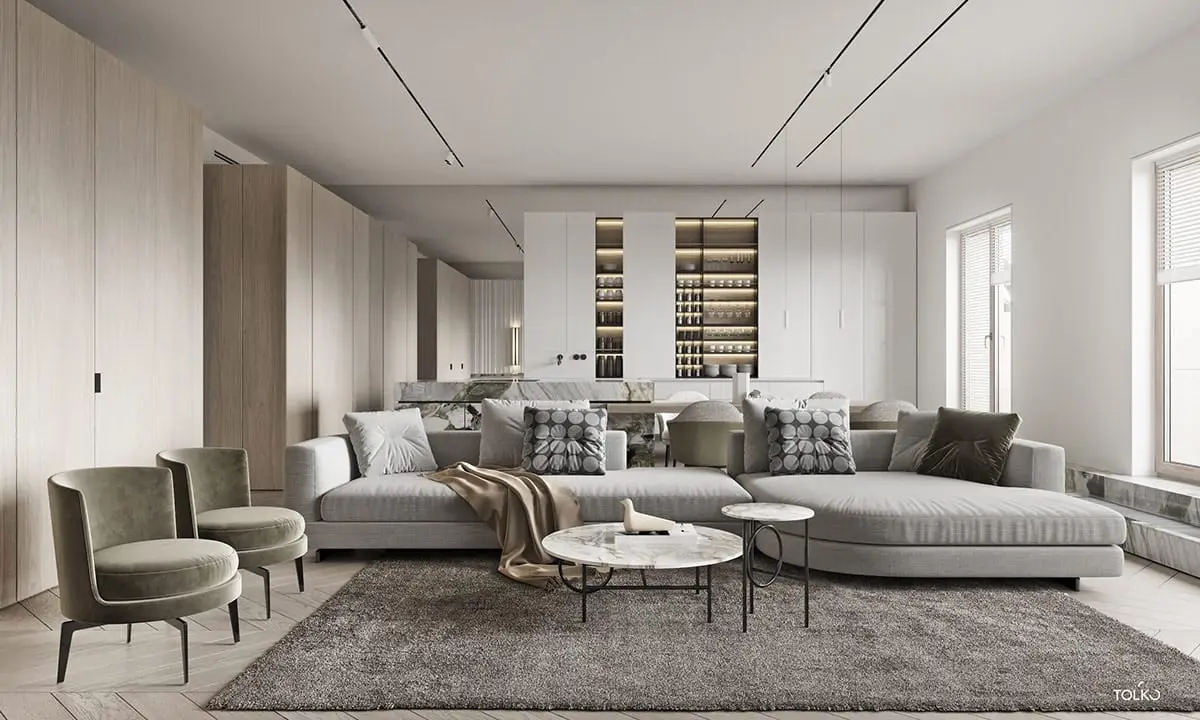
The Designs For The Home That Dominate
Moving into a new home or refreshing your current space brings an exciting blank slate, but turning empty square footage into a warm, cohesive home requires clear intention. Whether you are settling into a turnkey community like La Posada where style and safety seamlessly intersect, moving into your first family house, or updating an urban apartment, effective decorating balances everyday utility with personal character.
To help you navigate paint swatches, furniture layouts, and architectural quirks, we have compiled an actionable guide to modern home styling. In this guide, we walk through the fundamentals of room-by-room decoration, lighting design, texture layering, and practical budget allocation so you can make confident, lasting design choices.
Key Decorating Takeaways
- Establish effortless traffic flow by maintaining 30 to 36 inches of open walkway between major furniture pieces.
- Apply the 60-30-10 color distribution rule to balance a dominant wall shade with secondary upholstery and punchy accent accessories.
- Anchor your living space with an area rug sized large enough that at least the front legs of all primary seating sit comfortably on top.
- Layer ambient, task, and accent fixtures fitted with warm 2700K to 3000K bulbs instead of relying on a single overhead light source.
- Focus your spending on daily physical contact pieces like mattresses and sofas, while saving money on side tables, decorative pillows, and wall prints.
Home Decorating Ideas: A Room-by-Room Guide to Styling Your Space
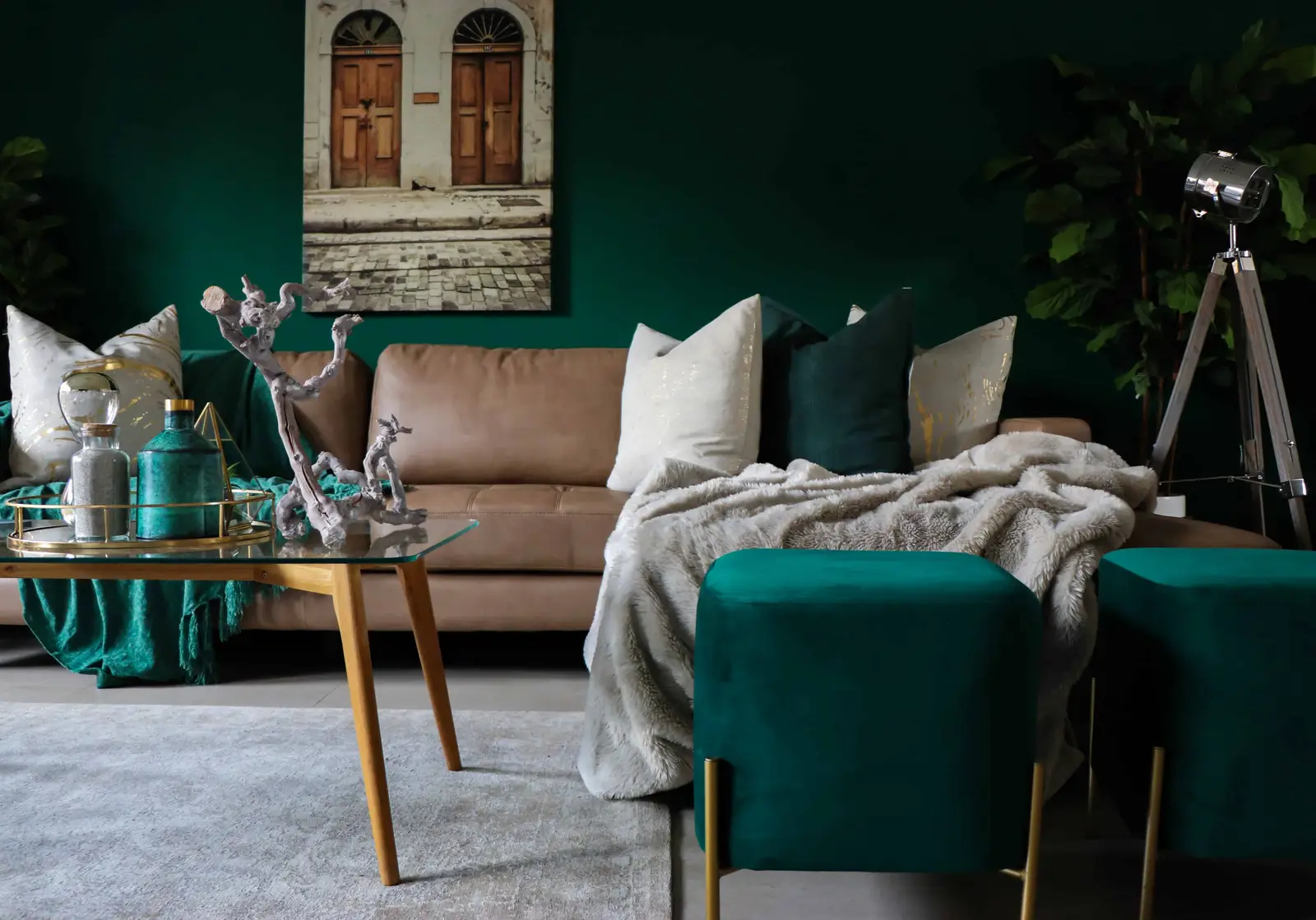
Photo: Unsplash
Interior Design Tips for Beginners: The Core Principles
Plan your circulation paths before buying furniture, maintaining 30 to 36 inches for walkways and balancing color with the 60-30-10 distribution rule.
Before buying a single accent pillow or rolling a coat of paint onto drywall, every successful room design starts with spatial awareness. Understanding how circulation paths, natural light exposures, and daily lifestyle demands interact allows you to build a room that feels both curated and comfortable to inhabit.
Establishing Scale, Proportion, and Traffic Flow
Proper scale ensures that your furniture harmonizes with the volume of your room rather than fighting against it. A cavernous sectional sofa overwhelms a compact apartment living area, while delicate mid-century armchairs feel adrift inside a double-height great room. We recommend sketching your floor plan on grid paper or using painter’s tape directly on the floor to outline prospective furniture footprints.
Leave at least 30 to 36 inches of open walkway between major furniture pieces to preserve effortless movement throughout the space. Maintain 14 to 18 inches between your sofa edge and the central coffee table so you can easily sit, stand, and reach drinks without awkward contortions.
Curating a Cohesive Color Palette
Color sets the emotional temperature of any interior, anchoring focal points and softening structural imperfections. A reliable starting framework is the classic 60-30-10 color distribution rule:
- 60% Dominant Color: Usually applied to walls, large area rugs, or major built-in cabinetry to establish the ambient background.
- 30% Secondary Color: Carried through upholstery, drapery, accent furniture, or painted interior doors to create visual depth.
- 10% Accent Color: Concentrated in decorative objects, throw pillows, artwork, and tabletop accessories to inject energy and contrast.
If you prefer calming, grounded palettes, look to nature-inspired hues like sage green, terracotta, warm taupe, and deep indigo. While Pantone 19-4052 Classic Blue captured global attention in 2020 as a reliable, enduring foundation, pairing such deep naval shades with crisp warm whites and raw timber remains a timeless choice for modern bedrooms and dens.
Living Room Decorating Ideas: Designing the Heart of the Home
Living rooms demand the most versatile design because they host quiet evening unwinding, energetic weekend entertaining, and everyday family routines. Establishing a defined focal point, whether that is a stone fireplace, a sunlit architectural window wall, or a statement media console, anchors the visual weight of the entire room.
Mastering Area Rug Layering and Sizing
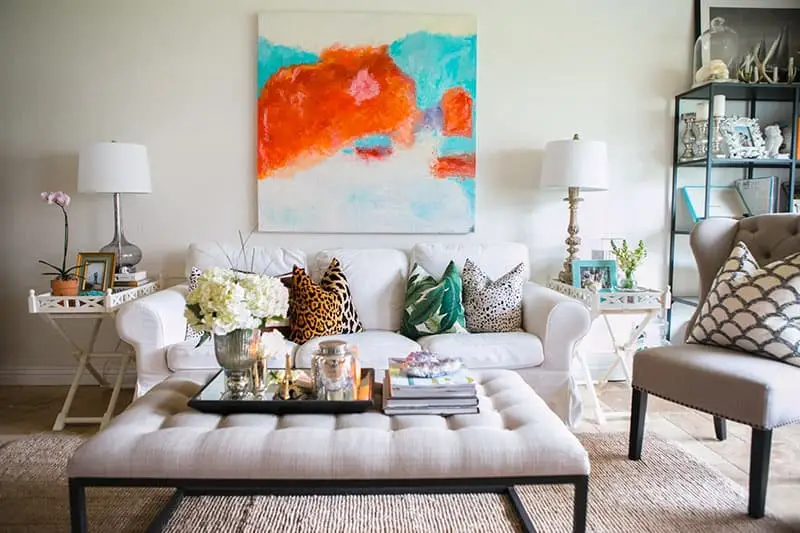
A properly sized rug is the single most critical anchor for a balanced living area. A frequent rookie mistake is purchasing a rug that is too small, creating the illusion of floating furniture islands. As a rule of thumb, ensure that at least the front legs of all key seating pieces rest comfortably on the rug surface.
For extra depth and tactile interest, consider layering rugs. Start with an oversized, durable flatweave or natural jute rug as your foundation base, then center a smaller, patterned wool or vintage runner over top. This technique protects your flooring budget while delivering high visual impact and plush comfort underfoot.
Styling Coffee Tables and Open Shelving
When styling flat surfaces like coffee tables, credenzas, and bookshelves, avoid cluttering every inch. Group decorative objects in odd numbers, preferably threes, and vary their heights, widths, and materials to generate dynamic contrast:
- Stack two or three linen-bound art books horizontally to create a grounded pedestal.
- Top the stack with a textured ceramic bowl, carved marble link, or fragrant candle.
- Introduce an organic element, such as a sculptural olive branch in a matte stoneware vase, to bring height and life to the arrangement.
Leave intentional negative space around your vignettes so your favorite items have room to breathe, preventing the room from feeling chaotic.
Mastering Layered Lighting in Every Room
Layer ambient, task, and accent lighting across dimmer switches using warm 2700K to 3000K bulbs to build depth and visual comfort throughout your home.
Relying solely on a single overhead builder-grade ceiling fixture produces harsh shadows, flattens architectural details, and strips a room of warmth. Sophisticated interior design always treats lighting as a three-dimensional composition spanning three distinct tiers.
| Lighting Layer | Primary Function | Ideal Fixture Examples | Recommended Placement |
|---|---|---|---|
| Ambient | Provides uniform, overall illumination for safe navigation and visibility. | Flush mounts, chandeliers, recessed ceiling cans, cove lighting. | Central ceiling planes, evenly spaced overhead grids. |
| Task | Delivers concentrated light directly onto specific functional activities. | Articulated desk lamps, under-cabinet LED strips, reading swing-arms. | Kitchen countertops, home office desks, bedside tables, reading chairs. |
| Accent | Highlights architectural elements, artwork, or textured wall surfaces. | Picture lights, wall sconces, directional spotlights, uplights behind plants. | Above framed art, flanking mirrors, illuminating architectural alcoves. |
Equipping every primary ambient and accent light switch with a dimmer switch gives you total control over mood and atmosphere. Choose bulbs with a warm white color temperature between 2700K and 3000K to create a hospitable, inviting glow throughout living and sleeping zones, reserving crisper 3500K to 4000K light for utility zones like laundry rooms and workshops.
Embracing Calming Aesthetics: Japandi and Nature-Inspired Styling
Modern interior trends continue to move away from sterile minimalism toward warmer, grounded environments that emphasize wellness, comfort, and sustainable materials. Today, two closely connected movements define this relaxed design ethos: Japandi and biophilic decor.
Japandi is a hybrid design philosophy that brings together elegant Japanese minimalism and rustic Scandinavian simplicity. The look marries the Scandinavian concept of hygge, centered on coziness, natural textures, and contentment, with the Japanese appreciation for wabi-sabi, which celebrates organic imperfection and timeless restraint. This blend emphasizes clean architectural lines, low-profile furnishings, muted earth tones, unvarnished light oak, bamboo, and matte ceramics. You can explore how these quiet, functional philosophies also translate into styles across Mediterranean and coastal living rooms that celebrate raw stone, linen, and generous natural daylight.
Alongside Japandi, introducing organic living elements has become an essential pillar of contemporary styling. Pinterest highlighted that interest in vertical gardens surged by 287% in recent years, signaling a broad cultural shift toward lush indoor plant walls and trailing foliage. Moving beyond simple hanging macrame holders, modern plant styling integrates built-in living walls, architectural plant pedestals, and cascading pothos or monstera along open timber shelves.
If full vertical hydroponic walls feel daunting, consider woven basket walls as an accessible alternative. Hanging shallow, hand-woven seagrass and rattan baskets in a free-flowing cluster over an empty wall introduces tactile warmth, neutral brown undertones, and handmade artisanal charm for very little expense.
Small Space Home Decor Ideas for High-Impact Living
Styling a compact room or studio apartment requires thoughtful spatial planning so that every square foot pulls its weight without sacrificing beauty. Embracing light, verticality, and dual-purpose furniture keeps small rooms feeling open and airy.
- Select Multi-Functional Furniture: Choose storage ottomans that double as coffee tables, bed frames with integrated under-mattress drawers, or extendable dining tables that convert easily into work desks.
- Utilize Vertical Wall Space: Install floor-to-ceiling shelving units or floating ledges to draw the eye upward, accentuating ceiling height rather than floor limitations.
- Maximize Light Reflections: Position a large, arched floor mirror or an oversized wall mirror directly opposite a window to bounce natural daylight deep into darker corners.
- Opt for Leggy Silhouettes: Sofas, armchairs, and credenzas raised on slender tapered legs allow light and sightlines to travel underneath, creating a lighter visual footprint.
Consistent flooring throughout connected small rooms prevents visual breaks and makes your home feel substantially larger. Carrying the same hardwood, luxury vinyl plank, or neutral tile across living, dining, and corridor areas unites disparate zones into a singular, fluid environment.
Home Decorating Ideas on a Budget and Renter-Friendly Updates
Allocate your budget toward high-impact foundation pieces like sofas and mattresses, while using non-destructive swaps like hardware and peel-and-stick paper for fast cosmetic wins.
Designing a memorable home does not require an endless budget or permanent structural renovations. Balancing strategic high-value investments with clever cosmetic refreshes allows you to craft high-end style on an everyday budget.
The Splurge versus Save Strategy
Knowing where to invest your capital prevents costly mistakes and ensures long-term comfort:
| Where to Splurge | Why It Matters | Where to Save | Why It Works |
|---|---|---|---|
| Sofa & Mattress | High daily contact items that dictate physical comfort, ergonomics, and structural durability. | Accent & Side Tables | Secondary surfaces experience minimal mechanical wear; budget materials look convincing. |
| Core Lighting Fixtures | Architectural jewelry that defines the room’s visual scale and ambient quality. | Throw Pillows & Blankets | Textiles are easily swapped seasonally to update color schemes without guilt. |
| Custom Window Treatments | Poorly fitting blinds look cheap; floor-to-ceiling drapes elevate perceived ceiling height. | Decorative Wall Art Prints | Digital art prints framed in uniform off-the-shelf frames look custom and sophisticated. |
Renter-Friendly Cosmetic Upgrades
You do not need to own your property to swap out generic details for custom character. Simple, non-destructive modifications can dramatically personalize a leased apartment without risking your security deposit:
- Replace plain builder-grade cabinet pulls and bathroom knobs with brushed brass, matte black, or unlacquered bronze hardware, storing the originals safely to reinstall upon moving out.
- Use peel-and-stick vinyl wallpaper on an accent wall, entryway vestibule, or bathroom vanity nook to add bold pattern without damaging drywall.
- Swap out dull plastic switch plates for clean metal covers that deliver a tactile upgrade every time you enter the room.
- Lean oversized framed mirrors or art canvases against sturdy walls rather than drilling heavy anchors.
Room-by-Room Decorating Guide: Bedrooms and Entryways
While the living room often commands the bulk of decorating energy, secondary transition spaces like entryways and intimate sanctuaries like bedrooms determine your daily comfort and morning momentum.
Crafting a Restful Bedroom Sanctuary
Bedrooms should serve as restorative retreats, free from sensory overload. Keep tech clutter out of direct view, and focus your styling around tactile bedding layers, blackout drapery, and soft acoustics.
Invest in breathable natural fibers like washed French linen or long-staple percale cotton for your duvet and sheet sets. Flank the bed with matching nightstands equipped with warm bedside sconces or shaded table lamps so you can read comfortably without turning on harsh overhead lighting. Soften hardwood floors with an ultra-soft wool rug beneath the bed, ensuring at least 24 inches of plush landing space on each side.
Designing a Functional, Welcoming Entryway
The foyer or entryway establishes the opening narrative for your entire home while acting as an essential drop zone for keys, mail, and coats. Even if your entrance opens directly into a living room or corridor, you can carve out a distinct entry station:
- Mount a slim console table or floating timber ledge along the wall to hold daily essentials.
- Hang an eye-level circular mirror above the console for last-minute appearance checks and light reflection.
- Place a catch-all ceramic tray for keys and sunglasses to prevent entryway clutter from migrating inward.
- Tuck a woven storage basket underneath the table for umbrellas, dog leashes, or indoor slippers.
Conclusion: Bringing Your Vision Together
Decorating a home is not a sprint completed in a single weekend; it is an ongoing curation that evolves as your lifestyle, routines, and tastes grow. By establishing proper scale, curating a balanced color palette, layering multiple tiers of lighting, and blending timeless foundations like Japandi simplicity with functional storage, you can craft spaces that feel both elevated and deeply personal.
Start with the room where you spend the most active hours, take time to test materials under your home’s natural light conditions, and enjoy the gradual process of turning four walls into a comforting, beautiful sanctuary.