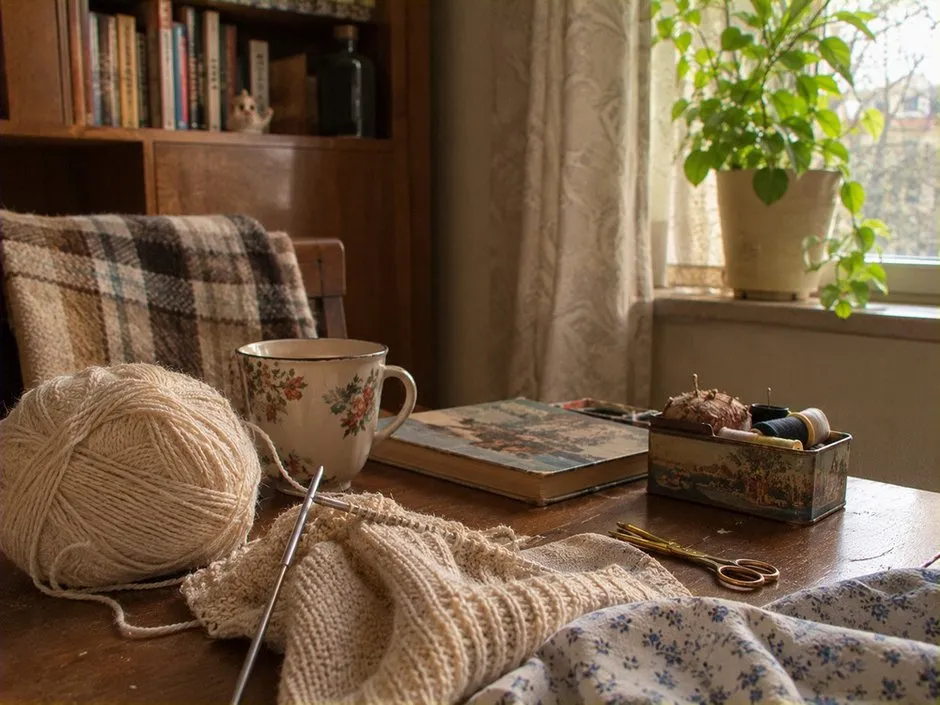
Reading What Was at Home or Could Be Obtained
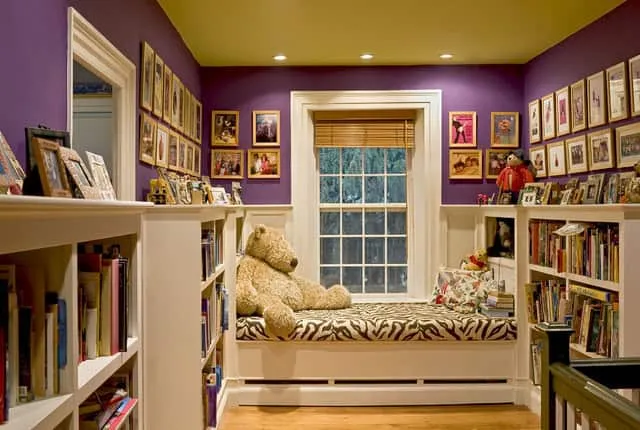
Home libraries were built up over years. Books were borrowed from libraries, exchanged with acquaintances, or passed on to one another. Popular editions were not always easy to buy, so good books were treasured and often reread.
Children were read to aloud, while adults read on their own. There was no need to specially arrange a “device-free evening” for this — a book was simply one of the usual ways to spend a few hours at home.
Today, a large library is no longer necessary to read a lot. However, reading to children before bed remains almost in the same form.
Lotto, dominoes, and cards brought everyone together at the same table
Board games didn’t appear in homes along with modern boxes on store shelves.
People played lotto, checkers, chess, dominoes, and cards. Lotto was especially convenient: its rules were simple, so children, adults, and elderly relatives could all gather around the same table. For such an evening, almost nothing was needed—just a box with tiles and a table cleared out.
Modern board games work on much the same principle. They are valued not only for the game itself but also for the opportunity to spend several hours together in one session.
Evenings often passed with conversations and guests.
Communication also required dedicated time.
There was no constant texting throughout the day, and home phones were not available in every household for a long time. If someone called a relative or acquaintance, the conversation could become a significant part of the evening.
It was also much easier to visit someone, without the need for lengthy texting or coordinating times through multiple messaging apps.
During holidays, people wrote cards and letters — another activity that now takes just a few seconds on a phone, but back then required sitting down, writing the message, signing the address, and sending it.
More frequent communication wasn’t necessary. It was simply structured differently and less often got lost among other tasks.
Spent a lot of time in the kitchen
Naturally, part of the winter evening was spent on preparing food.
They baked pies, made dumplings, prepared dishes that required time, and checked household supplies.Making dumplings was especially convenient for group activities: one person rolled out the dough, another added the filling, and children could also participate.
As a result, ordinary household chores simultaneously became a way to spend time together.Today, this has largely reverted to being an optional tradition: baking together before holidays, preparing a big family dinner, or having a day dedicated to making dumplings at home.
Why these evenings seem more “shared”
It’s not necessarily the case that people used to be better at relaxing.
There were simply more household tasks that had to be done by hand at home, and fewer individual forms of entertainment. One television, one room, one board game naturally brought the family together in one space.At the same time, people could do different things: some read, some knitted, some watched TV. What remained common was the shared space and the opportunity to talk while doing other things.
That’s exactly why many old formats are making a comeback today—board games, knitting, cooking together, reading aloud. But now people choose them not because there are few other options, but because sometimes they want to spend an evening without constantly switching between screens.