Useful Tips for Classroom Design and Layout from Experts
When teaching, many educators focus on creating the perfect lesson plan. However, an important factor often overlooked is the classroom itself. The physical space where learning takes place can significantly impact student engagement and success. How the classroom is organized affects everything from students' ability to concentrate to their interaction with classmates. Fortunately, there are simple ways to optimize classroom design and layout to encourage learning. Here are several tips from experts:

1. Implement Flexible Furniture
Another way to optimize classroom layout is by using flexible furniture. This means choosing pieces that are easy to move and rearrange for different activities. Select diverse school furniture from a reliable supplier. Ideal furniture should be comfortable, durable, and easy to move. For example, several large sofas that can serve as chairs or tables will allow you to quickly reconfigure the space.
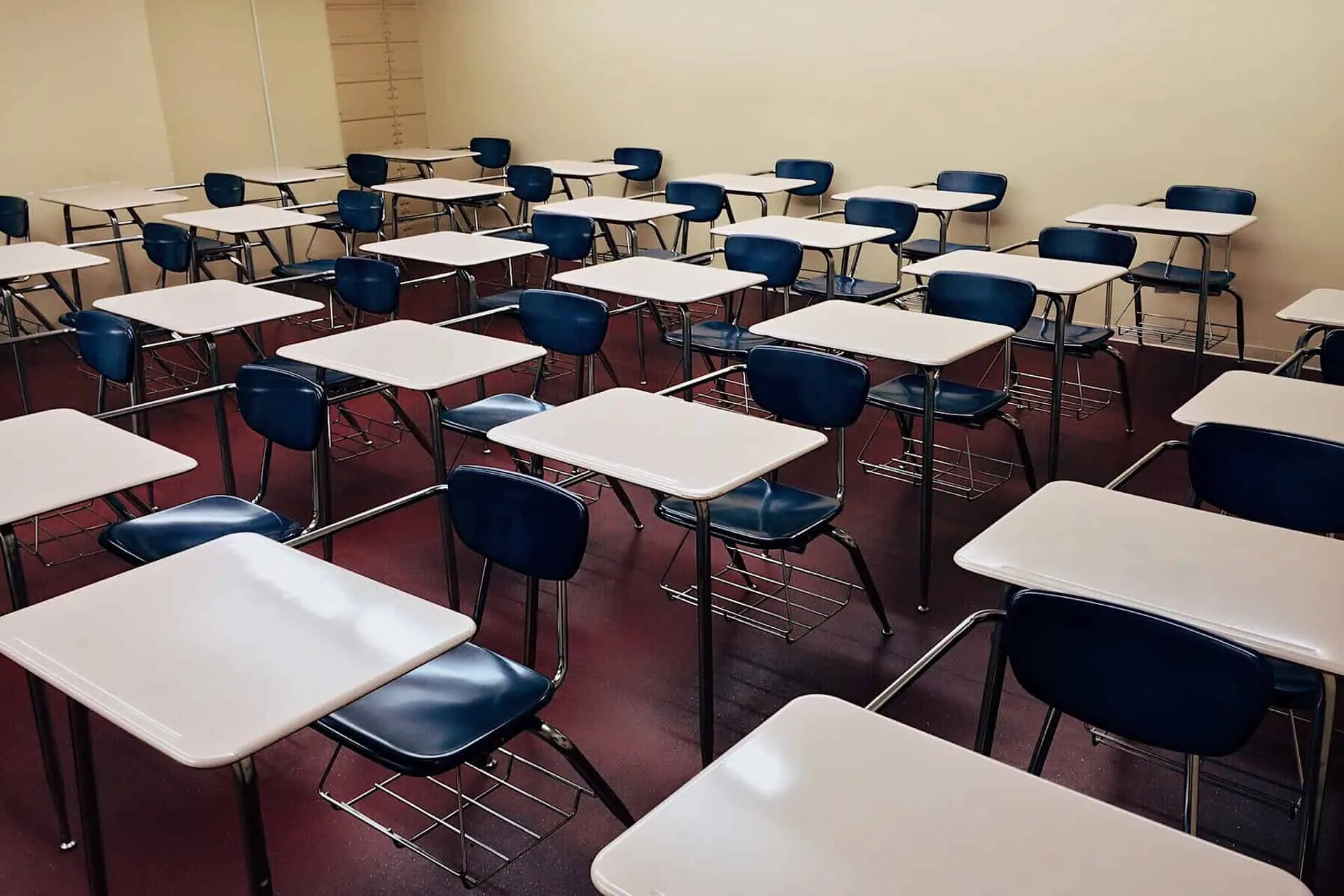
Flexible furniture is important in the classroom. This way, you can easily change the arrangement of items for different activities. Sofas are a great example of flexible furniture because they can be used as chairs or tables.
2. Create Dedicated Learning Zones
One way to ensure student engagement is by creating dedicated learning zones within the classroom. This could mean having a designated area for reading, writing, science experiments, art projects and so on. Clearly defining these zones will help students focus on the task at hand and avoid distractions.
Classroom design and layout are important. You need different zones for various activities such as reading, writing, science experiments, and art projects. This helps students focus on what they are doing and avoid distractions.
3. Use Natural Lighting
Where possible, use natural lighting when designing the classroom. Studies show that students learn better in well-lit environments. So, if your classroom has many windows, make full use of them by arranging desks and other furniture to maximize light exposure. Natural lighting is important for classrooms because it helps students concentrate and learn better. If your classroom has many windows, try arranging furniture to allow students to benefit from natural light. This not only improves academic performance but also reduces electricity costs.
4. Use Color Wisely
Color can also influence learning. While there are no strict rules, some experts recommend using cool colors (blues, greens and purples) in classrooms as they generally calm students and promote concentration. Others suggest using warm colors (reds, oranges and yellows) to create a more energetic and stimulating environment.
Regarding color, there are no strict rules. However, some experts recommend using cool colors in classrooms as they generally calm students and promote concentration. Warm colors are also considered to create a more energetic and stimulating atmosphere.
5. Pay Attention to Acoustics
Besides visual factors, it's important to also consider classroom acoustics when designing its layout. This is especially important if you have many students in the class. Ensure that noise doesn't bounce off hard surfaces and cause echoes throughout the room. You can achieve this by incorporating soft materials such as carpets and curtains into your design.
Classroom acoustics are important, especially if you have many students. You don't want noise to bounce off hard surfaces and cause echoes. Include soft materials like carpets and curtains in your design to prevent this. This way, sound is absorbed rather than reflected.
6. Encourage Active Learning
Finally, it's important to encourage active learning when designing the classroom. This means choosing furniture and layout that prompts students to move around and interact with each other. For example, you might consider mixing individual tables with group tables. Or perhaps you'd like to create a 'learning marketplace' where students can choose different activities.
When designing the classroom, it's important to encourage active learning. This way, students will be motivated to move around and interact with each other. For example, you can mix individual tables with group tables. Or perhaps you'd like to create a 'learning marketplace' where students can choose different activities.
7. Incorporate Technology
Don't forget to include technology in your classroom design. Students need to feel comfortable with computers and other digital devices in modern schools. Therefore, try integrating them into your layout to align with the curriculum. For example, you can create a computer lab for students during certain lessons.
When designing the classroom, don't forget about technology. Students need to feel comfortable with computers and other digital devices in modern schools. Therefore, try integrating them into your layout to align with the curriculum. For example, you can create a computer lab for students during certain lessons.
8. Get Feedback from Students
Finally, don't forget to involve students in the design process. After all, they will be using the space daily. It's important to get their opinion on furniture placement and color schemes. By involving them in the process, you'll achieve a better design as well as foster a sense of ownership and responsibility among students.
When designing the classroom, don't forget to involve students in the process. After all, they will be using the space daily. It's important to get their opinion on furniture placement and color schemes. By involving them in the process, you'll achieve a better design as well as foster a sense of ownership and responsibility among students.
Creating a classroom may seem like a daunting task, but it's important to remember that there are no right or wrong answers. By considering the needs of your students and teachers, you can create a space that is functional and conducive to learning. Also, don't forget to leverage technology to your advantage and gather feedback from students during the design phase. Keeping these tips in mind, you will definitely create a classroom that everyone will enjoy.