Top-3 Best Plants for Balcony That Grow Without Water Under Full Sunlight
When it's hot, growing in pots or trays can be harder than in the ground. Indeed, if plants can dig deeper into moisture in the soil, then in pots they rely on your watering can—especially since smaller containers evaporate faster! It's better to choose "camel" plants for your balcony that survive the entire summer without watering (or almost). Succulents, Mediterranean, flowering plants... Here are 5 balcony plants suitable for full sunlight and requiring only limited watering.
1. Sedum
 Pinterest
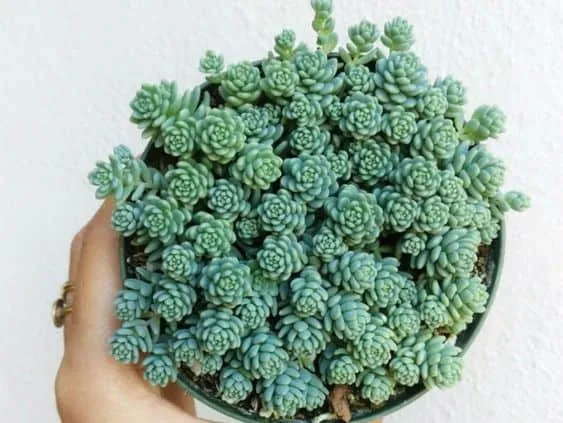
Belonging to the Crassulaceae family, sedum is perfect for a sunlit balcony without watering! There are about 400 species of sedum: its stems can be upright or trailing, its pink, white, or yellow flowers, and its always fleshy leaves (because it's a succulent plant that stores water in its leaves) come in various forms and colors. It is sturdy and tolerates drought, temperature fluctuations, diseases, and pests well.
In general, sedum has few needs: it requires sunlight and well-drained soil. Sedum establishes itself shallowly—choose a small but wide container. In a pot and protected from rain, it will need very moderate watering. Fertilizing is not necessary.
2. Rosemary
 Pinterest
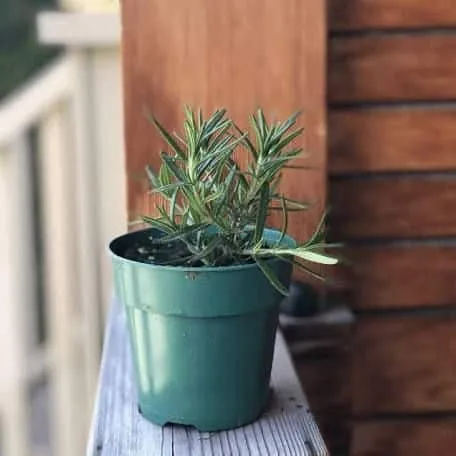
A small bush adorned with beautiful tiny flowers from early spring, rosemary immediately reminds you of the south. It grows wild on rocky and dry garigues soil, and also loves pots. Tolerates poor soil, cold (down to -12°C), and drought easily.
Rosemary in a pot will thrive in a sunny spot (preferably wind-protected) and on well-drained soil.
3. Thyme
 Pinterest
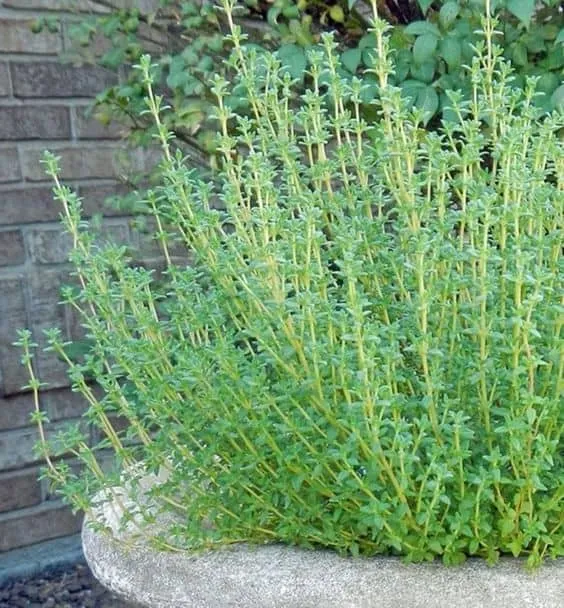
Just like rosemary, thyme will fill your balcony with fragrance! A Mediterranean plant, thyme loves sun and tolerates drought well. Good news: it's an aromatic herb that is very easy to grow in pots. All types of thyme love this: common thyme, which tolerates cold well, lemon thyme with its purple flowers or wild thyme—a trailing variety.
Thyme prefers very well-drained soil, because one thing this plant does not tolerate is excess water. Water moderately. Let the soil dry out well between waterings and remove any water from the saucer to avoid overwatering the roots.
To keep your thyme compact, don't hesitate to prune it (but only after flowering).