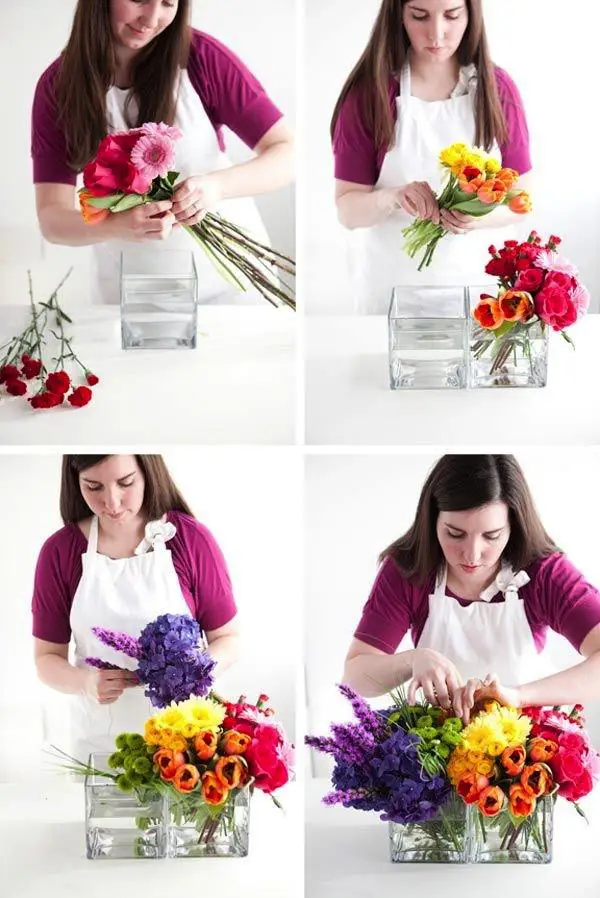
How to Maximize the Life of Cut Flowers: Practical Tips
There's nothing sadder than a beautiful floral arrangement wilting within days... But it turns out there are countless interesting and diverse techniques to extend the life of bouquets. We've selected the ones that seem to us most effective and easy to implement.
To Make Flowers Last Longer
1.
If you bring flowers into your home during cold weather, don't rush to put them in a vase. Let them acclimate (preferably in a cool place) for about an hour.
2.
If you're cutting flowers yourself, do it early in the morning. It turns out that overnight, flowers rest and absorb moisture, so those cut in the morning are more resilient.
3.
Remove flowers from packaging. This is not only for aesthetic reasons. Fresh flowers are beautiful on their own—no need for plastic wrap or crinkled paper decorations.
4.
Always remove all leaves from the lower part of the stem. Leaves won’t rot, and stems will absorb more water.
5.
Under cold water, cut stems at a 45-degree angle for 1–2 cm (air entering the hollow stem shortens flower life).
6.
If flowers have stiff stems—like roses, chrysanthemums, or lilac—you can split or crush the ends with a wooden mallet to improve water absorption.
7.
If milky sap oozes from the stem during trimming, briefly immerse the cut ends in boiling water for a few seconds before placing in a vase.
8.
Hard tap water harms both people and flowers. Use settled or boiled water at room temperature for your bouquets.
9.
A tablespoon of lemon juice or vinegar softens hard water.
10.
Prevent stem rot with half an aspirin tablet, a teaspoon of salt, or a small amount of alcohol.
11.
Sugar (1–2 tablespoons added to water) extends the life of fresh flowers.
12.
Trim stems and change water daily! This is probably the most important secret to long-lasting flowers. Every day, cut 1 cm off the stems and refill the vase with clean water.
13.
Refresh your bouquet daily with a light mist of cool water.
14.
To remove residue from inside the vase, wash it with a baking soda solution. Also, rinse plant stems thoroughly when changing water.
15.
Keep fruit in a separate vase nearby—this accelerates flower wilting.
16.
Not all flowers get along. Most aggressive toward others are carnations, lilies of the valley, and primroses. Daffodils, contrasting-colored roses, lilies, and tulips should also be kept in separate vases.
17.
Revive a bouquet by submerging it in warm water up to the buds for 1–2 hours. Flowers will absorb moisture and last much longer.
Each Flower Type Needs Its Own Approach
Roses
Trim stem ends, crush or split them 2–4 cm, remove leaves and thorns below water level. It’s helpful to briefly dip the stem tips in very hot water (10–20 seconds) before placing in a vase. Ideal solution: half an aspirin tablet and a teaspoon of sugar. Fill the vase with as much water as possible and change it daily.
Tulips
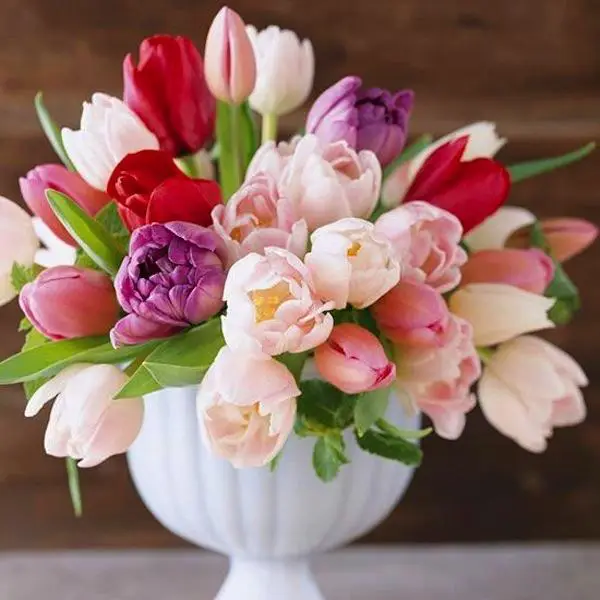
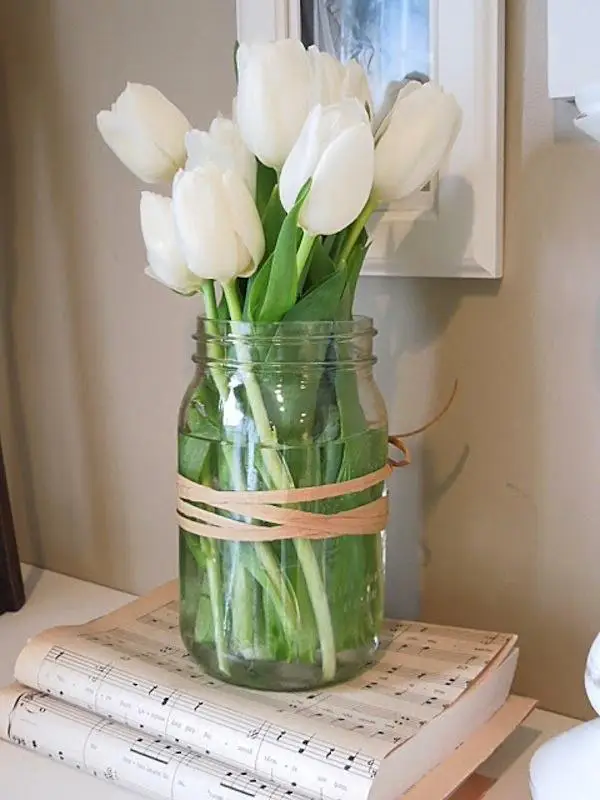
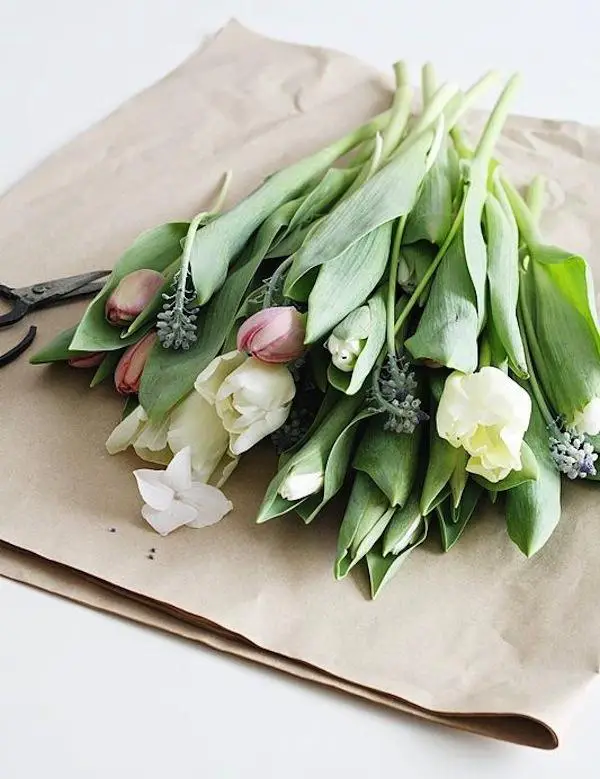
Trim stem ends at an angle, place in a vase with a small amount of water and aspirin. Fill the vase as tulips absorb water. You can refresh them by tightly wrapping in paper and leaving overnight in a cool place or refrigerator.
Lilac
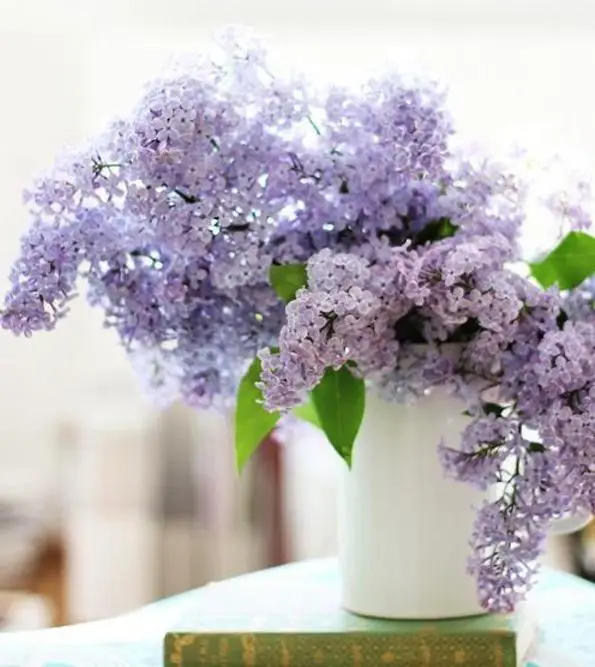
Remove leaves and crush stem ends with a mallet, then submerge in a tub of warm water. Wait for blossoms to dry after the bath, then place in cool water. Lilac dislikes heat—choose a cool spot for the vase.
Chrysanthemums
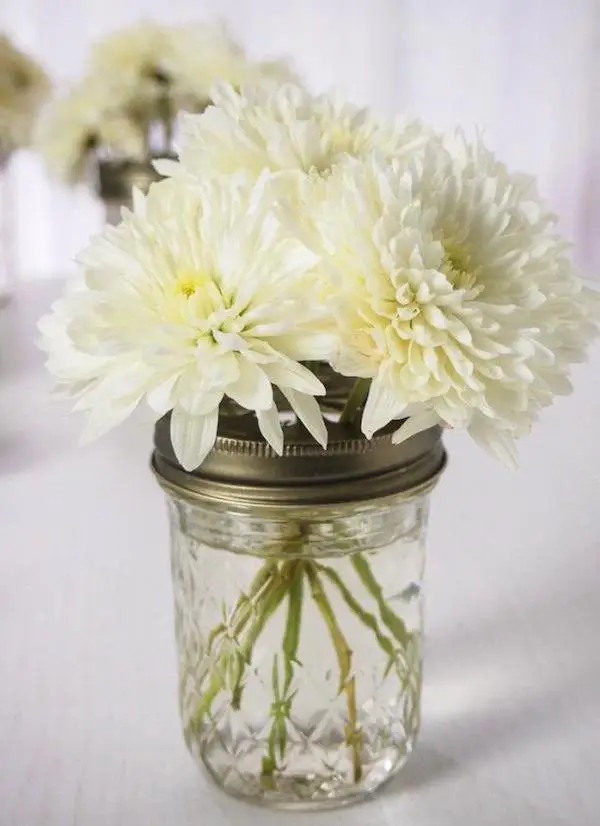
Remove leaves and small shoots, split or crush stems with a mallet, soak in water for a few hours, then place in a vase with plenty of water.
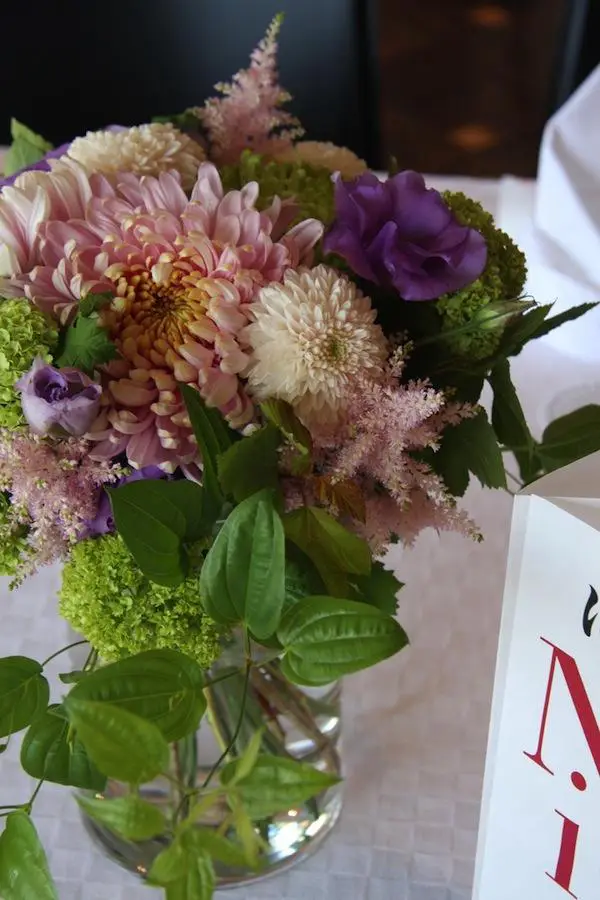
Peonies
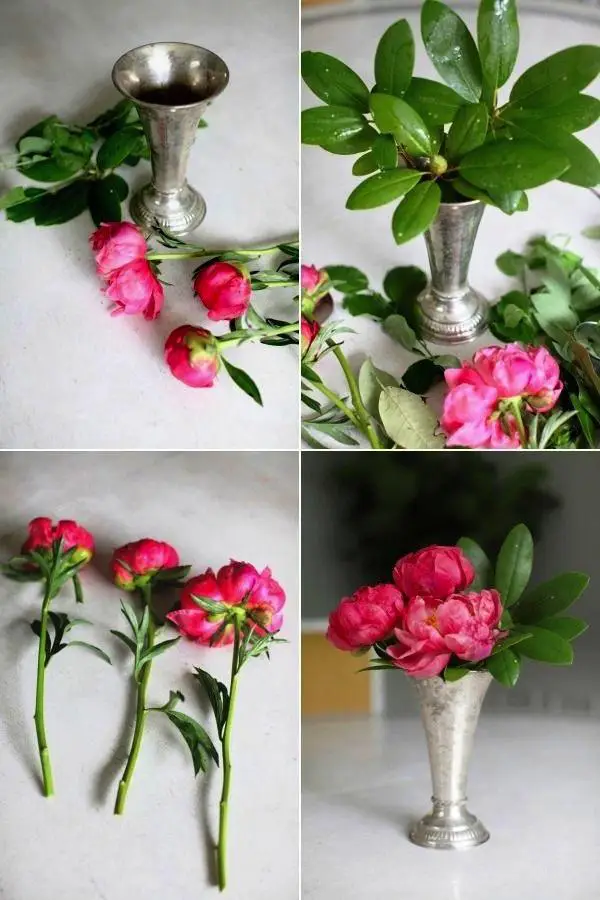
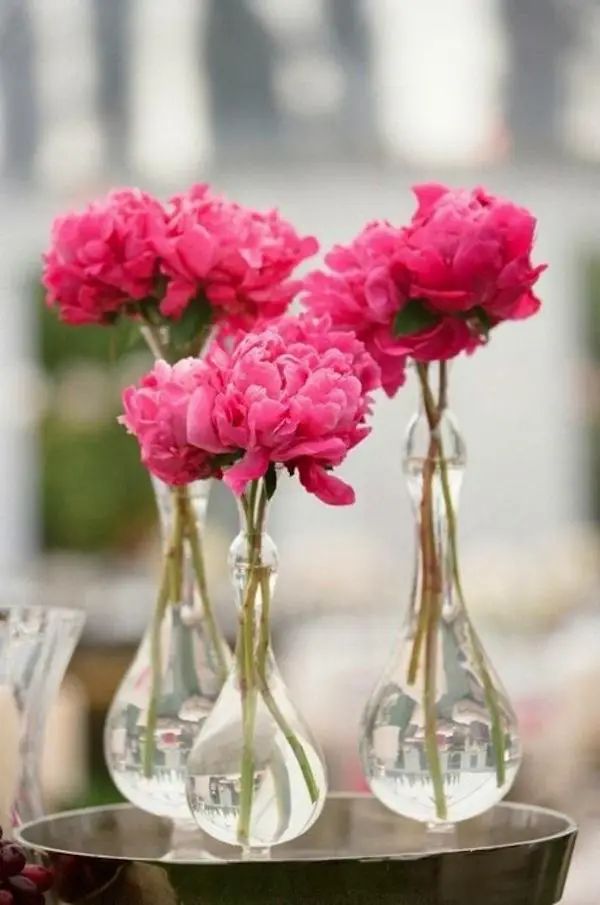
Peonies love water: remove leaves, leaving no more than 2–3, and place in a large amount of water with sugar and lemon juice.
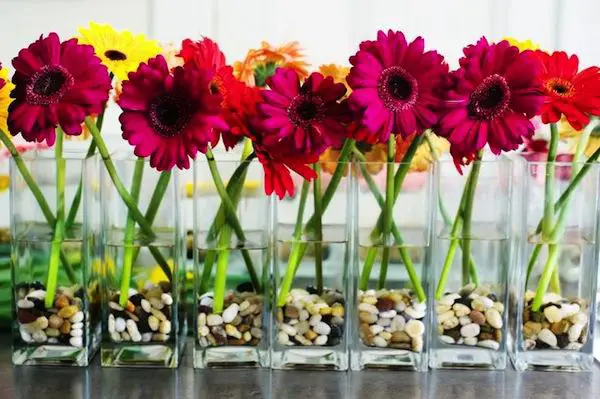
Gerberas
Trim in hot water (+60°C). Add sugar and a small amount of alcohol to the water.
Carnations
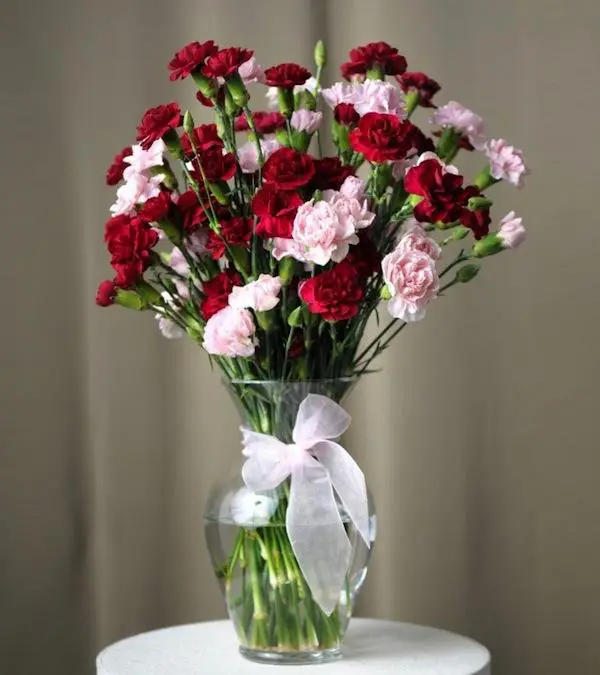
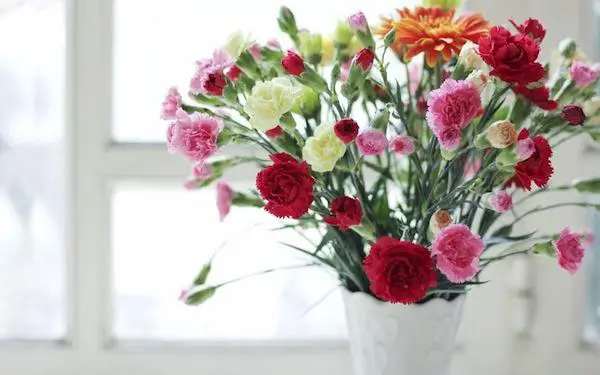
Trim stems at the thickened node, place in water with sugar and half an aspirin tablet.
Hydrangeas
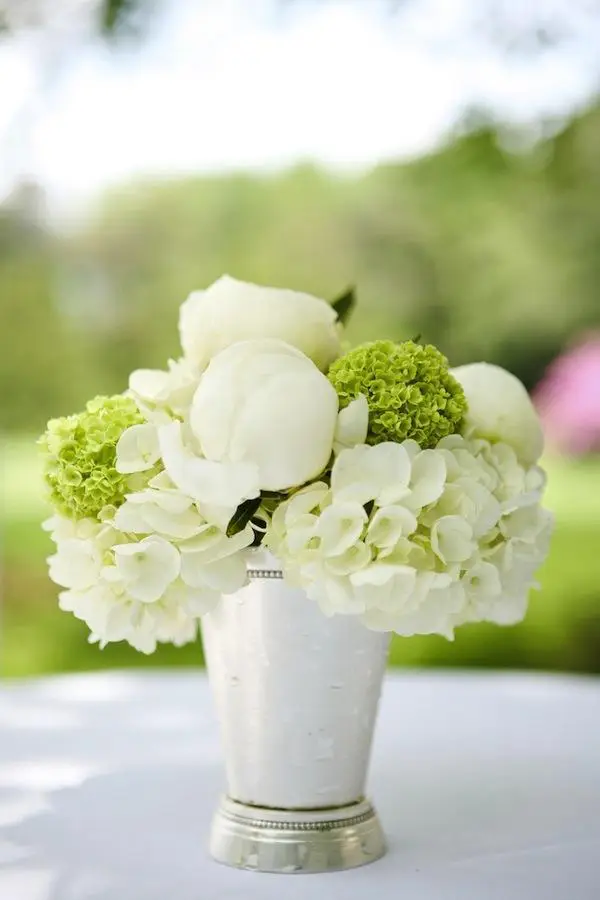
Make a 5 cm incision on the stiff stem and briefly dip in alcohol or boiling water. Keep water and vase clean at all times.
Lilies
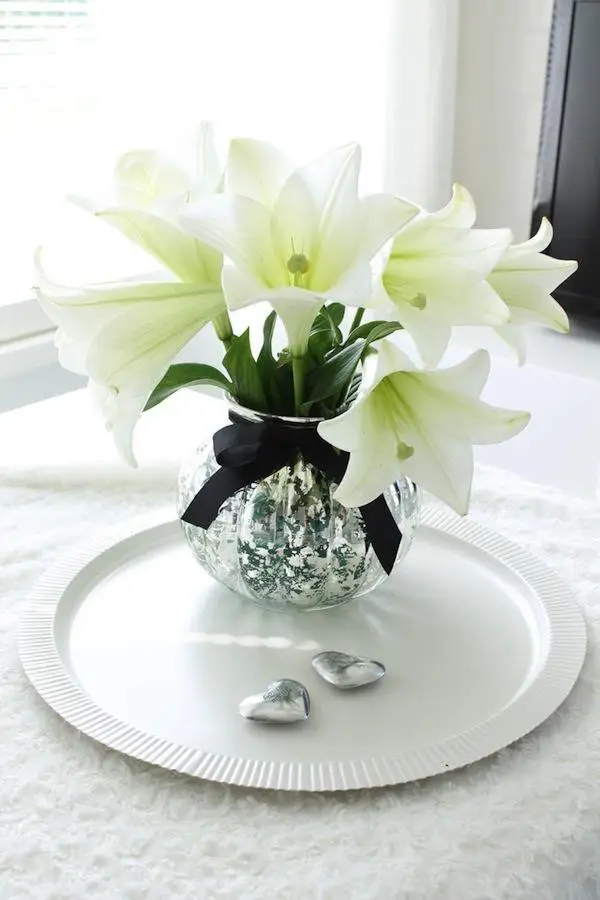
Remove stamens—dark tips of the pollen-bearing parts.
Asters
Remove short stems with small leaves before placing in a vase. Change water frequently—this way, asters can last up to two weeks.
Orchids
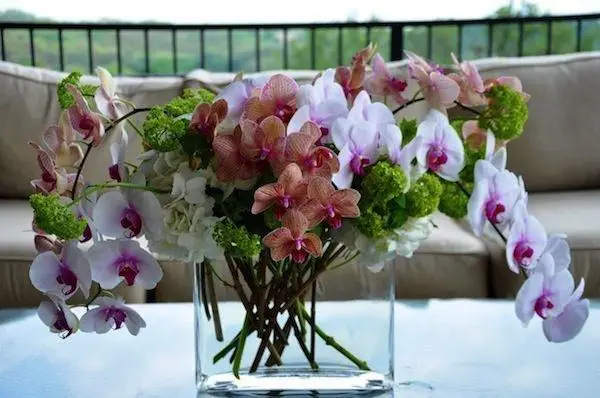
They like warm water. Occasionally submerge stems in a warm bath.
Remember: a bouquet of fresh flowers needs constant care and attention. Often, we leave bouquets in dirty water for a week, then complain about short lifespan. Amazingly, with proper care, flowers can last more than a week!
One more tip: don’t handle flowers if you’re tired or in a bad mood—flowers will sense it and wilt quickly. That’s why it’s said: flowers given with love last the longest!