Complete Guide to Moving: How to Move a House with Minimal Stress
Moving to new accommodation can be an exciting but challenging experience, especially if it's a long-distance move. Whether you're relocating just a few blocks or across the country, the process can be stressful without a clear plan. In this guide, we'll show you the best tips and steps to make your move as smooth and stress-free as possible.
1. Start Early and Plan Ahead
A good tip for every move is to prepare well in advance. The earlier you start planning, the more time you'll have for packing your belongings, organizing the whole process, and the day of the move itself.
Tip: Begin preparing for your move 6 weeks ahead. This will give you time to sort out unnecessary items, plan where everything goes, and find a moving company if needed.
2. Get Rid of Unnecessary Items Before Moving
This makes sense because there are items people don't use. This reduces the number of things you need to carry during the move and frees up more space in your new home.
Tip: Another way to start sorting is to work room by room. Take three boxes labeled "Keep," "Give Away," and "Throw Out." Then you can donate the 'give away' box to a charity or sell unwanted items online.
3. Create a Moving Checklist
The benefit of a checklist is that it helps you track all tasks that need to be completed for a successful move. Include steps such as choosing a moving company and notifying your new address.
Tip: Make it look like a weekly schedule and distribute tasks, such as packing one room completely before moving to the next. This helps avoid feeling overwhelmed and fear of tasks.
4. Use a Moving Company or Rent a Truck
When deciding whether to use a mover or rent a truck and do the move yourself, consider factors such as overall cost compared to the amount of work involved. Often with bulky or fragile items, it's better to use professional services.
Tip: Save money by renting a truck and finding close family or friends to help with the move. Make sure there are enough strong people to carry heavy items!
5. Pack Smart
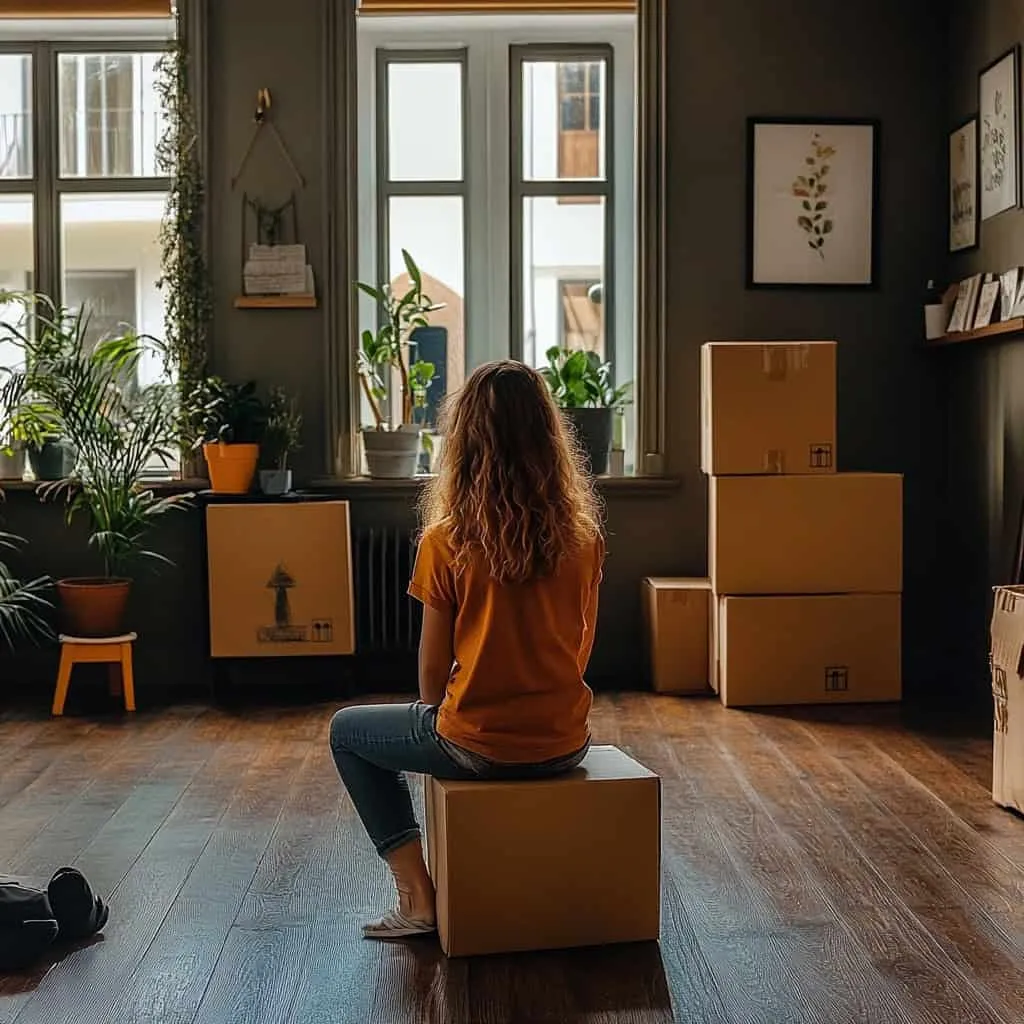
Knowing how to pack items correctly is critically important for a stress-free move. Always consider safety and use the right amount of boxes and packing materials. First, pack items you won't need immediately—such as winter clothes or books—and save the most frequently used ones for last, like toiletries and other essentials.
Tip: Make sure boxes are clean and labeled with their contents and the room they belong in. This simplifies moving into your new home, avoiding situations where you'll have to search for items during unpacking.
6. Pack Furniture and Fragile Items
To avoid damage during transport, ensure your furniture or fragile items are securely packed in blankets, air pillows, or moving covers. For easier lifting of heavy items from the floor, sliding pads can be helpful.
Tip: Many people don't have special moving blankets, so a good solution is to use old towels or sheets for protecting furniture.
7. Cancel Old Utilities and Update Your Address
Don't forget to cancel old services before your move day. Call the previous company and ask them to stop providing services at that address, then transfer them to your new home. Also notify the post office, bank, and other important organizations of your new address.
Tip: It's recommended to cancel all services a week before moving to ensure reliability and quick adaptation.
8. Move on Weekdays to Reduce Stress
Try moving on weekdays because there's less load on movers and you'll avoid heavy traffic. Moving on weekends is even worse. If possible, schedule your move for a weekday.
Tip: Moving companies are often more affordable on weekdays, as most clients prefer weekends for moves.
9. Keep Things Organized Throughout the Move
In the final stage of moving, it's best to keep everything organized, especially important documents like ID cards, rental agreements, and moving contracts since they're crucial but often misplaced.
Tip: It's usually easier to carry valuable items with you, such as jewelry. If you have valuable pieces, it's better to wear them.
10. Unpack in Parts
When moving into new accommodation, unpack in parts—start with the kitchen and end with the bedroom—to easily adapt to your new space. Don't try to do everything at once; break it down into manageable chunks.
Tip: Unpack each area if it seems like too much work or takes too long. Regularly walk through the rooms during breaks.