Modern Color Palette for Living Room
Yellow, blue, green or pink? What colors to use in a living room palette? At first this choice may seem complicated. But actually it's simple. This process is straightforward and even fun, because working with colors awakens the playful and creative side.
Continue reading to learn how to create a color palette for living room decor.
How Many Colors to Use in a Living Room Palette?
 Pinterest
There are no limits on the number of colors in a living room decor palette. But common sense matters, especially if you're not very confident about using multiple colors at once.
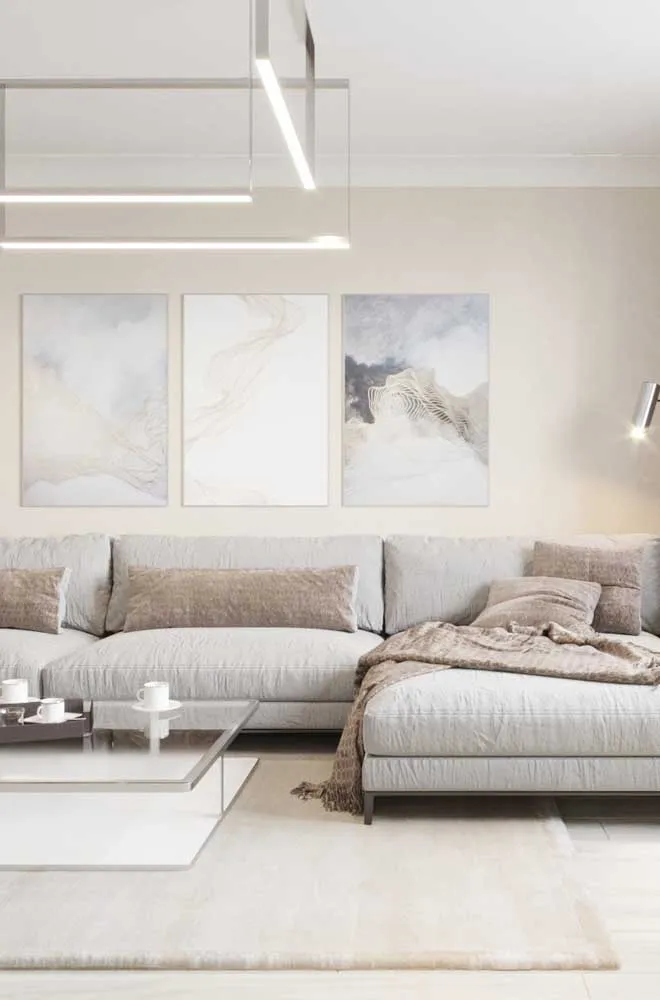
In any case, choose four or five different colors to create a balanced and harmonious living room palette. The first color is called the base, meaning it will act as the 'background' of decor. Usually, it appears on the ceiling, floor and most walls.
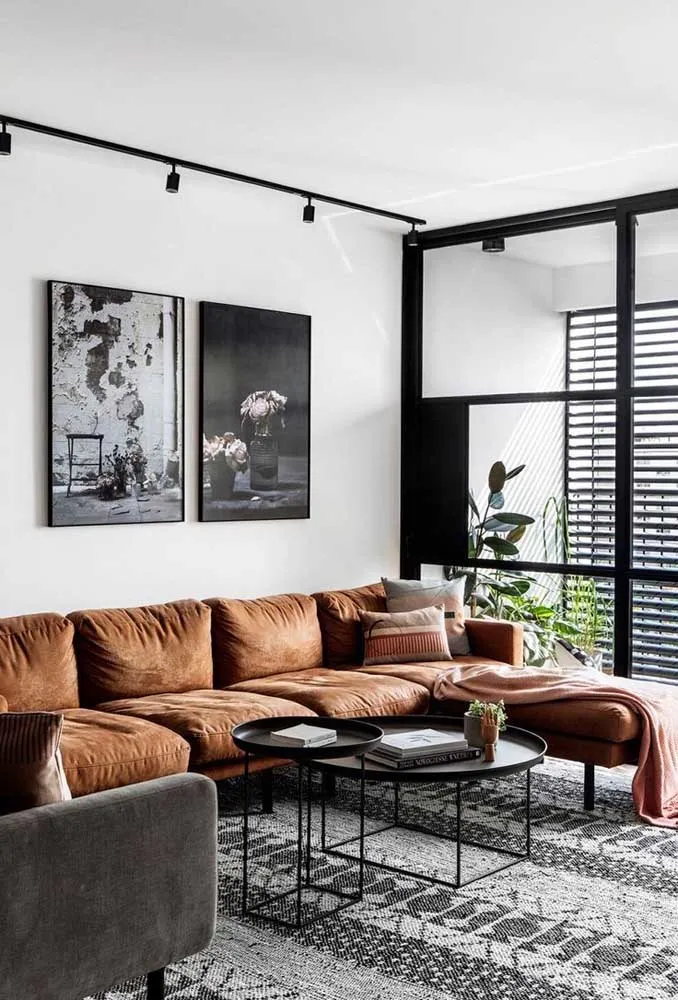
Tip for choosing this color is to prefer a neutral and clean tone, which could be white, gray or classic beige. The second color is the one that appears on large surfaces and stands out more than the background. Usually, it's used on a sofa, carpet, curtain or large furniture.
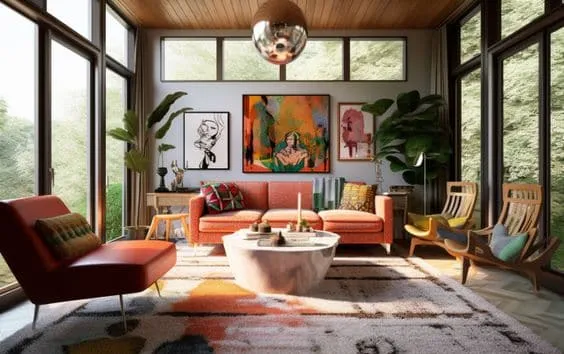
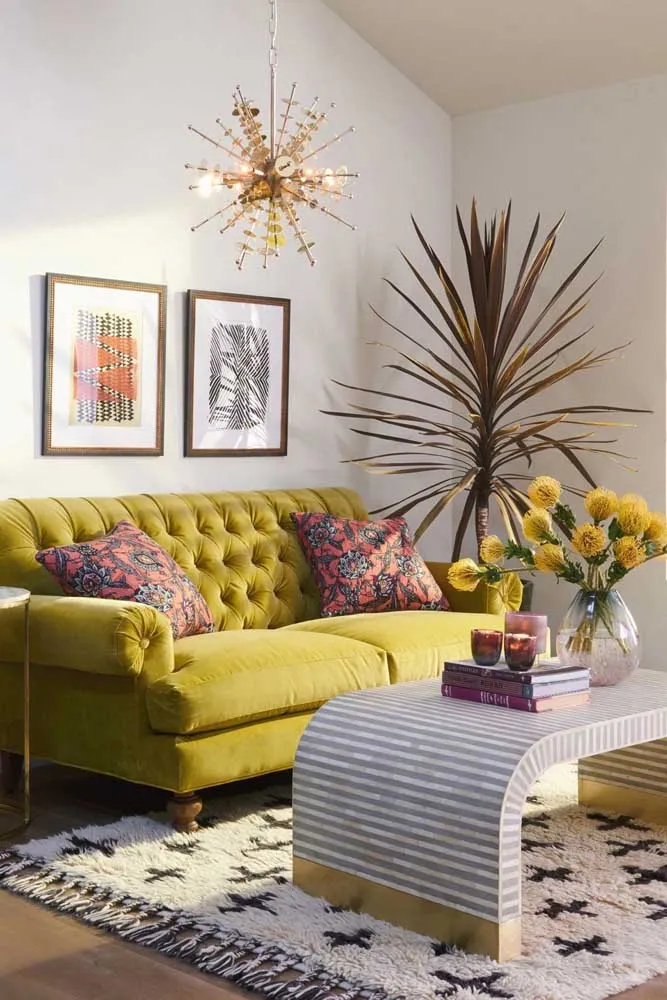
The third color highlights the personality and style of decor. It usually appears in details such as blankets, cushions and planters, as well as noticeably on some walls.
Finally, the fourth and fifth colors (if any) appear more subtly, applied as a point of contrast or harmony with other colors.
Study the Color Wheel
There is a concept called the color wheel. To create your own color palette for a room, you need to understand how it works. The color wheel includes twelve primary colors (in addition to tints) of the visible spectrum. These are:
Primary colors: yellow, blue and red
Secondary colors: green, orange and violet
Tertiary colors: blue-green, orange-red and violet-blue, as well as other compositions.
These colors can be combined infinitely in various ways, as you will see below.
Monochromatic Composition
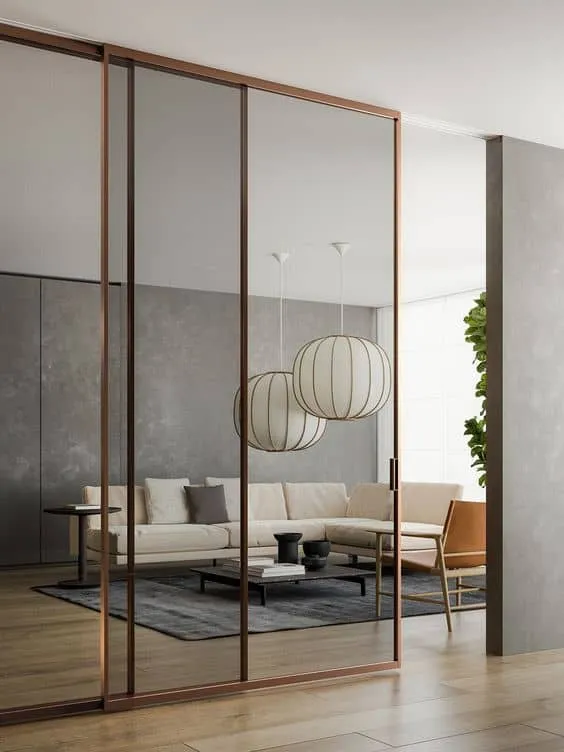
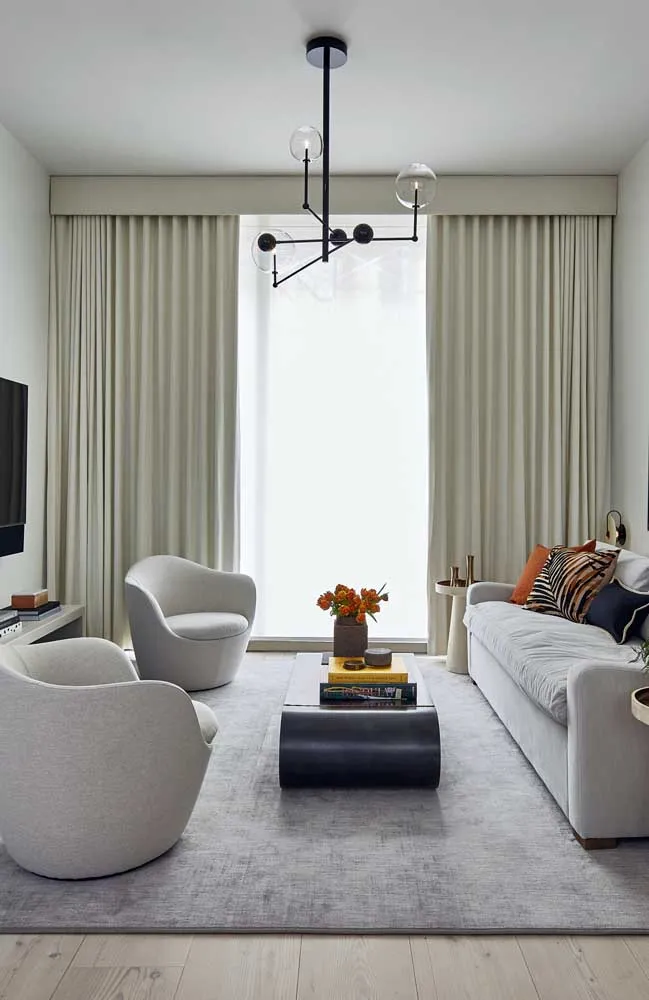
A monochromatic palette is the one commonly known as a gradient. That is, you choose one color and use its tints to form the palette, transitioning from light to dark. This composition is ideal for modern and minimalist interiors.
Analogous Composition
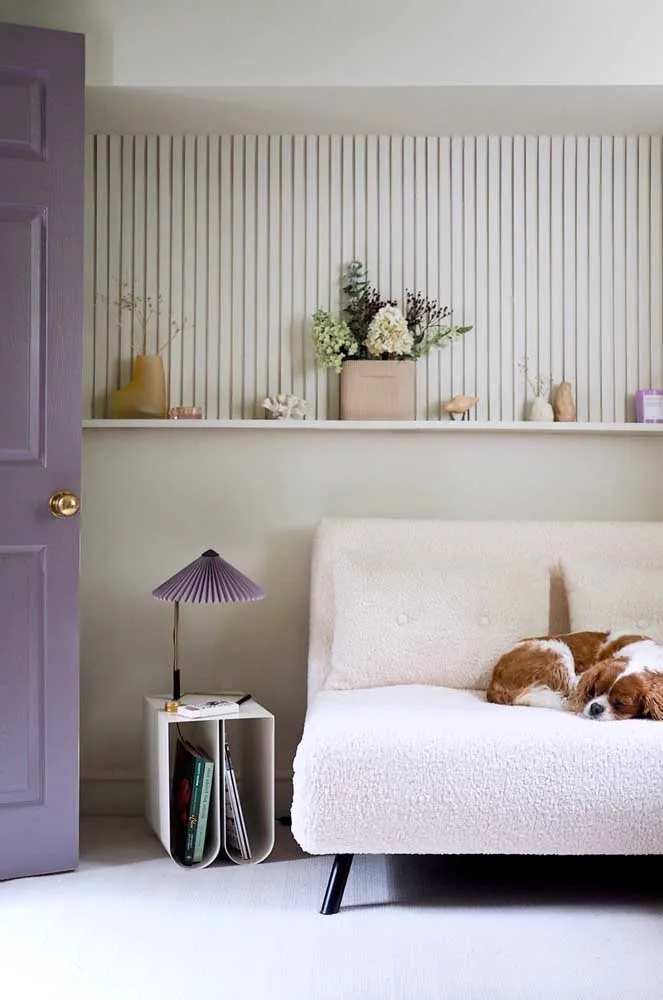
An analogous palette is a combination of similar colors. Although they are different, they share a common chromatic background. For example, blue and green or yellow and red. Analogous colors are located next to each other on the color wheel. But for a balanced result, use tones that correspond with each color.
For instance, if you want to use a turquoise blue shade, find a similar color on the wheel — it would be a medium green tone that is neither too light nor too dark. Analogous colors are excellent for creating classical or modern interiors with elegance and sophistication.
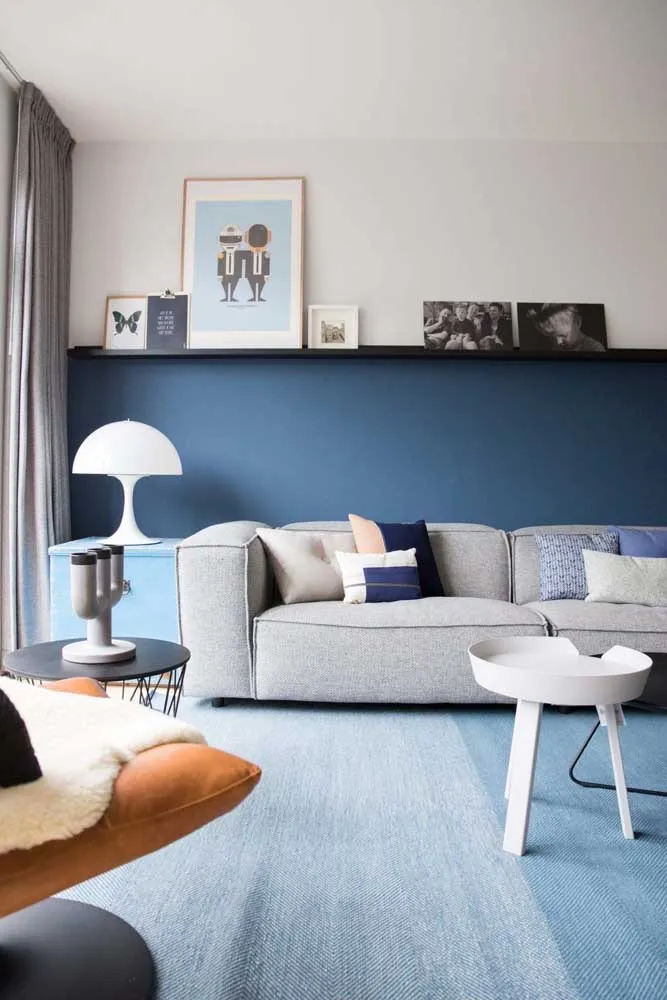
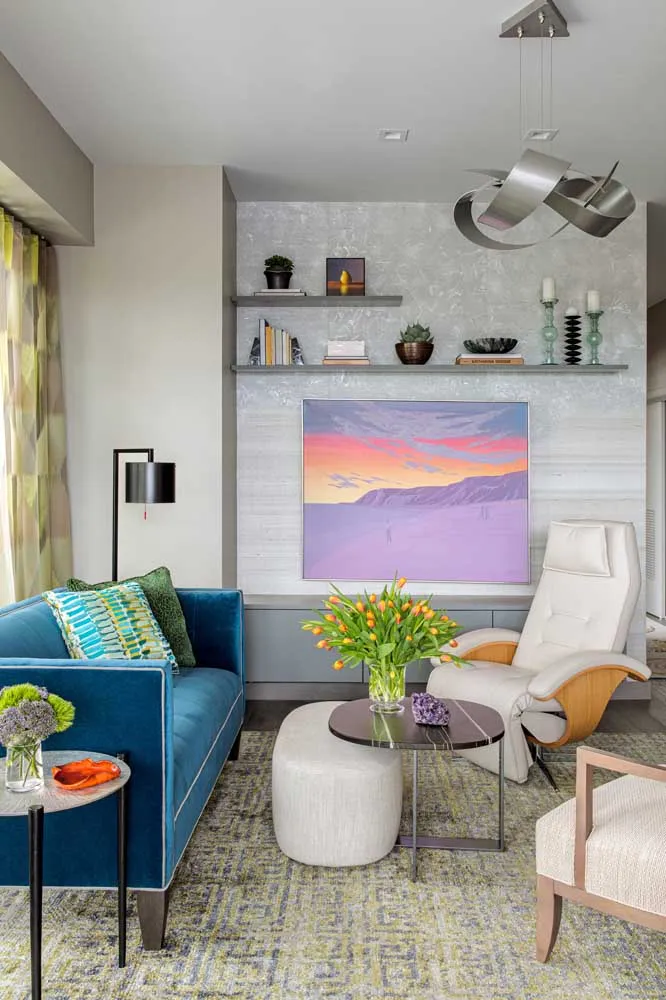
Now let's see how this theory is applied in practice? Here are color palette ideas for living room decor that can inspire you, take a look:
1.
 Pinterest
2.
 Pinterest
3.
 Pinterest
4.
 Pinterest
5.
 Pinterest
6.
 Pinterest
7.
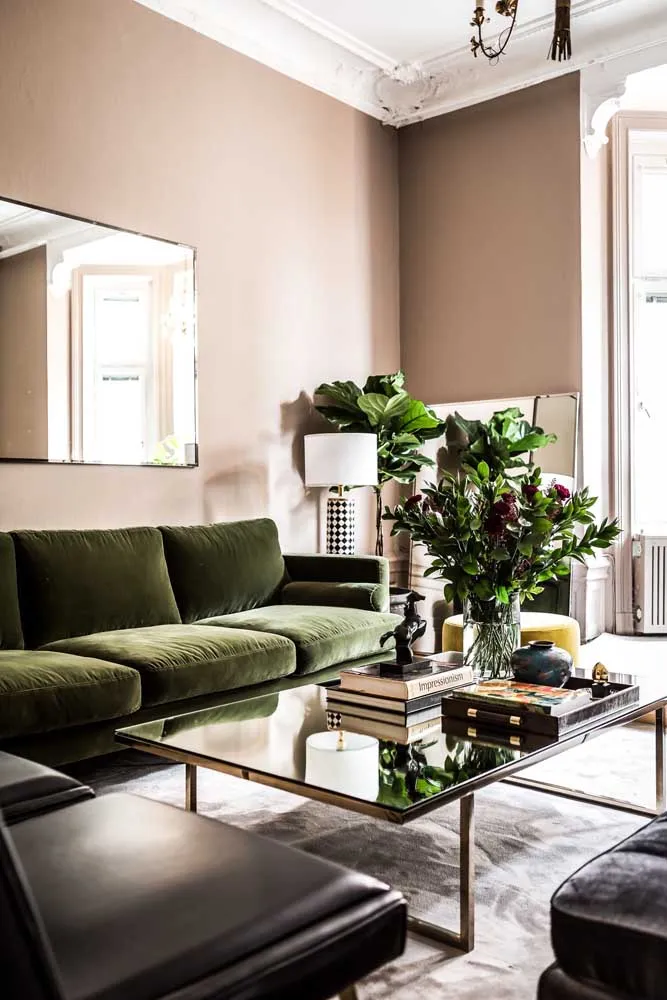 Pinterest
8.
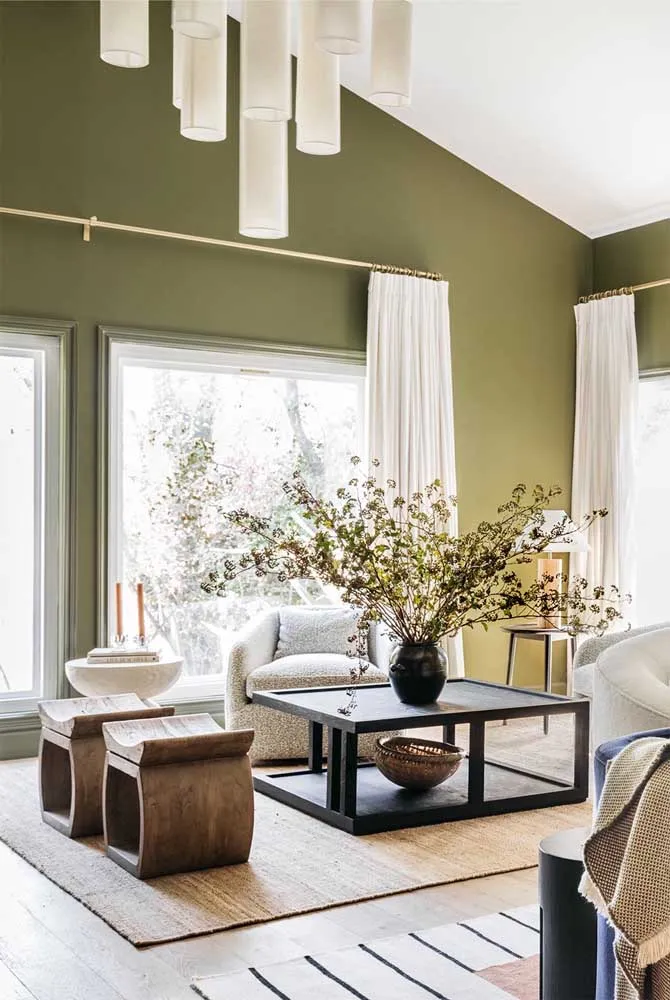 Pinterest
9.
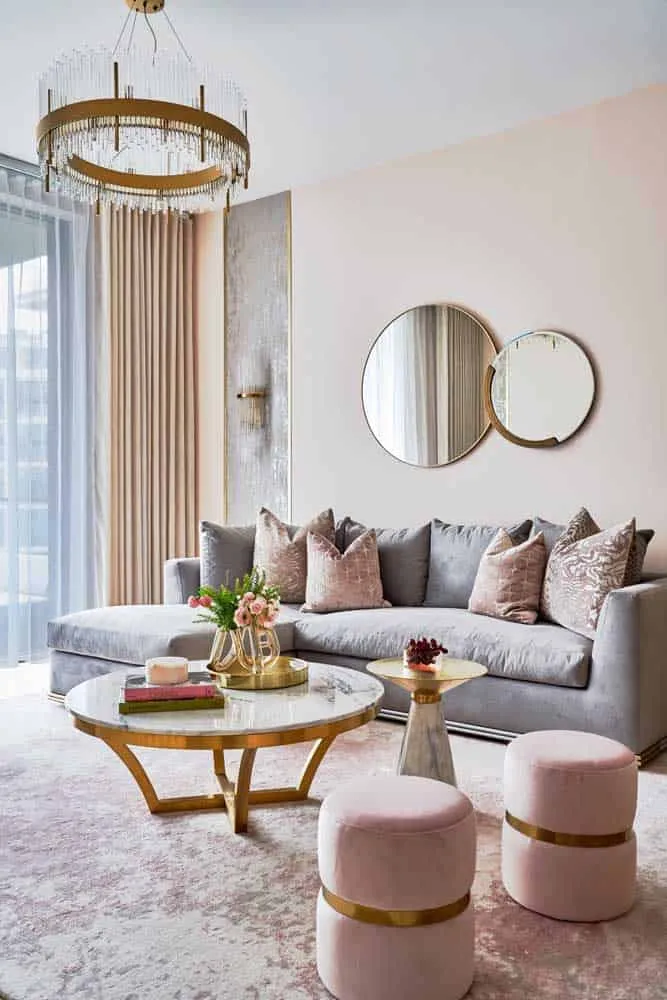 Pinterest