Latest Trends in Commercial Construction and Architecture
Architecture, like many other things in the world, is evolving. Changing human needs, new technologies, and shifts in material availability influence how trends affect commercial building architecture.
Commercial spaces are important because people spend most of their time there. The architecture of commercial buildings is changing to consider aesthetic aspects and practical innovations that make them more functional. Some of the key trends in commercial building design and architecture:
Sustainable Buildings
Commercial building designers are becoming aware of the impact of development on the environment. Sustainable designs include materials that reduce waste, use durable materials to minimize the need for constant replacement, resulting in less waste, as well as recycled materials like recycled steel and reclaimed wood, which reduce the negative impact on the environment.
For example, concrete blocks last a long time, reducing the need for frequent replacement. This is a cost-effective option compared to sheet cladding that needs replacing every few years.
Sustainable buildings save energy by designing structures that maximize space efficiency. Building projects that maximize airflow, light, and electricity use, as well as using readily available local resources to optimize energy consumption.
Energy optimization helps save electricity, which is beneficial for both the environment and profitability. Smart waste management solutions are also an important feature of modern commercial buildings. Recycling is a central part of waste management to reduce environmental load.
Increased Open Spaces and Natural Light
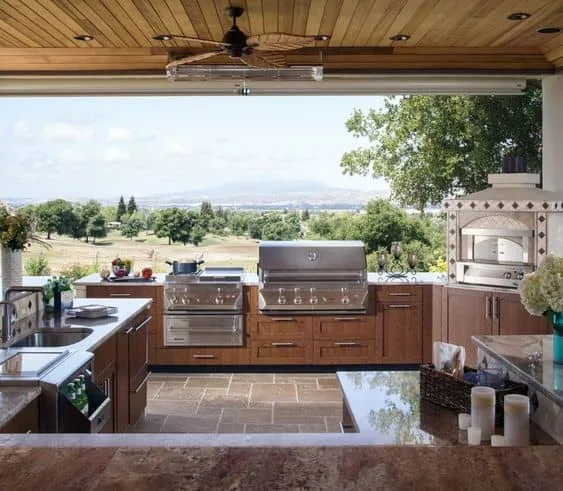
There is a growing demand for more open spaces, with terraces and rooftops transformed into functional zones. As awareness grows that people need bright spaces and outdoor time for rest and productivity, more companies are aiming to create open areas where people can gather for lunch or collaborative breaks.
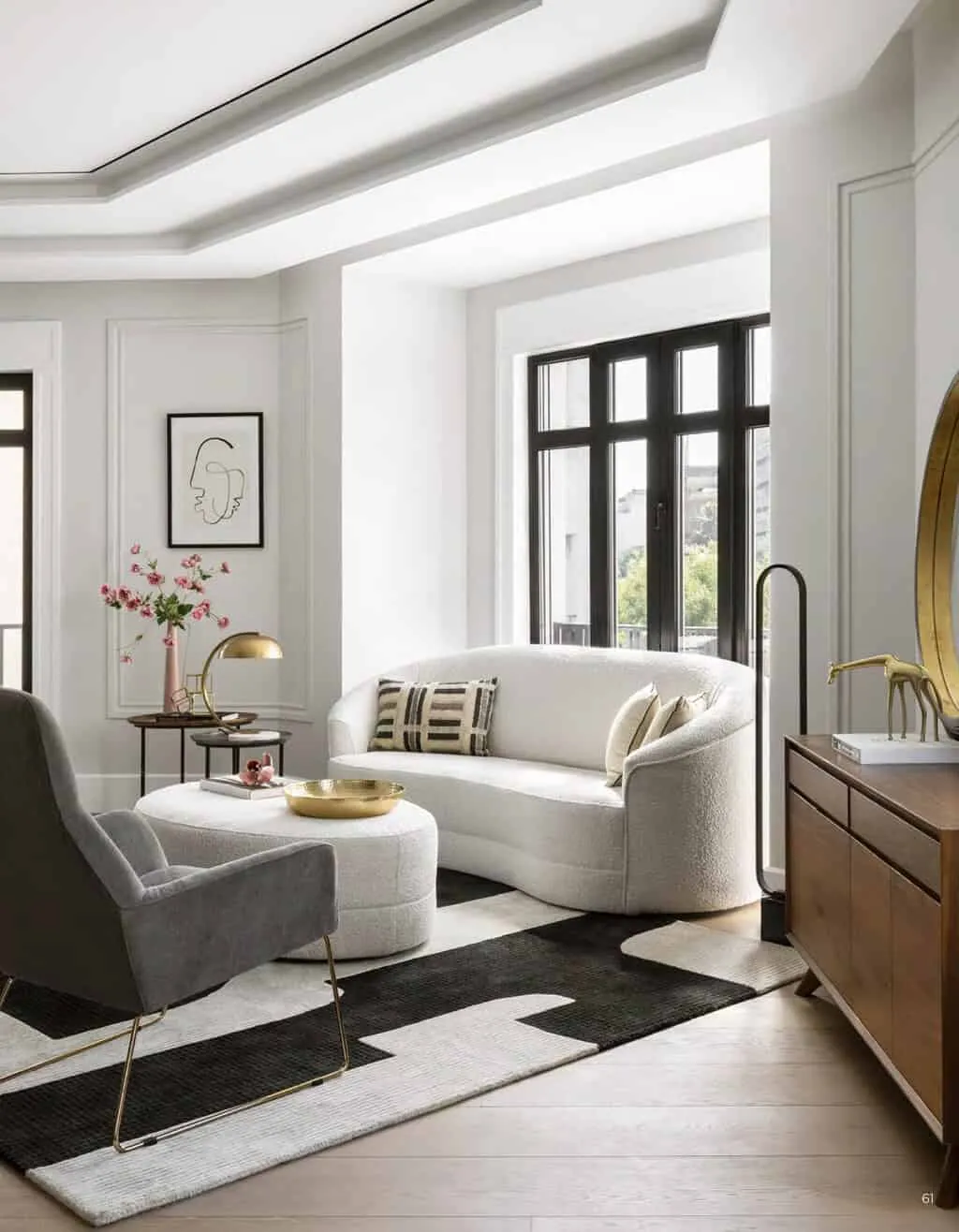
Employee well-being is an important aspect that employers must consider. More companies are seeking commercial spaces with green zones, large windows, and sound insulation. People working in environments with lots of light and greenery are more productive because it supports their health.
Companies like GS Building have observed increased interest in commercial buildings with more spacious interiors after the coronavirus pandemic. Employees also feel safer in work areas with adequate air circulation.
Open Workspaces
Collaborative open areas in building design are becoming popular. Open spaces that allow people to gather and share ideas are growing more common. Designers create such zones to provide opportunities for informal meetings.
Most of these spaces will feature comfortable seating areas, natural light, locations both inside and outside the building, and soundproofing. This environment allows others to continue working without being disturbed by activities happening in the room.
Innovative Solutions
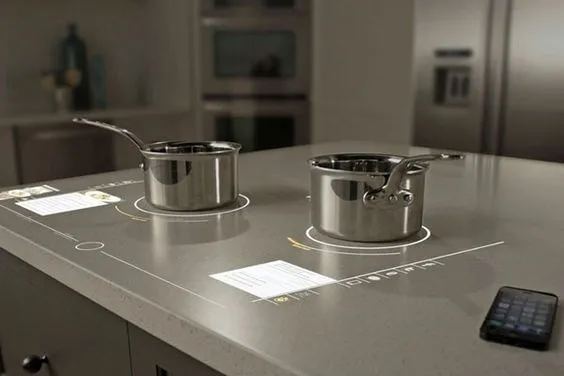
With increasing technological advancements, practical innovations are increasingly being integrated into commercial building design to make workspaces more efficient. The use of technological solutions such as motion-sensor lighting systems that only operate when someone is in the room is growing. Doorway motion sensors and voice-activated elevators also help people access common areas without needing to touch them.