Screws vs Nails - Which Are Better for Home Repair
You can immediately notice the difference between a screw and a nail. As two very important construction elements, nails and screws play an essential role in home restoration and improvement. Despite other possible uses, this article focuses specifically on home renovation projects such as window replacement, floor installation, and additions. It's impossible to complete any home restoration project—regardless of its size—without screws and/or nails. Learn more about the similarities and differences between nails and screws.
Not Suitable for All Home Renovation Projects
Nails and screws are not suitable for all renovation tasks. For example, when installing drywall, specialized screws are required. Nails won't work due to their design and behavior. One hammer blow is likely to damage the drywall. As you already know, one strike rarely fully drives a nail in.
Screw Fasteners, on the other hand, are not suitable for roof repair or installation. The way screws are applied will inevitably damage wooden sheathing, slate, and underlayment waterproofing. Nails easily penetrate through all roof layers, whereas screws may cause light to moderate damage along the way.
Necessary Tools
Regardless of whether you choose screws or nails, it's important to ensure that you have the right tools. Ultimately, this means you'll need a screwdriver or hammer. For nails, they must be driven in with a hammer. As for screws, they are tightened using a screwdriver until flush with the surface. If you take home projects seriously, it's wise to have both tools on hand. In any case, you should know the difference between nails and screws.
Screws Don't Unscrew
If you're building something that should last long, durability is a key consideration. While nails are useful, they won't hold wood securely. They have less gripping power than screws due to their design. If you want to be sure that fasteners stay in place for a long time, choose screws. They feature a unique design that ensures reliable hold over many months.
With nails, you might need to drive them in again. With screws, you probably won't have to re-tighten them into wood after a few months.
How to Install
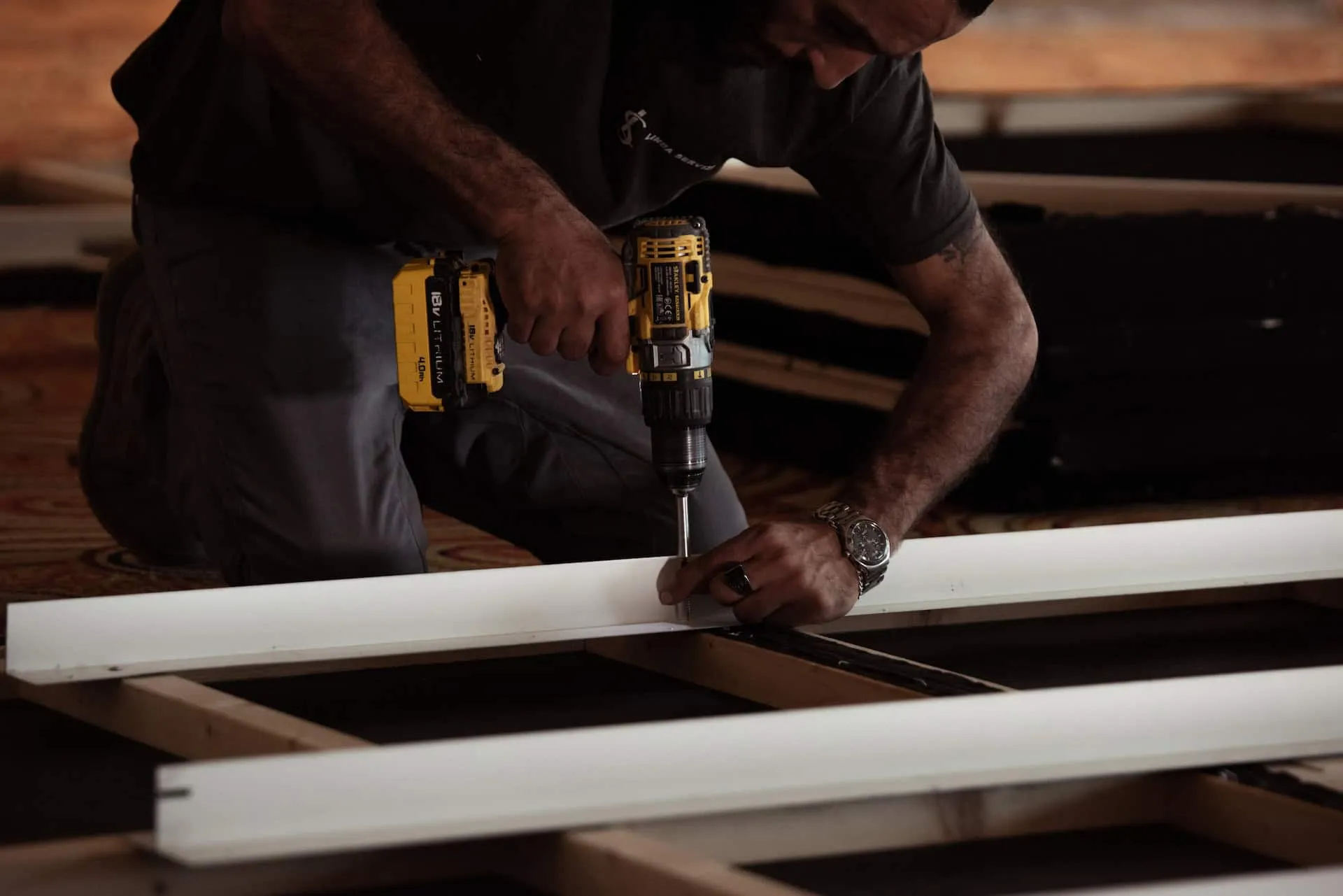
One important rule is that screws differ in use. With nails, you'll need a hammer to install them. You have to hold the nail with one hand and strike it with the flat side of a hammer. Unfortunately, this means you'll sometimes hit your fingers accidentally. However, over time you’ll get better at installing nails. Nevertheless, you'll find it much easier to install screws if you have an electric drill.
All you need to do is insert the sharp end into wood and press the trigger. Once done, the screw will go deeper into the wood and securely fasten.
Summary
Nails and screws are useful for different reasons. Therefore, it's important to know which one is better suited for your project. If you're building a deck, you’ll probably want to use screws because they don't unscrew. When walking on the deck, materials shift slightly over time. This may cause nails to loosen and eventually make your deck unstable. Using screws can help prevent this.