Innovative Roberto Rocca Building by Filippo Taidelli Architects in Milan, Italy
Visionary Center for Science, Medicine and Innovation
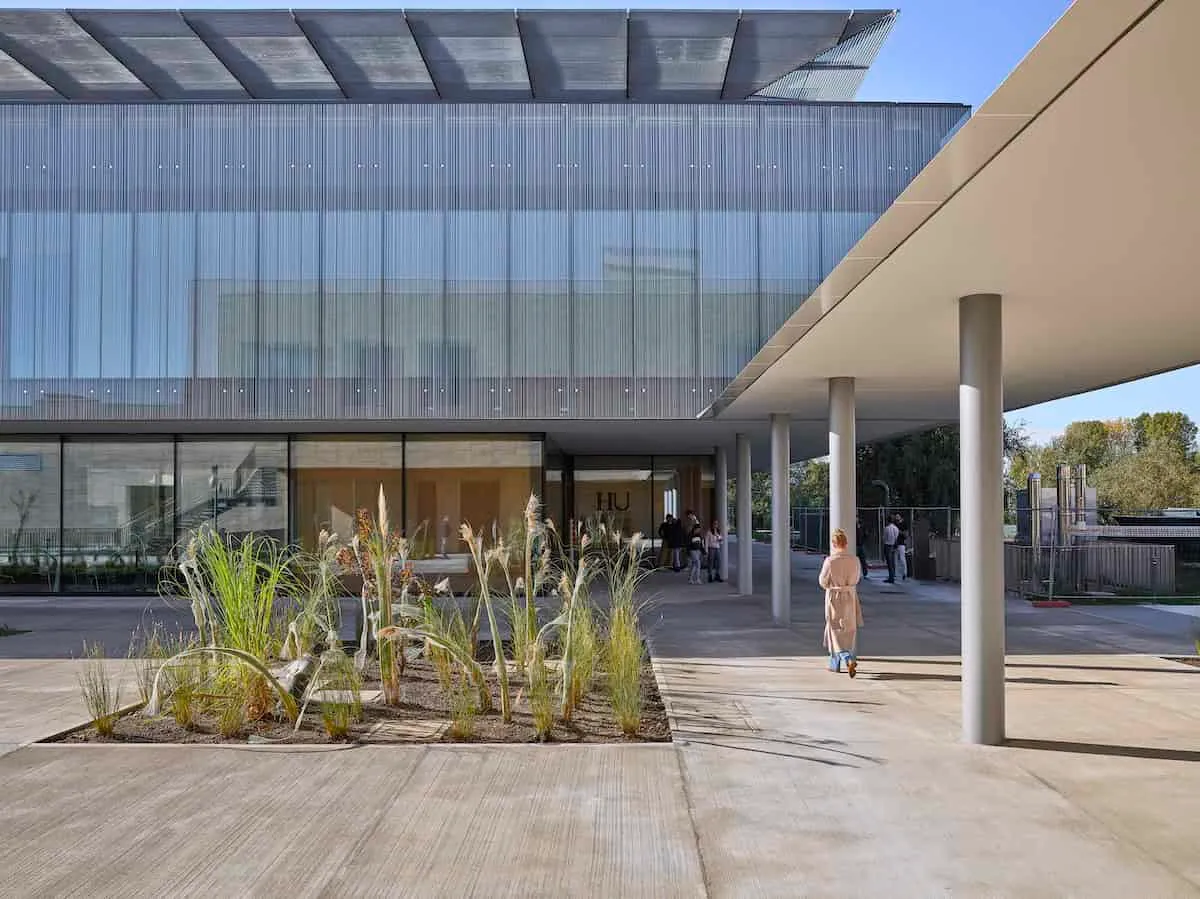
The Roberto Rocca Innovation building, designed by architects Filippo Taidelli Architects (FTA), redefines educational and research architecture. Located on the Humanitas university campus near Milan, this new center brings together medicine and biomédical engineering (MEDTEC school) — a collaboration between Universitá Humanitas and the Milano Polytechnic University.
Sprawling across three levels and covering 6,000 square meters, the project embodies the connection between architecture, science and human-centered approach, creating a new type of campus that promotes innovation, collaboration and sustainable development.
Context: Designing the Future of Knowledge
"In a high-tech environment — between artificial intelligence and precision medicine — the challenge was to create a building that reflects the idea of innovation and future", says Filippo Taidelli.
Situated at the boundary between the southern agricultural belt of Milan and the Humanitas university complex (also designed by FTA in 2017), the building completes a campus envisioned as a "factory of knowledge". Here, research, education and experimentation converge through facilities for 3D printing, AI research, and advanced biomédical training.
The result is a structure that not only houses science but also expresses it architecturally — transparent, dynamic and open to constant change.
Spatial Concept: The Knowledge Nest
At the heart of the building is a large central span, defined by laminated wooden beams and exposed concrete slabs. This single-span space functions as a flexible "knowledge nest" — a reconfigurable environment capable of adapting to future needs.
FTA's design promotes physical and visual continuity with the rest of the campus, yet offers a lighter and more transparent formal language. The result is an architectural dialogue between strength and openness, permanence and adaptability.
On the first floor, a 500 m² multifunctional atrium forms the social core, surrounded by reconfigurable classrooms, reading rooms and problem-based learning spaces. The second floor includes the AI Center and advanced 3D printing laboratories, while the third floor houses administrative offices with views of green terraces. The basement contains precision optics labs and student training centers.
This nonslanted layout encourages interaction among students, faculty and researchers, transforming the entire building into a living ecosystem of exchange.
Architectural Style: Light, Flexibility and Connection
The double glazed facade system acts as a climatic buffer and symbolic device — a "light box" combining transparency with efficiency. The outer glass layer regulates solar heat, while the ventilated cavity ensures natural cooling and energy performance.
Inside, spaces are bright and flexible. Instead of traditional corridors, FTA introduces open educational terraces, informal relaxation zones, and transparent classrooms, blurring the boundaries between learning and socialization. This approach reflects a human-centered philosophy, prioritizing natural light, visual comfort and spatial inclusivity.
Material Strategy: Wood as Tomorrow's Architecture
Wood defines the architectural and emotional identity of the project. Used in combination with concrete and glass, it provides warmth, durability and innovative structure.
As Filippo Taidelli states, "Wood is the most renewable material — expressive, flexible and reusable. It's the brick of tomorrow".
The wooden glued-laminated frame and prefabricated elements were designed to minimize waste and construction time, achieving exceptional aesthetic precision. The result is a building that embodies both technological advancement and craftsmanship.
Eco-Sustainability and Efficiency
FTA approached sustainability as a comprehensive principle, integrating ecological efficiency from concept to construction.
Key strategies:
Ventilated double facade system for passive thermal control and optimized natural lighting.
Solar panels and geothermal systems, making the Humanitas campus fully carbon-neutral.
Rainwater and greywater recycling for irrigation and toilet systems.
Dynamically adaptive LED lighting, adjusting to occupancy and natural light.
FSC® certified furniture and modular construction to reduce emissions.
Using a hybrid structure of wood and concrete, FTA significantly reduced the building's CO₂ emissions, addressing one of the most pressing issues in sustainable construction.
Blueprint for Human Innovation
The Roberto Rocca Innovation building embodies a new generation of educational architecture — adaptive, sustainable and emotionally intelligent.
Through the interplay of light, materials and openness, Filippo Taidelli Architects have created more than just a university building. It is a symbol of progressive design, where architecture becomes a catalyst for learning, collaboration and scientific discovery.
Photo © Nemo Monti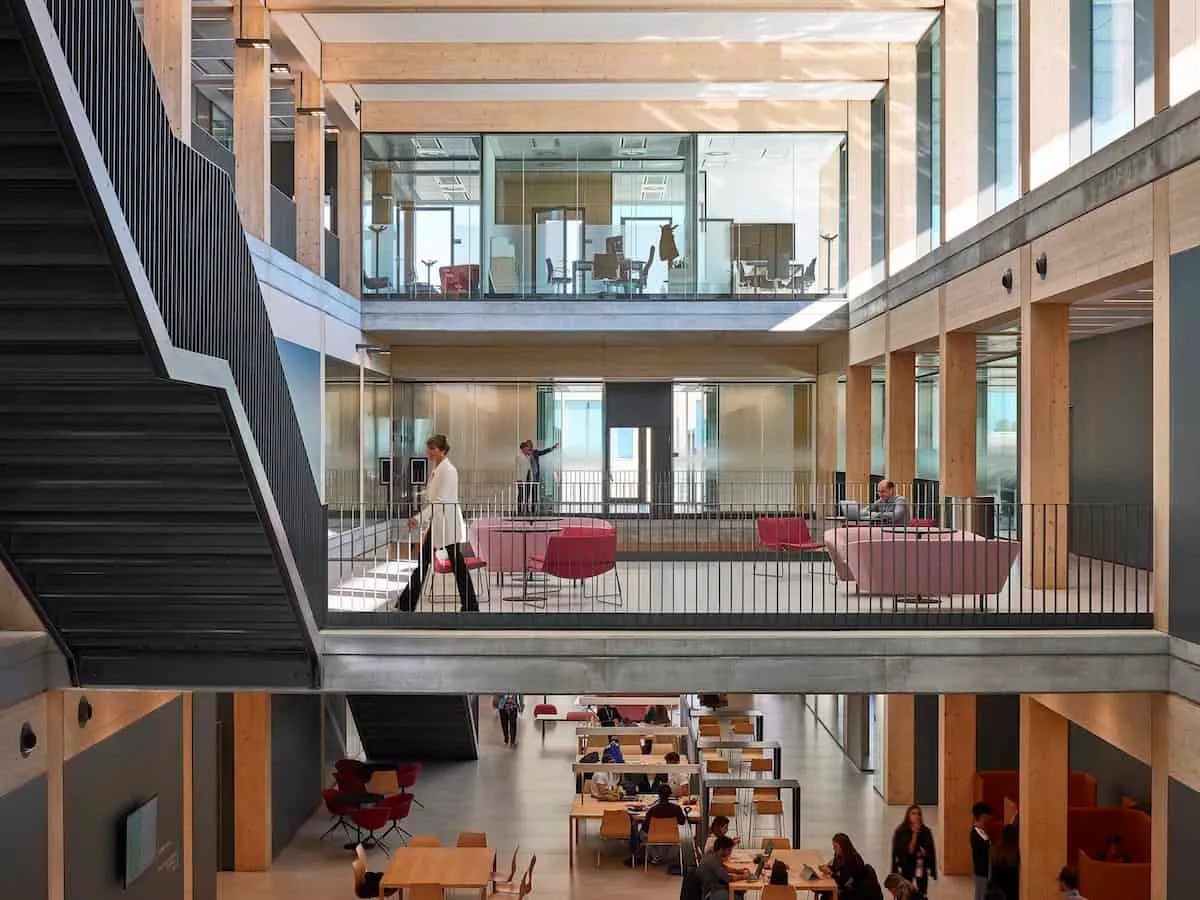 Photo © Nemo Monti
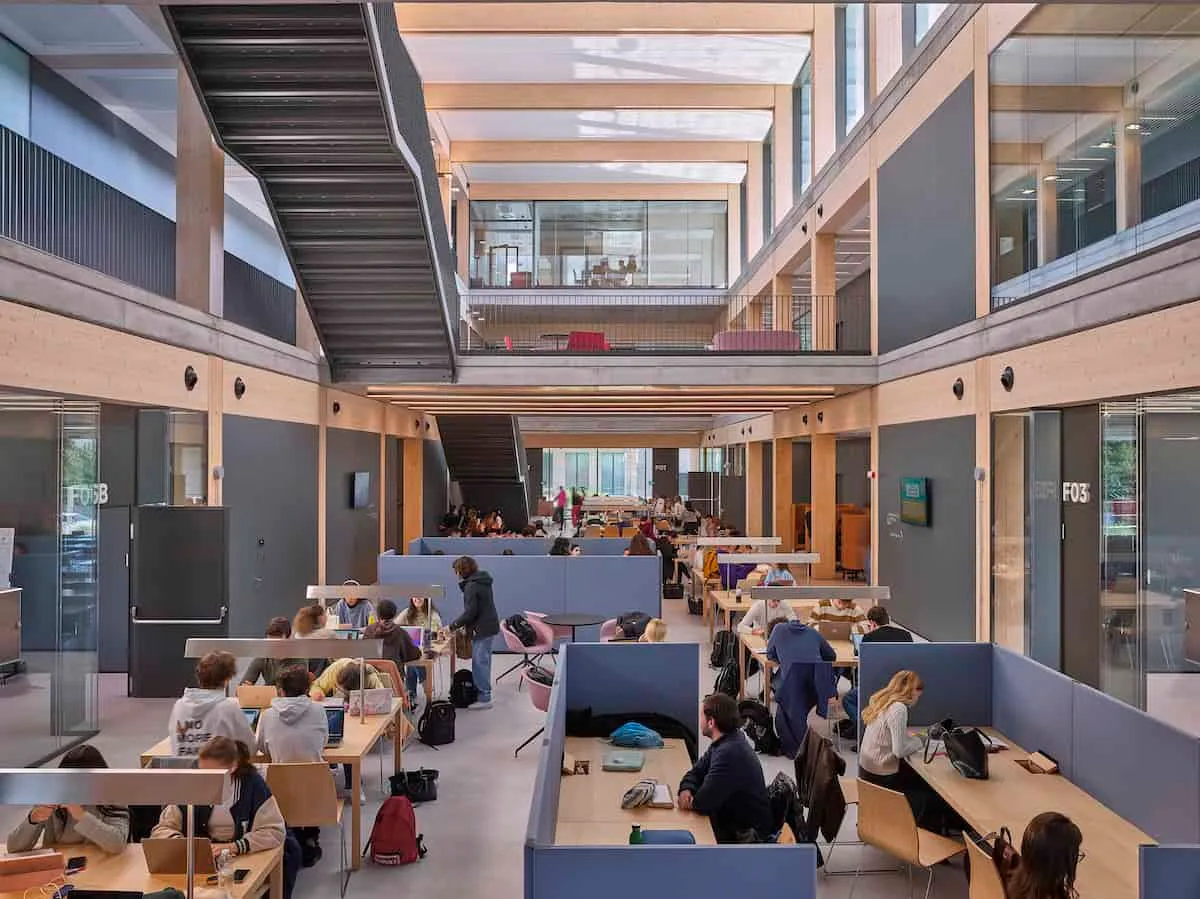 Photo © Nemo Monti
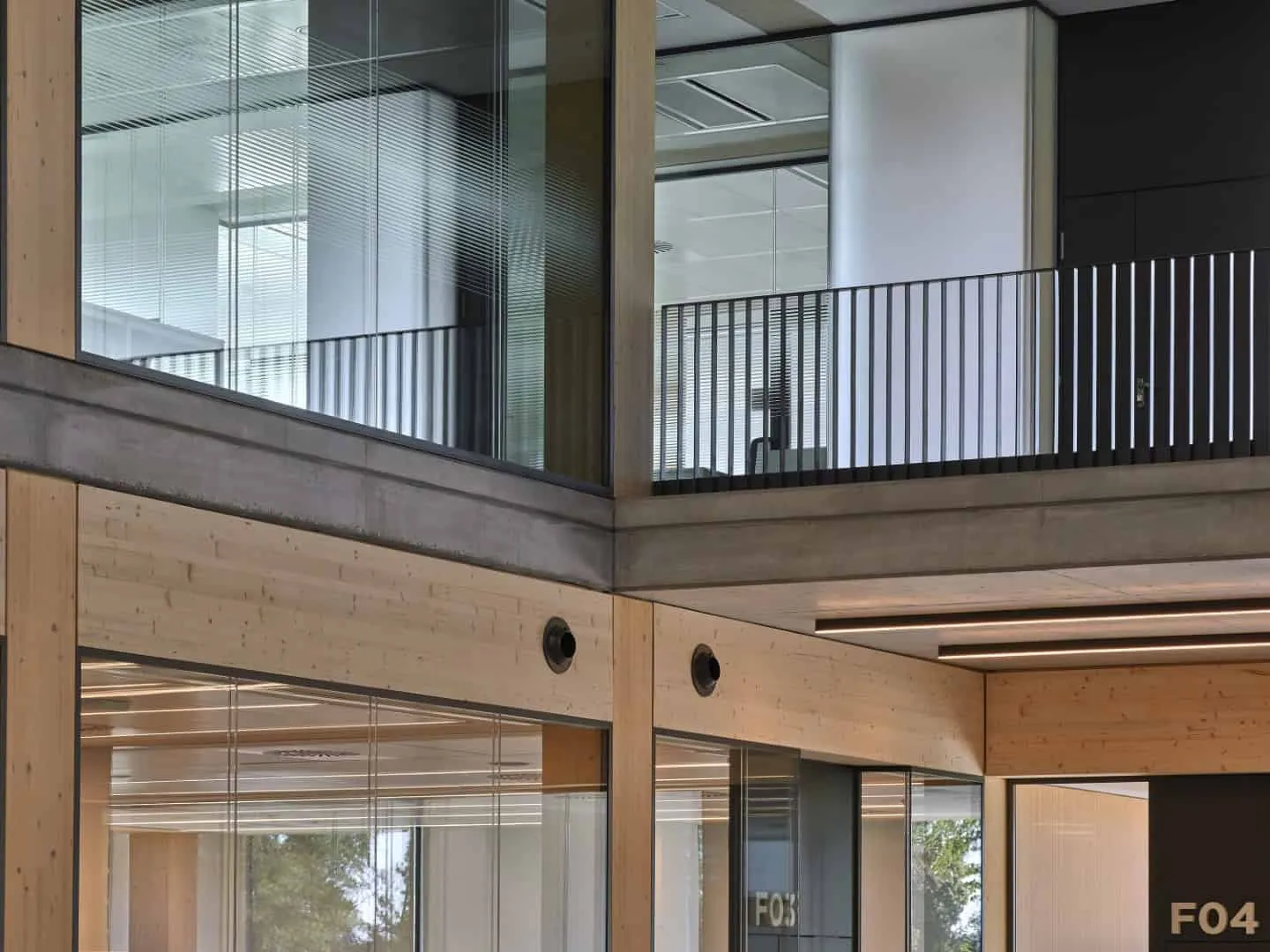 Photo © Nemo Monti
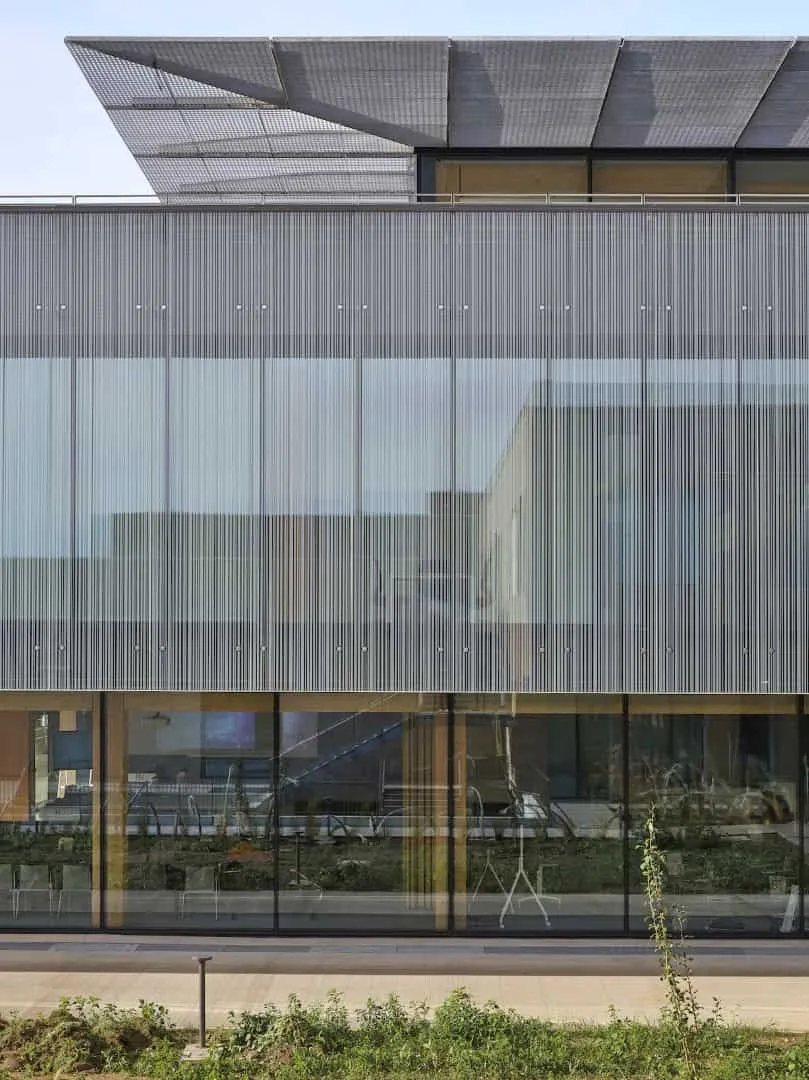 Photo © Nemo Monti
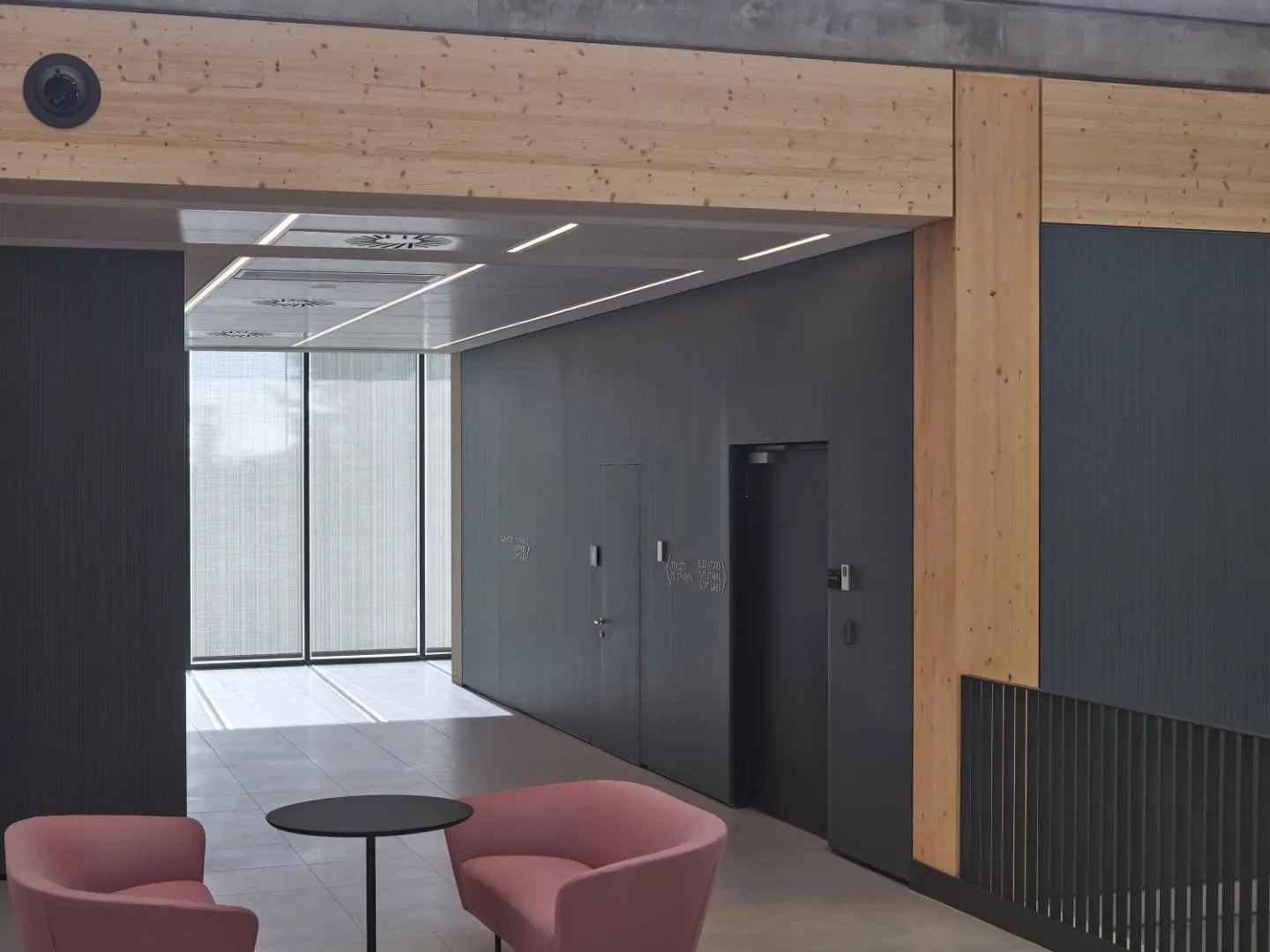 Photo © Nemo Monti
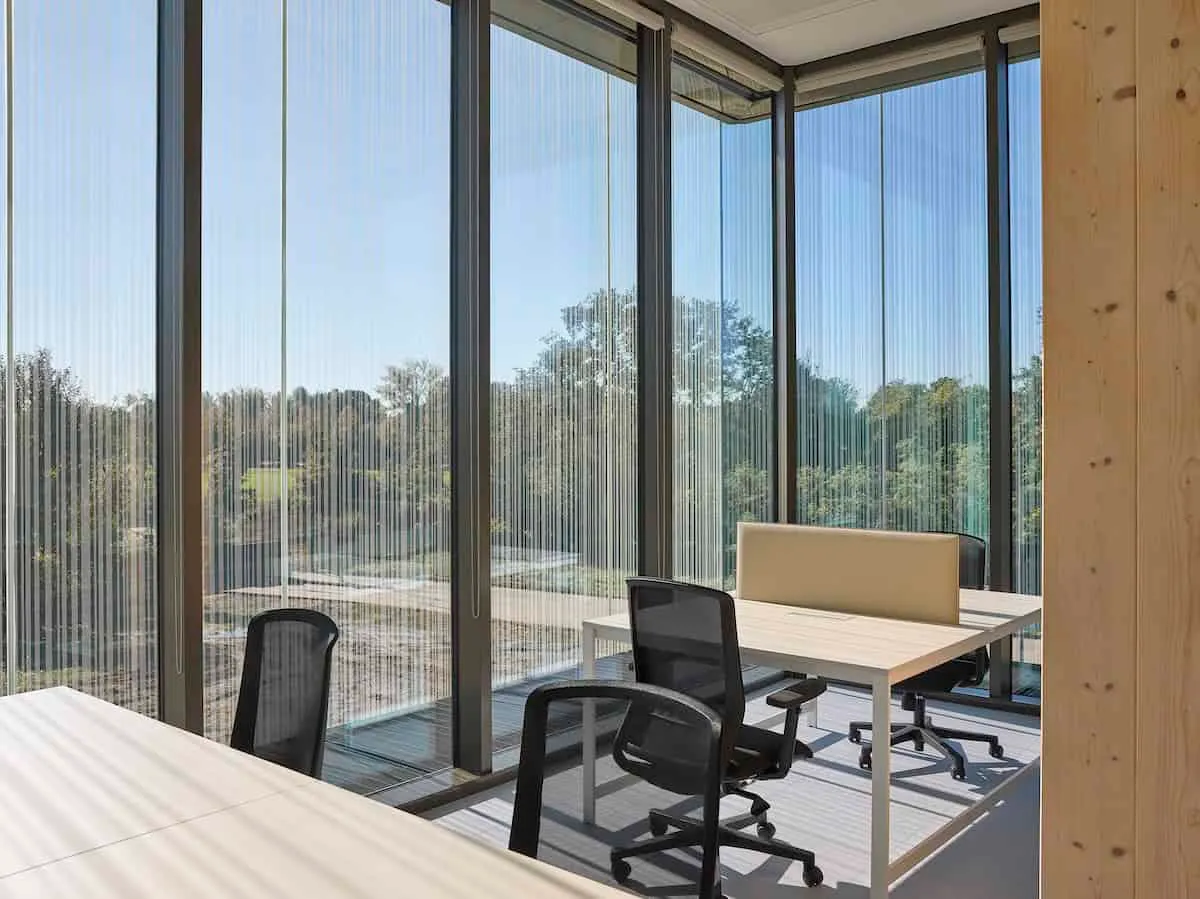 Photo © Nemo Monti
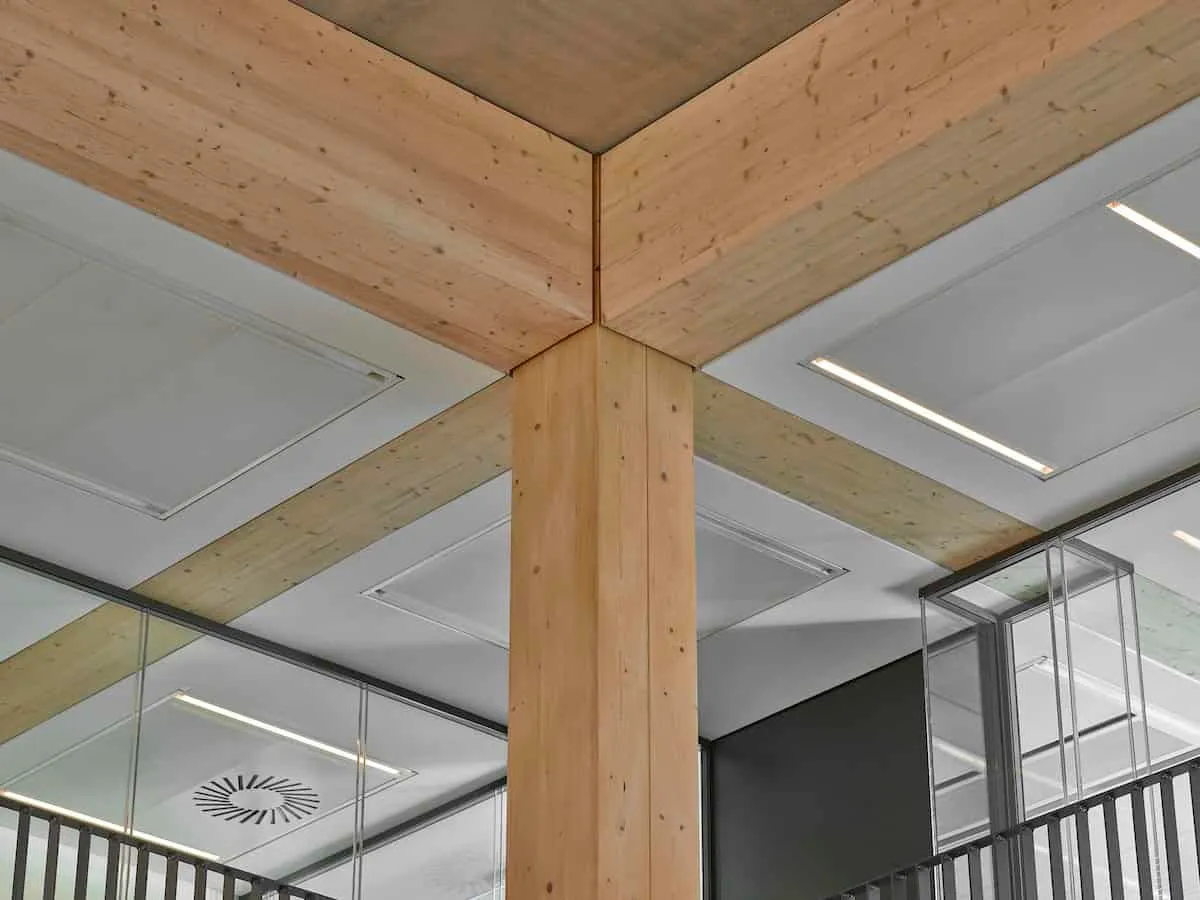 Photo © Nemo Monti
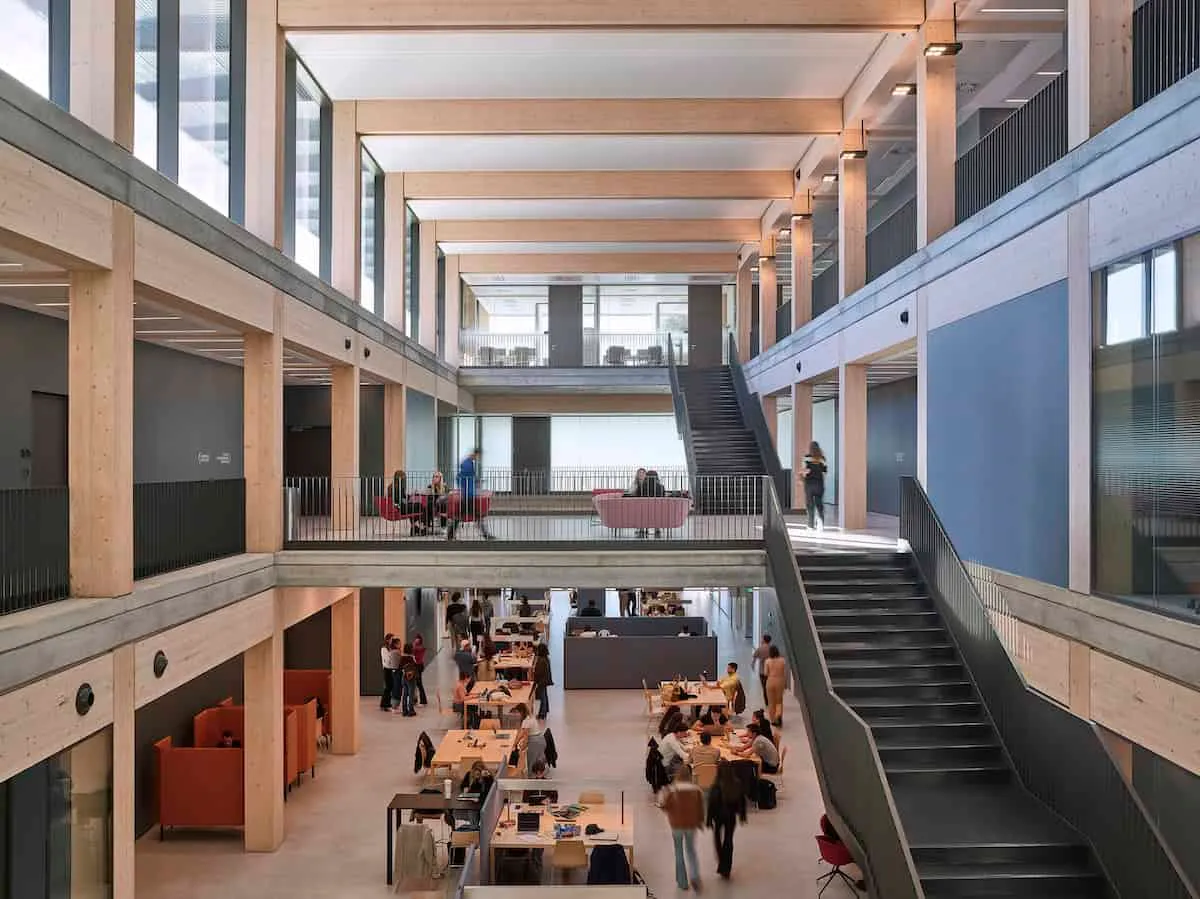 Photo © Nemo Monti
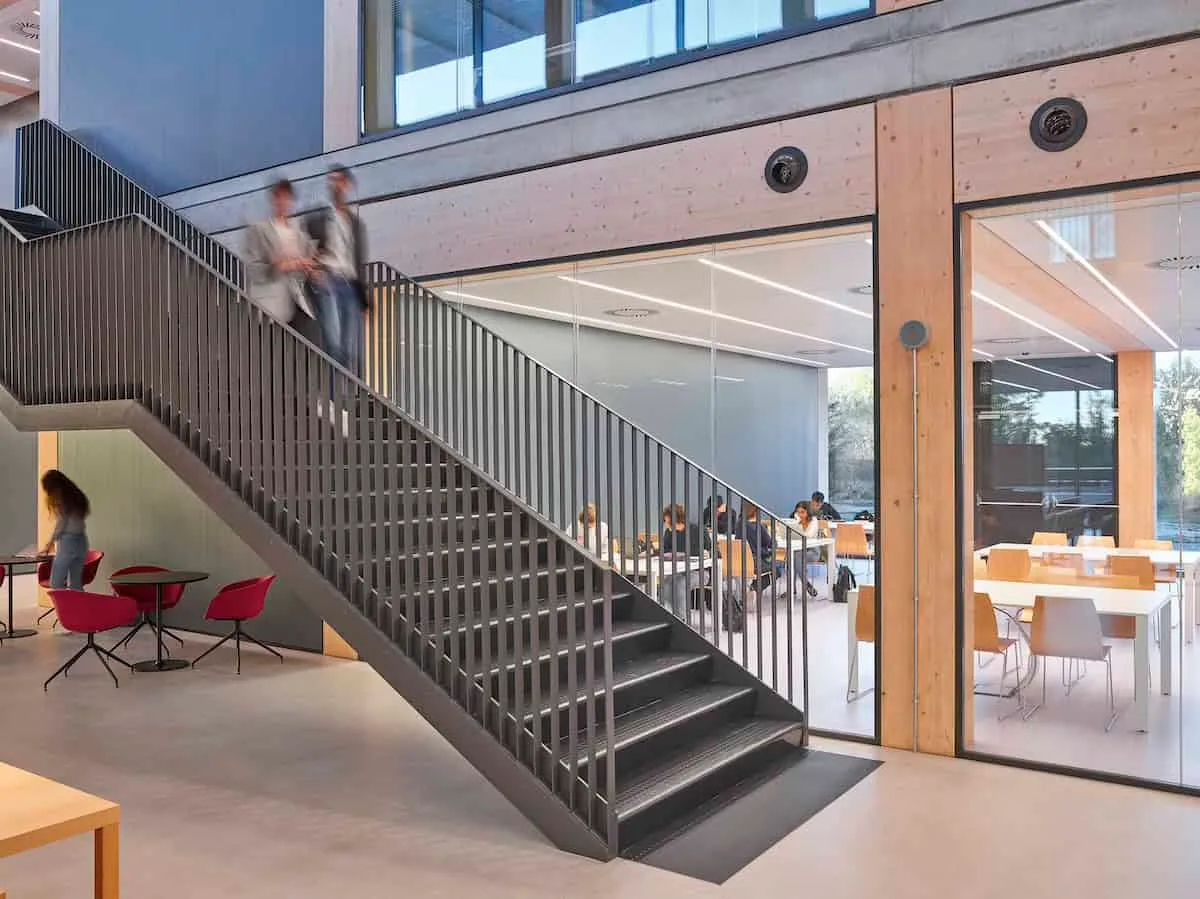 Photo © Nemo Monti
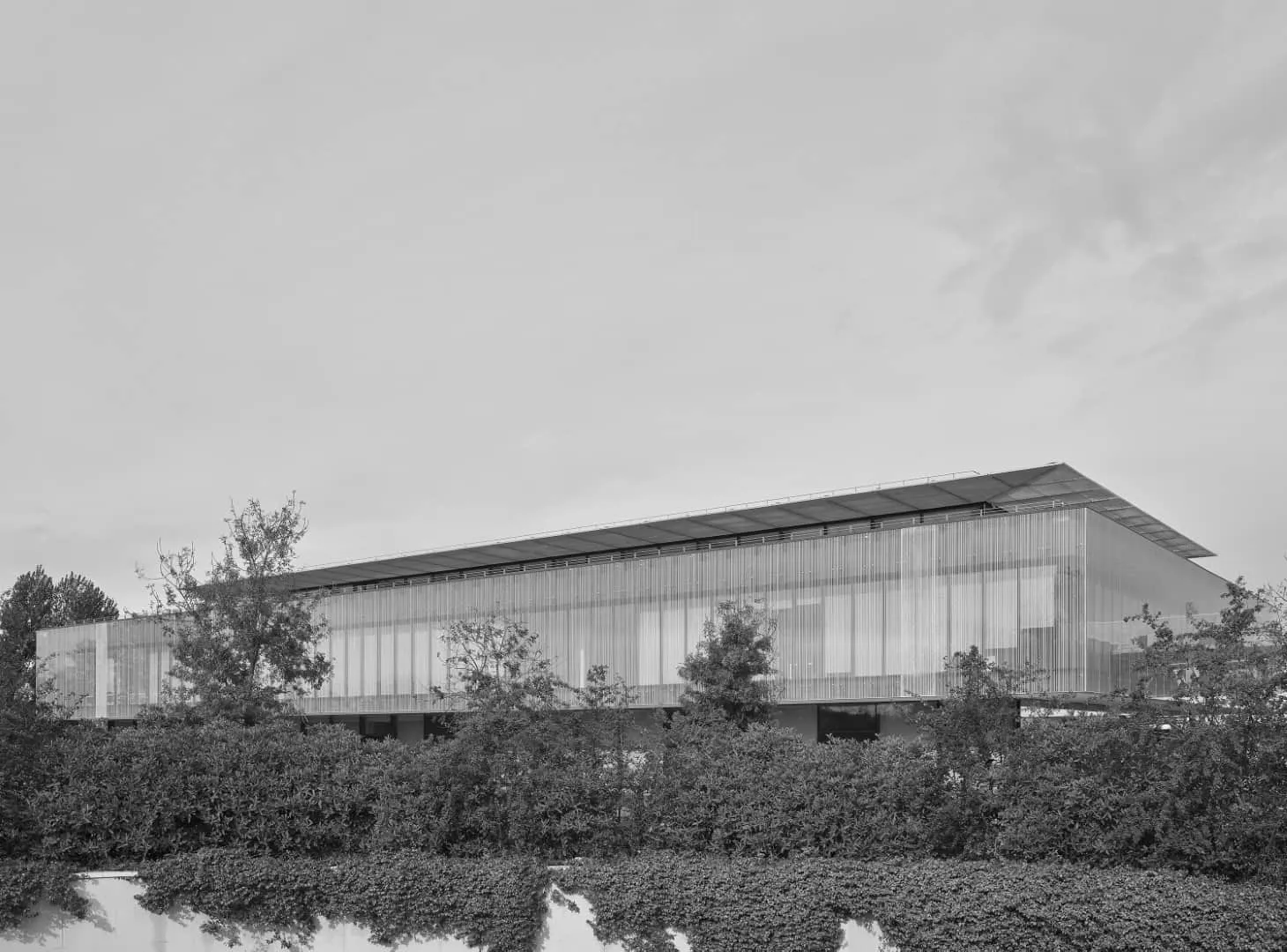 Photo © Nemo Monti
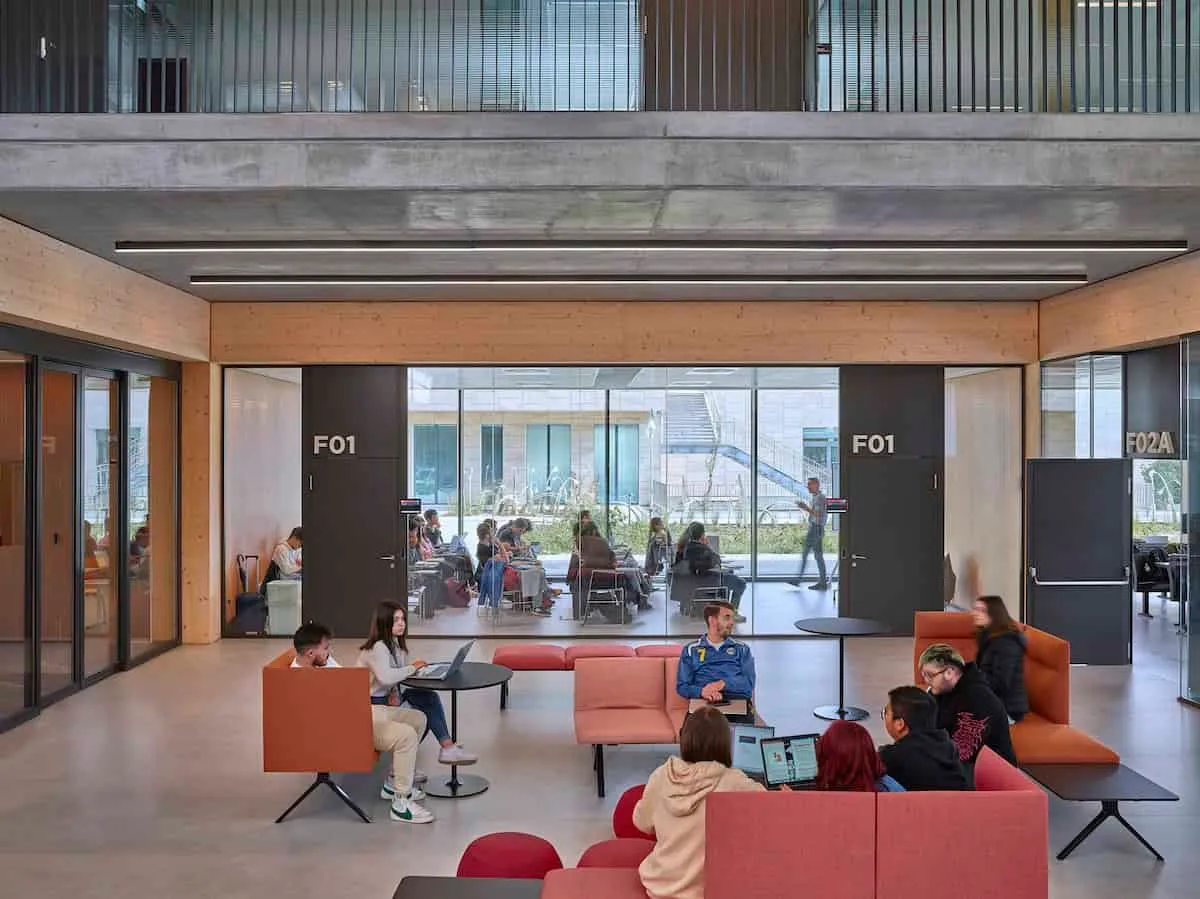 Photo © Nemo Monti
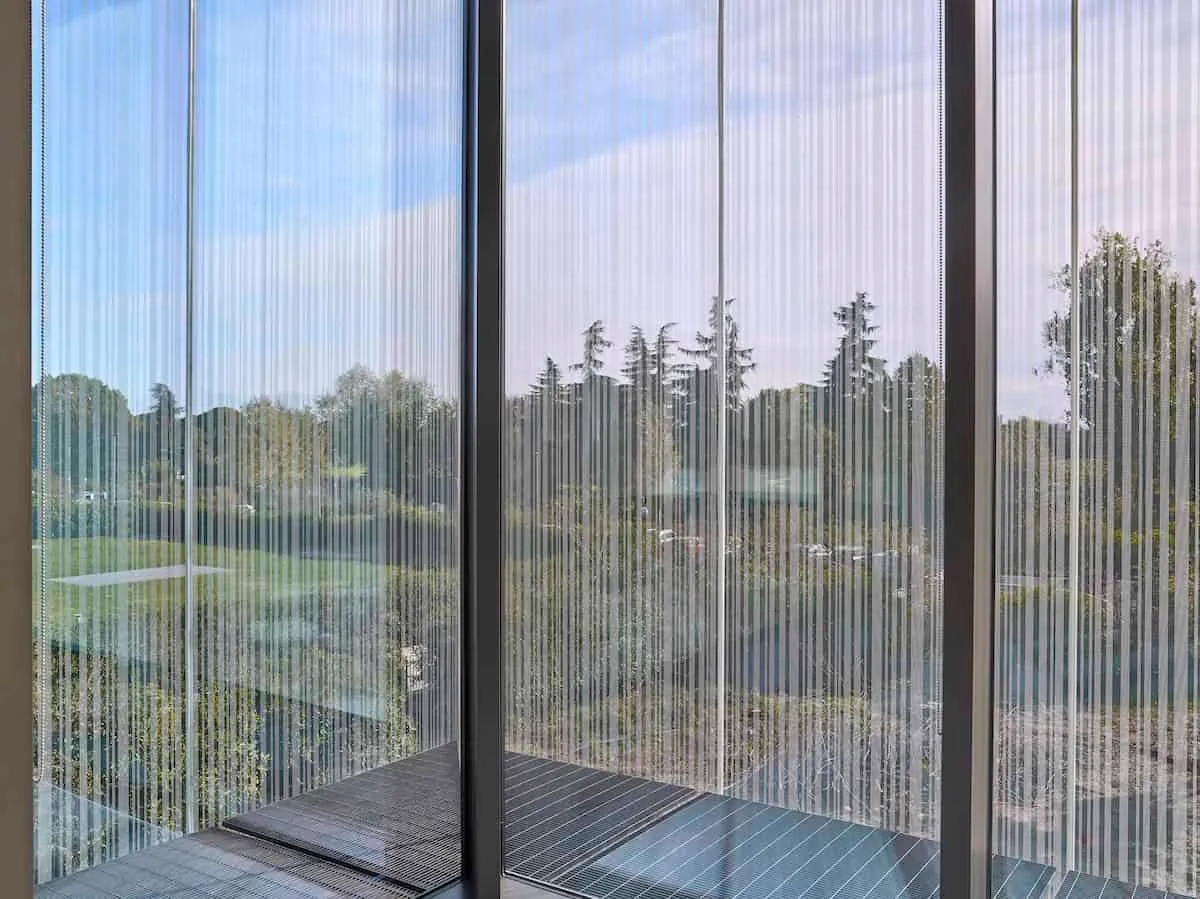 Photo © Nemo Monti
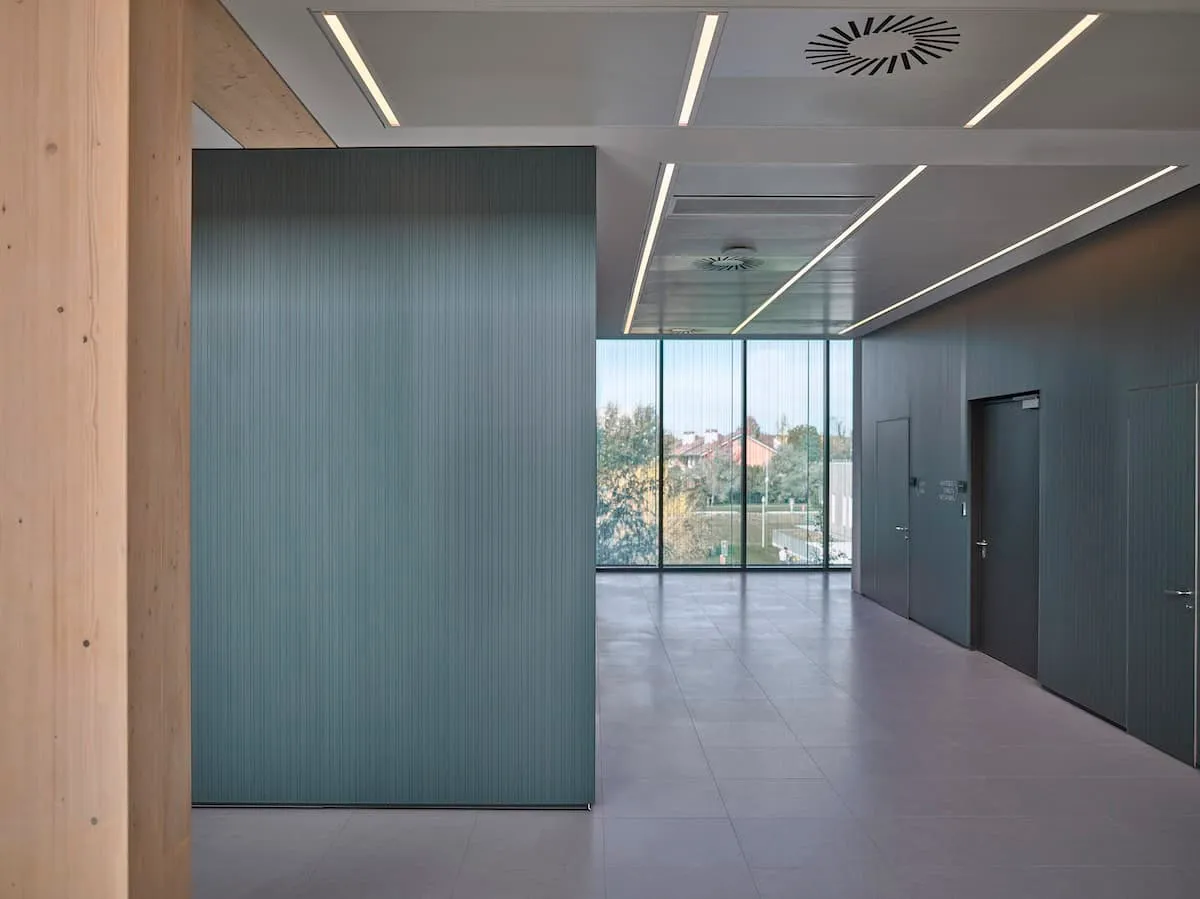 Photo © Nemo Monti
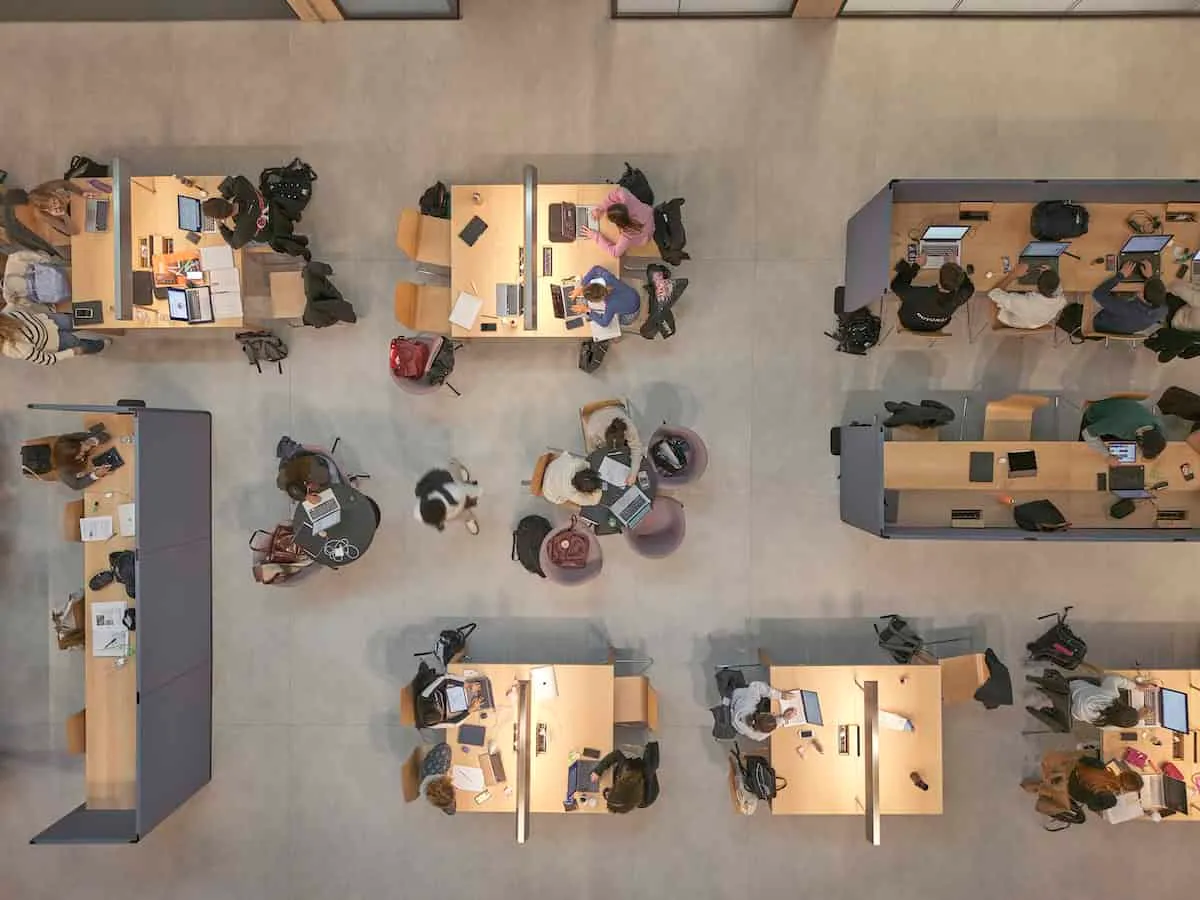 Photo © Nemo Monti
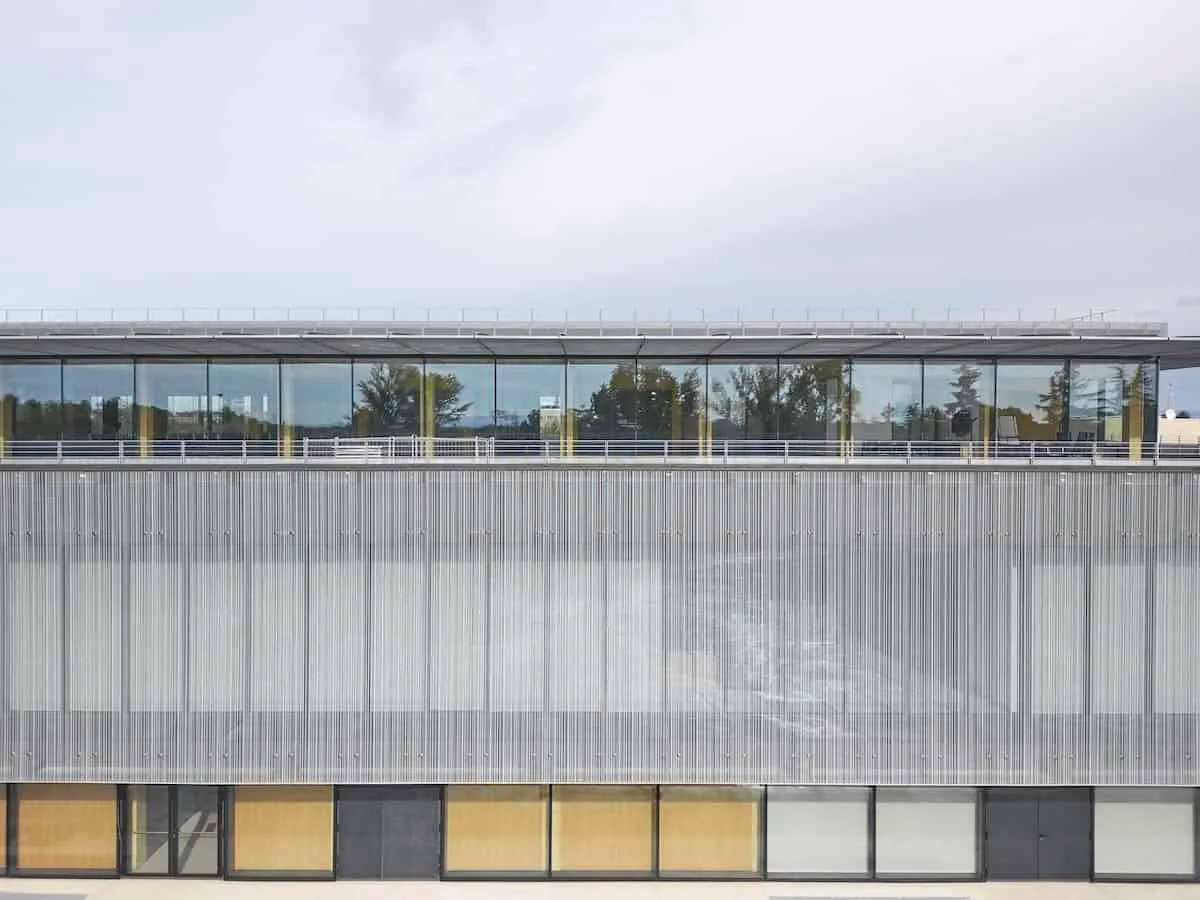 Photo © Nemo Monti
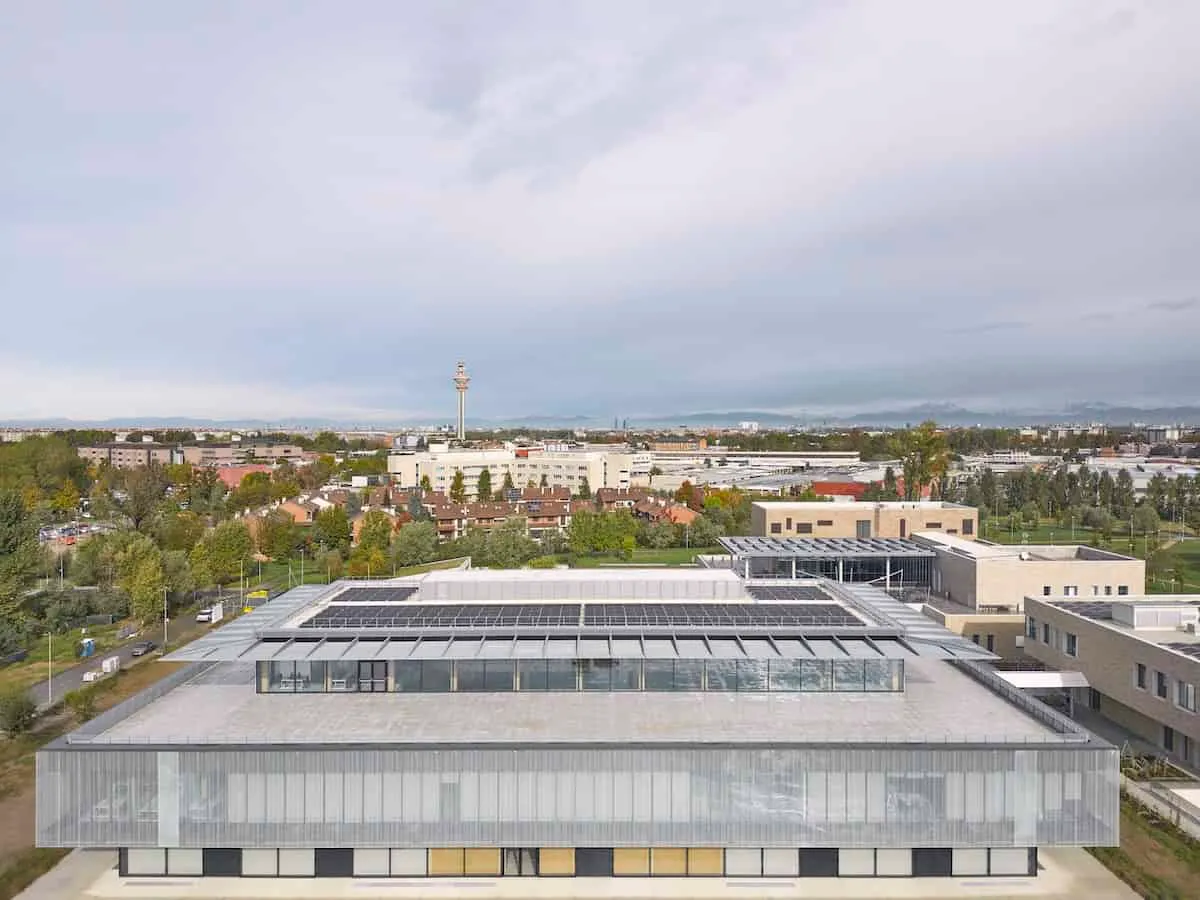 Photo © Nemo Monti
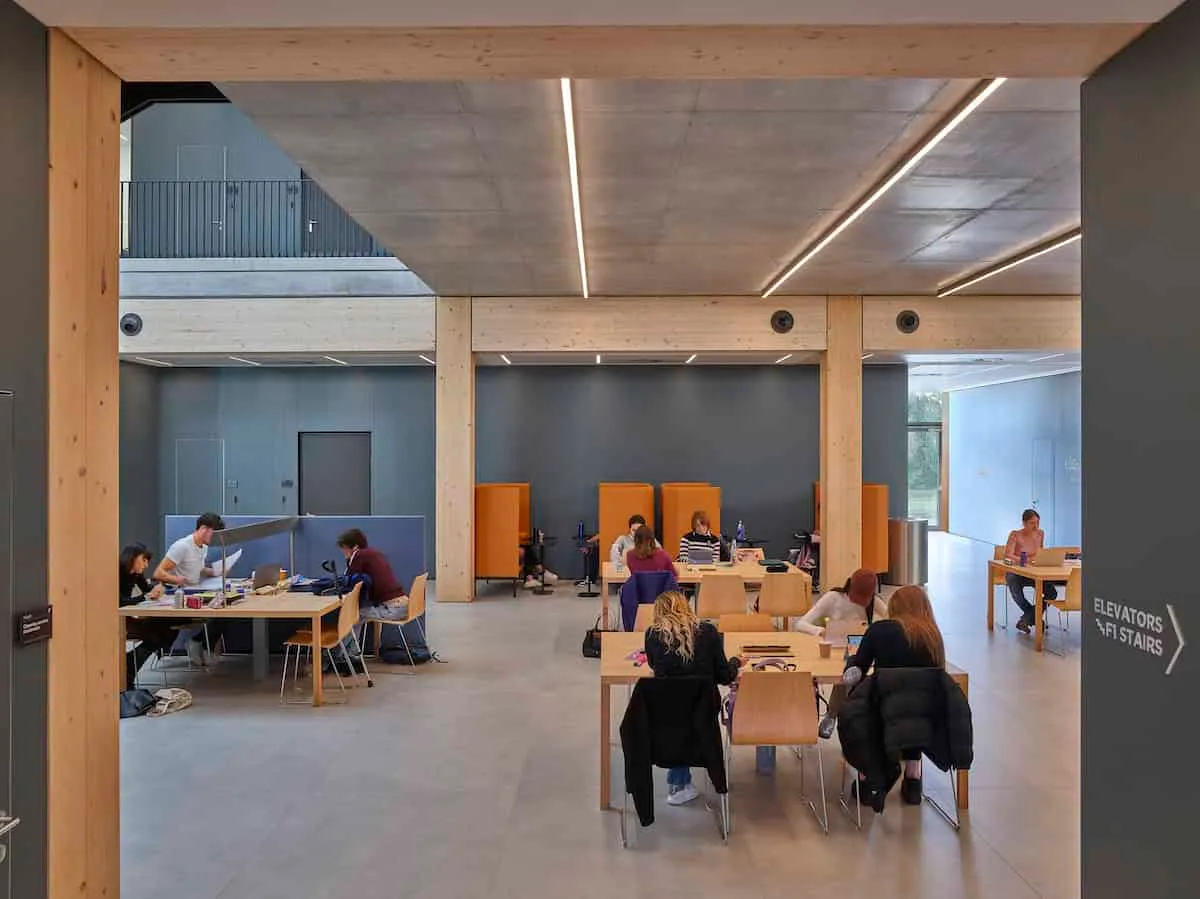 Photo © Nemo Monti
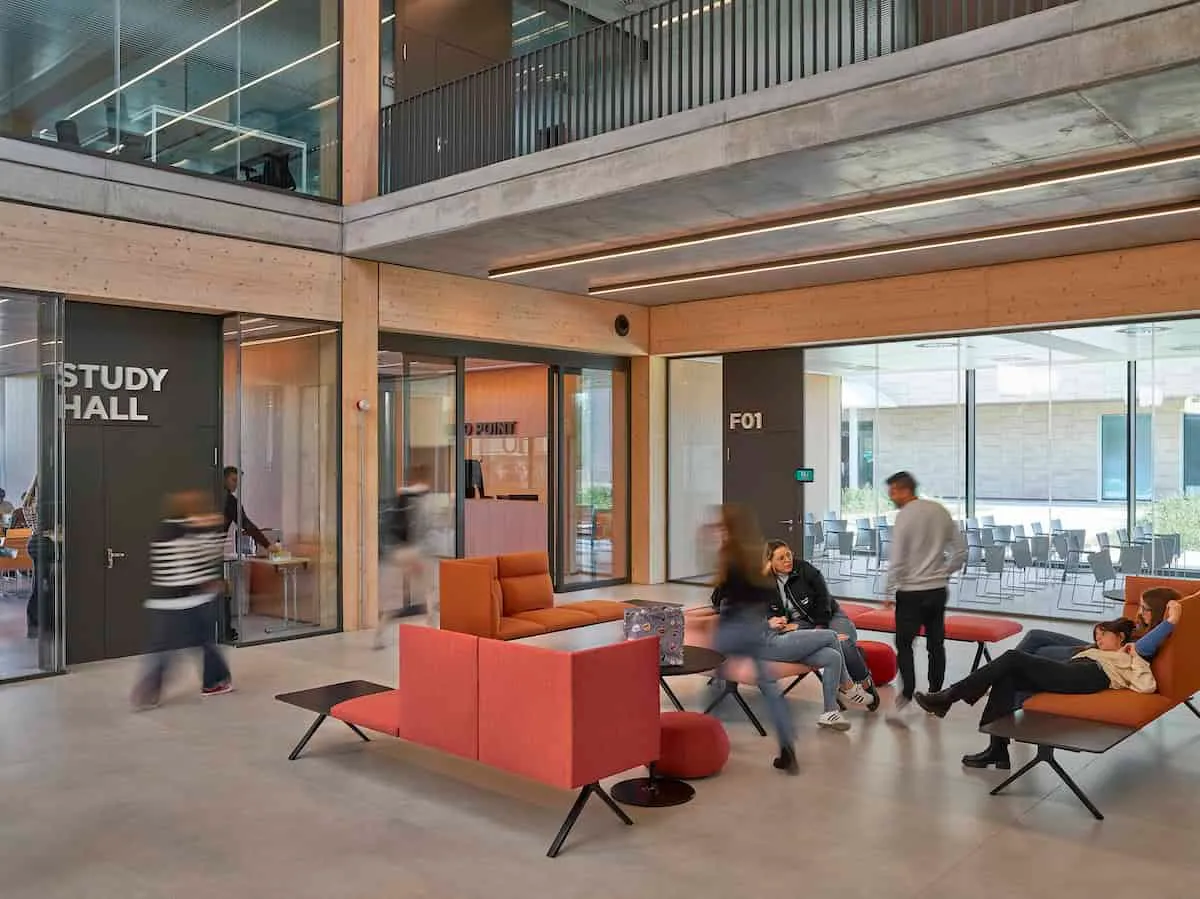 Photo © Nemo Monti
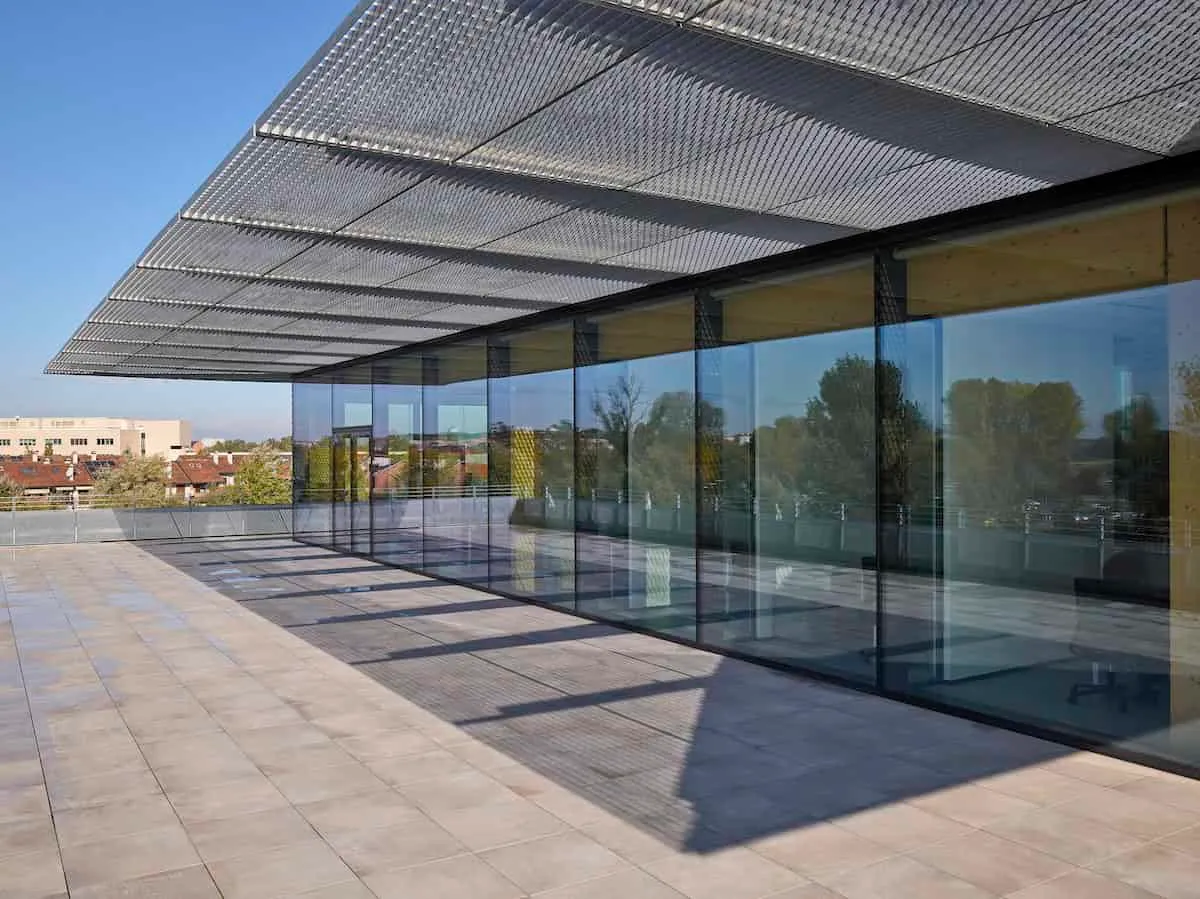 Photo © Nemo Monti
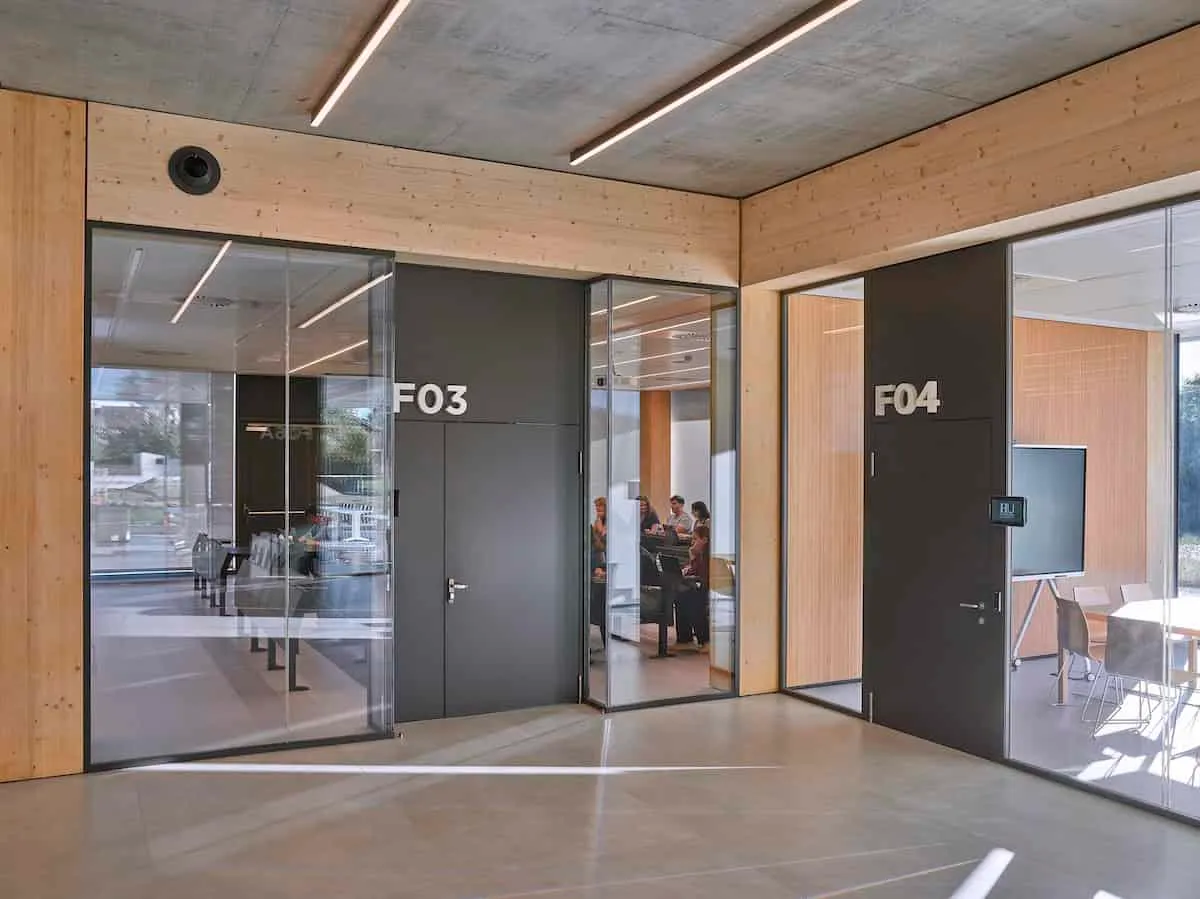 Photo © Nemo Monti
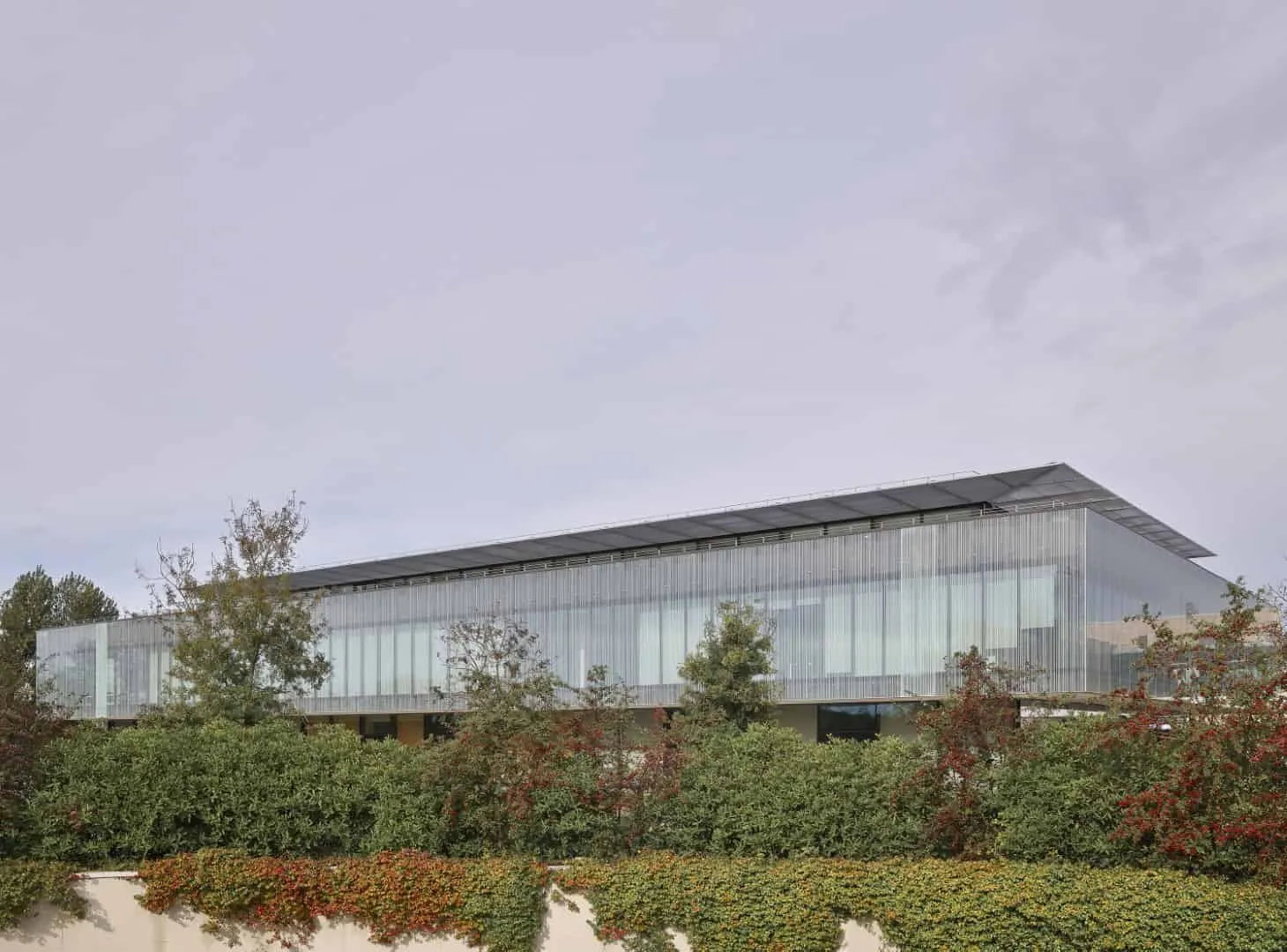 Photo © Nemo Monti