5 Undeniable Advantages of Using Quartz Countertops
The kitchen countertop bears the brunt of our daily routines, from morning coffee prep to evening meal assembly, which makes surface selection one of the most critical decisions in any renovation. When we remodel a kitchen or bathroom, we need a surface that balances aesthetic beauty with hard-wearing structural performance. While traditional stone surfaces have reigned for decades, engineered quartz has emerged as a premier work surface for homeowners seeking style without the high-maintenance upkeep of quarried slabs. In this guide, we explore the distinct advantages of using quartz countertops, examine how they compare to natural stone options like granite and marble, and outline practical considerations to help you choose the right material for your home.
Essential Quartz Takeaways
- Engineered quartz consists of roughly 90 to 93 percent crushed natural mineral quartz bonded with resin, eliminating natural fissures.
- The material achieves a 7 on the Mohs hardness scale, resisting scratches and edge chipping during demanding food prep.
- A completely non-porous structure blocks moisture absorption, keeping surfaces hygienic without any annual chemical sealing.
- Quartz withstands everyday spills, but polymer binders remain vulnerable to heat damage above 300°F (150°C), requiring trivets.
- Standard residential installations benefit most from 3-centimeter slabs, which provide superior structural span strength without sub-tops.
The Advantages of Using Quartz Countertops in Modern Kitchen Design
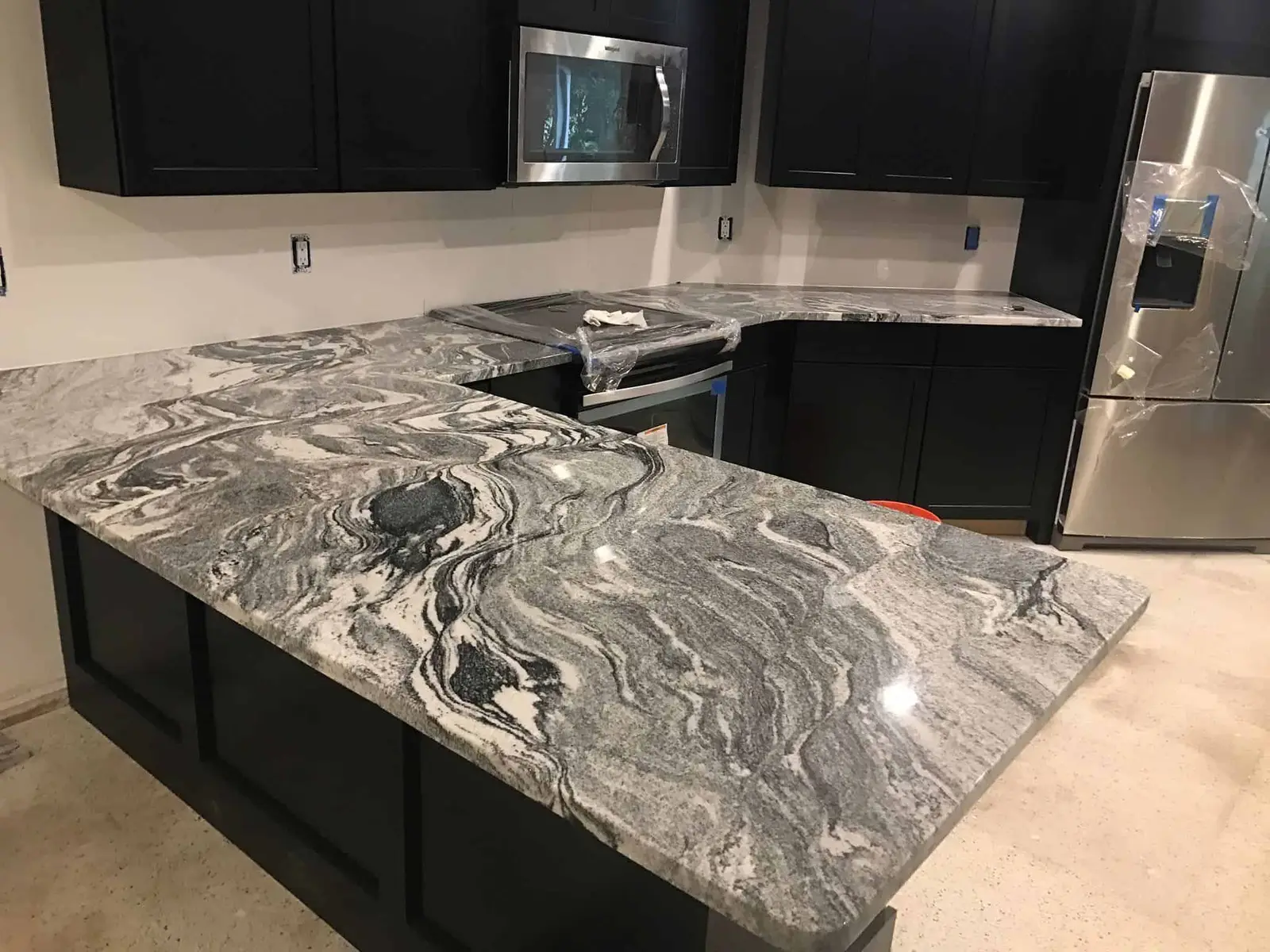
What Are Quartz Countertops? Understanding Engineered Stone
Before evaluating performance benefits, it helps to understand how manufacturers produce this versatile material. Unlike quarried slabs sliced directly from the earth, quartz worktops are an engineered stone product manufactured through an advanced vacuum vibrocompression process. This engineering produces a uniform, dense slab designed specifically to eliminate the natural weaknesses found in raw stone blocks.
A standard engineered quartz slab contains roughly 90 to 93 percent pulverized natural mineral quartz combined with 7 to 10 percent polymer resins and colored pigments. The natural quartz crystals provide structural hardness, while the resin acts as a binder that seals the mixture into an impervious, non-porous matrix. Specialized fabricators and suppliers, including regional stone specialists such as KNC Granite, cut and profile these engineered slabs to precise kitchen layouts, yielding a surface that combines the tactile weight of authentic rock with modern chemical resilience.
Unlike quarried granite or marble, which contain unpredictable internal fissures and natural porous capillaries, engineered quartz offers consistent physical integrity throughout every square inch. This controlled manufacturing process creates measurable advantages across durability, sanitation, visual harmony, and routine maintenance.
Key Advantages of Choosing Quartz Countertops
Quartz blends natural mineral toughness with polymer resin to form a non-porous barrier that repels stains, blocks bacteria, and never requires recurring sealing.
Selecting the right worktop material involves balancing daily practicality against long-term architectural appeal. Engineered quartz stands out because it solves the most common daily frustrations homeowners experience with traditional stone surfaces. Below, we break down the primary advantages that make quartz one of the most reliable investments for modern interior spaces.
1. Exceptional Toughness and Daily Durability
Quartz ranks among the hardest common minerals on earth, scoring a 7 on the Mohs hardness scale (behind only topaz, corundum, and diamond). When blended with resilient polymers, this crystalline hardness translates directly into superior impact and scratch resistance. Because quartz contains approximately 90 percent crushed mineral quartz bound in high-density resin, it withstands daily knife slips, dropped utensils, and active kitchen prep far better than softer natural alternatives.
While natural stones can chip along delicate edges or develop internal fractures over time, the flexible polymers in quartz absorb minor impacts that would otherwise cause micro-fissures in raw stone. You can manage busy family cooking sessions and entertaining without constant worry about chipping the rim around your undermount sink.
2. True Non-Porous Hygiene and Stain Defense
One of the most valuable benefits of quartz worktops is their non-porous physical structure. Quarried stones like marble, limestone, and unsealed granite contain microscopic channels and pores that absorb liquids. If you spill red wine, citrus juice, coffee, or cooking oil on natural stone, capillary action draws the liquid into the slab, causing permanent staining or etching.
Because engineered quartz has a non-porous surface, liquids sit harmlessly on top rather than penetrating the core. This physical barrier provides two major benefits for residential kitchens:
- Immunity to deep staining: Dark liquids, tomato sauce, and cooking grease wipe away completely without leaving shadows or chemical etching behind.
- Superior antimicrobial hygiene: Without microscopic pores to harbor moisture, raw food juices, bacteria, and mold cannot penetrate beneath the surface, making quartz an exceptionally hygienic prep surface for food.
3. Zero-Seal, Low-Maintenance Upkeep
Traditional stone worktops require ongoing chemical sealing every six to twelve months to maintain a defensive barrier against stains. If you skip this routine sealing on marble or granite, the stone becomes vulnerable to deep stains that require aggressive poultices to draw out. In our busy routines, recurring sealing schedules are easy to overlook.
Quartz never requires topical sealers, protective waxes, or specialized polishing treatments. The resin binder built into the slab provides permanent protection from the factory floor onward. Routine maintenance requires nothing more than a soft microfibre cloth, warm water, and mild dish soap. This ease of care saves both time and recurring expenditure on stone care products.
4. Visual Consistency and Design Versatility
Quarried stone is subject to geological randomness. While dramatic natural variation appeals to some homeowners, it can make matching multiple slabs or wrapping waterfall edge profiles difficult. When you order two slabs of natural marble, you may encounter unexpected color shifts, prominent dark veins, or large mineral inclusions that clash with your planned color palette.
Engineered quartz solves this challenge by providing intentional visual consistency. Modern manufacturing allows quartz fabricators to control color tones, veining distribution, and textural depth with remarkable precision. Whether you desire the dramatic charcoal veining of Italian Calacatta marble, the soft mottling of Carrara, an industrial honed concrete aesthetic, or a crisp pure white that natural stone cannot achieve, quartz offers dependable pattern continuity across seams, corners, and backsplashes.
5. Long-Term Value and Structural Predictability
When planning a kitchen remodel, predictable material costs and reliable fabrication reduce budget overruns. Natural slabs often carry hidden internal fault lines that can fracture during cutting, transport, or sink cut-out fabrication, causing unexpected delays and replacement costs.
Because quartz slabs are structurally homogeneous, stone fabricators can cut complex curves, mitered apron edges, and integrated electrical cutouts with minimal risk of breakage. When combined with long manufacturer warranties (often spanning 10 to 25 years or lifetime residential coverage), quartz offers dependable long-term equity for your home renovation budget.
Quartz vs Granite Countertops: A Side-by-Side Comparison
While granite excels in outdoor heat tolerance, quartz delivers superior daily convenience indoors by eliminating periodic chemical sealing and resisting acidic etching.
Homeowners evaluating quartz almost invariably compare it directly with granite. Granite has served as the luxury kitchen standard for decades, prized for its natural origin and heat tolerance. However, comparing the physical properties of engineered stone against quarried granite reveals significant practical differences that influence everyday use.
| Performance Criterion | Engineered Quartz | Natural Granite |
|---|---|---|
| Material Composition | ~90% crushed quartz, 10% resin & pigments | 100% natural quarried igneous rock |
| Surface Porosity | Non-porous; absorbs virtually zero liquid | Naturally porous; absorbs moisture if unsealed |
| Sealing Requirements | Zero ongoing sealing needed | Requires periodic sealing (every 6–12 months) |
| Stain & Acid Resistance | High resistance to food acids and pigments | Vulnerable to acidic etching and oil stains |
| Direct Heat Resistance | Moderate; resin vulnerable above 300°F (150°C) | Very high; tolerates hot cookware directly |
| Pattern Uniformity | Controlled, consistent, and predictable | Unique slab-to-slab natural variation |
| Outdoor UV Stability | Indoor use only; resins yellow in UV sunlight | Excellent; highly stable in outdoor kitchens |
| Daily Cleaning Needs | Mild soap and water; non-abrasive cleaners | pH-neutral stone cleaners; avoid harsh acids |
As the comparison table illustrates, the choice between quartz and granite comes down to your personal design goals and daily habits. If your priority is a low-maintenance, stain-resistant kitchen that never requires periodic resealing, quartz is the superior choice for everyday family living. Conversely, if your project involves an outdoor barbecue kitchen exposed to direct sunlight, or if you insist on placing scorching Dutch ovens directly on your counters without trivets, natural granite or porcelain may better serve those specific conditions.
Practical Limitations: Quartz Countertops Pros and Cons
Protect quartz by always using trivets beneath pans hotter than 300°F (150°C), and keep standard slabs indoors to prevent ultraviolet rays from discoloring the resin.
An honest architectural assessment requires acknowledging that no single work surface is completely flawless. While quartz offers compelling benefits, understanding its practical limitations ensures you protect your investment and avoid accidental damage during daily kitchen operations.
The primary vulnerability of engineered quartz is extreme heat exposure. Because quartz contains polymer resin binders, sudden contact with hot pans exceeding 300°F (150°C) can cause thermal shock, white resin discoloration, or permanent scorch rings. While natural granite handles direct contact with hot cookware reasonably well, quartz surfaces always require the use of trivets, silicone mats, or hot pads beneath boiling pots, frying pans, and electric countertop appliances like slow cookers and air fryers.
A second design constraint is outdoor ultraviolet (UV) light exposure. Prolonged exposure to direct sunlight causes the polymer resins in standard quartz to degrade, resulting in surface dulling and yellowish discoloration over time. For this reason, we recommend standard engineered quartz exclusively for climate-controlled indoor spaces, rather than exterior patio kitchens or unshaded sunrooms.
Here is a concise summary of the key pros and cons of quartz worktops to consider before purchasing:
- Pro: Completely non-porous, creating an exceptionally hygienic surface that blocks bacteria, mildew, and liquid absorption.
- Pro: Maintenance-free ownership with zero annual sealing, waxing, or specialized conditioning treatments required.
- Pro: High scratch and chip resistance under normal residential kitchen use.
- Pro: Vast visual palette, including convincing marble-look veining, monolithic solids, and honed textural finishes.
- Con: Vulnerable to thermal shock from scorching pots, requiring protective trivets at all times.
- Con: Strictly for interior applications due to UV resin sensitivity under direct exterior sunlight.
- Con: Professional installation required because dense engineered slabs are heavy and demand specialized seam joining tools.
How to Clean and Maintain Quartz Worktops
Keeping quartz pristine requires very little effort, provided you avoid harsh industrial chemicals and abrasive scouring tools. The non-porous surface repels everyday kitchen messes, so simple, gentle cleaning routines will preserve its original factory luster for decades.
For daily cleaning, use a soft microfibre cloth or non-scratch sponge dipped in warm water with a few drops of pH-balanced dishwashing liquid. Wipe the counter down, rinse away any residual soap film with clean water, and dry the surface with a clean cotton towel to prevent water spots from mineral-heavy tap water. Never use abrasive scouring pads, steel wool, or high-alkaline cleaners like oven cleaners, drain openers, or paint strippers, which can chemically erode the polymer resin surface.
When dried food splatters, cooking grease, or sticky sauces harden on the surface, avoid hacking at them with sharp knives. Instead, soak the area with warm soapy water for five minutes to soften the residue, then gently scrape it away using a flexible plastic putty knife held flat against the counter. For stubborn grease films or mineral rings, a mild, non-abrasive household cleaner formulated for quartz surfaces will dissolve the film safely.
If you are exploring reputable sourcing and local stone fabrication, regional specialists such as quartz countertops Maryland fabricators offer hands-on showroom guidance, sample viewings, and professional edge-finishing advice tailored to your spatial layout.
Choosing the Right Quartz Countertop for Your Remodel
When selecting a quartz surface, you must consider more than just color. Surface finish, slab thickness, and edge profiling all heavily influence how the material interacts with your kitchen lighting, cabinetry proportions, and daily workflow.
Quartz is typically available in two standard slab thicknesses: 2 centimeters (approximately 3/4 inch) and 3 centimeters (approximately 1 1/4 inches). We generally recommend 3cm slabs for standard kitchen perimeter counters and large central islands because the thicker profile offers superior structural span strength and creates a luxurious, substantial visual weight without requiring plywood sub-tops. Slabs measuring 2cm are common for vertical wall cladding, full-height backsplashes, and bathroom vanity tops.
You can also tailor the sensory character of your space by choosing between different surface finishes:
- Polished finish: The classic glossy choice that reflects ambient lighting, amplifies small spaces, and offers the highest everyday stain resistance.
- Honed or suede finish: A smooth, low-sheen matte texture that imparts a warm, organic feel, though it may show finger smudges or natural oils slightly more readily than polished surfaces.
- Textured or leathered finish: A subtly undulating, tactile surface that pairs beautifully with rustic, modern farmhouse, or industrial architectural styles.
Remember to evaluate your quartz samples under the actual lighting temperatures of your kitchen. High-gloss white slabs with cool undertones can look clean and crisp under 4000K daylight bulbs, but may take on a sterile blue cast under warm incandescent fixtures. Bring physical slab samples into your space to observe how morning sunlight and evening pendant lighting illuminate the surface veining against your cabinet door fronts.
Conclusion: Is Quartz the Right Investment for Your Kitchen?
Engineered quartz countertops have earned their position as an industry favorite by delivering what natural stone cannot: total surface impermeability, zero recurring sealing demands, and reliable pattern consistency, all backed by exceptional mineral hardness. While you must observe basic precautions regarding hot pans and outdoor UV exposure, quartz easily outperforms most rival countertop materials in terms of everyday practicality, hygiene, and low-stress ownership.
If you are planning an interior kitchen or bathroom remodel where you want the refined presence of premium stone without the tedious maintenance rituals, quartz represents a sound, stylish, and high-value architectural investment. Work with a qualified local fabricator to inspect full slabs in person, choose an edge profile that complements your cabinetry, and enjoy a hard-wearing work surface designed to serve your home gracefully for years to come.