Is It Worth Buying Furniture Made Of Glass?
When you furnish a room, the default instinct is often to turn toward solid timber, upholstered frames, or painted cabinetry. Yet interior designers have long relied on transparent pieces to solve spatial challenges that heavier materials cannot address. In this comprehensive guide, we explore the real-world advantages, structural durability, and maintenance demands of glass furniture so you can decide if it belongs in your home.
Historically treated as an auxiliary material reserved for display cabinet inserts or small decorative accents, glass is now engineered into standalone architectural centerpieces. From sculpted dining surfaces and floating consoles to moisture-proof bathroom vanities, modern manufacturing allows glass to deliver genuine structural utility alongside refined style. We will examine how tempered safety standards protect your household, compare glass directly to wood and metal, and provide actionable upkeep tips to keep your surfaces pristine.
Quick Guide Summary
- Glass furniture visually expands tight layouts by eliminating visual weight and bouncing daylight into dimmer interior zones.
- Thermally tempered safety glass provides four to five times the strength of standard float glass and breaks into small blunt granules if fractured.
- Select a thickness of 8 mm to 10 mm for coffee tables and at least 12 mm to 15 mm for heavy-duty dining surfaces.
- Choose rounded corners and bullnose edge treatments to protect children and pets from sharp ninety-degree corners.
- Prevent permanent surface micro-scratches by using dedicated microfiber cloths, applying felt pads under accessories, and setting out coasters.
Glass Furniture Guide: Aesthetics, Durability, and Practical Design Choices
The Aesthetic Appeal and Spatial Benefits of Glass Furniture
Transparent glass surfaces eliminate visual weight, allowing natural light to penetrate deeper while making compact floor plans feel noticeably more expansive.
The primary reason homeowners and designers fall in love with glass pieces is their unique visual character. Transparent surfaces create an unmistakable sense of lightness that solid alternatives simply cannot duplicate, making them powerful tools in contemporary spatial planning.
Managing Visual Weight in Compact Interiors
In interior design theory, visual weight refers to how much optical attention an object demands within a room. Solid oak credenzas, dark stained tables, and chunky upholstered ottomans anchor a layout, but they also occupy substantial visual volume. A glass tabletop virtually eliminates visual clutter by allowing your eye to travel straight through to the flooring and surrounding architecture.
This optical transparency proves invaluable in compact city apartments, narrow hallways, and smaller living areas. A glass worktop, console, or vanity frees up sightlines, giving an impression of open space without sacrificing functional surface area. When you walk into a room anchored by a floating glass surface, the perimeter boundaries feel wider and less restricted.
Maximizing Natural Light Distribution
Natural daylight transforms the mood and perceived scale of any interior. Solid casework inevitably casts deep shadows, blocking natural illumination from reaching the darker corners of your home. Glass furniture allows daylight to penetrate deep into living zones, reflecting and refracting rays across adjacent walls and floors.
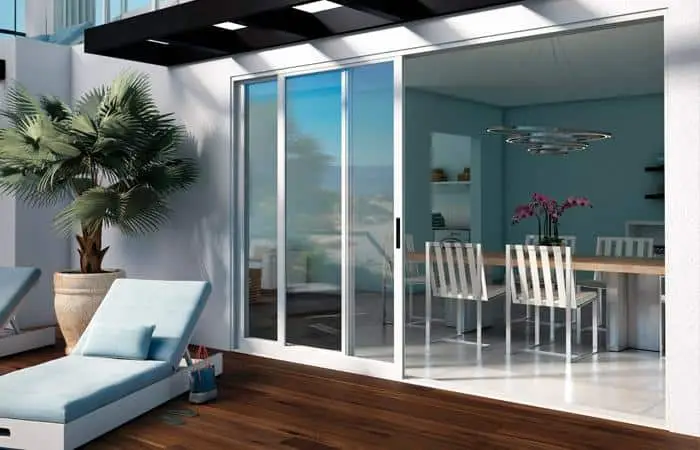
When you position a glass dining table or coffee table near large windows or patio doors, light passes unimpeded. Pairing transparent surfaces with mirrors multiplies this effect, bouncing ambient light into recessed alcoves and brightening north-facing rooms.
Versatile Material Combinations
Glass is remarkably adaptable because it does not compete with existing color palettes or architectural trim. Whether your home leans industrial, minimalist, transitional, or mid-century modern, glass harmonizes seamlessly with other structural finishes.
- Solid timber: Pairing a clear glass top with a sculpted walnut or oak base highlights the organic grain beneath while keeping the silhouette airy.
- Architectural metals: Combining glass with brushed brass, matte black steel, or polished chrome creates sharp, geometric lines suitable for modern settings.
- Stone and concrete: Clear surfaces contrast beautifully against rough travertine, slate, or polished concrete, balancing tactile weight.
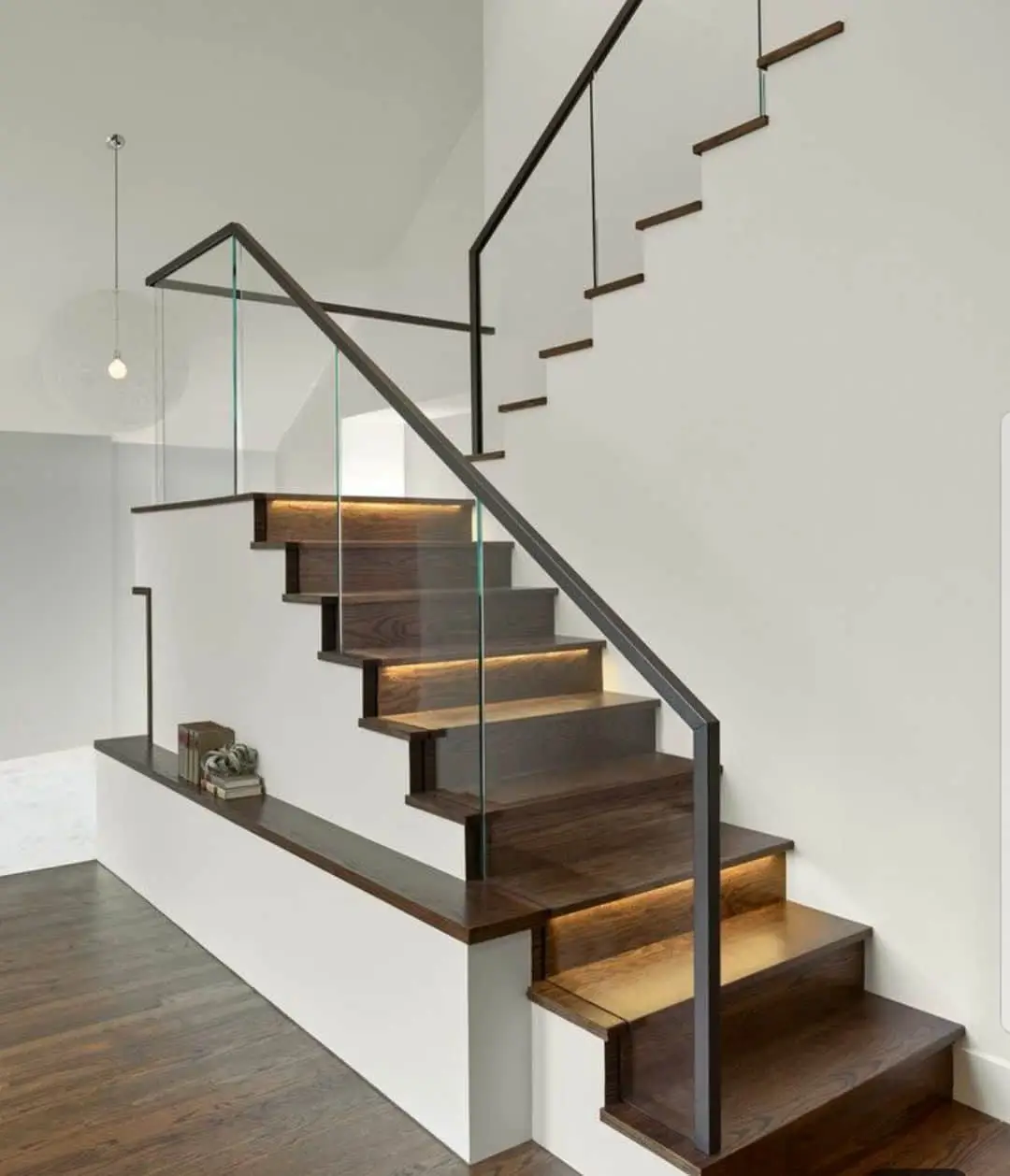
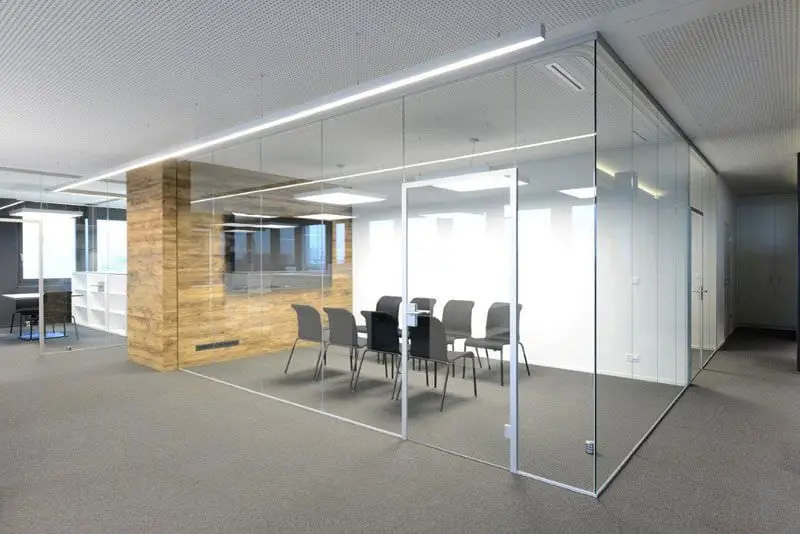
- Architectural glazing: Glass tables and consoles tie in effortlessly with larger elements such as office partitions, shower enclosures, and modern balustrades.
Glass Furniture Pros and Cons: A Realistic Assessment
Every interior material involves trade-offs between beauty, cost, and everyday practicality. Before investing in a statement piece, we recommend weighing the real strengths of glass against its everyday functional quirks.
The Key Advantages
Beyond visual elegance, glass offers distinct physical benefits that organic materials cannot match:
- Total moisture and humidity resistance: Bathrooms and laundry areas experience rapid temperature swings and persistent steam. Where wood swells, warps, and delaminates, glass is completely unaffected by water contact.
- Immunity to biological degradation: Glass provides complete stability against mold, mildew, fungi, and rust, making it an exceptionally hygienic choice for kitchen and bathroom installations.
- Ecological purity: Glass is an inert, ecologically pure material that does not off-gas volatile organic compounds (VOCs) into your living environment.
- Custom decorative versatility: Modern fabricators can apply custom ceramic frit patterns, tinted interlayers, frosted acid etching, incrustation, or mosaic details to match bespoke design schemes.
The Daily Drawbacks to Consider
Despite its enduring appeal, glass comes with distinct tactile and ergonomic realities that catch unprepared buyers off guard:
- Noticeable smudge visibility: Fingerprints, skin oils, dust motes, and water rings show up immediately on pristine clear glass, requiring frequent wipedowns.
- Acoustic resonance and clatter: Placing ceramic mugs, stoneware plates, or metal cutlery directly onto unpadded glass generates sharp, ringing clicks that some homeowners find distracting.
- A cool tactile sensation: Glass is naturally cool to the touch because it conducts heat away from the skin quickly, which can feel uninviting in unheated winter rooms.
- Substantial physical weight: Thick architectural glass panels are dense and heavy, requiring careful handling and sturdy sub-frames during delivery and room rearrangement.
Durability and Safety: Understanding Tempered Safety Glass
Always verify your furniture uses tempered safety glass with a minimum thickness of 8 mm to 10 mm for coffee tables and 12 mm for dining tables to ensure structural resilience.
One of the most persistent concerns we hear centers on safety: will a glass tabletop shatter if an object drops on it? The answer depends entirely on the specification of the material used in manufacturing.
Tempered Safety Glass Durability
High-quality contemporary furniture is never built with ordinary annealed window glass. Instead, reputable manufacturers utilize thermally tempered safety glass, created by heating the pane to over 600 degrees Celsius and rapidly cooling the outer surfaces with controlled air blasts.
Tempering puts the outer surfaces into high compression while the interior core remains in tension, making the panel four to five times stronger than standard float glass. In the rare event of structural failure caused by extreme impact, tempered glass does not fracture into jagged, dangerous shards. Instead, it crumbles into small, relatively blunt granules resembling coarse pebbles, drastically reducing the risk of severe injury.
Recommended Thickness Standards
When selecting glass furniture, verify that the thickness matches its intended structural load. Insufficiently thick glass flexes under weight and feels fragile during daily activities:
- 6 mm (approx. 1/4 inch): Suitable for decorative shelf inserts, small side table tops supported across their entire perimeter, or protective caps over existing wooden dressers.
- 8 mm to 10 mm (approx. 5/16 to 3/8 inch): The industry baseline for unsupported coffee tables, study desks, and small accent tables.
- 12 mm to 15 mm (approx. 1/2 to 5/8 inch): The professional standard for heavy-duty dining table tops, large executive desks, and cantilevered architectural consoles.
Child and Pet Safety Considerations
If you share your living space with active young children or energetic pets, standard rectangular glass tables with sharp corners require thoughtful evaluation. Low coffee tables sit directly at toddler eye height, making corner impacts a genuine hazard.
We advise selecting round, oval, or soft kidney-shaped silhouettes that eliminate sharp 90-degree points entirely. When purchasing rectangular tables, look for pencil-polished, bullnose, or beveled edge treatments rather than raw flat-polished corners. Radius corners soften accidental bumps while lending the piece a refined, crafted profile.
Material Comparisons: Glass vs Wood and Metal Furniture
Selecting the right furniture material requires balancing everyday habits, household lifestyle, and aesthetic goals. Here is how glass compares directly to hardwood and architectural metal across core functional criteria.
| Criterion | Tempered Glass | Solid Hardwood | Architectural Metal (Steel/Aluminum) |
|---|---|---|---|
| Moisture Resistance | Completely impervious to water, steam, and spills | Vulnerable to swelling, water rings, and warping | High resistance; needs protective powder-coat against rust |
| Visual Weight | Ultra-light and transparent; opens sightlines | Substantial, grounding, and opaque | Slim profile, modern, variable opacity |
| Acoustic Profile | Sharp clatter when hard objects strike surface | Warm, muted, and naturally absorbent | Resonant ring unless dampeners are fitted |
| Scratch Behavior | Resistant to broad wear, but micro-scratches are permanent | Can scratch or dent, but easily sanded and refinished | Durable; painted or coated finishes can chip |
| Thermal Feel | Cool to the touch initially | Warm and tactile year-round | Cool to the touch |
| Daily Cleaning | Requires frequent wipe-downs for smudges and dust | Dusting and periodic wood polish or wax | Low maintenance; occasional wipe-down |
Choosing Between a Glass and Wood Dining Table
A classic dilemma homeowners face is choosing between a glass or wood dining table. Solid wood provides an earthy warmth and an inviting acoustic cushion for family dinners. However, wood demands vigilant coaster usage, sensitive cleaning agents, and periodic conditioning to prevent finish deterioration.
A glass dining table frees you from worrying about spilled red wine, hot serving pans, or leaking vases damaging the finish. For households hosting lively dinner gatherings, glass offers effortless wipe-and-go convenience, provided you integrate fabric placemats or table runners to soften acoustic clatter and shield against stray cutlery scrapes.
How to Style Glass Pieces Across Different Rooms
A room dominated exclusively by hard glass surfaces can risk feeling sterile or clinical. Successful interior decorating relies on balance: introducing texture, organic warmth, and contrasting finishes around transparent furniture pieces.
Living Rooms and Dens
To offset the cool tactile nature of a glass coffee table or media console, introduce rich, tactile textiles into the immediate surroundings. Position your glass table over a high-pile wool rug or a textured jute floor covering so the rug pattern shows clearly through the top.
Decorate the surface with organic styling accents, such as matte ceramic vessels, unpolished stoneware bowls, wooden decorative trays, or stacked hardback art books. These elements prevent the tabletop from looking bare, give hands a warm touchpoint, and provide designated resting spots for keys and remote controls.
Bathrooms and Powder Rooms
Because glass stands up entirely to steam and splashing water, it serves as an exceptional material for vanity counter tops, integrated basin tops, and floating open shelving. Unlike wood veneers that peel near shower enclosures, glass remains unaffected over years of daily humidity exposure.
To keep a glass-outfitted bathroom feeling inviting rather than sterile, introduce warm linen hand towels, rich timber wall brackets, woven storage baskets, and warm wallpaper accents. Alternating clear glass surfaces with framed mirrors creates an interplay of depth, light, and dimension that makes small powder rooms feel twice their size.
Home Offices and Creative Studios
In a home office, an executive glass desk sets a crisp, professional tone. It encourages mindful organization since paperwork and loose cords underneath remain partially visible. Pair the desk with an upholstered ergonomic chair and discreet cable management clips along the rear metal frame to preserve an uncluttered aesthetic.
How to Maintain Glass Furniture and Prevent Scratches
Clean glass surfaces with microfiber cloths and gentle solutions, and always buffer hard decor or ceramics with felt pads to avoid permanent micro-scratches.
Keeping glass looking as brilliant as the day you installed it does not require elaborate tools, but it does demand proper technique. Avoiding abrasive cleaning habits preserves optical clarity over decades of daily use.
Safe Daily Cleaning Formulations
Smudges, handprints, and airborne dust particles settle visibly on transparent panels. We recommend cleaning glass furniture using a dedicated ammonia-based glass cleaner, a diluted isopropyl alcohol solution, or warm water mixed with a small dash of mild dish soap.
Spray the cleaning solution sparingly onto your cleaning cloth rather than directly onto the glass panel. This prevents liquid from running under bevels or pooling around metal bracket joints where hardware glue or gaskets sit. Wipe down the surface in broad, circular motions, followed by a light vertical buffing pass to eliminate streaks.
Preventing Micro-Scratches
While tempered glass resists substantial blunt force, quartz particles found in common household dust are hard enough to create fine micro-scratches over time. Follow these basic protective habits:
- Use premium microfiber cloths: Never use abrasive scouring pads, paper towels made with recycled wood pulp, or rough shop rags that can trap grit against the surface.
- Affix felt pads to accessories: Place soft felt or silicone feet beneath table lamps, decorative ceramic trays, laptop docks, and metal organizers before setting them on the table.
- Utilize placemats and coasters: Always set hot cookware, stoneware plates, and coarse ceramic mugs onto coasters to prevent contact scratches and thermal shock.
- Dust before wet wiping: Lightly flick away surface dust with a dry microfiber duster before wiping down the table with liquid cleaner to avoid dragging grit across the pane.
Conclusion: Finding the Right Balance for Your Home
Glass furniture represents a brilliant synthesis of industrial engineering and architectural elegance. By opening sightlines, drawing natural light into deep room layouts, and offering complete immunity to moisture and biological rot, transparent pieces deliver functional benefits that conventional wooden casework cannot replicate.
While glass does demand attentive dusting and deliberate acoustic dampening with placemats and textiles, its durability and modern allure make it well worth the care. Whether you are outfitting a compact powder room, modernizing your living room layout, or seeking a durable desk surface, high-grade tempered glass offers an airy, timeless investment for your home.