The Most Common Hot Water Systems Available For Your Home
Water heating accounts for roughly a quarter of the average household’s energy consumption, making it one of the largest ongoing utility expenses you will manage. Whether you are replacing an emergency breakdown, designing a major renovation, or building from scratch, choosing the right system directly influences your daily comfort, spatial layout, and long-term utility bills. In this comprehensive guide, we break down the primary types of hot water systems, unpack delivery methods, guide you through accurate sizing formulas, and outline the maintenance routines needed to protect your investment.
Before diving into the specifications, keep in mind that plumbing and electrical codes vary significantly by jurisdiction, and hiring a licensed hot water system plumber is essential for a safe, code-compliant installation that protects your manufacturer warranties.
Hot Water Essentials
- Select continuous-flow tankless heaters to eliminate standby thermal losses or insulated storage cylinders for high concurrent fixture demand.
- Switch to a heat pump water heater to reduce electrical consumption for water heating by up to 70 percent compared to conventional electric tanks.
- Size storage tanks using First Hour Rating and select tankless units based on peak simultaneous litres per minute and winter temperature lift.
- Maintain storage cylinders at a minimum of 60 degrees Celsius to prevent bacterial contamination such as Legionella.
- Position compressors and flues thoughtfully to satisfy ventilation clearances and prevent acoustic disturbances in adjoining bedrooms.
- Replace the sacrificial anode rod every four to five years to protect your storage cylinder against corrosion and double its operating lifespan.
Hot Water Systems Guide: Types, Sizing, and Energy Efficiency
Water heating accounts for roughly a quarter of the average household’s energy consumption, making it one of the largest ongoing utility expenses you will manage. Whether you are replacing an emergency breakdown, designing a major renovation, or building from scratch, choosing the right system directly influences your daily comfort, spatial layout, and long-term utility bills. In this comprehensive guide, we break down the primary types of hot water systems, unpack delivery methods, guide you through accurate sizing formulas, and outline the maintenance routines needed to protect your investment.
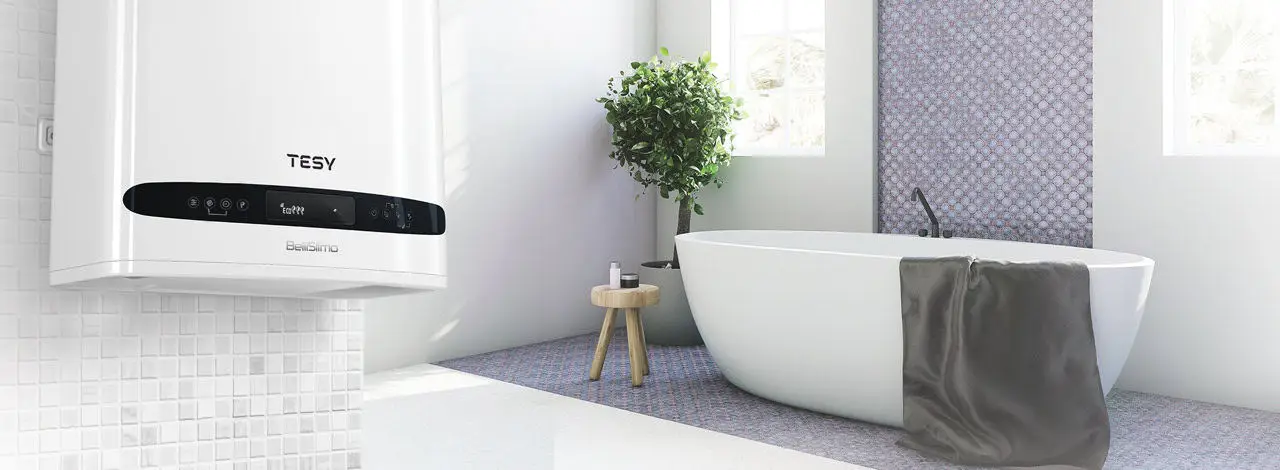
Before diving into the specifications, keep in mind that plumbing and electrical codes vary significantly by jurisdiction, and hiring a licensed hot water system plumber is essential for a safe, code-compliant installation that protects your manufacturer warranties.
Delivery Types: Tankless Continuous Flow vs. Storage Tank Systems
Continuous flow units eliminate standby heat loss and save valuable floor space, whereas storage cylinders provide dependable simultaneous delivery during peak morning routines.
When selecting a unit, you must first distinguish between how water is delivered and what fuel source heats it. The delivery mechanism dictates both your spatial footprint and your available volume during peak morning routines.
Storage Tank Water Heaters
Storage tank systems remain the traditional standard across many homes. They consist of an insulated cylindrical tank that holds a dedicated reservoir of water, continually maintaining it at a safe temperature (typically 60 degrees Celsius or 140 degrees Fahrenheit to prevent bacterial growth such as Legionella). As hot water is drawn from the top of the cylinder, incoming cold water enters the base through a dip tube. Natural convection and heating elements or burners then bring the incoming volume back up to the thermostat setpoint.
The primary architectural advantage of a storage system is its simplicity and predictable delivery during multi-fixture demand. However, storage cylinders suffer from standby heat loss, where heat radiates outward through the tank walls during periods of non-use. In addition, once the storage capacity is exhausted, you must wait for the recovery cycle to reheat the entire tank.
Tankless (Continuous Flow) Water Heaters
A continuous-flow or water heating system heats water only on demand. When you open a hot tap, an internal flow sensor activates high-output gas burners or high-amperage electric heating coils. The water circulates through a compact heat exchanger, rising to your desired temperature almost instantly.
Tankless units eliminate standby energy loss entirely because they never store pre-heated water. From an architectural standpoint, their compact dimensions free up valuable floor space, enabling wall mounting inside utility cupboards or on exterior facades. The trade-off is flow rate limitation: if several fixtures run simultaneously, the unit may struggle to satisfy total demand unless sized with sufficient burner capacity.
| Feature | Storage Tank System | Tankless (Continuous Flow) |
|---|---|---|
| Footprint & Placement | Requires substantial floor space indoors or outdoors | Compact, wall-hung unit; minimal spatial impact |
| Energy Efficiency | Subject to standby heat loss through tank walls | High efficiency; heats only water in active use |
| Hot Water Availability | Limited to tank capacity until recovered | Continuous supply, subject to maximum flow rate |
| Initial Capital Cost | Generally lower upfront purchase price | Higher unit cost; may require gas/power upgrades |
| Expected Service Life | Typically 8 to 12 years | Typically 15 to 20 years with proper maintenance |
Comparing Fuel Sources: Electric, Gas, Heat Pump, and Solar
Heat pump water heaters consume up to 70 percent less electricity than standard resistance units, typically achieving full financial payback within three to six years.
Once you choose between a storage tank or continuous delivery, you need to weigh your fuel source options. Your local utility tariffs, roof orientation, and climate will largely dictate which fuel provides the best return on investment.
Electric Resistance Water Heating
Electric resistance systems utilize internal immersion elements to heat water, operating much like an oversized domestic kettle. While conventional electric resistance tanks are inexpensive to purchase and install, they are generally the most expensive to run. Because electricity directly generates heat via resistance, every kilowatt-hour consumed yields roughly one kilowatt-hour of thermal energy.
If you pair an electric storage tank with off-peak electrical tariffs or an oversized rooftop solar PV array, you can lower operating expenses considerably. Without those mitigations, heavy hot water consumption can result in punishing electricity bills over the lifespan of the appliance.
Natural Gas and LPG Water Heaters
Natural gas systems use a burner at the base of the tank or within a compact heat exchanger. As the flame burns, heat transfers through the bottom and central flue, using natural convection to distribute thermal energy throughout the water column. Gas rates in many regions remain lower per unit of delivered energy than standard retail electricity, making natural gas an economical operational choice.
Gas units can be positioned outdoors to vent freely or installed indoors provided you integrate adequate flue ducting and combustion ventilation. Liquefied Petroleum Gas (LPG) bottles offer an alternative where piped natural gas is unavailable, though delivery logistics and bottle rental fees increase overall operating costs.
Heat Pump Water Heaters
A heat pump water heater is an exceptionally efficient electric system that works on refrigeration principles in reverse. Instead of generating heat directly through electrical resistance, the system uses a small amount of electricity to power a compressor and fan, extracting ambient warmth from surrounding air and transferring it to the water tank.
Because heat pumps move heat rather than generate it, they achieve efficiency ratings of 300 to 400 percent under moderate temperatures. This means they consume up to 70 percent less electricity than a standard electric storage tank. The primary trade-off is mechanical noise from the outdoor compressor fan, which must be considered when locating the unit near bedroom windows or property boundaries.
Solar Hot Water Systems
Solar thermal systems rely on roof-mounted collectors (flat plate or evacuated tube panels) to capture radiant solar energy. Fluid circulates through the collectors, transfers the absorbed solar heat into an insulated storage tank, and relies on an auxiliary electric element or gas booster when cloudy weather reduces thermal gain.
Solar thermal systems boast negligible day-to-day running costs throughout sunny seasons. However, they carry the highest upfront capital expenditure and require regular roof-level maintenance. In modern energy-efficient home retrofits, many homeowners now prefer combining rooftop solar PV panels with a high-efficiency heat pump water heater, achieving comparable or superior efficiency with fewer plumbing lines crossing the roof envelope.
| Fuel Type | Upfront Installed Cost | Running Cost | Energy Efficiency Rating | Typical Payback Period |
|---|---|---|---|---|
| Electric Resistance | Low | High | Moderate (COP ~1.0) | Baseline reference |
| Natural Gas | Moderate | Moderate | Good (5 to 7 Star equivalent) | Immediate running cost savings |
| Heat Pump | Moderate to High | Low | Exceptional (COP ~3.0 to 4.5) | 3 to 6 years (faster with rebates) |
| Solar Thermal | High | Very Low | Exceptional (utilizes solar radiation) | 5 to 9 years |
Hot Water System Sizing Guide: Getting the Capacity Right
Always size your equipment to handle peak concurrent fixture flow and incoming winter groundwater temperatures rather than relying only on daily averages.
Undersizing a water heater leaves your household shivering through cold showers, while oversizing drives up purchase costs and wastes energy on unnecessary standby losses. Sizing requires evaluating peak simultaneous demand rather than simply tallying daily totals.
For storage systems, the critical metric is the First Hour Rating (FHR), which measures the volume of hot water the appliance can supply in one hour of heavy demand, starting with a fully heated tank. For tankless systems, the governing metric is flow rate measured in litres or gallons per minute, calculated alongside the required temperature lift.
- Assess concurrent fixtures: Determine the maximum number of hot water outlets running at the exact same moment (for example, a shower flowing at 9 litres per minute running while a dishwasher uses 5 litres per minute).
- Factor in delivery habits: Households with teenagers or multiple occupants preparing for work simultaneously require larger storage reserves or higher-flow continuous units.
- Check incoming cold water temperatures: Cold winter groundwater demands higher heating lift, effectively reducing the net output of continuous flow systems.
| Household Size | Electric Storage Tank | Gas / Heat Pump Storage | Tankless Continuous Flow |
|---|---|---|---|
| 1 to 2 People | 80 to 125 Litres | 130 to 160 Litres | 16 to 20 Litres / minute |
| 3 to 4 People | 160 to 250 Litres | 170 to 250 Litres | 21 to 26 Litres / minute |
| 5+ People | 315 to 400 Litres | 270 to 340 Litres | 27 to 32 Litres / minute |
Climate and Site Considerations
Your geographic location and immediate architectural surroundings directly influence how effectively each heating technology operates. Ambient air temperature, incoming groundwater temperatures, and physical installation layouts define real-world performance.
Heat pump systems extract thermal energy from ambient air, which means their operating efficiency drops when outdoor temperatures fall below 5 degrees Celsius (41 degrees Fahrenheit). In colder climates, look for heat pumps equipped with cold-climate refrigerants and built-in defrost cycles, or place the compressor unit where it can leverage daytime solar exposure.
Tankless continuous systems, on the other hand, are governed by temperature lift (the difference between incoming mains water and target delivery temperature). If winter ground water enters the building at 7 degrees Celsius and must reach 50 degrees Celsius at the tap, the heater must create a 43-degree lift. This steep requirement reduces the maximum simultaneous flow rate compared to summer months when incoming water arrives at 20 degrees Celsius.
- Ventilation and clearance: Indoor gas units require dedicated, code-compliant balanced flue chimneys to exhaust combustion gasses safely, while outdoor units must maintain clearances from opening windows.
- Acoustic separation: Heat pump compressors generate steady operational fan hum; avoid mounting them directly against lightweight bedroom walls or beneath quiet study windows.
- Pipe run efficiency: Position the water heater as centrally as possible relative to high-draw bathrooms and kitchens to minimize transit lag, water waste, and heat dissipation in uninsulated lines.
Essential Maintenance to Protect Your Investment
Modern water heating equipment represents a substantial financial investment that benefits immensely from routine preventative care. Simple annual checks can double the service life of an appliance and prevent catastrophic interior water damage.
Storage cylinders rely on a sacrificial anode rod: a magnesium or aluminium rod suspended inside the tank. The rod intentionally corrodes to protect the inner steel shell from aggressive mineral decay. Replacing this rod every four to five years prevents premature tank failure and can extend the life of your cylinder well past a decade.
We also recommend testing the Temperature and Pressure Relief (TPR) valve every six months by gently lifting the test lever to clear mineral deposits. Regularly flushing out accumulated sediment from the bottom drain valve preserves thermal heat transfer efficiency, prevents burner hotspots, and stops popping noises caused by trapped steam pockets underneath calcified mineral layers.
Conclusion: Making the Right Choice for Your Home
Selecting the right hot water system comes down to balancing your immediate renovation budget against long-term operational costs and household capacity needs. For small footprints and variable usage, tankless continuous-flow units save space and eliminate standby energy losses. For ultimate energy savings across growing families, modern heat pump water heaters offer rapid payback through dramatic power reductions. Take time to evaluate your peak household demand, review local utility tariffs, and consult with a licensed professional to ensure your new hot water system delivers reliable comfort for years to come.