Getting the Lighting Right in Your Home
Lighting is one of the most powerful architectural tools in interior design, yet it is often left as an afterthought. A well-planned lighting scheme completely transforms how a space feels, accentuating textures, defining functional zones, and creating an inviting atmosphere that makes a house feel like a home. When lighting is poorly executed, even the most expensive finishes and furnishings appear flat, dull, and uninspired.
To illuminate your home successfully, you need to look beyond simply picking attractive fixtures. In this guide, you will learn how to balance the three core layers of light, decode essential technical specifications like lumens and Kelvins, place fixtures at proper architectural dimensions, and avoid the common lighting mistakes that compromise residential interiors.
Home Lighting Essentials
- Combine ambient, task, and accent lighting to establish flexible illumination and avoid flat, institutional spaces.
- Base fixture selection on lumens rather than wattage to ensure accurate, energy-efficient brightness levels.
- Use warm white 2,700K bulbs for living areas and bedrooms, while reserving 3,500K to 4,000K for focused kitchen and desk work.
- Specify bulbs with a Color Rendering Index of 90 or higher so finishes, furnishings, and skin tones look vibrant and natural.
- Hang kitchen island and dining table fixtures approximately 30 to 36 inches above surfaces to balance sightlines and eliminate glare.
- Install wall-mounted dimmer switches across primary circuits to adapt light levels easily throughout the day.
The Complete Home Lighting Guide: How to Layer, Plan, and Illuminate Every Room
Lighting is one of the most powerful architectural tools in interior design, yet it is often left as an afterthought. A well-planned lighting scheme completely transforms how a space feels, accentuating textures, defining functional zones, and creating an inviting atmosphere that makes a house feel like a home. When lighting is poorly executed, even the most expensive finishes and furnishings appear flat, dull, and uninspired.
To illuminate your home successfully, you need to look beyond simply picking attractive fixtures. In this guide, you will learn how to balance the three core layers of light, decode essential technical specifications like lumens and Kelvins, place fixtures at proper architectural dimensions, and avoid the common lighting mistakes that compromise residential interiors.
How to Layer Lighting: Ambient, Task, and Accent
Layer ambient, task, and accent lighting across different heights to banish harsh shadows, reduce eye strain, and create versatile living spaces.
Relying on a single light source to illuminate an entire room creates harsh contrasts, unflattering shadows, and visual fatigue. Professional interior designers build flexibility and visual richness by combining three distinct tiers: ambient, task, and accent lighting. When these three layers work in harmony, you can adapt your environment effortlessly from a bright morning routine to an intimate evening gathering.
1. Ambient Lighting (General Illumination)
Ambient lighting acts as the base layer of your room. Its primary role is to provide a comfortable, uniform level of brightness so you can navigate the room safely and see clearly without glare. Common sources include flush-mount ceiling fixtures, chandeliers, pendant lights, cove lighting, and evenly spaced architectural downlights. Ambient light sets the overall mood, reflecting light off walls and ceilings to establish a foundational wash of brightness across the perimeter.
2. Task Lighting (Focused Functionality)
Task lighting delivers concentrated illumination right where specific activities take place, such as reading, food preparation, grooming, or home office desk work. By focusing light directly on the working surface, task fixtures prevent you from working in your own shadow. Under-cabinet LED strips in kitchens, adjustable swing-arm reading lamps beside armchairs, illuminated vanity mirrors, and directional desk lamps are all classic examples of dedicated task lights.
3. Accent Lighting (Visual Interest and Depth)
Accent lighting adds drama and depth by drawing the eye to architectural features, artwork, textured feature walls, or prized decor collections. As a rule of thumb, accent lighting should be roughly three times brighter than the surrounding ambient light to create meaningful contrast. Directional track spotlights, recessed adjustable eyeball fittings, picture lights, and uplights tucked behind indoor plants all serve as accent fixtures that break up monotonous surfaces.
Technical Lighting Specs: Lumens, Kelvins, and CRI
Evaluate light bulbs by lumens rather than wattage, stick to 2,700K for relaxing spaces, and seek a CRI of 90 or higher for true color clarity.
Selecting light bulbs used to mean picking a 40-watt or 100-watt bulb from a store shelf, but modern solid-state lighting requires a basic understanding of optical metrics. Understanding the difference between light output, color warmth, and color accuracy ensures your bulbs match both your functional needs and your aesthetic goals.
Lumens vs. Wattage
Wattage measures only electrical power consumption, not the actual amount of light a bulb produces. Brightness is measured in lumens. Today’s energy-efficient LED bulbs produce the same visible brightness as older bulbs while drawing a tiny fraction of the electrical energy. For example, a modern 9-watt to 12-watt LED produces around 800 lumens, matching the output of a legacy 60-watt incandescent bulb. When evaluating how bright a bulb will be, always check the lumen rating rather than the wattage.
Color Temperature (Kelvin Scale)
Color temperature is measured on the Kelvin (K) scale, ranging from warm yellow hues to crisp, cool blue-white tones. Choosing the right color temperature sets the psychological tone of each room:
- Warm White (2,700K – 3,000K): Cozy, relaxing, and flattering to skin tones. Ideal for living rooms, bedrooms, and dining areas.
- Neutral White (3,500K – 4,000K): Crisp, clean, and balanced without appearing clinical. Excellent for kitchens, home offices, and utility spaces.
- Cool White / Daylight (5,000K+): High alertness and intense clarity, best suited for detailed hobby benches or commercial garages, but often feels sterile in residential living spaces.
Color Rendering Index (CRI)
The Color Rendering Index (CRI) measures how accurately a light source reveals the true colors of objects, materials, and furnishings compared to natural daylight on a scale from 0 to 100. Cheap LEDs with low CRI ratings (under 80) can make vibrant wall paint look muddy and skin tones look sickly. For residential interiors, aim for bulbs with a CRI of 90 or higher, particularly in dressing areas, bathrooms, and kitchens where color fidelity matters most.
| Room | Target Ambient Lumens | Recommended Color Temp (K) | Primary Layering Priorities |
|---|---|---|---|
| Living Room | 1,500 – 3,000 | 2,700K – 3,000K | Warm floor lamps, soft perimeter bounce, dimmable ambient |
| Kitchen | 3,000 – 6,000 | 3,000K – 4,000K | High-output counter task light, island pendants, flush ambient |
| Dining Room | 1,500 – 2,500 | 2,700K | Low-glare statement chandelier or pendant, accent perimeter |
| Bedroom | 1,000 – 2,000 | 2,700K | Gentle bedside task lamps, soft wall sconces, dimmable ceiling |
| Bathroom | 2,000 – 4,000 | 3,000K – 3,500K | Cross-illuminated mirror task lights, overhead ambient |
| Home Office | 3,000 – 5,000 | 3,500K – 4,000K | Directional desk light, glare-free ambient background |
Bulb Types and Modern Smart Lighting Controls
Lighting technology has evolved rapidly over recent years, transforming how fixtures integrate into home design. Traditional incandescent bulbs were systematically phased out across the UK and Europe between 2009 and 2012, and sales of general halogen bulbs were banned from September 2021. High-efficiency LEDs are now the industry standard for virtually every domestic lighting application.
LED bulbs are available in an array of classic form factors, including candle bulbs, globes, reflector spotlights, and exposed vintage-style filament designs. Many people in the UK choose LED lights as they offer many benefits over standard light bulbs, including cooler operating temperatures, up to 90% less energy consumption, and lifespans exceeding 15,000 to 25,000 hours.
Smart Lighting Systems and Flexible Controls
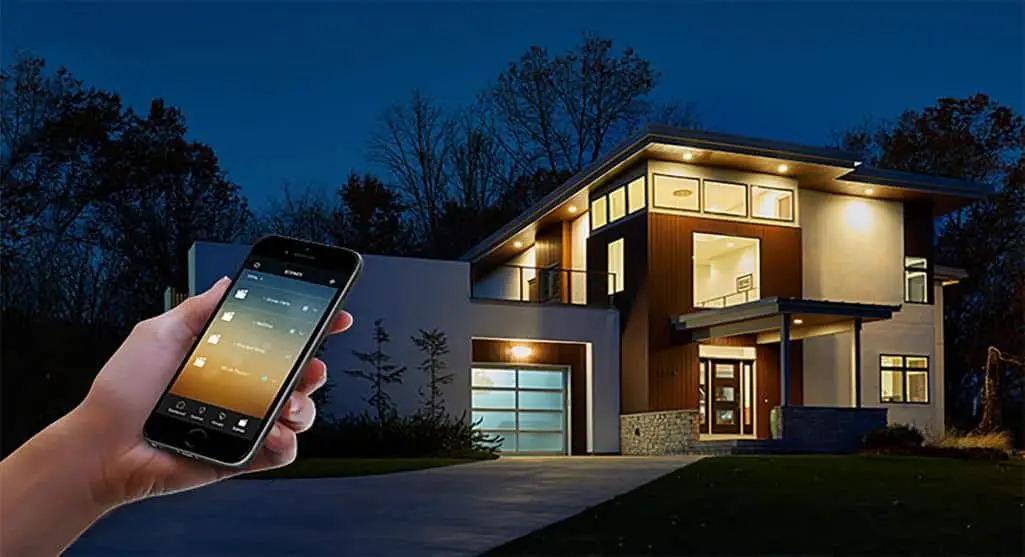
Smart lighting technology gives you granular control over your home’s lighting atmosphere without requiring complex whole-home automation rewiring. Modern smart bulbs offer distinct practical benefits:
- Smartphone and voice control: Switch, dim, or schedule lighting scenes via apps, voice assistants, or smart wall remotes.
- Tunable white and color-changing capabilities: Transition from cool, energizing white light in the afternoon to a mellow, amber glow before bedtime.
- Automated circadian schedules: Program lights to brighten gradually at sunrise or dim automatically as bedtime approaches.
- Standalone connectivity: While early setups required a dedicated hardware hub connected to your router, many modern smart bulbs connect directly to your smartphone using Bluetooth or Wi-Fi.
Whether you choose smart bulbs or traditional LEDs, installing wall-mounted dimmer switches on your primary lighting circuits is the single most cost-effective upgrade you can make. Dimmers grant immediate control over room mood, extend bulb longevity, and conserve electricity.
Room-by-Room Lighting Guide and Placement Rules
Position fixtures at functional heights, such as keeping dining pendants 30 to 34 inches above the table and placing bathroom sconces at eye level.
Every room serves a distinct architectural and lifestyle function, requiring an intentional balance of fixture types and heights. Following standard placement rules ensures your lighting enhances spatial proportions while eliminating blinding glare and awkward dark spots.
Living Room: Comfort and Relaxation
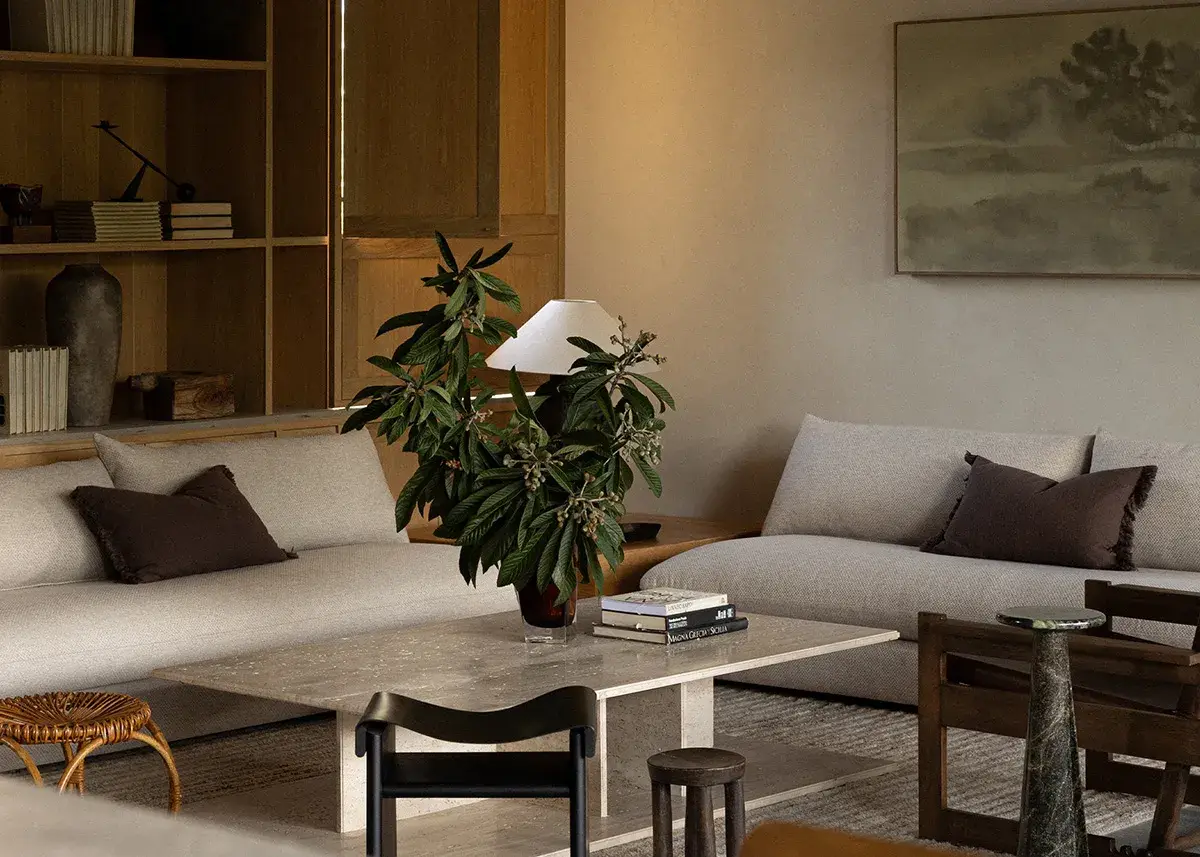
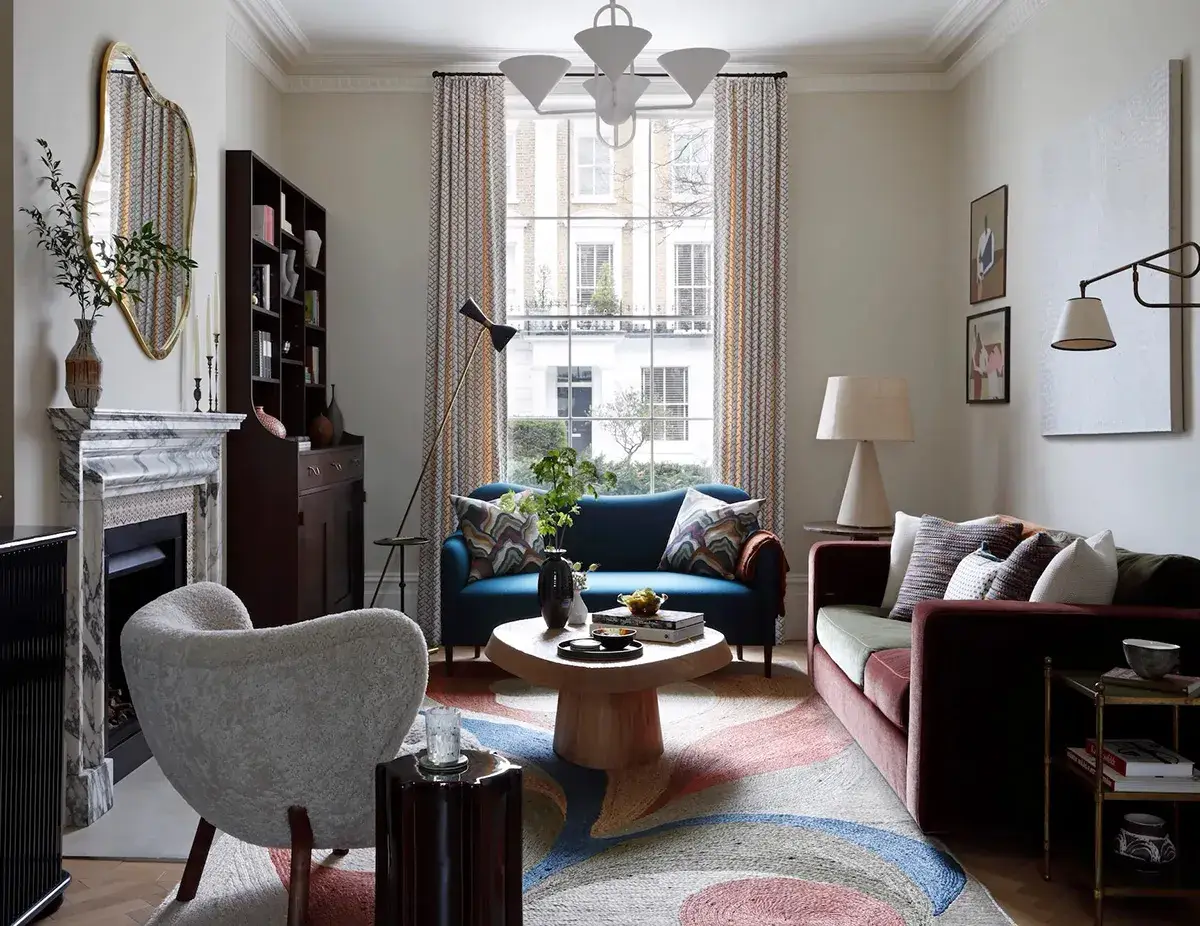
A successful living room should feel welcoming and adaptable for everything from family movie nights to hosting friends. Avoid relying on a single overhead fixture that washes out the space. Instead, place table lamps on side tables and floor lamps in darker corners to visually stretch the perimeter of the room.
Use bulbs with warm white color temperatures (2,700K) to keep the seating zone relaxed. If your living room includes a fireplace mantle, architectural niches, or framed prints, install directional eyeball downlights or subtle picture lights to create secondary visual anchors.
Kitchen: High-Output Task Efficiency
Kitchens require the most rigorous lighting scheme in the home because food preparation demands clear, shadow-free vision. Continuous under-cabinet LED strips should sit near the front edge of wall cabinets, throwing light directly downward onto countertops rather than toward the backsplash.
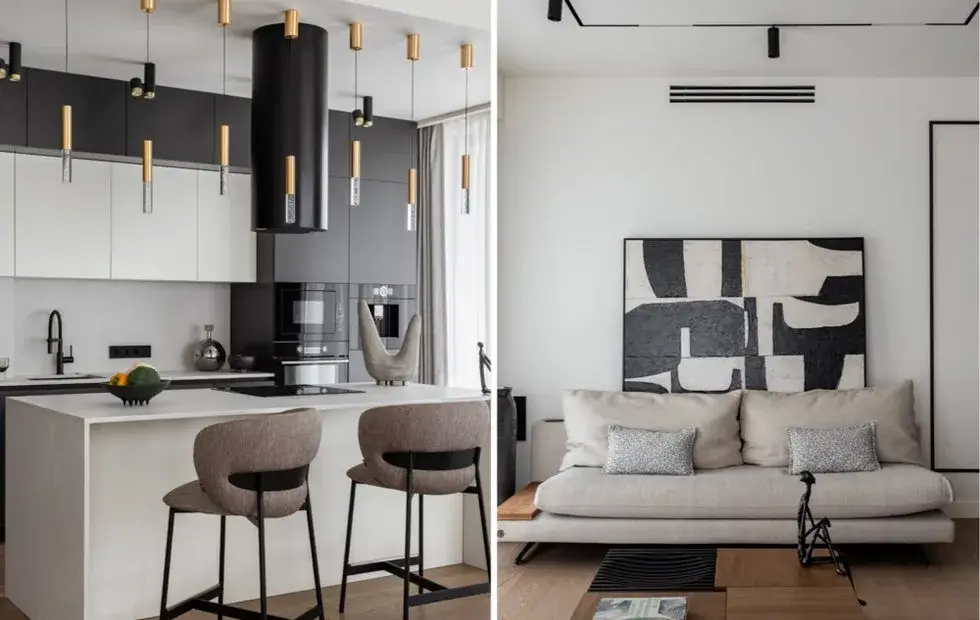
When hanging pendants over an island or breakfast bar, position the bottom of the pendant shades approximately 30 to 36 inches above the countertop surface. Space multiple pendants roughly 24 to 30 inches apart to maintain visual balance and prevent overlapping shadows across the preparation zone.
Dining Room: The Social Focal Point
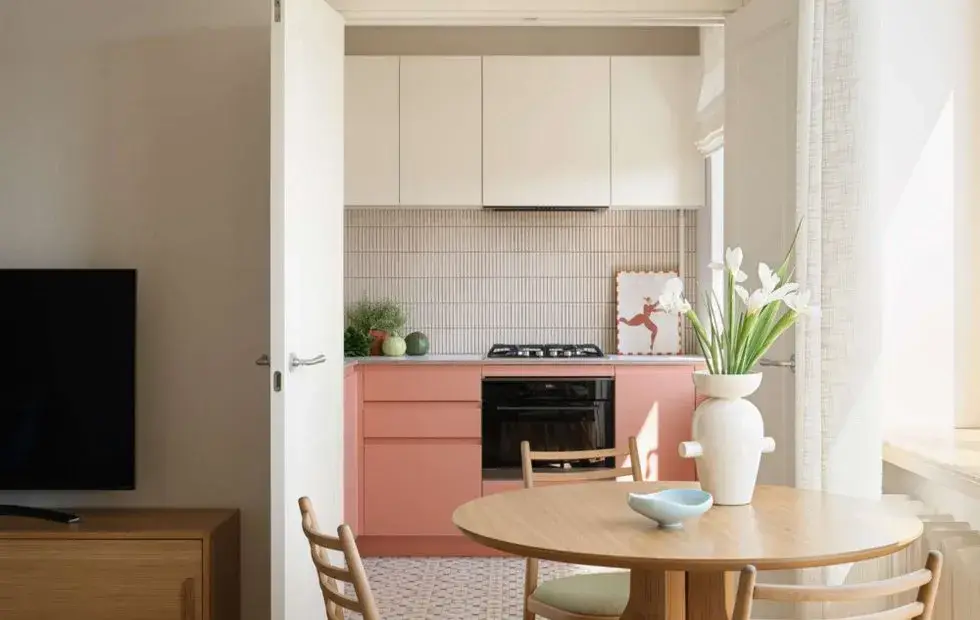
The dining room calls for focused intimacy centered on the table. A chandelier or linear suspension fixture serves as the centerpiece of the room. Suspend the fixture so its lowest rim sits approximately 30 to 34 inches above the tabletop when working with an 8-foot ceiling, adding roughly 3 inches for each additional foot of ceiling height.
Select shades that diffuse light downward and outward without exposing unshielded bulbs directly to seated guests’ eyes. Always pair the dining fixture with a dimmer switch so you can dial down the intensity once a meal begins.
Bedroom: Sanctuary and Serenity
Bedrooms require restful, indirect light that encourages relaxation. Selecting elegant lighting fixtures such as fabric-shaded table lamps, glass sconces, or low-hanging bedside mini-pendants brings a soft, hotel-inspired luxury to your sleeping quarters.
Mount wall sconces beside the headboard approximately 55 to 60 inches above the finished floor, or roughly 20 to 24 inches above mattress height, allowing you to read comfortably without illuminating the entire room. Keep color temperatures strictly between 2,400K and 2,700K to support natural sleep patterns.
Bathroom: Precision Grooming
The most frequent bathroom lighting flaw is installing a solitary ceiling downlight directly above the vanity mirror. This position casts harsh shadows under the eyes, nose, and chin, making shaving or makeup application difficult.
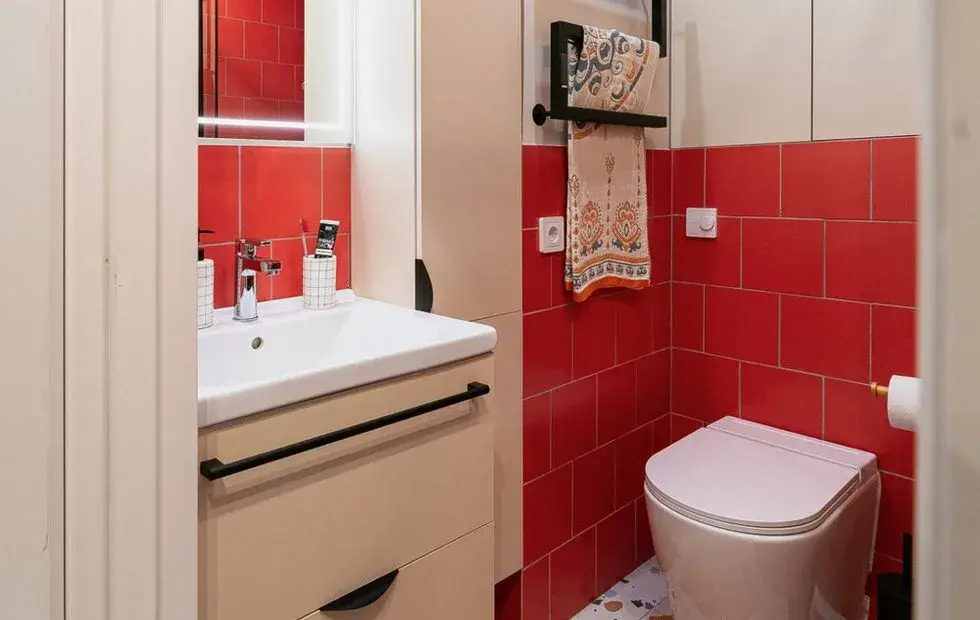
Instead, mount vertical wall sconces on either side of the mirror at eye level (typically 60 to 65 inches from the finished floor, spaced 28 to 36 inches apart). This cross-illumination provides even, shadowless light across the face. Ensure any fixtures placed inside wet zones, such as above walk-in showers, carry proper damp or wet IP safety ratings matching local building codes.
Home Office: Ergonomic Clarity
Your desk area requires thoughtful illumination throughout the day and evening. Position the desk perpendicular to exterior windows rather than facing them or sitting with your back directly to them, which minimizes reflective monitor glare and harsh contrast.
Supplement daylight with an adjustable task lamp delivering neutral white light (3,500K to 4,000K). Aim the light directly at paperwork or reference materials from the side opposite your dominant writing hand to avoid casting hand shadows across your work surface.
Common Interior Lighting Mistakes to Avoid
Even well-intentioned renovation projects can suffer from poor lighting execution. Avoiding these frequent design missteps will save you significant time, money, and rewiring frustration:
- The “Big Light” trap: Relying strictly on one powerful central ceiling pendant makes a room feel flat and institutional. Balance overhead fixtures with lamps at eye and seated levels.
- The recessed can grid: Punching an evenly spaced grid of recessed spotlights into the ceiling turns the ceiling into Swiss cheese and creates a cold, airport-runway aesthetic. Group recessed lights intentionally to wash specific walls or target specific work zones.
- Mismatched color temperatures: Mixing 2,700K warm bulbs and 5,000K daylight bulbs within the same open-plan space produces jarring, visually discordant results. Keep temperatures consistent within connected zones.
- Neglecting dimmer controls: Installing fixtures without dimmers locks you into an all-or-nothing lighting scheme that cannot adapt to changing moods or times of day.
- Ignoring scale: Selecting an undersized chandelier over a substantial dining table or hanging delicate petite sconces on a vast double-height wall disrupts spatial harmony.
Taking Your Lighting Plan Outside
Just as planning interior flooring, paint palettes, and cabinetry finishes demands thorough research, crafting a cohesive home lighting design requires strategic forethought. A successful layout considers scale, architectural proportions, Kelvin ratings, and daily lifestyle routines.
Once you have dialed in your indoor scheme, remember that your home’s exterior holds equal design potential. Your exterior can be transformed with lighting too, enhancing curb appeal, increasing nighttime security, and seamlessly extending your indoor living spaces into patios, decks, and garden pathways.