How to Choose a Swimming Pool Design
A well-designed swimming pool serves as an architectural extension of your home rather than a standalone basin of water dropped into a lawn. Designing a pool requires balancing site topography, home aesthetics, functional zones, and engineering realities. Whether you are building from scratch or renovating an existing outdoor area, thoughtful planning ensures that your investment improves your daily lifestyle and complements your property for decades.
In this guide, you will learn how to evaluate your property’s orientation, choose between concrete, fiberglass, and vinyl pool structures, select an appropriate layout for your yard size, and pick durable surrounding materials. From modern swimming pool design ideas to small backyard solutions and sanitization systems, a strategic approach to pool planning prevents expensive structural mistakes while maximizing aesthetic appeal.
Essential Pool Design Takeaways
- Orient the pool toward the south or southwest to maximize daily solar heating and lower artificial heating utility expenses.
- Budget between $38,000 and $100,000 or more for a permanent inground structure that adds tangible architectural and resale value to your home.
- Choose pre-molded fiberglass for rapid one- to three-week installation, or invest in concrete for custom geometric shapes and multi-level terrain builds.
- Consider a compact plunge pool footprint measuring between 8×14 and 10×20 feet to preserve yard space for dining terraces and lounge zones.
- Specify slip-resistant, low-heat hardscapes like exterior porcelain pavers or natural travertine to maintain barefoot safety around the coping perimeter.
Architectural Guide to Swimming Pool Design: Layouts, Materials, and Site Planning
A well-designed swimming pool serves as an architectural extension of your home rather than a standalone basin of water dropped into a lawn. Designing a pool requires balancing site topography, home aesthetics, functional zones, and engineering realities. Whether you are building from scratch or renovating an existing outdoor area, thoughtful planning ensures that your investment improves your daily lifestyle and complements your property for decades.
In this guide, you will learn how to evaluate your property’s orientation, choose between concrete, fiberglass, and vinyl pool structures, select an appropriate layout for your yard size, and pick durable surrounding materials. From modern swimming pool design ideas to small backyard solutions and sanitization systems, a strategic approach to pool planning prevents expensive structural mistakes while maximizing aesthetic appeal.
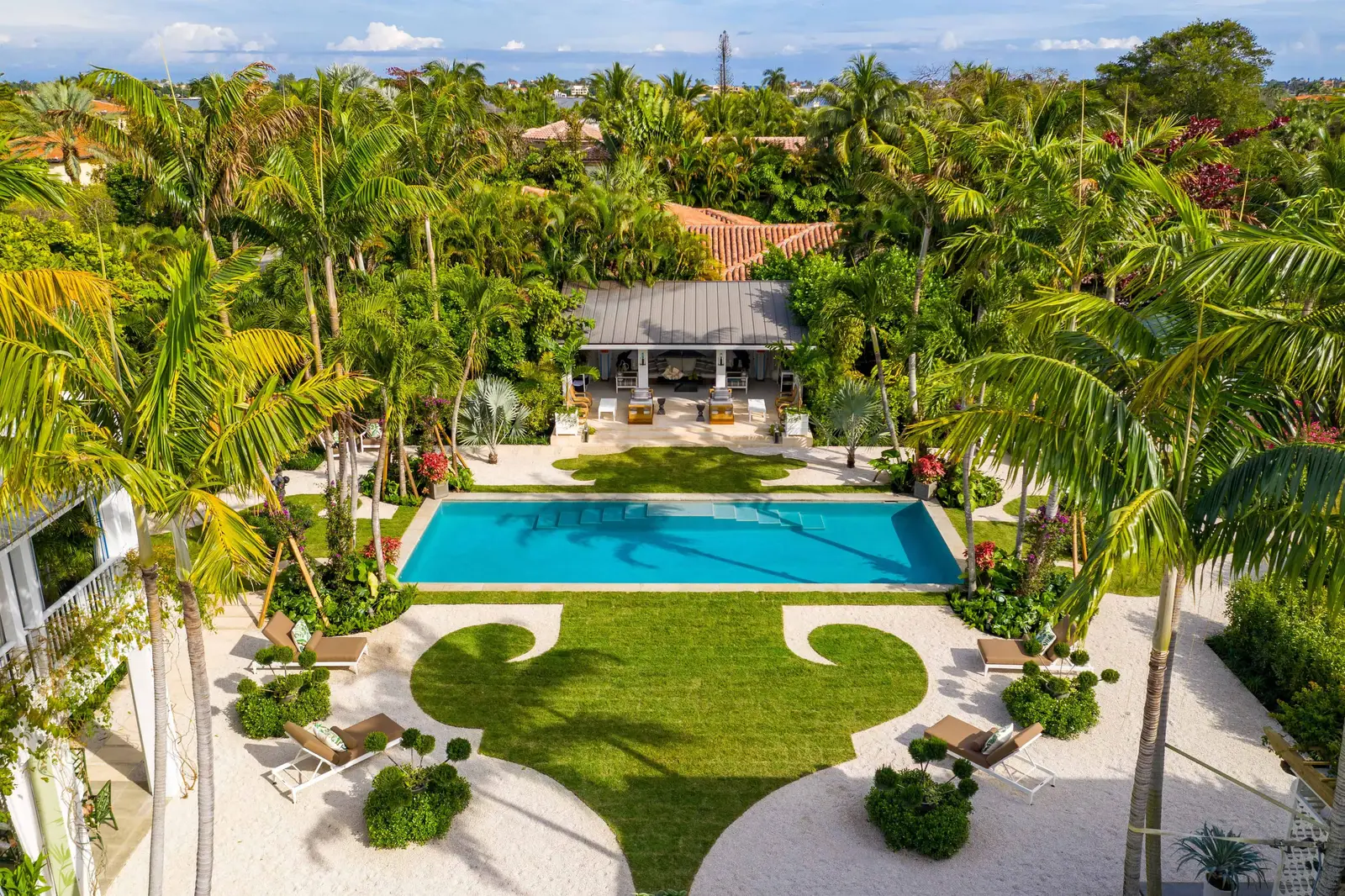
Site Planning and Pool Placement: Backyard, Front Yard, and Sun Exposure
Orient your pool toward the south or southwest to maximize passive solar warming, and position the basin away from prevailing wind corridors to curb heat loss and water evaporation.
Before selecting tile patterns or water features, you must determine the optimal location for your pool based on spatial flow and property dynamics. Proper site planning balances privacy, sun exposure, and municipal setbacks to create a seamless indoor-outdoor living connection.
Backyard vs. Front Yard Placement
Most residential pools are located in the backyard, primarily for privacy and acoustic containment. A rear installation keeps outdoor gatherings shielded from street traffic and neighbors, creating an intimate outdoor retreat. Rear placements also align naturally with living rooms, kitchens, and covered patios, allowing seamless entertaining flow.
While rare, front yard pools can work exceptionally well on sloping hillside lots, private acreages, or properties where the front receives the only consistent sunlight. However, front yard placements introduce strict permitting challenges. Most municipal building codes mandate safety enclosures, specific sightline minimums from roads, and strict boundary setbacks. A visible front yard pool can also polarize future buyers during resale, whereas a private backyard setup consistently yields broad market appeal.
Solar Tracking, Wind, and Topography
Determining which direction your pool faces dramatically influences your utility costs and comfort. An ideal orientation captures maximum daily sunlight, reducing artificial heating expenses and naturally warming the water through passive solar gain. Facing the pool towards the south or southwest in the northern hemisphere typically captures the longest sun exposure across swimming seasons.
You must also evaluate wind patterns and existing mature trees. Constant wind accelerates evaporative cooling and water loss, driving up heating bills and chemical usage. Positioning the pool away from heavy wind corridors, or adding protective landscape buffers, keeps water temperatures stable. Furthermore, building under dense deciduous trees results in continuous leaf litter and root intrusion risks. Experienced builders like The Pool Co. inspect your site’s solar trajectory, soil stability, and wind currents to establish the ideal building envelope.
In-Ground vs. Above-Ground Swimming Pools: Costs and Permanence
Deciding between an in-ground installation and an above-ground build shapes your upfront budget, installation timeline, and property value. While both provide seasonal recreation, their architectural permanence and structural capabilities differ significantly.
Inground pool installation costs typically range from $38,000 to well over $100,000 depending on the pool type and custom features. In contrast, standard above-ground pools generally cost between $4,000 and $12,000. While the upfront investment for an inground structure is substantial, inground pools add better resale value to your property because prospective buyers view them as permanent architectural assets.
Architectural customization is another critical distinction. An inground pool accommodates variable depths, integrated shallow lounges, deep diving wells, and built-in entry steps. While standard above-ground pools feature a constant flat bottom depth, they can also feature varied depths or deep ends when fitted with expandable liners. Even so, inground builds provide vastly superior durability and integrate gracefully into high-end hardscaping.
Concrete vs. Fiberglass Pool: Comparing Construction Methods
Select concrete for complete architectural freedom on irregular or sloping terrain, or choose fiberglass for a smooth, algae-resistant surface that installs in just one to three weeks.
The core material you choose determines design flexibility, construction time, and long-term maintenance demands. The three primary construction methods are concrete (gunite or shotcrete), pre-molded fiberglass, and vinyl liner assemblies.
| Construction Material | Installation Timeline | Architectural Flexibility | Liner / Surface Lifespan | Relative Initial Cost |
|---|---|---|---|---|
| Concrete (Gunite/Shotcrete) | 2 to 3 months | Completely custom (unlimited shapes/depths) | Plaster: 10-15 years (full shell lasts decades) | High ($55,000 to $100,000+) |
| Pre-Molded Fiberglass | 1 to 3 weeks | Fixed factory molds (various modern layouts) | Gelcoat: 25+ years | Moderate to High ($45,000 to $85,000) |
| Vinyl Liner | 2 to 5 weeks | Semi-custom panel kits | Liner: 7 to 10 years | Moderate ($38,000 to $65,000) |
Concrete and Gunite Pools
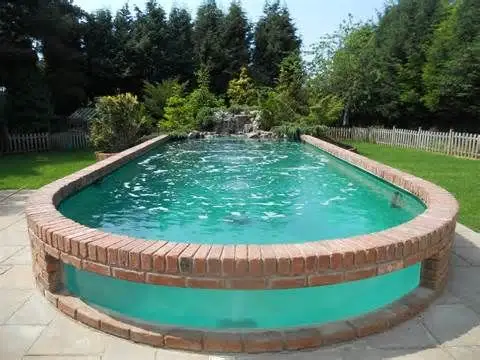
Concrete offers unlimited architectural freedom. If your landscape requires bespoke radiuses, vanishing edges, integrated planters, or multi-level plunge zones, concrete is the standard choice. Concrete pools can be constructed above ground as well as in-ground, making them well-suited for steeply terraced sites requiring structural retaining walls.
The trade-off is construction duration and ongoing chemical monitoring. While prefabricated options install rapidly, a concrete pool may take as long as 2 to 3 months to shoot, cure, tile, and plaster. The porous interior plaster also requires diligent water balancing to prevent algae accumulation and calcium scaling, alongside periodic resurfacing every 10 to 15 years.
Pre-Molded Fiberglass Shells
Fiberglass pools are elegant, structurally resilient, and exceptionally fast to install. Because the shell is manufactured in a temperature-controlled factory and craned directly into an excavated excavation bed, structural installation can take as little as 1 to 3 weeks.
The smooth gelcoat surface of a fiberglass shell is non-porous, naturally resisting algae growth and reducing overall chemical consumption. While fiberglass pools cannot be altered beyond pre-engineered factory shapes, modern manufacturers offer an extensive array of rectangular, plunge, and curved silhouettes with integrated steps and tanning ledges.
Vinyl Liner Pools
Vinyl liner pools provide an economical entry point for inground installations. Built with galvanized steel or polymer wall panels backfilled with concrete, these structures rely on a custom-fitted vinyl membrane to hold water. The industry standard lifespan for an inground vinyl pool liner is 7 to 10 years under proper maintenance, though well-maintained liners can last longer before requiring replacement.
While vinyl liners feel comfortable underfoot and offer lower initial installation expenses, sharp objects or neglected water chemistry can puncture or wrinkle the liner. Homeowners must factor the recurring cost of liner replacements into their long-term budget calculations.
Inground Pool Shapes and Layouts: Geometric vs. Freeform Design
Browse creative visual concepts to see how geometric lines and contemporary features integrate into residential landscapes.
The geometric silhouette of your pool should echo the architectural lines of your residence. Selecting between crisp geometry and organic curves depends on your home’s structural character and your yard’s spatial footprint.
When reviewing swimming pool design ideas, evaluate how well the shape coordinates with your interior vistas and terrace sightlines.
Geometric Pools for Modern and Classic Architecture
Rectangular pools remain the gold standard for contemporary, mid-century modern, and classical architecture. Their crisp, linear perimeters reflect modern elevations, while clean sightlines create reflecting-pool qualities that look sophisticated from interior living spaces. L-shaped pools expand on this clarity by establishing distinct functional wings, neatly isolating a shallow wading area from a lap corridor.
Freeform Pools for Natural Landscapes
Freeform designs incorporate flowing curves, kidney contours, and irregular perimeters. These silhouettes blend effortlessly with rustic, Mediterranean, and tropical landscape schemes. If your yard features irregular boundaries, rock outcroppings, or preserved mature trees, freeform designs wind through existing site constraints without requiring rigid grading adjustments.
Small Backyard Pool Design: Plunge and Cocktail Pools
Limited outdoor footprints do not require abandoning pool ownership. Plunge pools, cocktail pools, and compact lap lanes maximize compact courtyards. Ranging from 8×14 feet to 10×20 feet, a compact plunge pool prioritizes deep soaking, hydrotherapy seating, and architectural water elements over sprawling swim space. By using smaller volumes of water, small pools heat quickly and leave adequate square footage for outdoor dining tables and lounge seating.
Integrated Functional Elements
Modern layouts often incorporate purposeful functional zones directly into the pool floor plan:
- Baja Shelves (Tanning Ledges): Shallow platforms submerged 6 to 12 inches beneath the surface, ideal for submerged in-pool loungers or safe splash zones for small children.
- Integrated Spas: Raised or flush spillover spas that share the pool’s heating and filtration loop, introducing relaxing spillway acoustics.
- Swim-Outs and Benches: Submerged perimeter seating ledges that allow swimmers to rest without exiting the water or blocking the swimming corridor.
Pool Deck Materials, Coping, and Landscape Integration
Pair your pool with light-colored travertine or non-porous exterior porcelain pavers to ensure durable, slip-resistant decking that stays comfortable under barefoot traffic in hot sun.
The surrounding hardscape defines how your pool interacts with the broader garden. High-quality surround materials must withstand continuous water contact, resist seasonal freeze-thaw cycles, and provide reliable traction under wet conditions.
When selecting hardscaping surfaces, evaluate the following structural options:
- Natural Travertine and Limestone: Highly porous and light-colored, these stones remain cool under midday sun and provide natural slip resistance, making them ideal for warm climates.
- Porcelain Pavers: Non-porous, stain-resistant, and frost-proof, exterior porcelain delivers an ultra-clean, uniform modern aesthetic that never requires sealing.
- Textured Concrete: Broom-finished or exposed aggregate concrete offers an economical, durable surround with dependable wet-foot grip.
- Composite Decking: Excellent for elevated or steeply sloping terrain, composite boards offer splinter-free surfaces that resist rot and chlorine degradation.
Coping stones frame the transition between the vertical pool wall and the surrounding deck. Modern cantilevers, drop-face coping slabs, or bullnose edges define the clean boundary line. To soften the transition from stone to soil, layer ornamental grasses, architectural palms, and structural hedges around the fence perimeter. Incorporating garden beds between the deck edge and safety barriers softens physical property lines and dampens ambient noise.
Water Sanitization Systems: Saltwater, Chlorine, and Advanced Filtration
Water quality systems dictate daily maintenance effort, chemical expenditures, and overall swimmer comfort. Selecting the right sanitation setup early in the design stage ensures the equipment pad accommodates necessary electronics and secondary filtration units.
Traditional chlorine systems use chemical tablets or liquid additions to sanitize water. While inexpensive to install initially, manual chlorine pools demand frequent water testing and chemical balancing. Improper chemical levels can produce chloramines, the compounds responsible for strong chemical smells, dry skin, and stinging eyes.
Salt chlorination systems generate pure hypochlorous acid on-site by passing mild dissolved salt through an electrolytic cell. The resulting water feels soft and silky on the skin with virtually no harsh chemical odors. While salt systems have higher initial generator costs and require sacrificial zinc anodes to safeguard vulnerable metal fittings, they simplify ongoing maintenance schedules.
For pristine water clarity with minimal chemical loads, many homeowners install secondary sanitation equipment, such as ultraviolet (UV) sterilizers or ozone generators. These auxiliary units destroy micro-contaminants at the equipment pad, allowing you to run lower residual chlorine levels while keeping water clear and balanced.
Conclusion: Bringing Your Pool Vision to Life
Review critical zoning rules, structural prerequisites, and utility requirements before you sign a construction contract.
Designing a swimming pool involves far more than picking a basin shape. A successful installation harmonizes yard topography, structural durability, architectural alignment, and long-term operating costs. Prioritize an orientation that maximizes sunlight, select construction materials that suit your climate and maintenance goals, and invest in durable surround materials that keep your outdoor space safe and inviting.
Before breaking ground, examine things to consider before building an inground pool and consult local zoning authorities regarding property line setbacks, utility easements, and mandatory safety fences. Collaborating with licensed landscape architects and experienced pool contractors ensures your pool design enhances your lifestyle and remains a centerpiece of your home for years to come.